Quick answer: Cover the plants that came from somewhere warmer and leave established natives alone. Texas A&M AgriLife Extension says to water the soil the day before, then drape frost cloth, a sheet or a blanket loosely over the plant late in the afternoon. Clear plastic can damage the leaves it touches. Pots go into a garage. Autumn sage and Turk's cap can take a Texas freeze uncovered, and esperanza, which may die to the ground, wants mulch over its crown instead (Texas A&M AgriLife Extension, publication EHT-048).
Key takeaways
- A cover does not insulate. It slows the plant's cooling on a clear, calm night, and AgriLife says heavier frost blanket protects best, with two layers in a severe frost (Texas A&M AgriLife Extension, EHT-048).
- Clear polyethylene film can cause damage at the point where it touches a plant, so use fabric or keep film off the leaves (Texas A&M AgriLife Extension, EHT-048).
- Austin's normal first 32F freeze is November 18, with an early tail of November 2, and Houston's is December 24 (NOAA National Centers for Environmental Information, 1991 to 2020 Climate Normals).
- Autumn sage is cold tolerant and keeps its leaves in warm winters but is deciduous in extremely cold ones, and native esperanza may die to the ground in a harsh winter (Lady Bird Johnson Wildflower Center).
- After a hard freeze, wait to prune until new buds swell, because some plants do not show growth until mid-summer (Texas A&M AgriLife Extension, Galveston County).
How to protect plants from a freeze in Texas
Texas gets two kinds of cold, and a sheet only works on one of them. Texas A&M AgriLife Extension calls them a radiative frost and an advective freeze. The radiative kind comes on a clear night with wind under 4 mph, as plants and soil lose the day's heat to the sky. The advective kind is the blue norther, a windy front that can take one to three days to clear the state (Texas A&M AgriLife Extension).
AgriLife says lightweight covers that protect well in a radiative frost provide little to no protection in a severe freeze. Its short list for a norther is heat under a cover, windbreaks, banks and mulches (Texas A&M AgriLife Extension). If the overnight dew point stays above freezing, most plants are unlikely to be injured by frost, and a dew point below freezing is the signal to start protecting (Texas A&M AgriLife Extension).
The national version of the covering routine is in how to cover plants before the first frost. Here is the Texas short form.
- Water the soil the day before. Wet soil captures heat during the day and releases it upward overnight, and plants that are not drought stressed resist freezing better (Texas A&M AgriLife Extension).
- Cover late in the afternoon. Put covers on before sundown so the soil and plant tissue have gained as much heat as they can (Texas A&M AgriLife Extension).
- Drape loosely, and let it hang wide. AgriLife says to lay the cover over the plant and either let it hang widely or stake it out at the corners like a tent, so it traps the heat rising from the ground. Tying it tight around a trunk makes what the publication calls a landscape lollipop and cuts that ground heat (Texas A&M AgriLife Extension).
- Choose fabric over plastic. Sheets, blankets, spun polyester frost blanket and cardboard boxes all work. Clear polyethylene is not the best drape and can cause damage where it touches the plant, while opaque or white film reflects heat back down and is less likely to overheat plants (Texas A&M AgriLife Extension).
- Take it off when the cold has passed. Film left on through a warm, sunny afternoon can overheat plants, and AgriLife says to ventilate hoop frames once the freeze danger is over (Texas A&M AgriLife Extension).
What to cover, and what to leave alone
AgriLife says woody plants and trees that go dormant, such as pecan and peach, can tolerate very low winter temperatures, and so can perennials like lilies and irises (Texas A&M AgriLife Extension).
The plants worth the trip outside are on the other side. Many spring and summer annuals and perennials can be damaged at or even above 32F, and most fruit and vegetables have little resistance to freezing temperatures (Texas A&M AgriLife Extension). Cover those, and most of a native garden belongs on the first list.
Pots and crowns need more than a sheet
A pot has no ground around it. AgriLife says container roots can get much colder than roots in the soil, and they may die if the container drops much below 32F. Moving the pot to a garage is the best fix. If it has to stay out, group the containers on a protected side of the house, water them thoroughly, pile mulch, leaves or hay over and among them, and cover the lot with frost blanket (Texas A&M AgriLife Extension).
In the ground, the crown is the part to protect. For perennials that have died back, AgriLife says to cut them near the soil and cover them with a thick mulch of hay or leaves to hold the soil's warmth. It also describes banking, which is mounding loose topsoil around the crown, and calls soil the most protective material because it carries the earth's heat to the plant parts it touches (Texas A&M AgriLife Extension). More on amounts and timing is in the winter mulch post.
Texas first freeze dates, city by city
There is no single first freeze date for Texas. NOAA's 1991 to 2020 normals put four big metros like this, for the first 32F freeze of the fall (NOAA National Centers for Environmental Information, 1991 to 2020 Climate Normals):
| City (ZIP) | Early (1 year in 10) | Normal | Late (1 year in 10) |
|---|---|---|---|
| Austin (78701) | November 2 | November 18 | December 8 |
| Dallas (75201) | November 8 | November 27 | December 16 |
| San Antonio (78205) | November 8 | November 29 | December 23 |
| Houston (77002) | November 26 | December 24 | January 22 |
The stations are Austin 6S, Dallas Love Field, San Antonio Incarnate Word and Houston-Port, each within about nine kilometers of the ZIP code. Houston's normal first freeze lands more than a month after Austin's. Plan against the early column, because that is the one that catches a tomato still in a pot.
AgriLife's own table, built on older NOAA data, gives the earliest fall date with a 50 percent chance of 32F, from October 24 in Amarillo to December 28 in Galveston (Texas A&M AgriLife Extension). That is a different dataset from the table above. For your own address, use the frost date lookup.
Autumn sage, Turk's cap and esperanza after a freeze
If you already grow these three, none is a plant to wrap in a sheet. The work is mulch and patience. Each has a regional care guide in the app with a winter row for your ecoregion, and the rows below come from those.
Autumn sage
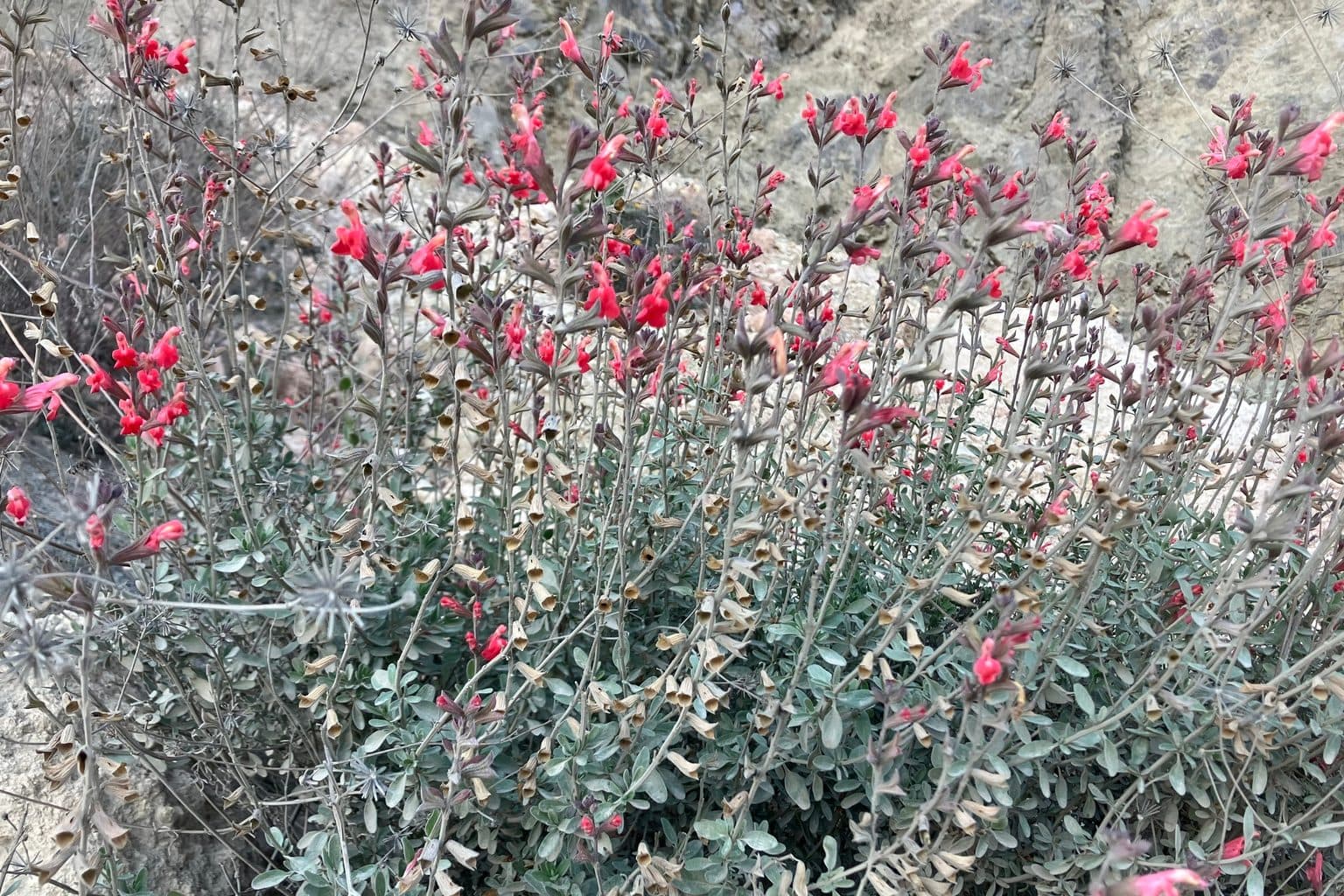
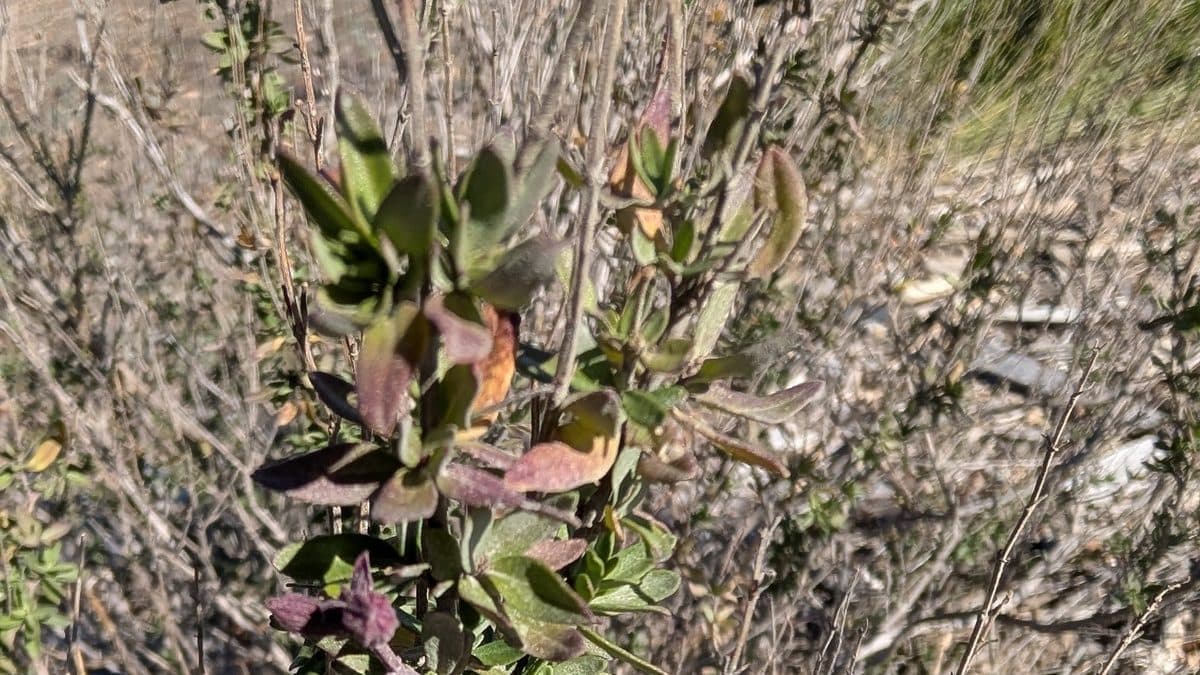
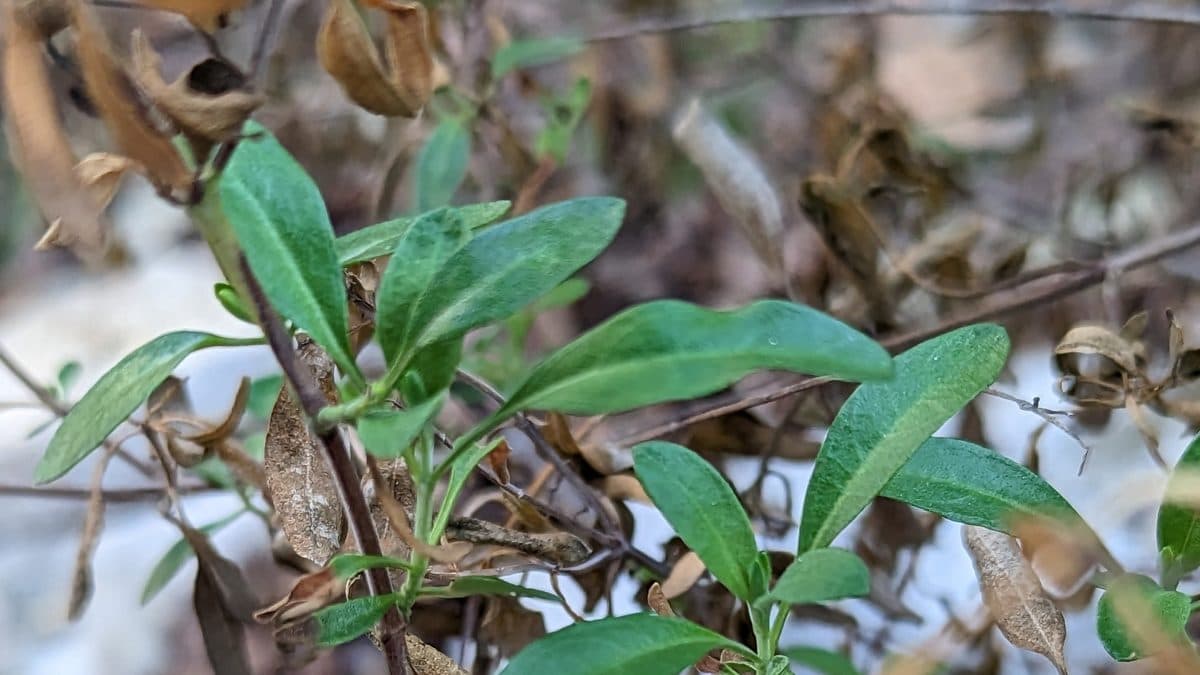
The Lady Bird Johnson Wildflower Center lists Salvia greggii as native to central and west Texas, extending south to San Luis Potosi, Mexico, and as cold tolerant. It stays evergreen or semi-evergreen in warmer climates and goes deciduous where winters are very cold (Lady Bird Johnson Wildflower Center).
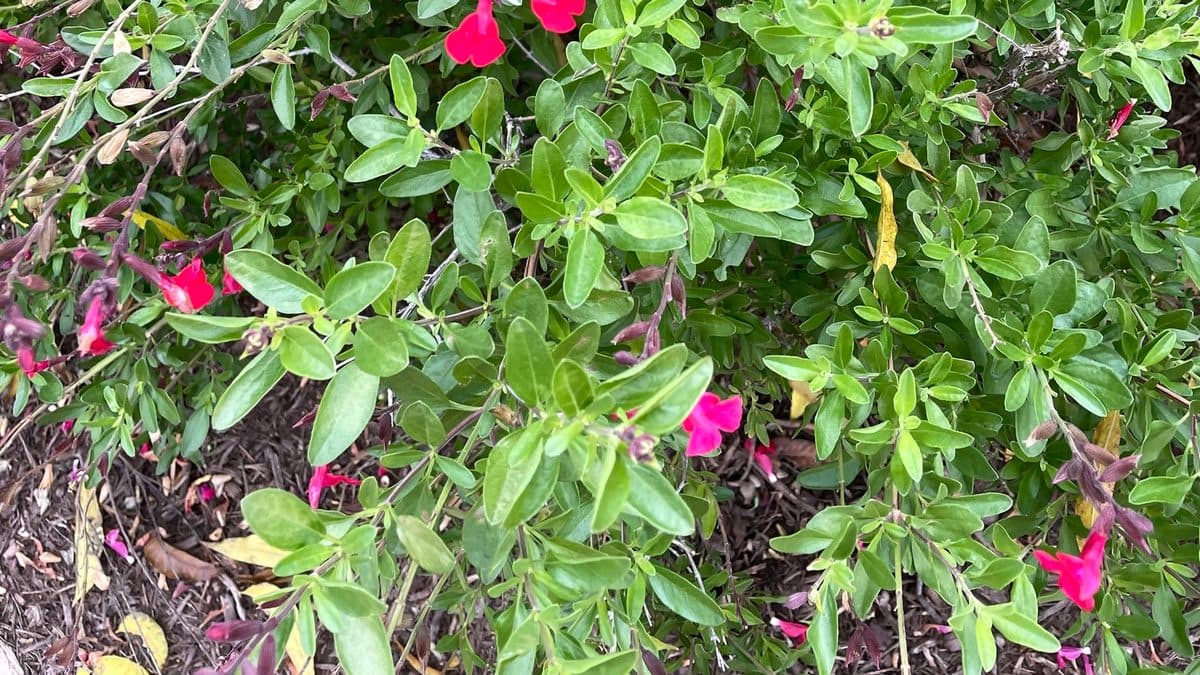
The autumn sage regional care guide reads like a gradient. In the Texas Blackland Prairies (Dallas area) the plant usually keeps some leaves and soggy clay around the crown is the main winter danger. In the Edwards Plateau (San Antonio area), leaf drop or partial dieback after a hard freeze is normal and the guide says not to prune in winter. In the Western Gulf Coastal Plain (Houston area) it is semi-evergreen with little to no dieback. Our Texas fall care calendar says to wait for late February to cut it back. The full freeze story for this one plant, zone by zone, is in will autumn sage survive a freeze.
Turk's cap
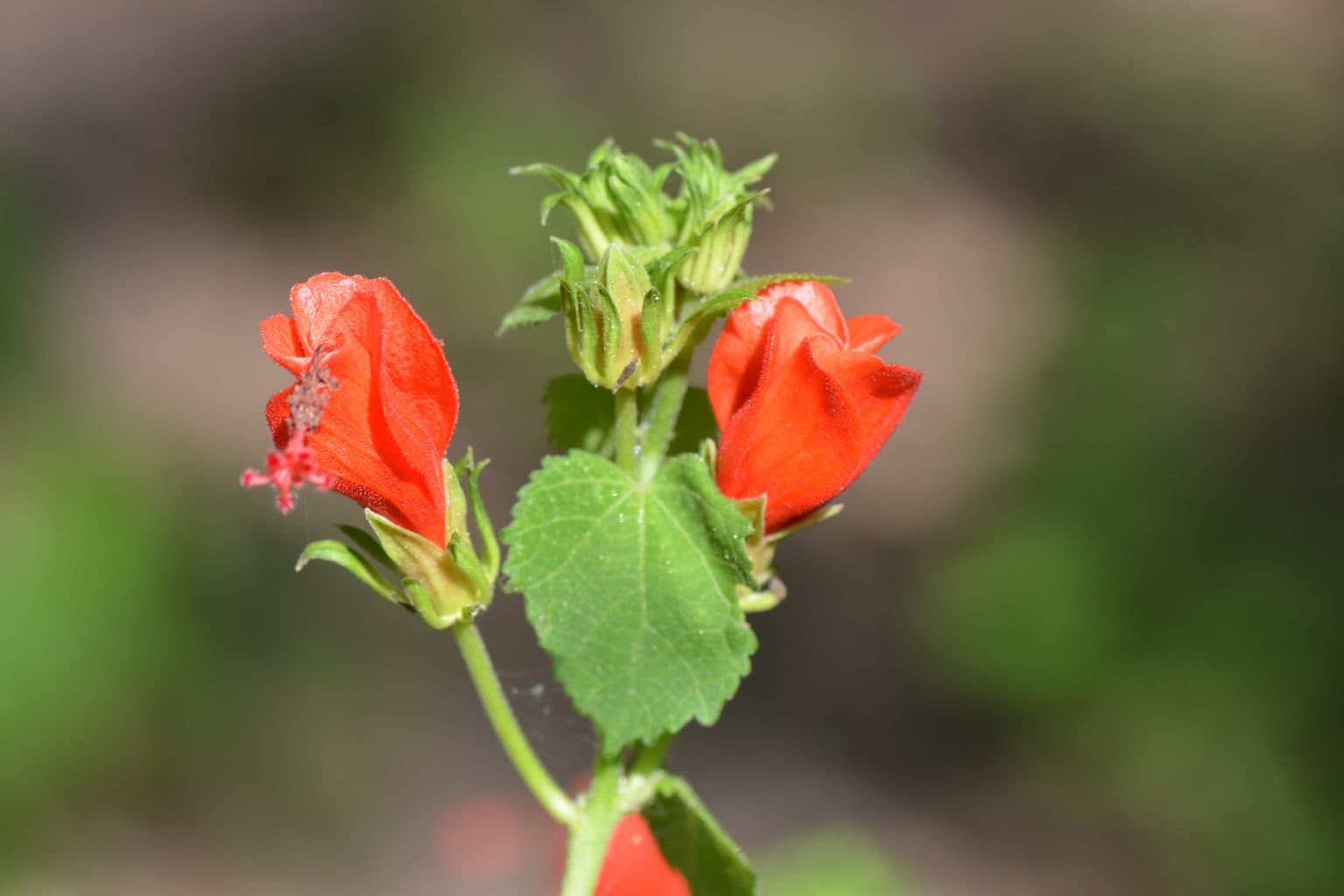
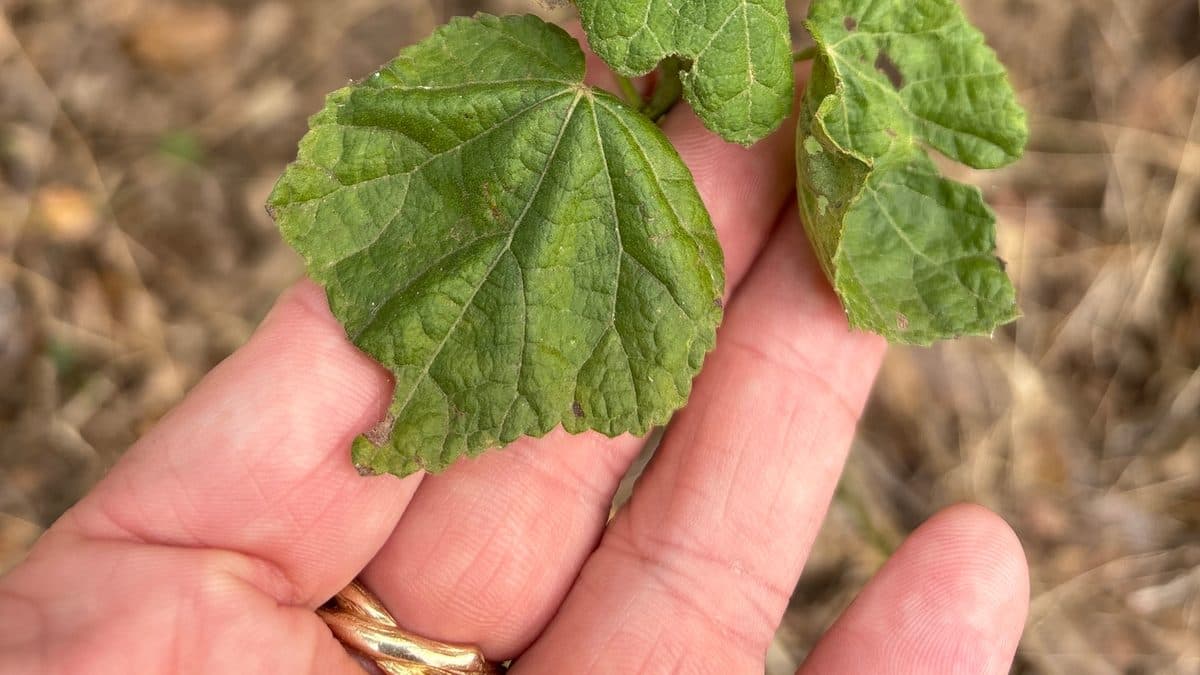
Malvaviscus arboreus is native from central Texas east to Florida and Cuba, north to Arkansas and South Carolina (Lady Bird Johnson Wildflower Center). Texas A&M's Aggie Horticulture, as quoted in a Wildflower Center answer, says it is evergreen in the Rio Grande Valley and dies to the ground as an herbaceous perennial farther north, with roots so tough, dense and deep that an established plant in black clay is very hard to dig up (Lady Bird Johnson Wildflower Center). The roots are what carry it through.
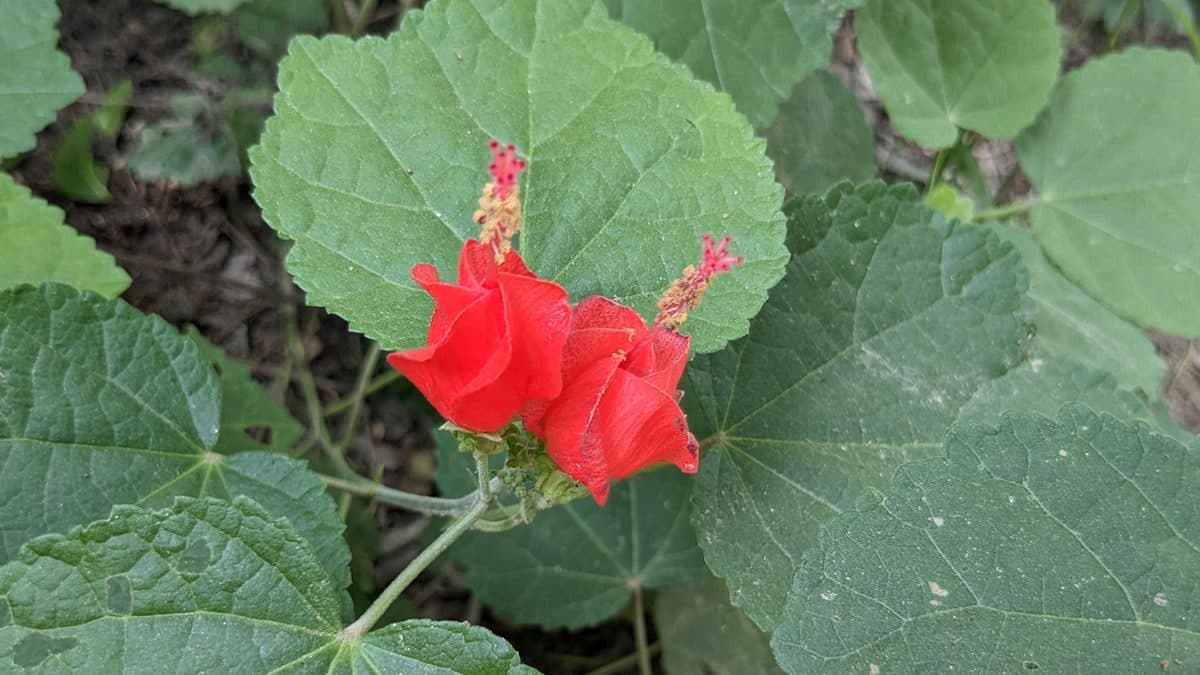
The Turk's cap regional care guide reads the same way across the state. In the Texas Blackland Prairies (Dallas area) and the Cross Timbers (Fort Worth area), a hard freeze takes the plant back to the ground. Leave the dead stems standing to protect the crown and cut only when new growth shows. In the Western Gulf Coastal Plain (Houston area) it often only partly dies back.
Esperanza
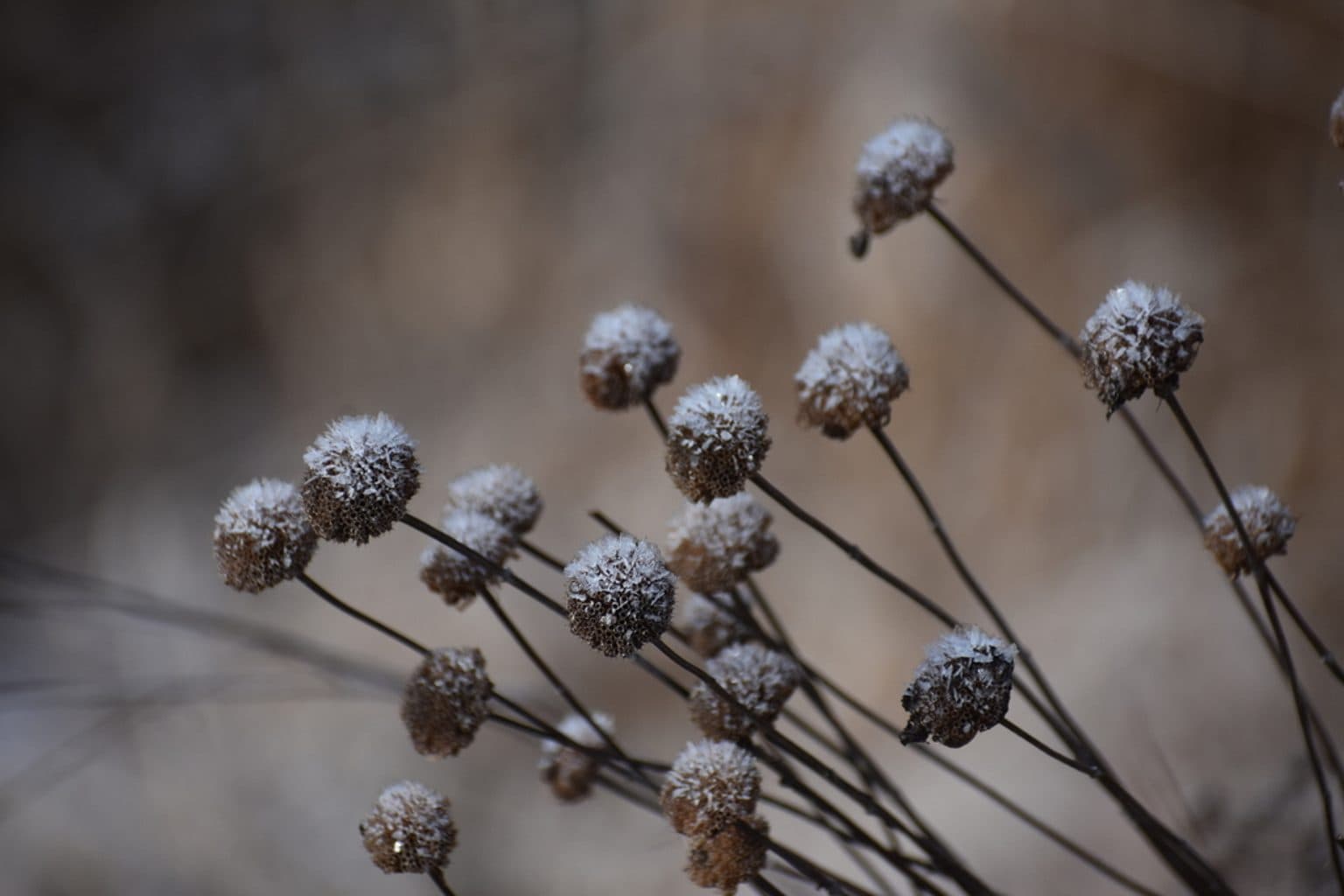
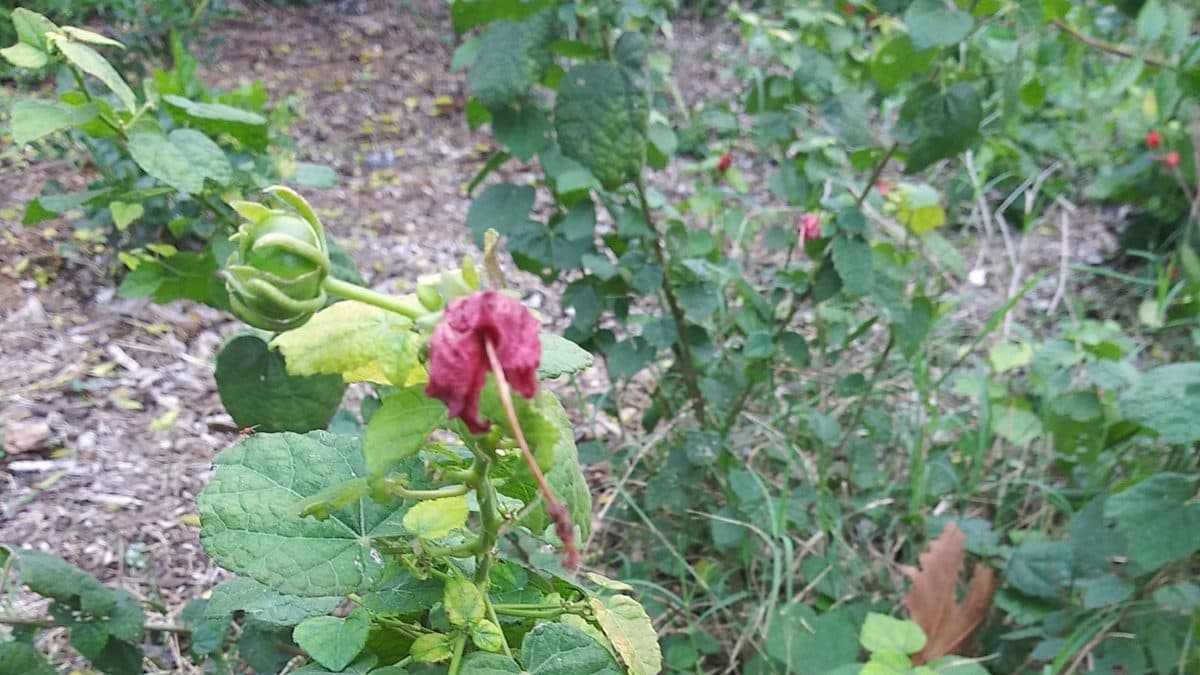
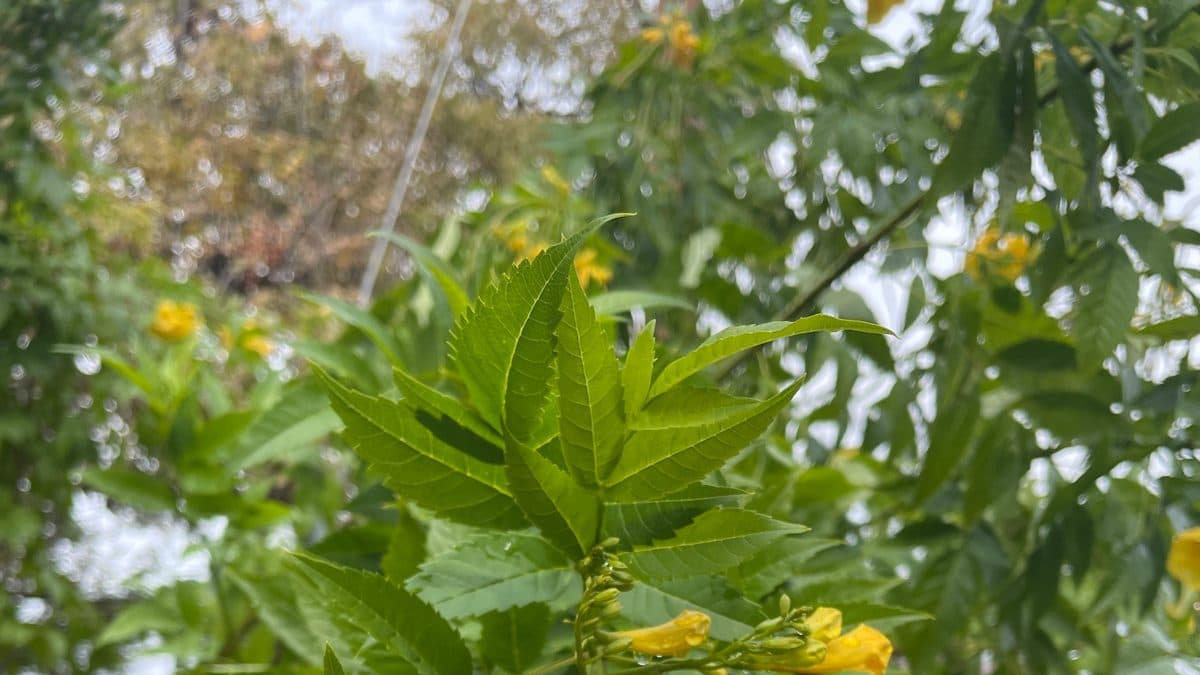
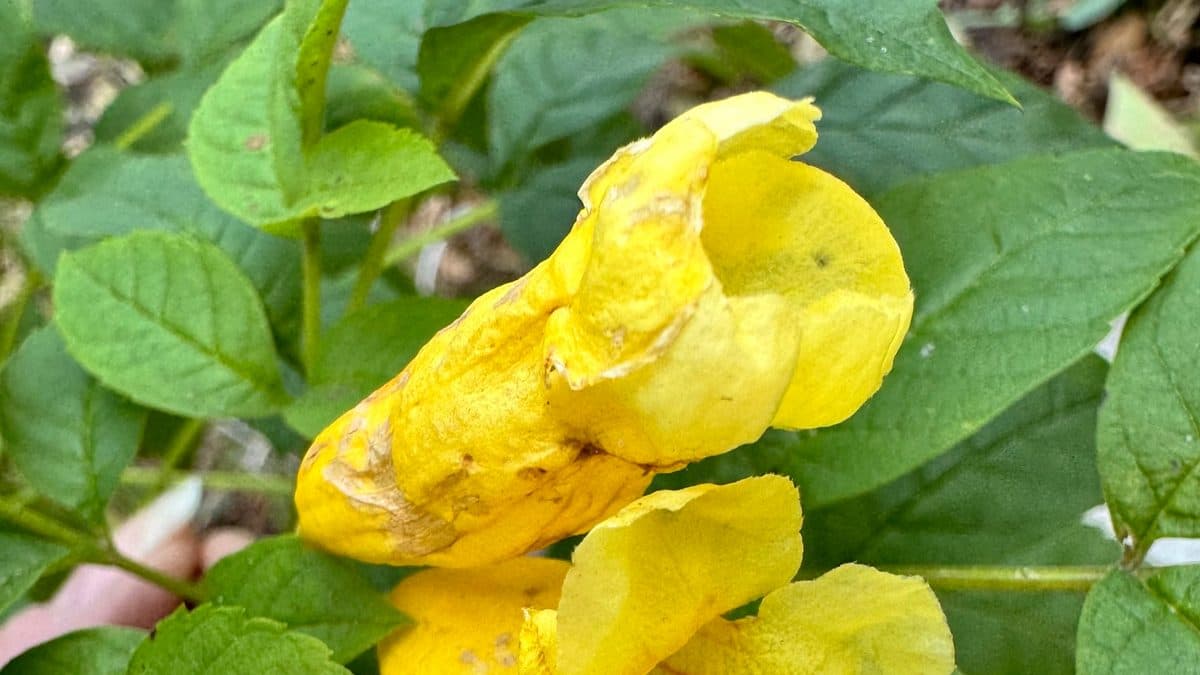
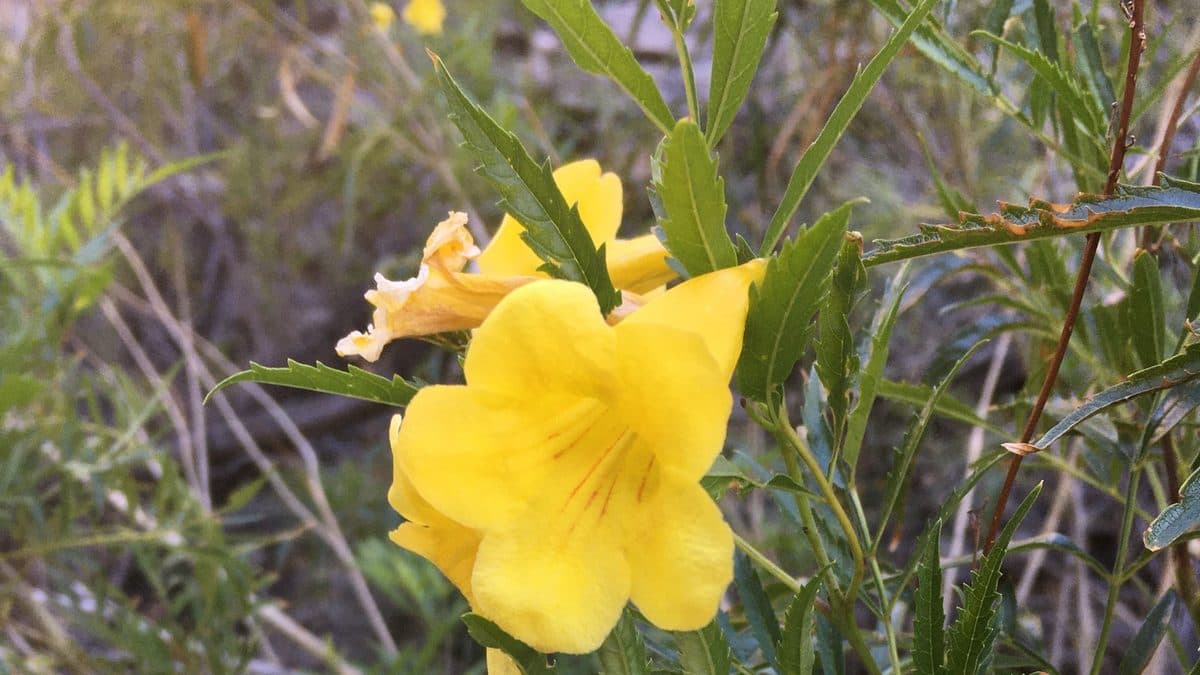
Esperanza, Tecoma stans, is the one to watch. The Wildflower Center records it in Arizona, Florida, New Mexico and Texas, native from south-central Texas west to Arizona on hillsides, slopes and canyons. It is listed as cold tolerant, but native varieties may die to the ground during especially harsh winters, and nursery plants may come from tropical stock and handle cold worse (Lady Bird Johnson Wildflower Center).
A Wildflower Center answer to a gardener in Brady about a freeze-damaged potted esperanza says the leaves and upper stems ordinarily die back and then resprout in spring, and that root damage may be the more severe problem. The advice was to mulch the root area with shredded hardwood, prune to the ground, and hope for the best (Lady Bird Johnson Wildflower Center).
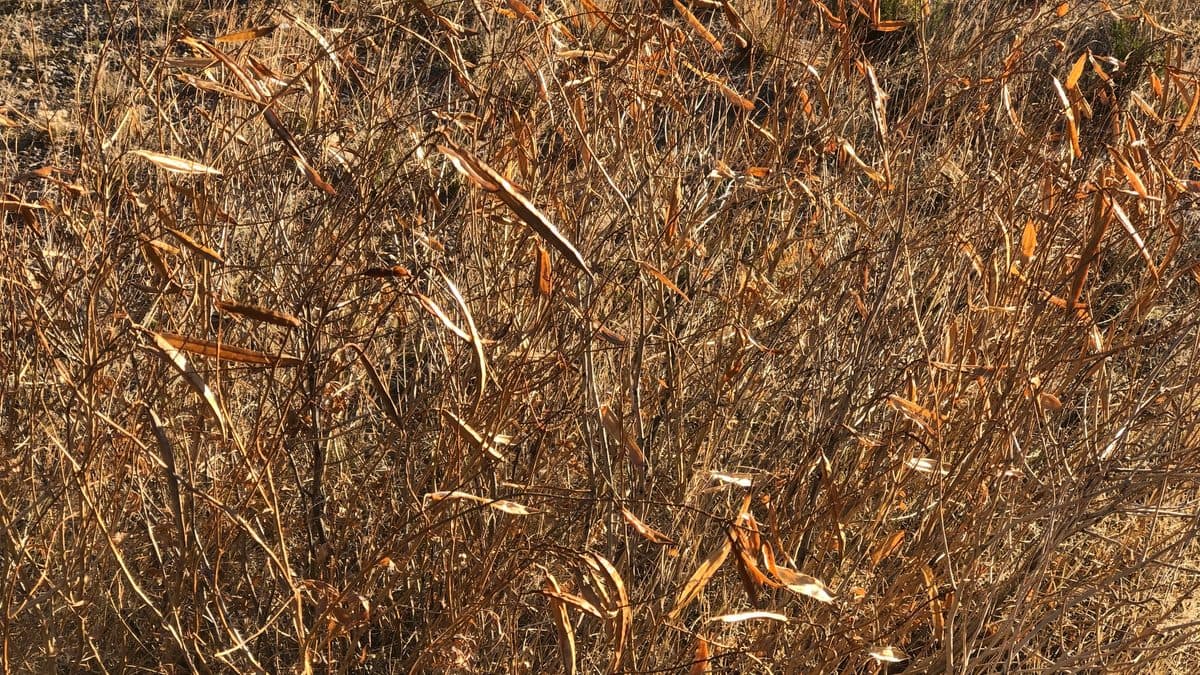
The esperanza regional care guide sorts the state the same way. In the Edwards Plateau (San Antonio area) freeze dieback to the ground is normal, so mulch the crown, leave the browned stems until spring, and do not prune. In the Texas Blackland Prairies (Dallas area) extra mulch goes down before the first hard freeze and a young plant may not return. In the Southern Texas Plains (McAllen area) it usually keeps its woody structure.
After the freeze, wait before you cut
After Winter Storm Uri in February 2021, which Galveston County AgriLife said brought about 16 consecutive hours below 25F to Galveston Island, its guidance was plain. Do not prune damaged tissue right away, because that exposes a new part of the plant to disease or a later freeze. Wait until new buds swell, then remove dead, dry tissue. Do not fertilize cold-stressed plants until they are growing again (Texas A&M AgriLife Extension, Galveston County).
To check a woody plant, scrape a little bark with a fingernail. Pale, creamy tissue is alive, and brown or black is cold damage. The same guidance says plants can surprise you, and it may be mid-summer before growth shows on one that looks dead (Texas A&M AgriLife Extension, Galveston County). AgriLife's statewide publication adds that dead foliage left at the top helps shield the lower leaves from radiation loss on later nights, and pruning after a freeze does not improve the outcome (Texas A&M AgriLife Extension).
Watch it done
Get It Growing: How to properly cover plants against a freeze, from LSU AgCenter (1:49). A horticulturist covers citrus and tropicals in a Louisiana yard ahead of a night in the 20s, and you see the part a sheet of instructions cannot show: frost cloth staked so it stays off the leaves and reaches the soil on every side, put on in the afternoon sun and lifted once the cold passes. Same technique as the Texas steps above.
Where the app fits
Pollinator Patch sends freeze alerts by ZIP code, in the app and by email, once your account has a garden saved with your location, so the first norther does not surprise you. Care is free for every plant you own, native or not. If you are not sure whether something in your yard needs a cover, ask Patch something like "does my potted lantana need to come in tonight?"
People also ask
How do I protect my plants from a freeze in Texas?
Water the soil the day before, then cover late in the afternoon with frost cloth, a sheet or a blanket draped loosely over the plant and hanging wide, and take it off once the cold has passed. Avoid clear plastic touching the leaves, and move potted plants into a garage if you can (Texas A&M AgriLife Extension, publication EHT-048).
When is the first freeze in Texas?
It depends on the city. Austin's normal first 32F freeze is November 18, Dallas is November 27, San Antonio is November 29, and Houston is December 24 (NOAA National Centers for Environmental Information, 1991 to 2020 Climate Normals). Look up your own ZIP code rather than using a date for the state.
Do native plants need freeze protection in Texas?
Established natives that go dormant generally do not. Texas A&M AgriLife Extension says dormant trees and woody plants can tolerate very low winter temperatures, and perennials like irises and lilies are cold tolerant. Container plants are the exception, because their roots lack the insulation of soil (EHT-048). Esperanza may die to the ground in a harsh winter, so mulch its crown (Lady Bird Johnson Wildflower Center).
Should I cut back plants right after a freeze in Texas?
No. Texas A&M AgriLife Extension, Galveston County, advises waiting until new buds swell and then removing dead tissue. Pruning right away exposes new tissue to disease or a later freeze, and some plants do not show growth until mid-summer.
Get freeze alerts for your own ZIP code
Pollinator Patch tracks your first and last freeze dates and sends a freeze alert when a cold night is forecast for your yard. Care is free for every plant you own, native or not.