Barbados Cherry
Malpighia glabra
Last reviewed: November 2026
Barbados Cherry (Malpighia glabra) is a perennial shrub native to TX. It blooms in April, May, June, July, August, September, and October. The flowers draw butterflies.

Toxicity unknown
Barbados Cherry (Malpighia glabra) is not listed by the ASPCA Animal Poison Control Center (opens in new tab) or the other sources we check, so we have no verdict for it either way. Absence from those lists is not a clearance. If your pet shows symptoms after eating any plant, call the ASPCA at (888) 426-4435.
Light
part sun
Water
medium
Size
36"–72" H × 36"–72" W
Bloom
Apr, May, Jun, Jul, Aug, Sep, Oct
Native to
TX
Pollinators
butterflies
Native alternatives to Barbados Cherry
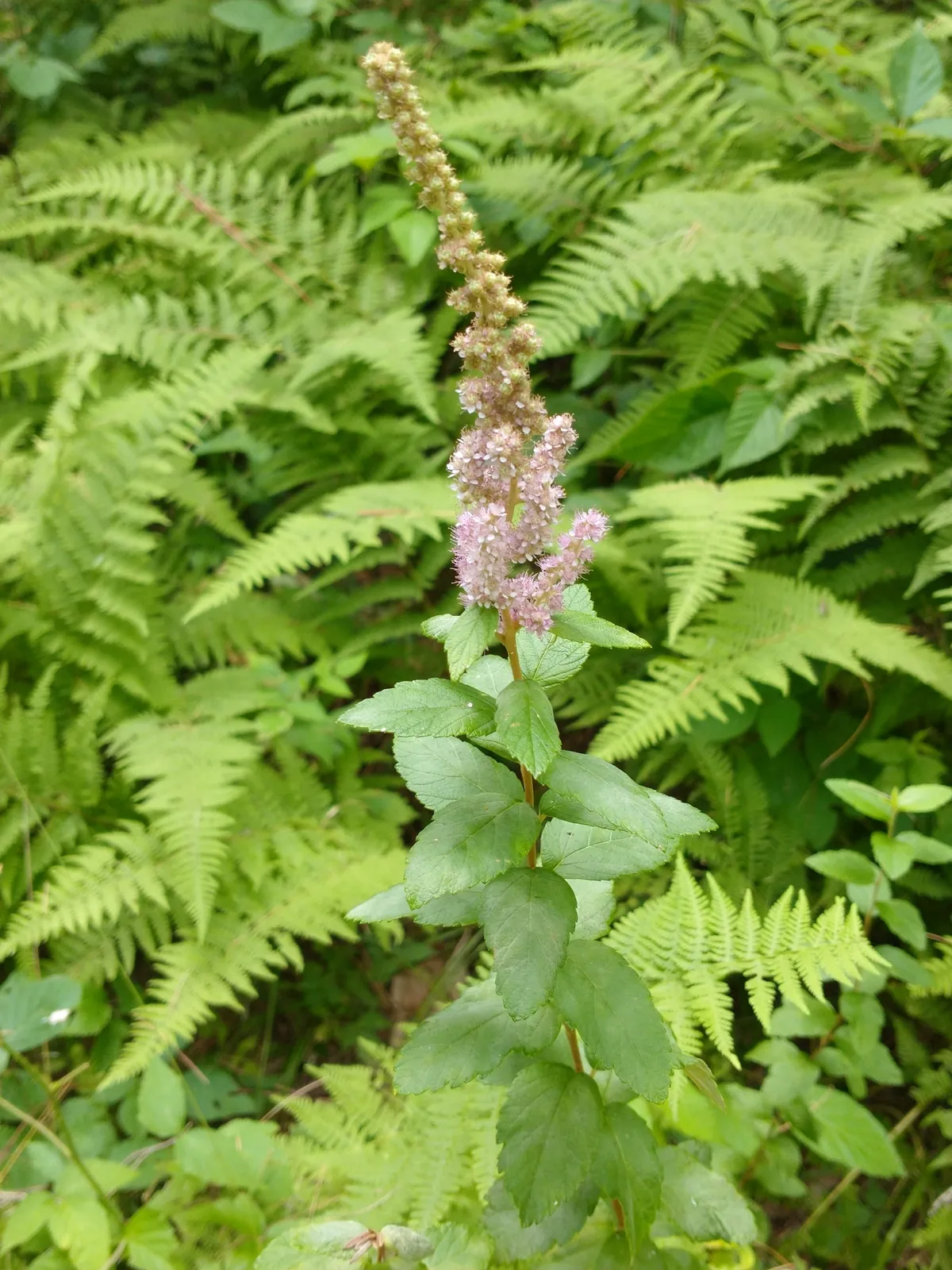
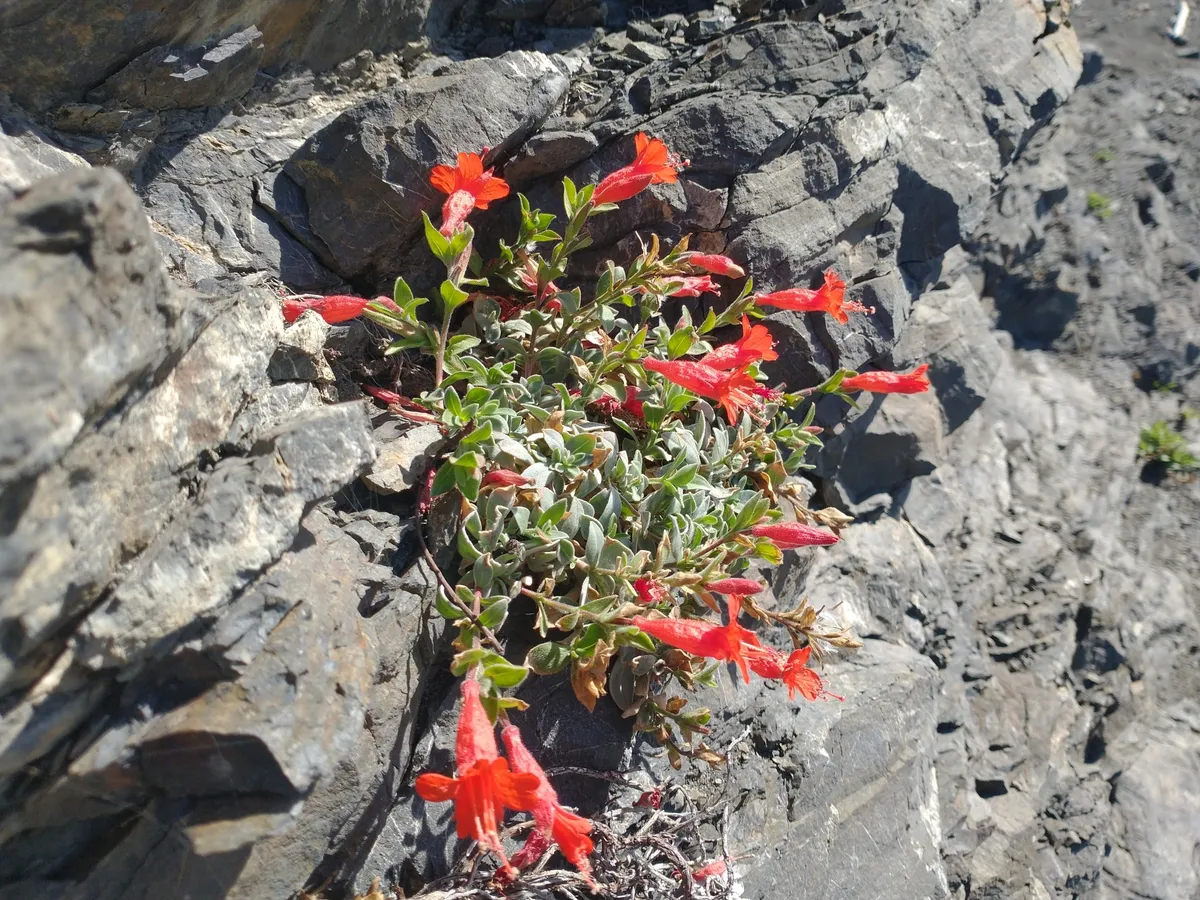
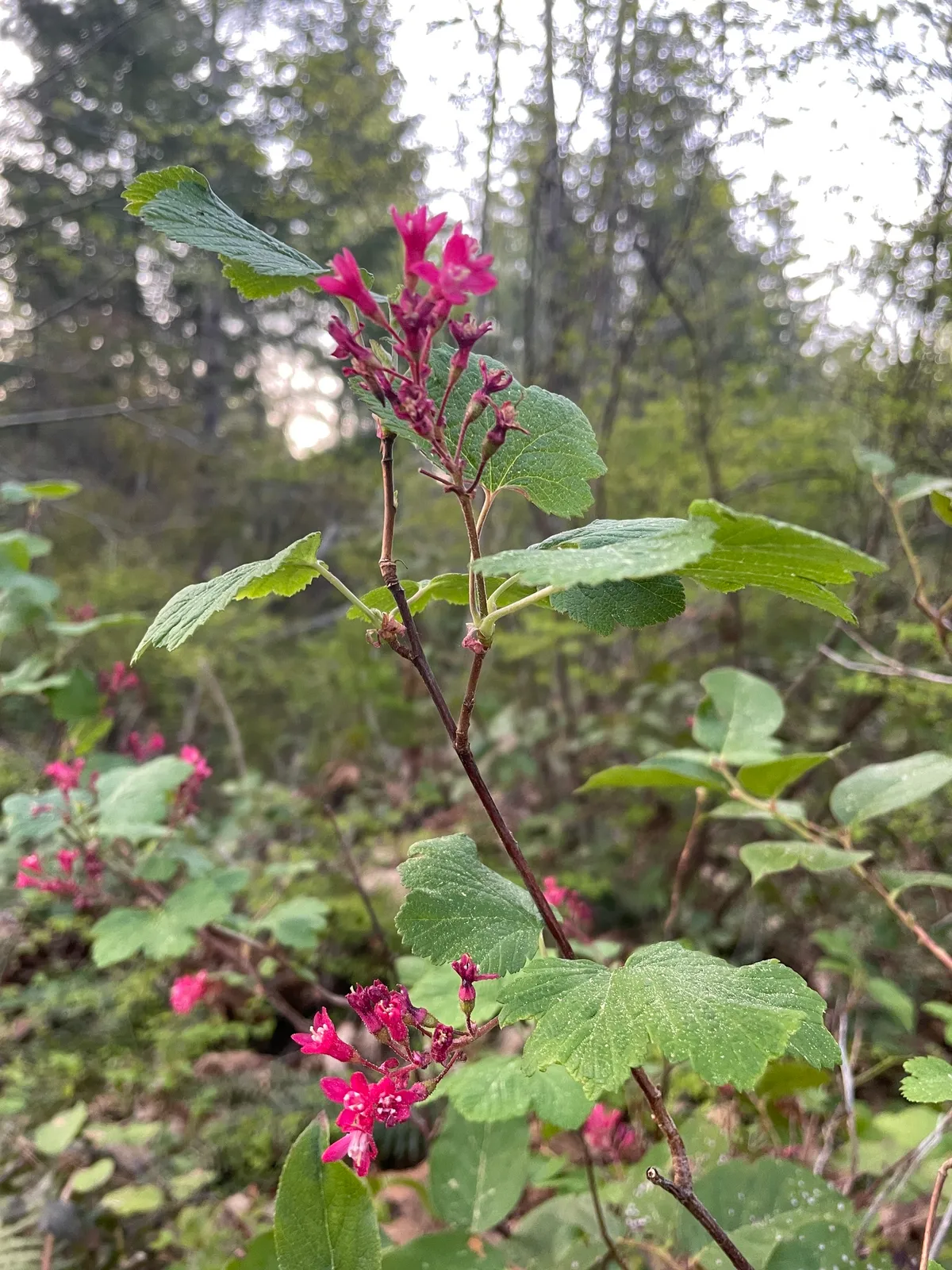
Barbados Cherry is not native to the United States. These natives fill a similar role in a planting, matched on bloom season, bloom color and mature size.
Before you buy
Your city may pay you to plant this
Cities and water utilities offer rebates for replacing lawn with native and water-wise plants. We track 460 programs across 44 states, each with a link to the provider and the date we last checked it.
Find rebates in your areaPicture natives in your own yard
Wondering what could grow where Barbados Cherry is now? Upload a photo of the spot and Patch Vision shows a rendering of it replanted with natives for your region.


Browse plants for this ecoregion
Barbados Cherry is a compact shrub that produces small pink flowers nearly year-round and edible red cherries rich in vitamin C. This semi-evergreen maintains its attractive appearance through most seasons and adapts well to Texas heat and humidity.
Growing Barbados Cherry
Grow Barbados Cherry in part sun and medium water. Mature plants reach 36 to 72 inches tall and spread 36 to 72 inches wide. Expect low maintenance to keep it looking intentional in a front yard.
How to care for Barbados Cherry, by region
How to care for Barbados Cherry where it is actually grown: year-round basics plus what to do each season, region by region, with the sources for each.
Care guidance last updated: October 2026
Edwards Plateau (includes San Antonio, TX)
Year-round
Barbados cherry is a slow-growing, frost-tender evergreen shrub with pink flowers and tart red fruit that birds and people can eat.
- Grow it in full sun or partial shade. It tolerates slightly alkaline, clay, sand, and loam soils.
- It is listed for USDA zones 9B through 11, so San Antonio freezes are a risk and a pot you can move is a good option.
- Drought tolerance is high once established.
- Expect 10 to 12 feet tall and 10 to 15 feet wide in the ground, growing slowly.
- It does not tolerate salt and does best in fertile, nematode-free soil.
It can be trained to multiple trunks as a small accent tree, which suits a front yard.
Fall
Fall is the time to plan for cold, because Barbados cherry is listed only for USDA zones 9B through 11.
- If it is in a pot, plan to move it to a protected spot before the first freeze.
- Flowers continue to October, so enjoy the last fruit.
- Drought tolerance is high, so ease off watering as days cool.
- The source gives no specific cold rating, so treat any frost as a risk.
Winter
Winter is the risky season for Barbados cherry in San Antonio, since it is only listed for zones 9B through 11.
- Keep a potted plant in a protected spot on freezing nights.
- For an in-ground plant, be ready to cover it before a freeze.
- The source gives no specific cold rating, so do not count on it surviving a hard freeze.
- It is evergreen, so green leaves in winter are normal.
Spring
Spring is when Barbados cherry starts flowering, and pests are worth a look as growth picks up.
- Pink flowers appear from April to October, with fruit about a month after flowering.
- Check leaves for whiteflies and scale, which are common pests.
- Plant bugs can deform the fruit, so watch developing fruit.
- Use fertile soil. The source does not give a feeding schedule.
Summer
Summer heat suits Barbados cherry, with flowers and tart red fruit through the season.
- Drought tolerance is high, so it handles dry spells once established.
- Flowers continue through October, and fruit follows about a month after flowering.
- Fruit is small, red, tart, and very high in vitamin C. Birds are attracted to it.
- Watch for scale and whiteflies.
Sources: UF/IFAS Extension: Malpighia glabra (Barbados cherry)
In an HOA neighborhood
Barbados Cherry takes more care to keep looking intentional in a front yard. Maintenance level: low. Consider it for backyard or mid-zone beds rather than the street edge.
Works well in: backyard only.
- Height exceeds typical HOA-friendly range
Wildlife value
The long blooming period provides nectar for butterflies from spring through fall. The small fruits also attract birds when they ripen.
Common questions
- When does Barbados cherry bloom?
- Malpighia glabra produces flowers over a long season, typically from March through November, with flushes of pink blooms appearing repeatedly rather than all at once.
- What pollinators visit Barbados cherry flowers?
- Butterflies are frequent visitors to the small pink flowers of Malpighia glabra, drawn by the nectar produced across its extended bloom period.
- How much sun and water does Barbados cherry need?
- This shrub does best in part sun and prefers medium moisture, though it can adjust to somewhat drier conditions once established.
- Does Barbados cherry keep its leaves year round?
- Yes, Malpighia glabra is evergreen, holding its foliage throughout the year in climates warm enough to support it.
- Is Barbados Cherry HOA-friendly?
- Barbados Cherry takes more care to look intentional in a front yard. Consider it for backyard or mid-zone beds rather than the street edge.
These answers were drafted with an AI model from this plant's data. Verify care details with a local expert.
Pollinator and host plant associations compiled from GBIF, iNaturalist, and published ecological literature.
If something looks wrong
Common plant problems, and what to check first
These come up on almost any plant. Each guide lists the likely causes in the order they are worth ruling out, with one thing to check before you act on any of them, and links to the source it came from.
- It is dying right after planting
- Leaves turning yellow
- Wilting even though I watered it
- Brown crispy leaf tips
- Bugs on the plant
Ready to grow Barbados Cherry? Add it to your garden in Pollinator Patch to track it and get season-by-season care guidance.