Black Samson
Echinacea angustifolia
Last reviewed: July 2026
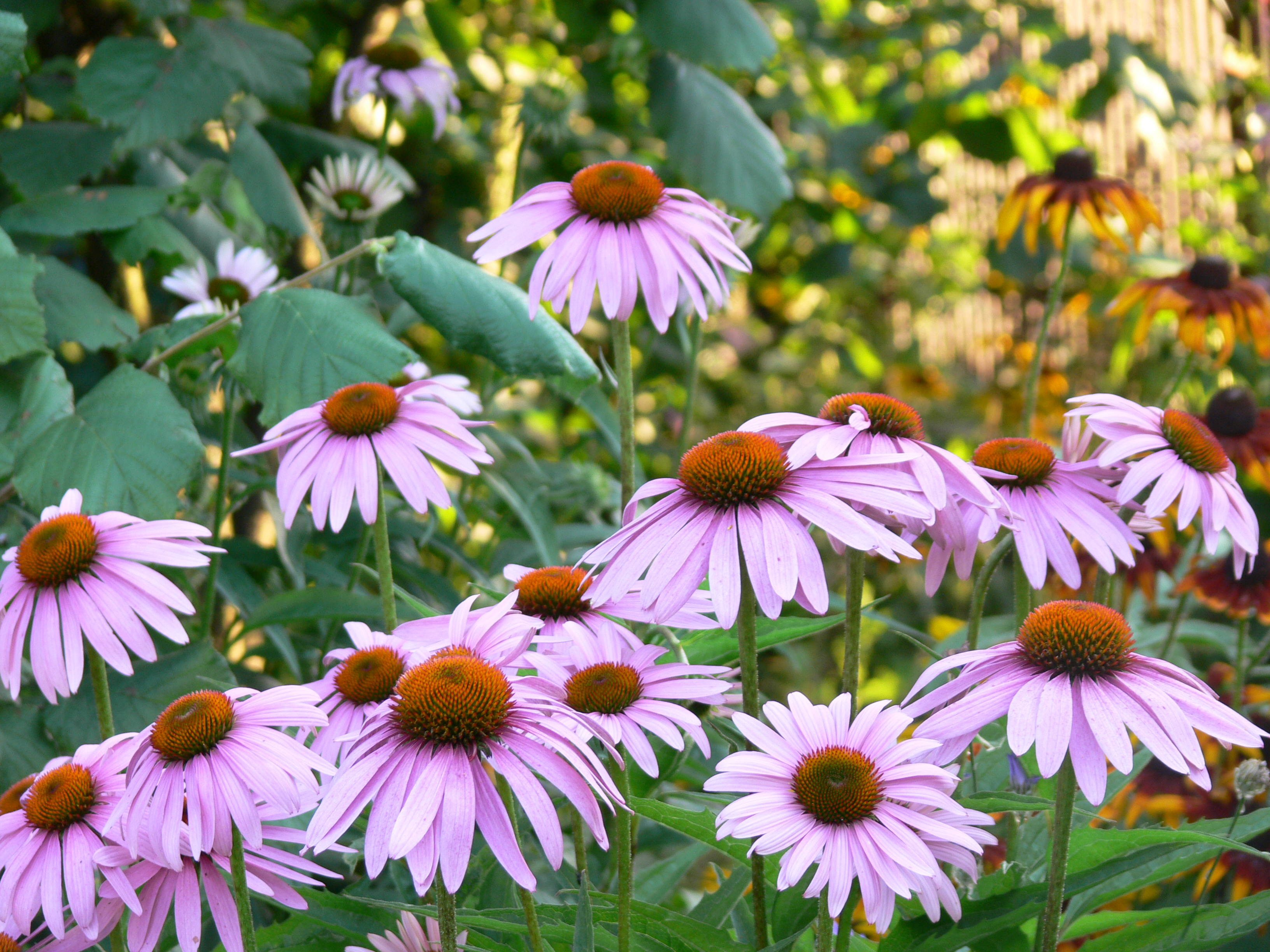
Echinacea angustifolia (Black Samson) is a drought-tolerant native wildflower blooming purple flowers from March through August across the Great Plains from Montana to Texas.
Light
full sun
Water
low
Size
18"–24" H × 9"–18" W
Bloom
Mar, Apr, May, Jun, Jul, Aug
Native to
CO, IA, KS, LA and 10 more states
Pollinators
butterflies, bees
Before you buy
Your city may pay you to plant this
Cities and water utilities offer rebates for replacing lawn with native and water-wise plants. We track 383 programs across 44 states, each with a link to the provider and the date we last checked it.
Find rebates in your areaBrowse plants for this ecoregion
Black Samson is a compact native coneflower that produces purple daisy-like blooms from spring through summer. This drought-tolerant perennial forms neat clumps and goes dormant in winter, returning each spring with fresh growth.
Growing Black Samson
Grow Black Samson in full sun and low water. Mature plants reach 18 to 24 inches tall and spread 9 to 18 inches wide. Expect low maintenance to keep it looking intentional in a front yard.
In an HOA neighborhood
Black Samson is an HOA-friendly choice. Maintenance level: low. Tidiness: 4 out of 5.
Works well in: front yard, foundation, street edge, mid zone.
Wildlife value
The flowers attract butterflies and native bees throughout the long blooming season. Seeds provide food for goldfinches and other birds in fall.
Common questions
- Where does Echinacea angustifolia naturally grow?
- Black Samson is native to the Great Plains and prairie regions, including Colorado, Iowa, Kansas, Louisiana, Minnesota, Missouri, Montana, North Dakota, Nebraska, New Mexico, Oklahoma, South Dakota, Texas, and Wyoming.
- When does Black Samson bloom?
- Echinacea angustifolia typically blooms from March through August, producing distinctive purple cone flowers that attract pollinators throughout the growing season.
- What pollinators visit Echinacea angustifolia?
- Black Samson attracts various native bees and butterflies, making it valuable for pollinator gardens and prairie restoration projects.
- What growing conditions does Black Samson prefer?
- This prairie native thrives in full sun and low water conditions, making it well-suited for xeriscaping and naturalized plantings in areas with dry summers.
- Is Black Samson HOA-friendly?
- Black Samson is generally an HOA-friendly choice in the right placement, with low maintenance.
Native range data from the USDA PLANTS Database and regional native plant society lists. Pollinator and host plant associations compiled from GBIF, iNaturalist, and published ecological literature.
Ready to grow Black Samson? Add it to your garden in Pollinator Patch to track it and get season-by-season care guidance.
Not sure where to start? Take the 2-minute yard quiz