Bull muhly
Muhlenbergia emersleyi
Last reviewed: September 2026
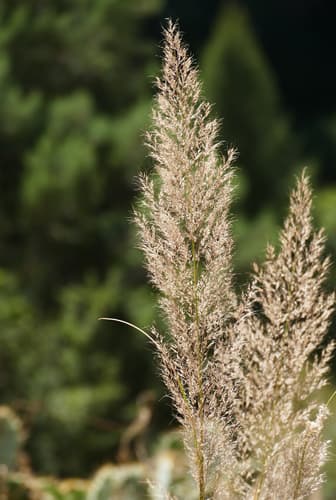
Bull muhly is a warm season bunch grass that produces airy purplish gray flower plumes from September through November. It thrives in full sun with low water once established, making it a good choice for dry, rocky slopes and desert gardens.
Toxicity unknown
Bull muhly (Muhlenbergia emersleyi) is not listed by the ASPCA Animal Poison Control Center (opens in new tab) or the other sources we check, so we have no verdict for it either way. Absence from those lists is not a clearance. If your pet shows symptoms after eating any plant, call the ASPCA at (888) 426-4435.
Light
full sun
Water
low
Size
24"–36" H × 24"–36" W
Bloom
Sep, Oct, Nov
Native to
AZ, NM, TX
Before you buy
Your city may pay you to plant this
Cities and water utilities offer rebates for replacing lawn with native and water-wise plants. We track 459 programs across 44 states, each with a link to the provider and the date we last checked it.
Find rebates in your areaPicture natives in your own yard
Upload a photo of your yard and Patch Vision shows a rendering of it planted with natives for your region, like Bull muhly.


Browse plants for this ecoregion
A clumping ornamental grass with narrow, arching blue-green blades that form a rounded mound of foliage. Sends up airy, pink-tinged flower plumes well above the foliage in fall, adding seasonal color and movement to the landscape. Foliage fades to warm tan tones through the cooler months.
Growing Bull muhly
Grow Bull muhly in full sun and low water. Mature plants reach 24 to 36 inches tall and spread 24 to 36 inches wide. Expect low maintenance to keep it looking intentional in a front yard.
How to care for Bull muhly, by region
How to care for Bull muhly where it is actually grown: year-round basics plus what to do each season, region by region, with the sources for each.
Care guidance last updated: July 2026
Cross Timbers (includes Fort Worth, TX)
Year-round
Bull muhly is a low-water bunchgrass that forms tidy, fine-textured clumps and needs very little upkeep once it's established in the yard.
- Plant in full sun to light shade in well-drained soil; it tolerates sandy, loamy, and clay soils alike.
- Space clumps 2 to 3 feet apart since mature foliage mounds run 2 to 3 feet wide, with flower stalks rising taller.
- Water deeply once or twice a week through the first growing season, then rely on rainfall once established.
- Skip fertilizer; rich soil makes the clump splay open instead of standing upright.
- Rake out dead stalks by hand in late winter instead of shearing the whole clump every year to keep it looking fuller across the seasons.
Fall
Fall is bull muhly's showiest season, when narrow purple flower plumes rise above the foliage from around September through November.
- Expect the flower spikes to open purple and gradually fade to tan as the seed matures.
- Leave the plumes standing through the bloom window; do not trim while it's flowering.
- Cooler fall weather is also a good time to divide a crowded clump if the center has thinned out.
- Cut back watering as temperatures drop and fall rain becomes more reliable.
The purple fall plumes read as an intentional ornamental grass display, a good season to let the seed heads stand instead of trimming them back.
Winter
Bull muhly holds much of its foliage through mild North Texas winters, with the standing stalks and seed heads providing texture until a late winter cleanup.
- Leave the seed heads and foliage standing through winter for winter interest and to help protect the crown from cold snaps.
- Wait until late winter (around February) to rake out dead stalks by hand rather than shearing right after a freeze.
- No winter watering is needed except during an extended dry spell.
- A hard Arctic freeze can brown the foliage; that's normal, and the plant typically resprouts from the base in spring.
Standing brown winter foliage can look untidy from the street; if that's a concern, do one clean late-winter rake-out rather than repeated piecemeal trims.
Spring
Spring is when bull muhly pushes fresh gray green blades after winter dormancy, and it's the best season to get new plants established before summer heat arrives.
- If you didn't rake out dead stalks in late winter, do it now before new blades fill in, using a lawn rake rather than shearing the whole clump.
- Plant new bull muhly in spring so roots have time to establish before 100 degree days hit.
- In heavy black clay, plant high on a slight mound or amend the hole for drainage; in the sandier soils west of the metro, it will need water more often through its first summer.
- Water new plantings about twice a week until you see steady new growth, then start tapering off.
A spring rake-out instead of a hard shear keeps the clump looking maintained rather than freshly hacked at the curb.
Summer
Once established, bull muhly shrugs off North Texas summer heat and dry spells with little help, which is its main selling point in a front yard.
- Established clumps (in the ground over a year) rarely need extra water except during extended stretches without rain in July and August.
- First-summer plantings still need a deep soak about once a week during 100 degree stretches to keep roots developing.
- Do not overwater; soggy summer soil is the most common way to lose this grass.
- Leave the foliage alone through summer; no trimming or deadheading is needed before the fall bloom.
Sources: Lady Bird Johnson Wildflower Center: Muhlenbergia emersleyi, Lady Bird Johnson Wildflower Center: trimming native muhly grasses
Texas Blackland Prairies (includes Dallas, TX)
Year-round
Bull muhly is a low-water bunchgrass that forms tidy, fine-textured clumps and needs very little upkeep once it's established in the yard.
- Plant in full sun to light shade in well-drained soil; it tolerates sandy, loamy, and clay soils alike.
- Space clumps 2 to 3 feet apart since mature foliage mounds run 2 to 3 feet wide, with flower stalks rising taller.
- Water deeply once or twice a week through the first growing season, then rely on rainfall once established.
- Skip fertilizer; rich soil makes the clump splay open instead of standing upright.
- Rake out dead stalks by hand in late winter instead of shearing the whole clump every year to keep it looking fuller across the seasons.
Fall
Fall is bull muhly's showiest season, when narrow purple flower plumes rise above the foliage from around September through November.
- Expect the flower spikes to open purple and gradually fade to tan as the seed matures.
- Leave the plumes standing through the bloom window; do not trim while it's flowering.
- Cooler fall weather is also a good time to divide a crowded clump if the center has thinned out.
- Cut back watering as temperatures drop and fall rain becomes more reliable.
The purple fall plumes read as an intentional ornamental grass display, a good season to let the seed heads stand instead of trimming them back.
Winter
Bull muhly holds much of its foliage through mild North Texas winters, with the standing stalks and seed heads providing texture until a late winter cleanup.
- Leave the seed heads and foliage standing through winter for winter interest and to help protect the crown from cold snaps.
- Wait until late winter (around February) to rake out dead stalks by hand rather than shearing right after a freeze.
- No winter watering is needed except during an extended dry spell.
- A hard Arctic freeze can brown the foliage; that's normal, and the plant typically resprouts from the base in spring.
Standing brown winter foliage can look untidy from the street; if that's a concern, do one clean late-winter rake-out rather than repeated piecemeal trims.
Spring
Spring is when bull muhly pushes fresh gray green blades after winter dormancy, and it's the best season to get new plants established before summer heat arrives.
- If you didn't rake out dead stalks in late winter, do it now before new blades fill in, using a lawn rake rather than shearing the whole clump.
- Plant new bull muhly in spring so roots have time to establish before 100 degree days hit.
- In heavy black clay, plant high on a slight mound or amend the hole for drainage; in the sandier soils west of the metro, it will need water more often through its first summer.
- Water new plantings about twice a week until you see steady new growth, then start tapering off.
A spring rake-out instead of a hard shear keeps the clump looking maintained rather than freshly hacked at the curb.
Summer
Once established, bull muhly shrugs off North Texas summer heat and dry spells with little help, which is its main selling point in a front yard.
- Established clumps (in the ground over a year) rarely need extra water except during extended stretches without rain in July and August.
- First-summer plantings still need a deep soak about once a week during 100 degree stretches to keep roots developing.
- Do not overwater; soggy summer soil is the most common way to lose this grass.
- Leave the foliage alone through summer; no trimming or deadheading is needed before the fall bloom.
Sources: Lady Bird Johnson Wildflower Center: Muhlenbergia emersleyi, Lady Bird Johnson Wildflower Center: trimming native muhly grasses
In an HOA neighborhood
Bull muhly is an HOA-friendly choice. Maintenance level: low. Tidiness: 4 out of 5.
Works well in: front yard, foundation, street edge, mid zone.
Wildlife value
Fall seed plumes provide forage for birds, and the dense clumping habit offers shelter for small wildlife.
Common questions
- How much sun does Bull muhly need?
- Bull muhly grows best in full sun, though it can tolerate some light afternoon shade in hotter climates.
- How much water does Bull muhly require?
- Once established, Bull muhly is drought tolerant and does well with low water, but it also handles occasional deeper watering during long dry spells.
- When does Bull muhly bloom?
- Bull muhly typically flowers from September into November, sending up feathery seed heads that catch the light in late season gardens.
- Is Bull muhly evergreen?
- Bull muhly is semi-evergreen, keeping some green to gray-green foliage through mild winters and dying back further in colder conditions.
- Is Bull muhly HOA-friendly?
- Bull muhly is generally an HOA-friendly choice in the right placement, with low maintenance.
These answers were drafted with an AI model from this plant's data. Verify care details with a local expert.
Native range data from vouchered herbarium specimen records and regional native plant society lists. Pollinator and host plant associations compiled from GBIF, iNaturalist, and published ecological literature.
If something looks wrong
Common plant problems, and what to check first
These come up on almost any plant. Each guide lists the likely causes in the order they are worth ruling out, with one thing to check before you act on any of them, and links to the source it came from.
- It is dying right after planting
- Leaves turning yellow
- Wilting even though I watered it
- Brown crispy leaf tips
- Bugs on the plant
Ready to grow Bull muhly? Add it to your garden in Pollinator Patch to track it and get season-by-season care guidance.