Crape Myrtle
Lagerstroemia indica
Last reviewed: September 2026
Crape Myrtle (Lagerstroemia indica) is a perennial tree. It blooms in June, July, August, and September.
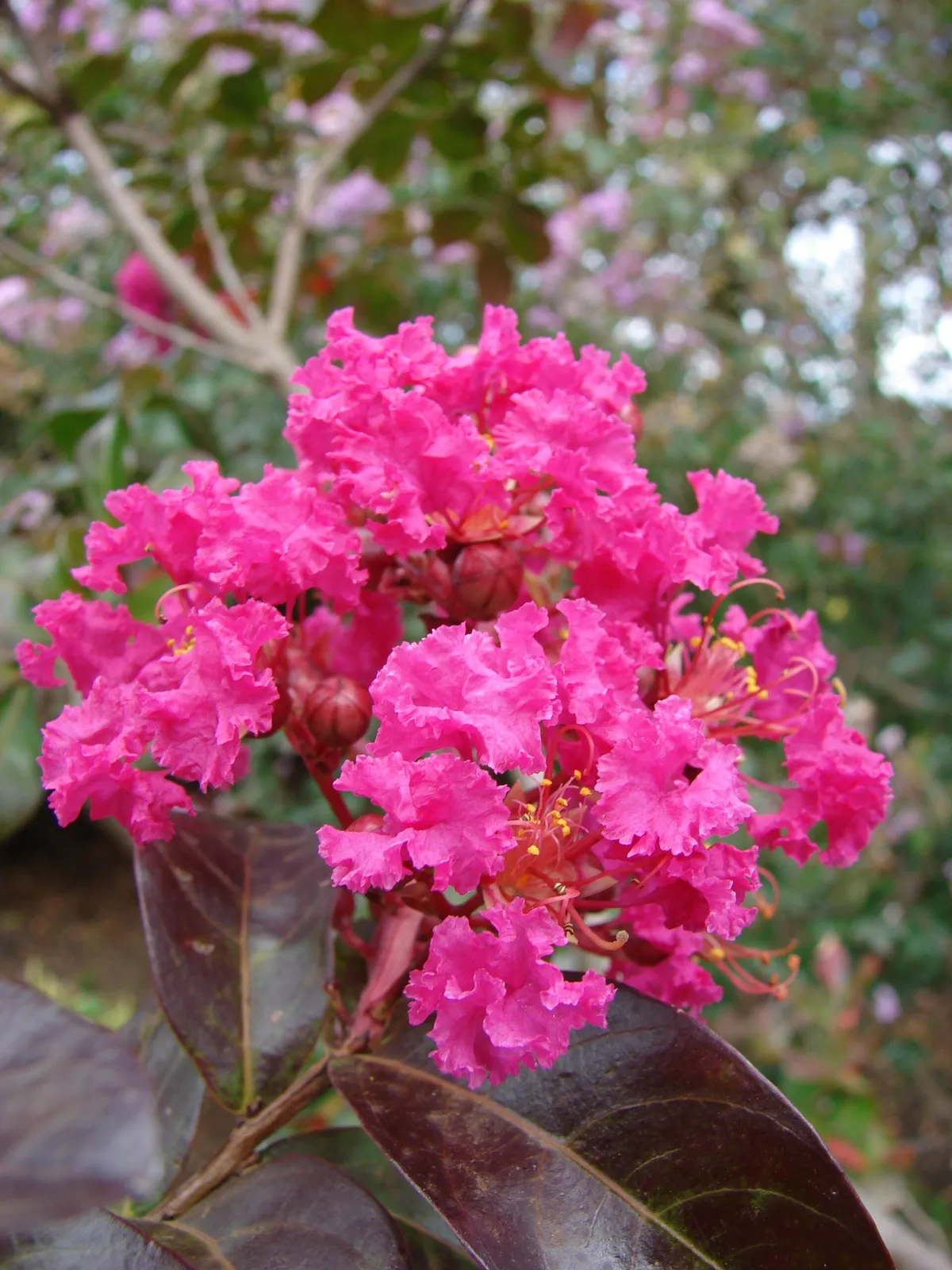
Crape Myrtle (Lagerstroemia indica) is not on the ASPCA Animal Poison Control Center toxic plant list for dogs or cats (aspca.org (opens in new tab), last reviewed 2026-08-15). If your pet shows symptoms after eating any plant, call the ASPCA at (888) 426-4435.
Light
full sun
Water
low
Size
96"–300" H × 72"–180" W
Bloom
Jun, Jul, Aug, Sep
Native alternatives to Crape Myrtle
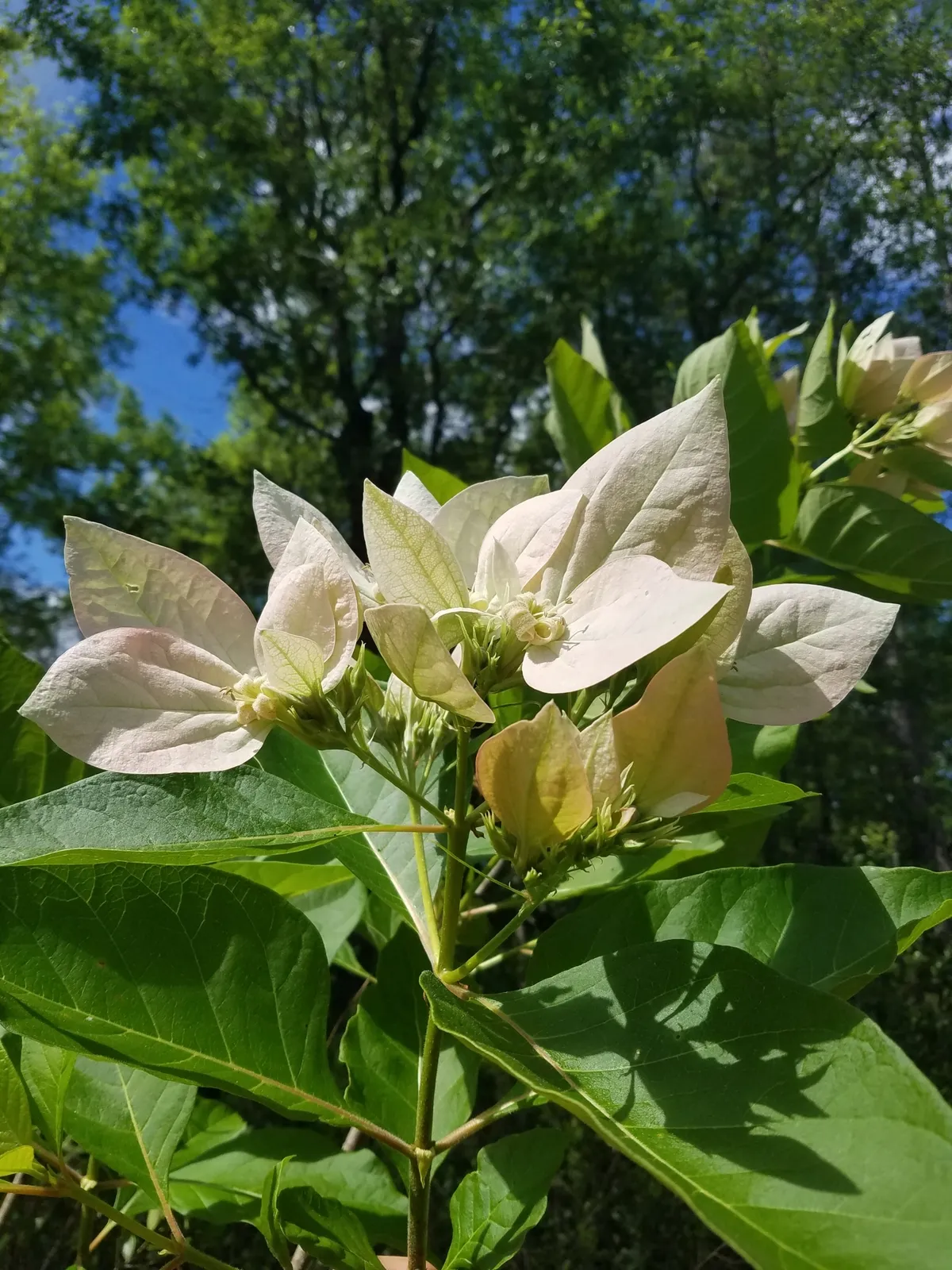
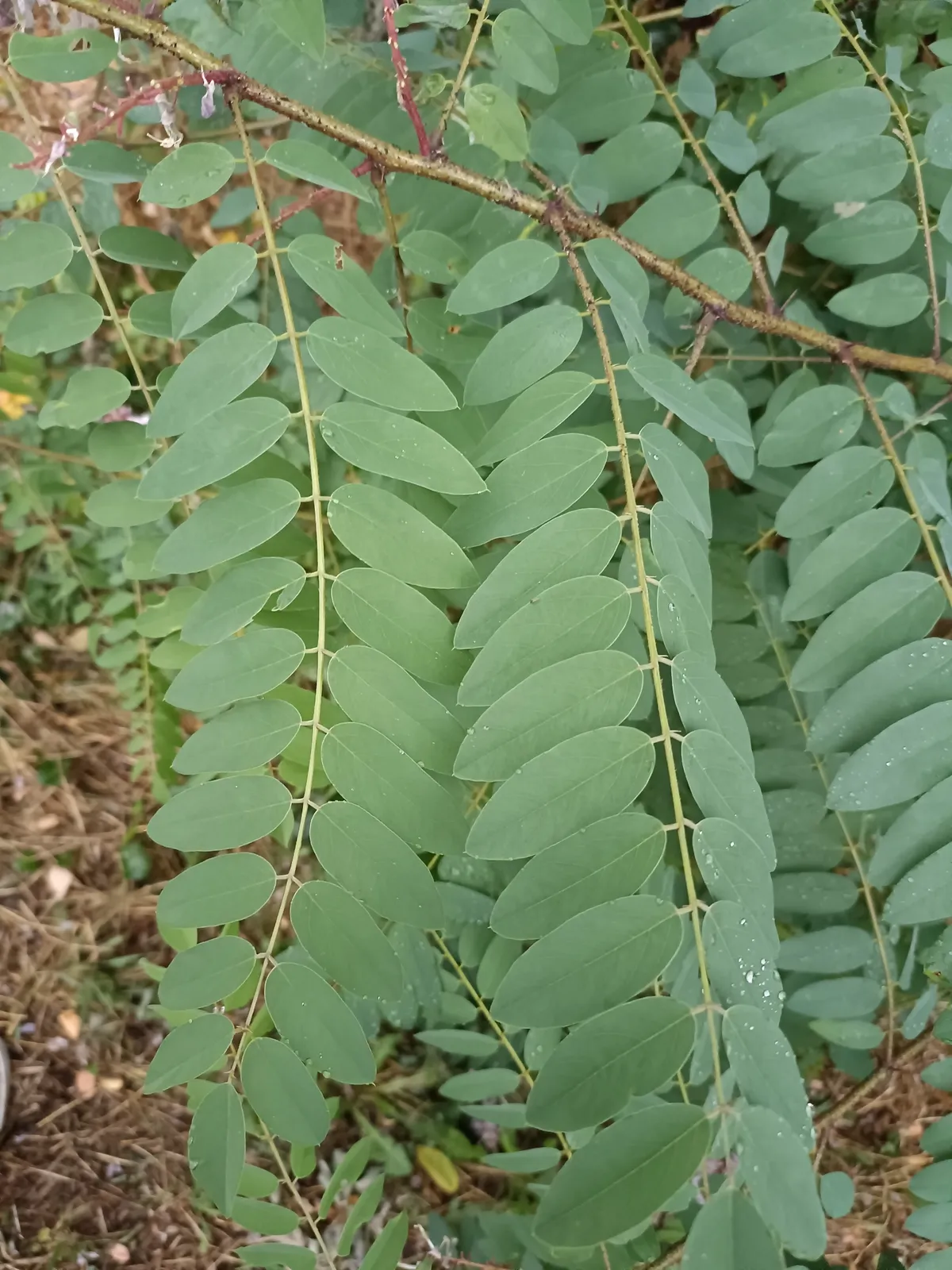
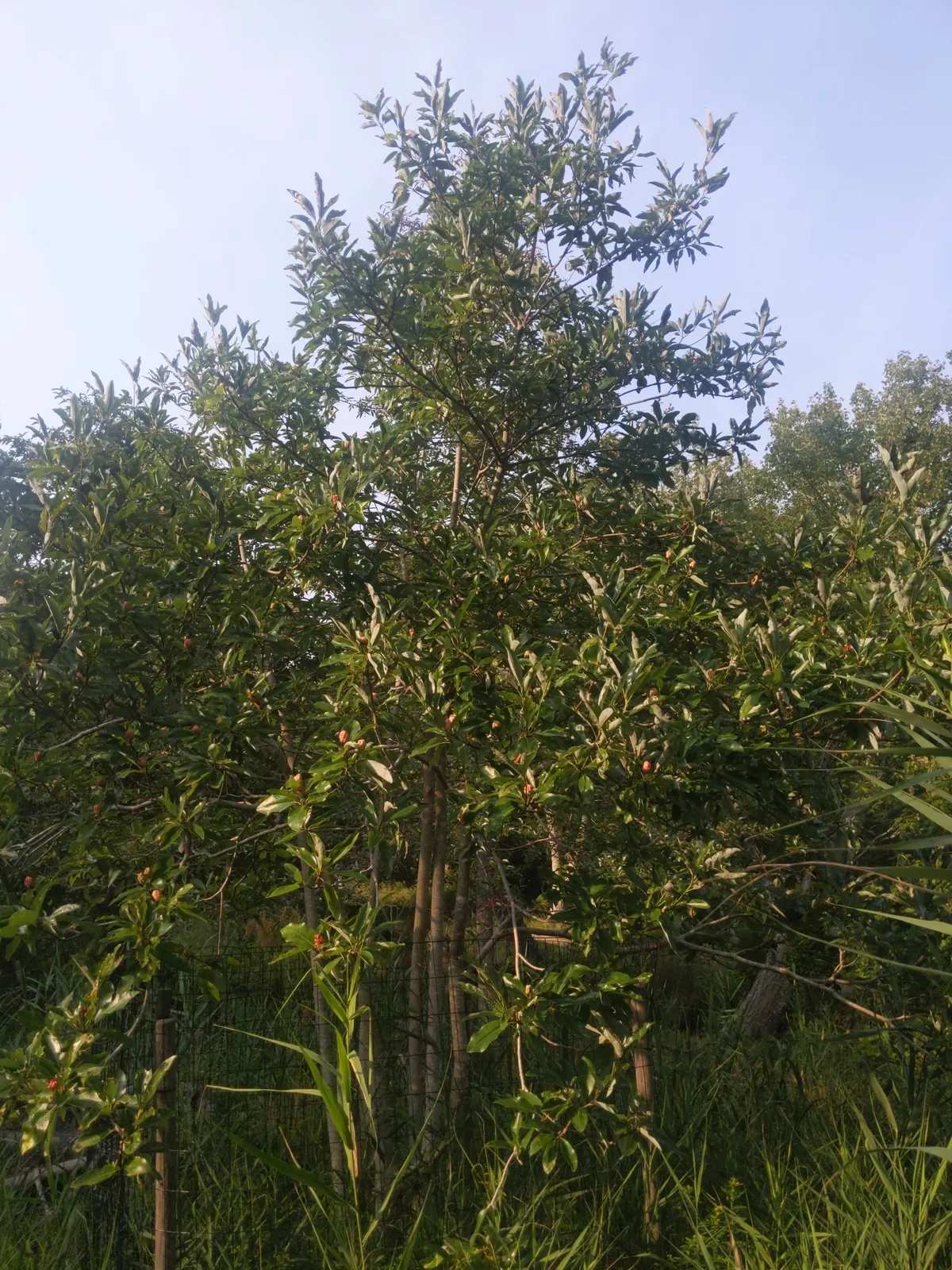
Crape Myrtle is not native to the United States. These natives fill a similar role in a planting, matched on bloom season, bloom color and mature size.
Before you buy
Your city may pay you to plant this
Cities and water utilities offer rebates for replacing lawn with native and water-wise plants. We track 458 programs across 44 states, each with a link to the provider and the date we last checked it.
Find rebates in your areaA deciduous small tree or large shrub with smooth peeling bark, a long summer bloom, and orange to red fall color. It flowers on new wood. Cutting the main trunks back hard every year, sometimes called crape murder, ruins the natural form and is not needed.
Growing Crape Myrtle
Grow Crape Myrtle in full sun and low water. Mature plants reach 96 to 300 inches tall and spread 72 to 180 inches wide. Expect low maintenance to keep it looking intentional in a front yard.
How to care for Crape Myrtle, by region
How to care for Crape Myrtle where it is actually grown: year-round basics plus what to do each season, region by region, with the sources for each.
Care guidance last updated: September 2026
Texas Blackland Prairies (includes Dallas, TX)
Year-round
Crape myrtle is not native but it is one of the most widely planted trees in Dallas yards for a reason. It is easygoing once established, blooms all summer, and mostly just needs full sun, a little patience while it settles in, and pruning left alone.
- Give it a spot with at least six hours of direct sun a day. That is what gets you the best bloom, shade cuts flowering way down and makes leaf problems more likely.
- Water new trees deeply and often through their first year or two. Once it is established, it handles dry spells on its own.
- Skip the hard "topping" cut a lot of yards get every winter. Extension offices call this crape murder, it delays blooms and leaves ugly stubs and weak new growth.
- Check the trunk and branch crotches now and then for a small white, waxy scale insect. It is a known problem on crape myrtles in the Dallas area.
Fall
Blooming winds down through fall as a Dallas crape myrtle starts heading into dormancy. Ease off watering and let it shut down on its own.
- Cut back on watering as the weather cools and blooms fade. The tree needs less once it is heading into dormancy.
- Let the leaves change color and drop on their own. Crape myrtle is deciduous here, and bare branches over winter are normal, not a problem.
- It is fine to leave spent seed pods and old flower clusters on the tree over fall if you like the look. They are not hurting it.
- Hold off on pruning until deep winter. Cutting too early can push new growth that will not have time to harden off before a cold snap.
Winter
Dallas winters are mild, so a crape myrtle stays mostly dormant with maybe one hard freeze to plan around. This is the one real pruning window of the year.
- Do the year's real pruning now, before spring growth starts. Just remove suckers at the base and any branches that are dead, crossing, or rubbing.
- Do not cut the canopy back to stubs or "knuckles." Extension offices call this crape murder, it delays blooms and leaves weak new growth right at the cut.
- Skip winter watering most years since the tree is dormant and Dallas winters are mild. Water only through a long stretch with no rain.
- If the tree has outgrown its spot, the better fix is replacing it with a smaller variety next season rather than topping it down to size.
Pruning back only to remove suckers and crossed limbs, and skipping the hard "topping" cut known as crape murder, keeps a street-side crape myrtle looking intentional and HOA-friendly.
Spring
Spring is when Dallas crape myrtles leaf out fast and start getting ready for their summer bloom. The main jobs now are restarting a regular watering routine and watching the new leaves for early trouble.
- Start watering deeply and regularly again as new leaves come in, especially if the tree went into the ground in the last year or two.
- Give it full sun if you can. Crape myrtles in shade or part shade bloom less and tend to have more leaf problems.
- Watch new leaves for a grayish white coating. That usually means powdery mildew, and it tends to show up on crape myrtle leaves in spring.
- If you still need to prune, do it now before leaves get too far along, not later in spring once the tree has fully leafed out.
Summer
Summer is peak bloom time and peak heat for a Dallas crape myrtle. Watering and keeping an eye on the bark for scale insects are the main jobs.
- Water deeply during hot, dry stretches, especially for a tree still in its first couple of summers. An established crape myrtle handles Dallas heat fine on its own most years.
- Check the trunk and branch crotches for a small white, waxy scale insect that looks a bit like bits of popcorn. It was first noticed in the Dallas area and is a known problem on crape myrtles here.
- A black, sooty coating on the bark or leaves is mold growing on the sticky residue those scale insects leave behind, not a separate disease of its own.
- If a heavy scale infestation needs treatment, wait until the tree is done blooming. Those treatments can harm bees while the flowers are open.
Sources: Texas A&M AgriLife Extension, Williamson County - Crape Murder, Texas A&M AgriLife Extension Master Gardeners, McLennan County - Queen of the South: The Crape Myrtle, Texas A&M AgriLife Extension, Dallas County - Treating Crape Myrtle Scale, Texas A&M AgriLife Extension - Powdery Mildew on Crape Myrtles
Willamette Valley (includes Portland, OR)
Year-round
Crape myrtle is a heat loving summer bloomer that comes from China and Korea, not from Oregon, and Portland's cooler summers sit right at the edge of what it needs to bloom well.
- Give it the sunniest, hottest spot you have, ideally against a south facing wall or near pavement, because it will not flower well in shade or a cool corner of the yard.
- Portland's Willamette Valley summers run milder than the Deep South climate crape myrtle usually thrives in, so how hot June and July get is what decides whether it's a big bloom year or a quiet one.
- It is not on the ASPCA's toxic plant list for dogs, cats, or horses, which makes it a reasonable choice for yards with pets, though eating a large amount of any plant can still cause an upset stomach.
- It is not native to Oregon. It comes from China and Korea and has naturalized in parts of the US as an ornamental, so plant it for the flowers and bark rather than for wildlife habitat value.
Fall
Fall is when the flower show winds down in Portland and the tree's peeling bark becomes the real reason to have it.
- Let the last flowers fade and drop on their own. Deadheading this late in the season does not change next year's bloom.
- Leaves often turn orange to red before they drop, and once the tree is bare you can see the peeling, mottled bark that the City of Portland's own heritage tree listing calls out as a standout feature.
- Portland's average first fall frost lands as early as November 6 near the airport and closer to late November downtown, so stop fertilizing by late summer so the tree is not pushing tender new growth into that first cold snap.
- Small round seed pods form after the flowers fade and hang on through winter. They are not a problem, just leave them unless you want a completely bare look.
A normal fall cleanup, raking up fallen leaves and spent flower clusters under the tree, keeps the front yard looking tended as the show winds down.
Winter
Portland winters are mild enough that an established crape myrtle usually just sits dormant with no special protection needed, and it is a fine time to shape the tree if needed.
- Crape myrtle is generally winter hardy from USDA zone 6a through 9b, and the Portland metro area falls in zone 8b to 9a, so an established tree here normally does not need any winter protection from cold.
- If the tree needs shaping, late winter while it is still fully dormant and before new growth starts is the right window, not summer or fall.
- Skip hard topping cuts, sometimes called crape murder. Clemson Extension notes that severe pruning ruins the plant's natural, graceful branching, and picking a smaller growing variety is a better fix than cutting a big one down hard every year.
- The peeling, mottled bark is the main winter interest on a bare tree, so this is a good time to look at the trunk and decide if it actually needs any structural pruning or is best left alone.
Shaping the tree while it's bare in late winter keeps its structure looking neat for when neighbors start noticing yards again in spring.
Spring
Spring in Portland is about feeding lightly, watching for mildew, and holding off on hard cuts.
- Apply a light dose of a complete fertilizer once new growth starts. Skip heavy nitrogen, since it pushes soft growth and can actually reduce blooming later in the season.
- Watch new leaves for powdery mildew's white coating, which shows up most in cool damp spring weather. A full sun spot with good airflow around the plant is the best prevention.
- If you planted the tree in the last year or two, keep the root zone evenly moist through spring. Portland's dry season starts around June, and young trees need that head start before the rain stops.
- Hold off on hard pruning once new growth has started in spring. If the tree needs shaping, late winter while it is still dormant is the better window.
Summer
Summer is bloom season here, and steady heat plus regular water are what actually get crape myrtle flowering in Portland.
- Water deeply about once a week through the blooming months. A Portland area nursery that specializes in this plant notes that without irrigation, crape myrtle in our climate stalls and stops blooming.
- Expect flowers to open anywhere from early July into August depending on how hot June ran. A cool June pushes bloom later, and an unusually mild summer can mean a lighter show overall.
- Snipping off spent flower clusters can bring on a smaller second flush later in summer, and it keeps the tree looking tidier from the street while it's the season's main show plant.
- Watch for a black coating on leaves called sooty mold, which grows on the sticky honeydew aphids leave behind. Washing it off and getting the aphids under control clears it up.
Deadheading through peak bloom keeps the tree looking tended from the curb during its showiest season.
Sources: ASPCA - Lagerstroemia Indica toxicity (non-toxic to dogs, cats, horses), City of Portland Heritage Trees - Lagerstroemia indica (native to China and Korea), Xera Plants - Crape Myrtles (Lagerstroemia) in the Portland climate, Clemson HGIC - Crape Myrtle factsheet (sooty mold, aphids), NC State Extension Gardener Plant Toolbox - Lagerstroemia indica (USDA hardiness zones 6a-9b), Portland Nursery - Average Frost Dates (Portland Airport vs downtown)
In an HOA neighborhood
Crape Myrtle is an HOA-friendly choice. Maintenance level: low. Tidiness: 4 out of 5.
Works well in: front yard, foundation bed, border.
Wildlife value
Flowers offer nectar that generalist visitors will use, but as a non-native it feeds no local caterpillars. Treat it as garden interest rather than habitat.
Common questions
- How much sun does Crape Myrtle need?
- Crape Myrtle grows best in full sun conditions.
- When does Crape Myrtle bloom?
- Crape Myrtle blooms in June, July, August, and September.
- Is Crape Myrtle toxic to dogs?
- Crape Myrtle is not on the ASPCA Animal Poison Control Center toxic plant list for dogs (aspca.org).
- Is Crape Myrtle toxic to cats?
- Crape Myrtle is not on the ASPCA Animal Poison Control Center toxic plant list for cats (aspca.org).
- Is Crape Myrtle HOA-friendly?
- Crape Myrtle is generally an HOA-friendly choice in the right placement, with low maintenance.
Pollinator and host plant associations compiled from GBIF, iNaturalist, and published ecological literature.
If something looks wrong
Common plant problems, and what to check first
These come up on almost any plant. Each guide lists the likely causes in the order they are worth ruling out, with one thing to check before you act on any of them, and links to the source it came from.
- It is dying right after planting
- Leaves turning yellow
- Wilting even though I watered it
- Brown crispy leaf tips
- Bugs on the plant
Ready to grow Crape Myrtle? Add it to your garden in Pollinator Patch to track it and get season-by-season care guidance.