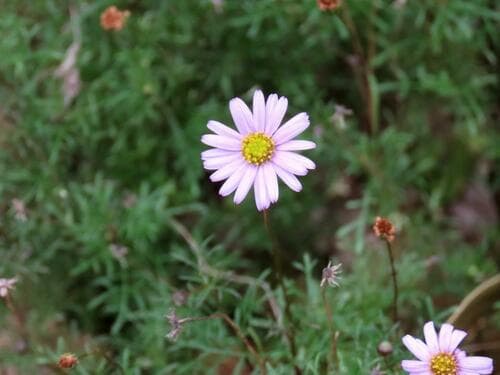
Cut-leaf daisy
Brachyscome multifida
Last reviewed: September 2026
Toxicity unknown
Cut-leaf daisy (Brachyscome multifida) is not listed by the ASPCA Animal Poison Control Center (opens in new tab) or the other sources we check, so we have no verdict for it either way. Absence from those lists is not a clearance. If your pet shows symptoms after eating any plant, call the ASPCA at (888) 426-4435.
Light
full sun
Water
medium
Size
6"–12" H × 12"–24" W
Bloom
Apr, May, Jun, Jul, Aug, Sep, Oct
Pollinators
bees, butterflies
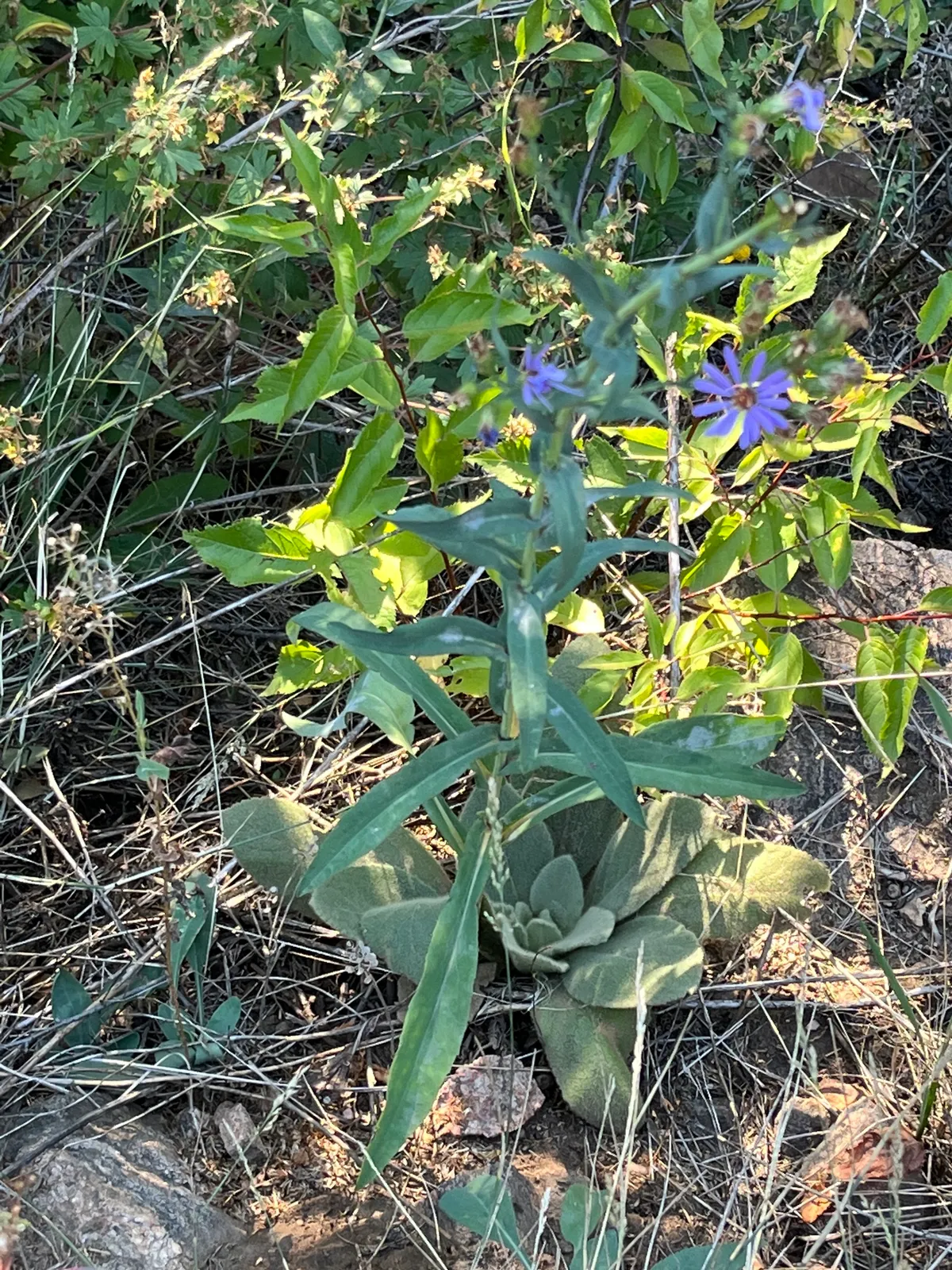
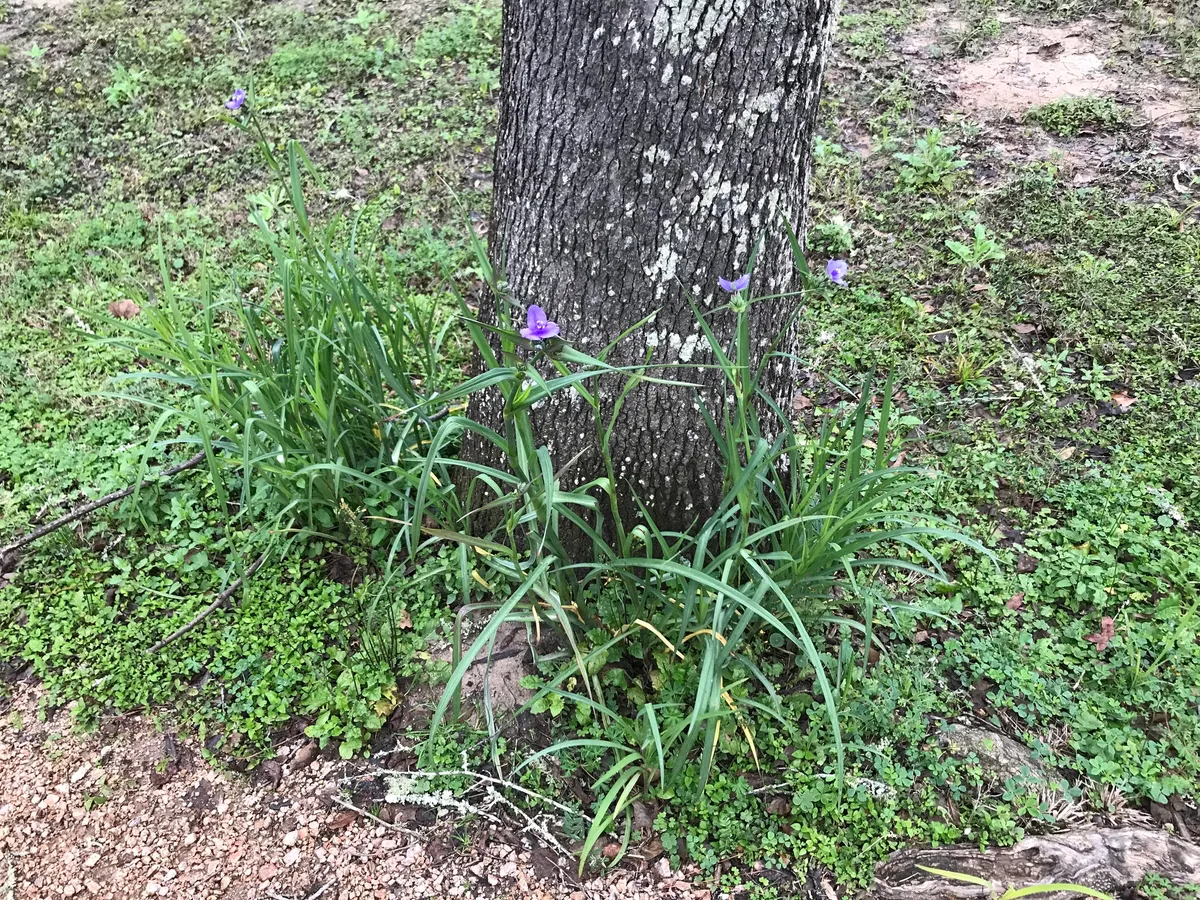
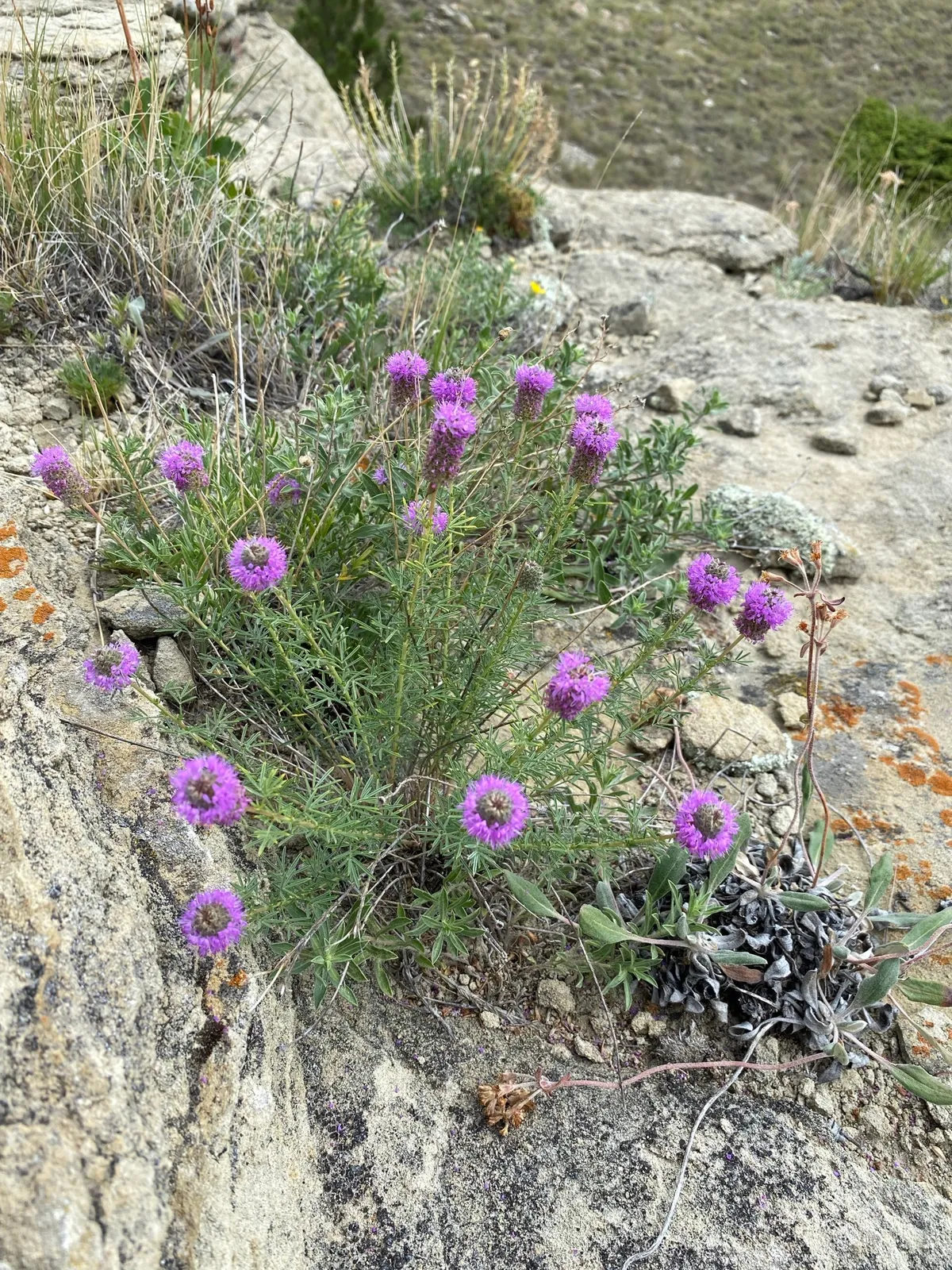
Native alternatives to Cut-leaf daisy
Cut-leaf daisy is not native to the United States. These natives fill a similar role in a planting, matched on bloom season, bloom color and mature size.
Before you buy
Your city may pay you to plant this
Cities and water utilities offer rebates for replacing lawn with native and water-wise plants. We track 458 programs across 44 states, each with a link to the provider and the date we last checked it.
Find rebates in your areaA low, mounding perennial with finely divided, ferny foliage and small daisy-like flowers produced over a long season. Grown as a compact border edging or container plant for its tidy habit and extended bloom time.
How to care for Cut-leaf daisy, by region
How to care for Cut-leaf daisy where it is actually grown: year-round basics plus what to do each season, region by region, with the sources for each.
Care guidance last updated: September 2026
Central California Foothills and Coastal Mountains (includes San Francisco, CA)
Year-round
Cut-leaf daisy is a low, spreading groundcover native to the temperate parts of southern Queensland, New South Wales, and Victoria in eastern Australia, not to California, so around San Francisco it is a garden ornamental rather than a naturalized plant. It forms dense mounds of fine, lacy foliage 12 to 18 inches tall and wide, topped with small purple to mauve daisy flowers.
- Native to the temperate parts of southern Queensland, New South Wales, and Victoria in eastern Australia (Australian National Botanic Gardens).
- Grows best in full sun but tolerates part shade, especially in hotter inland spots (Australian National Botanic Gardens).
- Prefers moist, well-drained soil and tolerates a range of soil types once established, from clay to sandy loam (Australian National Botanic Gardens; Missouri Botanical Garden Plant Finder).
- Flowers nearly year round in mild coastal climates like the Bay Area, with the heaviest flush in spring and summer (Australian National Botanic Gardens).
- Low, dense mounding habit about 12 to 18 inches tall and wide, useful as a border edge, rock garden filler, or container plant (Missouri Botanical Garden Plant Finder).
A tidy, low mound along a border or path edge reads as an intentional groundcover rather than an untended patch, which keeps it calm for HOA-conscious front yards.
Fall
Fall in the Bay Area brings cooler, wetter conditions back, and cut-leaf daisy typically keeps blooming through the shift.
- Bloom often continues into fall in mild coastal climates, so deadheading can keep going as long as flowers appear (Australian National Botanic Gardens).
- A light shaping shear now tidies up any summer-leggy growth before the wetter winter months.
- Fall is a good window to take cuttings if you want to expand the planting, since the plant is rooting easily in cooler, moister soil.
- Ease off supplemental watering as fall rain returns; check that drainage is still working well before winter.
Tidying the mound before the rains arrive keeps it looking maintained going into the wetter months rather than sprawling.
Winter
San Francisco winters are mild and wet, and cut-leaf daisy's foliage generally persists through the season with bloom slowing rather than stopping.
- The main risk in winter is soggy soil rather than cold; confirm the planting site drains well before the rainy season peaks (Australian National Botanic Gardens).
- Bloom typically slows in winter but does not fully stop in mild coastal areas (Australian National Botanic Gardens).
- Avoid heavy mulch piled against the crown during wet weather, which can trap moisture and encourage rot.
- This is a low-maintenance season; hold off on major pruning until growth picks back up in spring.
Good drainage keeps the mound looking healthy through the rainy season instead of yellowing or thinning out.
Spring
Spring is when cut-leaf daisy puts on its heaviest bloom flush in the Bay Area's cool, still-moist growing season.
- This is the main flowering flush for the year, so it is a good time to plant new starts or divide an established mound (Australian National Botanic Gardens).
- Watch new growth for slugs and snails, a common issue for this plant, and hand pick rather than spray (Missouri Botanical Garden Plant Finder).
- Give a light shear to any winter-leggy growth to encourage denser new flowering stems.
- Spring's residual soil moisture from winter rain is usually enough; extra watering is rarely needed yet.
A light spring shear keeps the mound dense and full right as the main bloom flush starts, instead of sparse and straggly.
Summer
Summer is the Bay Area's dry season, and while cut-leaf daisy is drought tolerant once established, bloom quality holds up better with a little supplemental water.
- It does not need much extra watering, but a deep soak during long dry stretches keeps flowering steady (Australian National Botanic Gardens).
- Shear back once bloom starts to decline to push a fresh flush of flowers and keep the mound from getting woody in the center (Missouri Botanical Garden Plant Finder).
- Deadhead spent flowerheads through the season to keep the display tidy and encourage continued bloom.
- Good drainage matters most here; avoid daily shallow watering, which favors rot over drought stress in this plant.
Regular deadheading through the dry season keeps the mound looking fresh instead of going brown and tired by late summer.
Sources: Australian National Botanic Gardens, Brachyscome multifida, Missouri Botanical Garden Plant Finder, Brachyscome (group)
In an HOA neighborhood
Cut-leaf daisy is an HOA-friendly choice. Maintenance level: low. Tidiness: 3 out of 5.
Works well in: border edging, container gardens, rock gardens.
Wildlife value
The abundant daisy flowers provide nectar for bees and other pollinating insects across a long bloom season.
Common questions
- How much sun does Cut-leaf daisy need?
- Cut-leaf daisy grows best in full sun conditions.
- When does Cut-leaf daisy bloom?
- Cut-leaf daisy blooms in April, May, June, July, August, September, and October.
- What pollinators does Cut-leaf daisy attract?
- Cut-leaf daisy draws bees and butterflies.
- Is Cut-leaf daisy HOA-friendly?
- Cut-leaf daisy is generally an HOA-friendly choice in the right placement, with low maintenance.
Pollinator and host plant associations compiled from GBIF, iNaturalist, and published ecological literature.
If something looks wrong
Common plant problems, and what to check first
These come up on almost any plant. Each guide lists the likely causes in the order they are worth ruling out, with one thing to check before you act on any of them, and links to the source it came from.
- It is dying right after planting
- Leaves turning yellow
- Wilting even though I watered it
- Brown crispy leaf tips
- Bugs on the plant
Ready to grow Cut-leaf daisy? Add it to your garden in Pollinator Patch to track it and get season-by-season care guidance.