Eastern beebalm
Monarda bradburyana
Last reviewed: October 2026
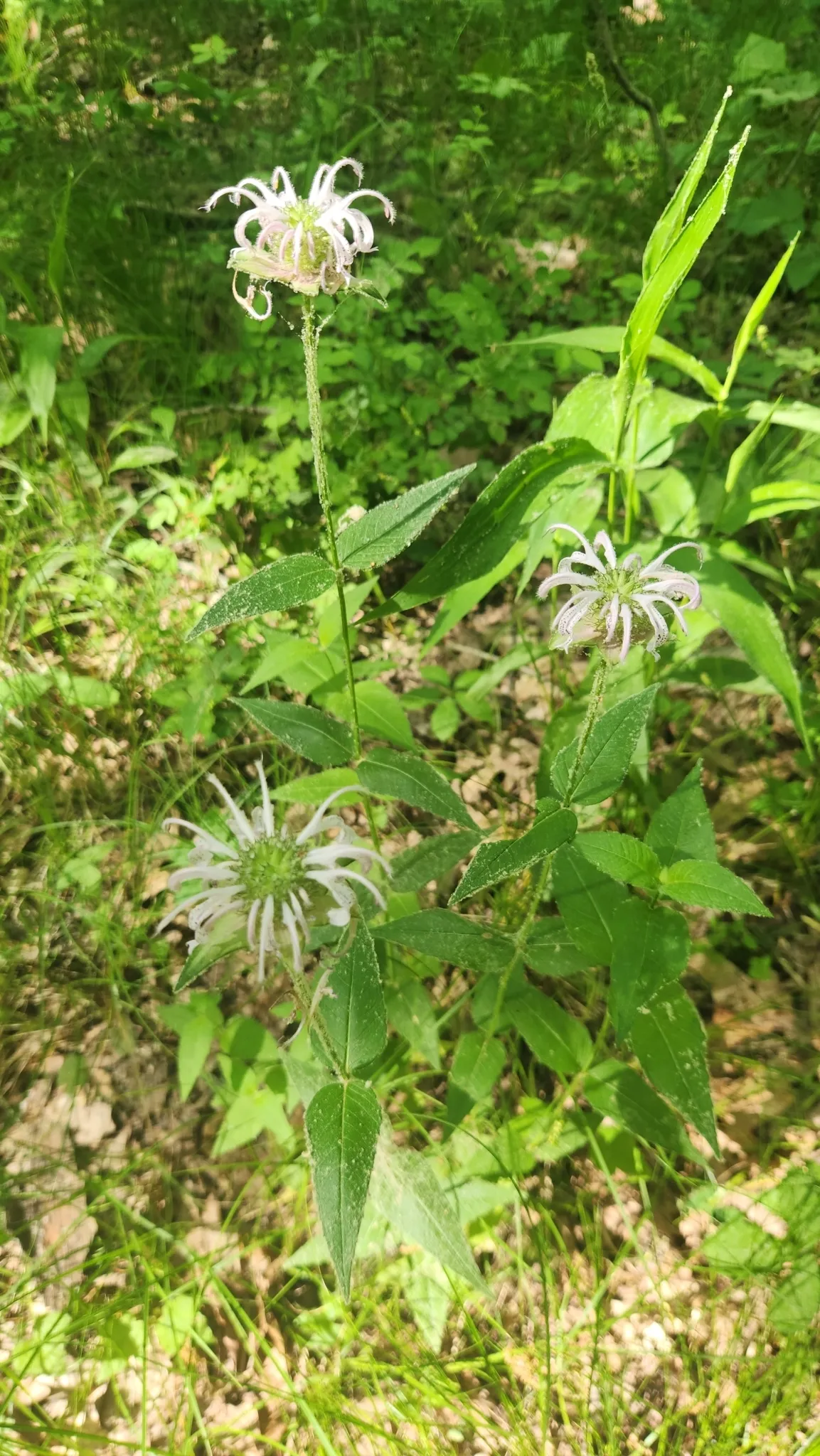
Monarda bradburiana, or Eastern beebalm, is a compact forb that blooms from June through August, drawing bees, butterflies, and hummingbirds to sunny meadows and open woodland edges.
Toxicity unknown
Eastern beebalm (Monarda bradburyana) is not listed by the ASPCA Animal Poison Control Center (opens in new tab) or the other sources we check, so we have no verdict for it either way. Absence from those lists is not a clearance. If your pet shows symptoms after eating any plant, call the ASPCA at (888) 426-4435.
Light
full sun
Water
low
Size
12"–24" H × 12"–18" W
Bloom
May, Jun
Native to
AL, AR, IL, IN and 7 more states
Pollinators
bees, butterflies, hummingbirds
Before you buy
Your city may pay you to plant this
Cities and water utilities offer rebates for replacing lawn with native and water-wise plants. We track 459 programs across 44 states, each with a link to the provider and the date we last checked it.
Find rebates in your areaPicture natives in your own yard
Upload a photo of your yard and Patch Vision shows a rendering of it planted with natives for your region, like Eastern beebalm.


Browse plants for this ecoregion
A clump-forming perennial in the mint family with square stems and aromatic, toothed gray-green leaves. Dense terminal clusters of tubular lavender to pale purple flowers open in late spring.
How to care for Eastern beebalm, by region
How to care for Eastern beebalm where it is actually grown: year-round basics plus what to do each season, region by region, with the sources for each.
Care guidance last updated: October 2026
Central Corn Belt Plains (includes Chicago, IL)
Year-round
Eastern beebalm is a tough, clump-forming perennial about 1 to 2 feet tall that likes sun and does not need fussing. In Chicago clay, the main job is good drainage and not overwatering.
- Give it full to part sun and room for air to move between plants.
- It copes with poor, rocky, or clay soil, and it does better a little dry than soggy.
- Once settled in, it needs little water, feed, or care.
- It can self-seed, so pull extra seedlings if you want a tidy clump.
Cutting back spent stems in a neat, even line keeps a front-yard clump reading as intentional.
Fall
Fall is a good window to settle in new plants before Chicago freezes. Ease off watering as nights cool.
- Plant or divide crowded clumps early in fall so roots can settle.
- Water new plants weekly until the ground freezes if rain is scarce.
- Leave established plants unwatered once fall rains return.
- Let seed heads stand a while if you want self-sown seedlings next year.
Winter
The plant dies back and rests through Chicago winters, so there is almost nothing to do. Wet, heavy soil is the thing to watch.
- Do not water in winter.
- Leave the dead stems standing until spring, or cut them back in a neat line.
- Avoid piling wet mulch against the crown, since poor drainage is the main cold-season risk.
- Mark the spot so you do not dig it up by mistake.
Spring
Spring is a good window to plant or divide, and new growth needs very little help. Chicago spring rain is usually enough.
- Cut last year's dead stems to the ground once new shoots show.
- Water a new plant weekly for the first month if rain is light, then ease off.
- Skip rich compost and fertilizer, since poor soil suits it.
- Check that water drains away from the crown after heavy rain.
Summer
Flowers show up from late spring into summer, and the plant handles Chicago heat once it is established. Water only in long dry spells.
- Give established plants a deep soak every 2 to 3 weeks if there is no rain.
- Keep neighbors from crowding it so air can move through the clump.
- Remove faded flower heads if you want a tidier look, or leave some for seedlings.
- Soggy soil is a bigger risk than dry soil.
Deadheading faded blooms keeps the clump looking cared for from the street.
Sources: Tennessee Yards, University of Tennessee Institute of Agriculture: Monarda bradburiana, Missouri Department of Conservation: Bradbury Beebalm, Lady Bird Johnson Wildflower Center: Monarda bradburiana
Cross Timbers (includes Fort Worth, TX)
Year-round
Eastern beebalm is a compact, clump forming mint family perennial that stays a tidy 12 to 24 inches tall, blooms early summer with pink and purple flowers bees and hummingbirds visit, and resists the powdery mildew that troubles most other bee balms.
- Plant in part sun to full sun with well drained soil. In heavy black clay, set the crown high on a slight mound or work in compost for drainage. In the sandier soils west of the metro it will need water more often through its first summer.
- Space plants 12 to 18 inches apart and give them good air movement, this is the main defense against the mildew and rust that hit crowded bee balm plantings.
- Deadhead spent flower heads through the bloom season to keep it flowering longer and to reduce self seeding if you want a tidy, contained clump.
- Water at the base rather than overhead to keep foliage dry and further cut disease risk.
- It is not on the ASPCA's toxic plant list for dogs, cats, or horses, and it is not a host plant for a specific butterfly species, though bees and hummingbirds use the flowers.
Its low, clump forming habit and early, showy bloom read as an intentional planted bed rather than a wild patch, one of the tidier bee balms for a front yard.
Fall
Bloom fades by early fall. This is the season to stop deadheading, let a few seed heads stand if you want the clump to fill in, and get the plant ready for winter.
- Stop deadheading in September and let a few flower heads go to seed if you want the plant to self seed and fill in next year, or cut the rest back if you prefer a tidier look.
- This is a better season than spring to divide an overcrowded clump, lift and split it every 3 to 4 years in October once the weather cools.
- Fall is also the better planting window for woody companions nearby, like trees and shrubs, if you are rounding out the same bed.
- Reduce watering as temperatures drop, but keep checking soil moisture on any new fall divisions until they root in.
Leaving a few seed heads standing reads as deliberate winter interest rather than neglect, as long as the rest of the bed still looks tended.
Winter
Eastern beebalm dies back to the ground for winter and stays dormant until new growth returns in spring. It needs little attention this season.
- Leave the dried stems standing through winter for structure and to shelter overwintering insects, then cut them back to about 2 inches in late February or early March before new growth starts.
- No regular watering is needed. Check soil moisture only if North Texas goes through an extended dry, mild stretch.
- The plant tolerates the area's short hard freezes without protection. During a severe Arctic outbreak, a layer of mulch over the crown adds insurance for a young, first year planting.
- Do not fertilize during dormancy, wait until new spring growth appears before feeding.
Standing dried stems can read as untidy to a neighbor. If front yard appearance is a concern, cut back to a low, clean stub in December instead of waiting until late winter.
Spring
Spring is the planting window and the season fresh growth emerges, with buds forming ahead of the early summer bloom.
- Plant new nursery starts from mid March through May, after the last frost, so roots establish before the July heat arrives.
- Cut back any dried winter stems to about 2 inches in early March if you did not do this in late winter, to make room for new growth.
- Work an inch of compost into the top few inches of soil at planting time, especially in heavy clay, to loosen it around the root zone.
- Watch for fresh square stems and paired leaves by April, and divide or thin any clump that got crowded last year.
A freshly cut, mulched clump reads as an intentionally maintained bed in March while it is still low and leafless.
Summer
This is bloom season, with pink and purple flower heads opening from June and continuing into August with regular deadheading. It is also the hardest stretch of the North Texas year for a young planting.
- Deadhead spent flower heads every week or two through June, July and August to keep new blooms coming.
- Water deeply once or twice a week during 100F stretches, more often for plants in the sandier soils west of the metro, less often in heavy black clay that holds moisture longer.
- Keep 2 to 3 inches of mulch over the root zone to buffer soil temperature and cut how often you need to water.
- Watch for the powdery white coating of powdery mildew on leaves. This species resists it better than most bee balms, but a crowded, poorly ventilated planting can still get it, so thin nearby growth if you see it.
Regular deadheading keeps the bed looking maintained through the hottest months instead of going leggy and brown.
Sources: Monarda bradburiana, Lady Bird Johnson Wildflower Center Native Plant Database, Monarda bradburiana, Missouri Botanical Garden Plant Finder, ASPCA Toxic and Non-Toxic Plant List, Cats
Interior Plateau (includes Cincinnati, OH)
Year-round
Eastern beebalm is not documented as native to Ohio, but it grows well in the Cincinnati area's zone 6b climate when given full sun and soil that drains better than the region's typical clay. It forms a neat, compact mound and blooms earlier than most other beebalms, which makes it a tidy, low-drama choice for a front-yard bed.
- Give it 6 or more hours of sun for the tightest, most floriferous mound. Part sun (4 to 6 hours) works too but produces a looser, floppier habit.
- Cincinnati's clay-heavy soil holds more moisture than this plant wants. Work compost or coarse grit into the planting hole to improve drainage and reduce the risk of crown rot.
- This species resists powdery mildew better than many Monarda cultivars, but space plants 18 to 24 inches apart for airflow through the tri-state's humid summers.
- Deer and rabbits generally leave it alone, and it is not on the ASPCA toxic plant list for dogs, cats, or horses.
Fall
Fall in Cincinnati, with a first frost typically in mid to late October, is when eastern beebalm finishes for the year. Leaving some structure for pollinators or cutting back for a tidier winter look both work fine for this species.
- Once bloom ends, foliage can be left standing through fall for beneficial insects that overwinter in hollow stems, or cut back to a few inches once frost blackens the leaves.
- Fall is a good backup time to divide crowded clumps if you did not get to it in spring. Do it at least a month before the average first frost so roots can settle in.
- Rake up and discard any mildew-affected foliage rather than composting it, to cut down on next year's fungal spore load in the area's humid summers.
- Hold off on heavy mulch until the ground cools. Piling mulch too early on wet clay can trap moisture around the crown.
A clean fall cutback, or a neatly bundled stand of stems left up for pollinators, reads as an intentional winter plan rather than a neglected bed.
Winter
Eastern beebalm is deciduous and goes fully dormant through a Cincinnati winter. The foliage dies back and the plant waits underground until spring, so there is little active care needed.
- If stems were left standing in fall for pollinator habitat, this is when they look their messiest. Cutting them to the ground anytime before spring growth starts is fine.
- Zone 6b winters, with lows dropping into the single digits some years, are within this plant's USDA zone 5a to 8b hardiness range, so winter protection is not typically needed.
- Avoid walking on or compacting the dormant crown in the region's often-wet winter clay, which can smother roots.
- If you mulch, keep it 2 to 3 inches deep and away from direct contact with the crown, since mulch piled against it can trap moisture and invite rot over a wet winter.
A clean-cut dormant bed, or a neatly bundled stand of stems, reads as deliberate winter structure rather than a forgotten, overgrown corner.
Spring
Spring is when eastern beebalm breaks dormancy in Cincinnati, usually as the area moves past its mid-April average last frost. It is one of the earliest-blooming Monarda species, so flower buds can show up well before the summer heat arrives.
- Wait until you see 2 to 3 inches of new growth before clearing any leftover winter stems, so you do not cut into a live crown by mistake.
- If stems were left standing over winter, this is a light cleanup only: rake away old leaf litter to cut down on fungal spores before humidity climbs.
- Divide overcrowded clumps in early spring before new growth gets much past a few inches tall. This keeps airflow open through the plant's mildew-prone summer stretch.
- First blooms typically arrive in late spring, earlier than most other beebalms in the garden.
A quick spring tidy of old stems and leaf litter keeps the bed reading as intentional and cared for right as neighbors start noticing yards again after winter.
Summer
Cincinnati's humid, often sticky summers are the real test for eastern beebalm. Deadheading keeps the compact mound blooming and tidy instead of going to seed and looking ragged as the season wears on.
- Deadhead spent flower clusters just above the next leaf node to encourage a modest rebloom and stop the plant from setting seed and flopping over.
- Watch for powdery mildew during humid, still-air stretches. This species resists it better than showier Monarda types, but thinning overcrowded stems still helps.
- This plant tolerates dry soil better than most beebalms, so only water during extended dry spells. Overwatering in Cincinnati's clay is the more common problem and can cause root and crown rot.
- As blooms wind down by mid to late summer, the foliage stays a neat green mound rather than the leggy look of taller Monarda species.
Deadheading through summer keeps the bloom cluster tidy and avoids the gone-to-seed look that can draw a maintenance complaint in a front bed.
Sources: Lady Bird Johnson Wildflower Center - Monarda bradburiana, NC State Extension - Monarda bradburyana (Eastern Beebalm), ASPCA Toxic and Non-Toxic Plant List, Dogs, ASPCA Toxic and Non-Toxic Plant List, Cats, ASPCA Toxic and Non-Toxic Plant List, Horses
Ouachita Mountains (includes Hot Springs, AR)
Year-round
Eastern beebalm is a low, clump-forming perennial in the mint family with square stems, aromatic gray-green leaves, and pink to lavender flowers flecked with purple. It blooms earlier than most other bee balms and is native across much of the south-central and midwestern US, including Arkansas and Missouri, in savannas, glades, and rocky woodland edges.
- Give it full sun to light part shade. It tolerates more shade than most bee balms but flowers best with at least six hours of direct sun.
- It prefers average to dry, well-drained soil, including rocky or clay soil, and does not want to stay wet.
- Mature size stays compact, usually about 12 to 18 inches tall.
- The aromatic foliage tends to be resistant to deer and rabbit browsing.
Its compact, mounded habit and early bloom window read as a tidy, intentional planting rather than an overgrown patch, which makes it an easy fit for an HOA-conscious front bed.
Fall
Fall is a quiet season for eastern beebalm. Growth slows and the plant begins settling into dormancy after its spring bloom.
- No fertilizing is needed this time of year; established plants in average soil do not need regular feeding.
- Fall is a good window to divide an overcrowded clump if it has spread, since cooler weather reduces transplant stress.
- Leave the foliage in place through fall rather than cutting it back early.
- This is also a reasonable time to plant new starts so roots can establish before winter.
Winter
Eastern beebalm is fully dormant through winter around Hot Springs, dying back to the ground until new growth returns in spring.
- Cut back old stems any time in late winter, before new spring growth starts.
- Leaving stems standing through winter provides some cover for overwintering insects, if a tidier look is not a priority for that bed.
- No winter watering or protection is needed once the plant is established; it is hardy through typical Hot Springs winters.
- Check that the crown has not been sitting in soggy soil after winter rains, since wet feet is the main risk to this species.
Spring
Spring is the main event for eastern beebalm around Hot Springs. New foliage greens up early, and the plant is usually the first bee balm in the yard to bloom, often starting in April.
- Cut back any old winter stems to the ground before new growth emerges if you left them standing over winter.
- Watch for the pale lavender to pink flower clusters opening from mid-spring into early summer.
- Bees, including native bumble bees, and hummingbirds are drawn to the flowers as soon as they open.
- This species tends to hold up better against powdery mildew than taller garden bee balms, so spring humidity is less of a concern here.
Summer
By summer the main bloom flush is finishing and the plant settles into a lower, mounded clump of foliage for the rest of the season.
- Water only during extended dry spells. This species prefers to stay on the drier side once established.
- Deadheading spent flower clusters can tidy the plant's appearance, though it is not required for rebloom.
- Avoid overhead watering or a consistently damp spot, since wet soil in summer heat is the main risk factor for foliage disease in bee balms.
- The mounded, aromatic foliage stays useful as a low border plant through the rest of the growing season.
Sources: Lady Bird Johnson Wildflower Center - Monarda bradburiana, NC State Extension Gardener Plant Toolbox - Monarda bradburiana
Texas Blackland Prairies (includes Dallas, TX)
Year-round
Eastern beebalm is a compact, clump forming mint family perennial that stays a tidy 12 to 24 inches tall, blooms early summer with pink and purple flowers bees and hummingbirds visit, and resists the powdery mildew that troubles most other bee balms.
- Plant in part sun to full sun with well drained soil. In heavy black clay, set the crown high on a slight mound or work in compost for drainage. In the sandier soils west of the metro it will need water more often through its first summer.
- Space plants 12 to 18 inches apart and give them good air movement, this is the main defense against the mildew and rust that hit crowded bee balm plantings.
- Deadhead spent flower heads through the bloom season to keep it flowering longer and to reduce self seeding if you want a tidy, contained clump.
- Water at the base rather than overhead to keep foliage dry and further cut disease risk.
- It is not on the ASPCA's toxic plant list for dogs, cats, or horses, and it is not a host plant for a specific butterfly species, though bees and hummingbirds use the flowers.
Its low, clump forming habit and early, showy bloom read as an intentional planted bed rather than a wild patch, one of the tidier bee balms for a front yard.
Fall
Bloom fades by early fall. This is the season to stop deadheading, let a few seed heads stand if you want the clump to fill in, and get the plant ready for winter.
- Stop deadheading in September and let a few flower heads go to seed if you want the plant to self seed and fill in next year, or cut the rest back if you prefer a tidier look.
- This is a better season than spring to divide an overcrowded clump, lift and split it every 3 to 4 years in October once the weather cools.
- Fall is also the better planting window for woody companions nearby, like trees and shrubs, if you are rounding out the same bed.
- Reduce watering as temperatures drop, but keep checking soil moisture on any new fall divisions until they root in.
Leaving a few seed heads standing reads as deliberate winter interest rather than neglect, as long as the rest of the bed still looks tended.
Winter
Eastern beebalm dies back to the ground for winter and stays dormant until new growth returns in spring. It needs little attention this season.
- Leave the dried stems standing through winter for structure and to shelter overwintering insects, then cut them back to about 2 inches in late February or early March before new growth starts.
- No regular watering is needed. Check soil moisture only if North Texas goes through an extended dry, mild stretch.
- The plant tolerates the area's short hard freezes without protection. During a severe Arctic outbreak, a layer of mulch over the crown adds insurance for a young, first year planting.
- Do not fertilize during dormancy, wait until new spring growth appears before feeding.
Standing dried stems can read as untidy to a neighbor. If front yard appearance is a concern, cut back to a low, clean stub in December instead of waiting until late winter.
Spring
Spring is the planting window and the season fresh growth emerges, with buds forming ahead of the early summer bloom.
- Plant new nursery starts from mid March through May, after the last frost, so roots establish before the July heat arrives.
- Cut back any dried winter stems to about 2 inches in early March if you did not do this in late winter, to make room for new growth.
- Work an inch of compost into the top few inches of soil at planting time, especially in heavy clay, to loosen it around the root zone.
- Watch for fresh square stems and paired leaves by April, and divide or thin any clump that got crowded last year.
A freshly cut, mulched clump reads as an intentionally maintained bed in March while it is still low and leafless.
Summer
This is bloom season, with pink and purple flower heads opening from June and continuing into August with regular deadheading. It is also the hardest stretch of the North Texas year for a young planting.
- Deadhead spent flower heads every week or two through June, July and August to keep new blooms coming.
- Water deeply once or twice a week during 100F stretches, more often for plants in the sandier soils west of the metro, less often in heavy black clay that holds moisture longer.
- Keep 2 to 3 inches of mulch over the root zone to buffer soil temperature and cut how often you need to water.
- Watch for the powdery white coating of powdery mildew on leaves. This species resists it better than most bee balms, but a crowded, poorly ventilated planting can still get it, so thin nearby growth if you see it.
Regular deadheading keeps the bed looking maintained through the hottest months instead of going leggy and brown.
Sources: Monarda bradburiana, Lady Bird Johnson Wildflower Center Native Plant Database, Monarda bradburiana, Missouri Botanical Garden Plant Finder, ASPCA Toxic and Non-Toxic Plant List, Cats
In an HOA neighborhood
Eastern beebalm is an HOA-friendly choice. Maintenance level: moderate. Tidiness: 3 out of 5.
Works well in: front yard bed, pollinator border.
- can spread by rhizome and self-seed if not divided every few years
Wildlife value
Nectar-rich flower clusters draw native bees, butterflies, and hummingbirds through the bloom period. Aromatic foliage tends to discourage deer and rabbit browsing.
Common questions
- When does Eastern beebalm bloom?
- Monarda bradburiana generally flowers from June through August, blooming earlier in the season than many other Monarda species.
- What pollinators does Eastern beebalm attract?
- Bees, butterflies, and hummingbirds regularly visit the tubular lavender flowers for nectar.
- How much sun does Eastern beebalm need?
- It performs best with part sun to full sun, though it can also tolerate light part shade, especially at the edges of open woodlands.
- How much water does Eastern beebalm need?
- It prefers medium moisture but handles drier soil once its root system is established, making it useful in average garden beds.
- How tall does Eastern beebalm grow?
- This forb typically stays low and mounded, generally under two feet tall, which makes it a good fit for border plantings.
- Is Eastern beebalm HOA-friendly?
- Eastern beebalm is generally an HOA-friendly choice in the right placement, with moderate maintenance.
These answers were drafted with an AI model from this plant's data. Verify care details with a local expert.
Native range data from the World Checklist of Vascular Plants (Kew). Pollinator and host plant associations compiled from GBIF, iNaturalist, and published ecological literature.
If something looks wrong
Common plant problems, and what to check first
These come up on almost any plant. Each guide lists the likely causes in the order they are worth ruling out, with one thing to check before you act on any of them, and links to the source it came from.
- It is dying right after planting
- Leaves turning yellow
- Wilting even though I watered it
- Brown crispy leaf tips
- Bugs on the plant
Ready to grow Eastern beebalm? Add it to your garden in Pollinator Patch to track it and get season-by-season care guidance.