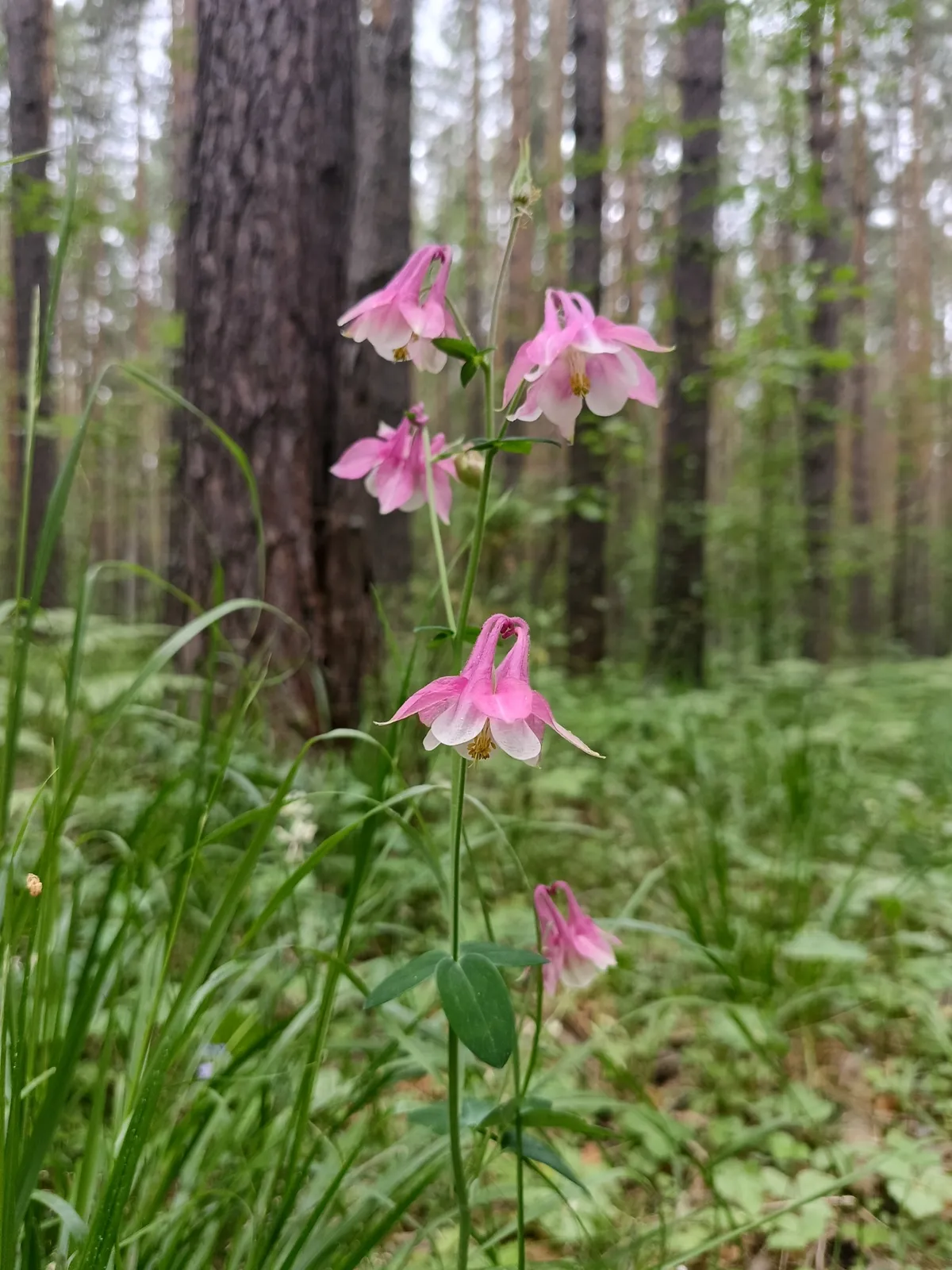
European Columbine
Aquilegia vulgaris
Last reviewed: October 2026
Toxicity unknown
European Columbine (Aquilegia vulgaris) is not listed by the ASPCA Animal Poison Control Center (opens in new tab) or the other sources we check, so we have no verdict for it either way. Absence from those lists is not a clearance. If your pet shows symptoms after eating any plant, call the ASPCA at (888) 426-4435.
Light
part shade
Water
medium
Size
12"–24" H × 12"–18" W
Bloom
May, Jun
Pollinators
bees, hummingbirds
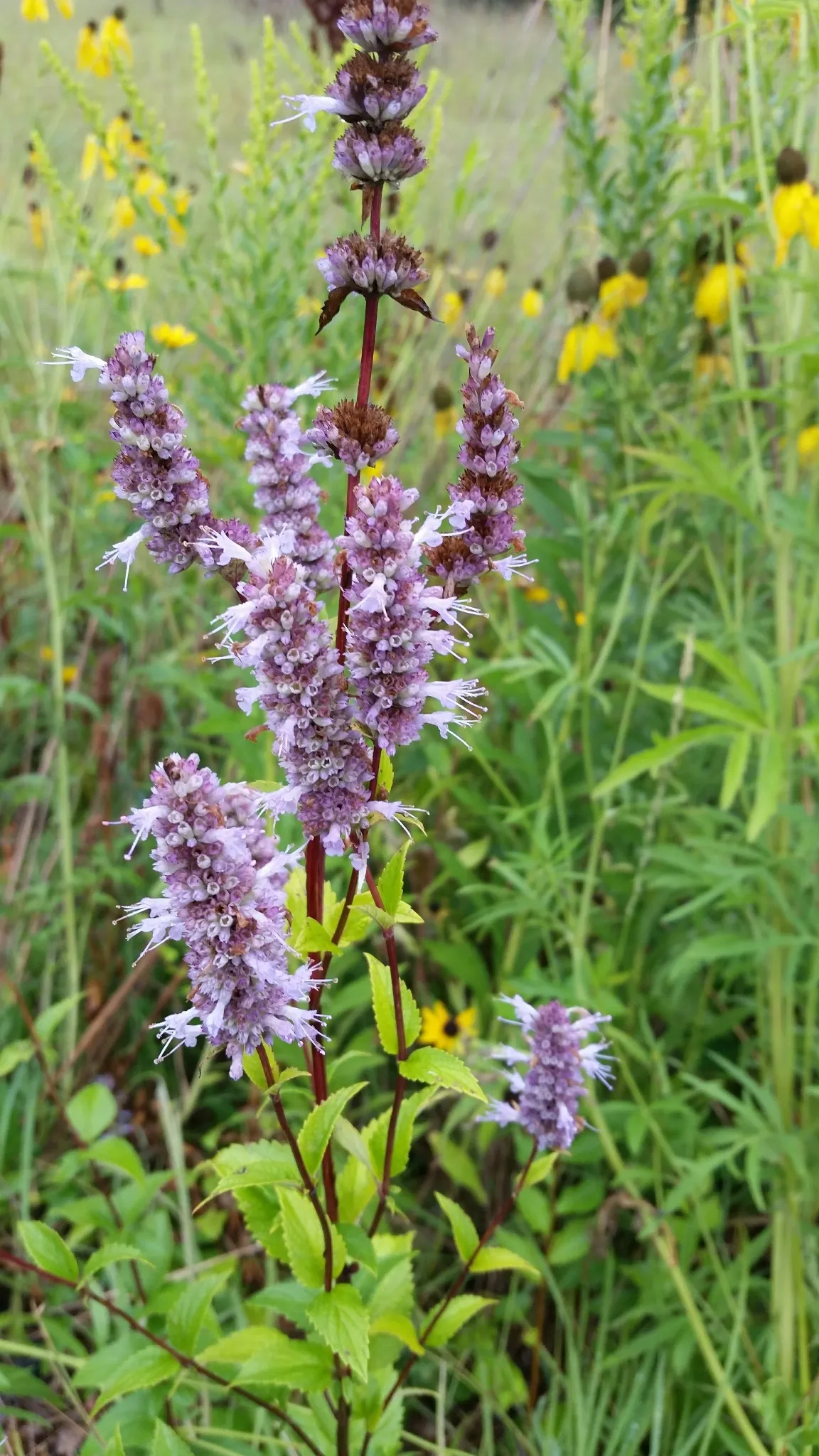
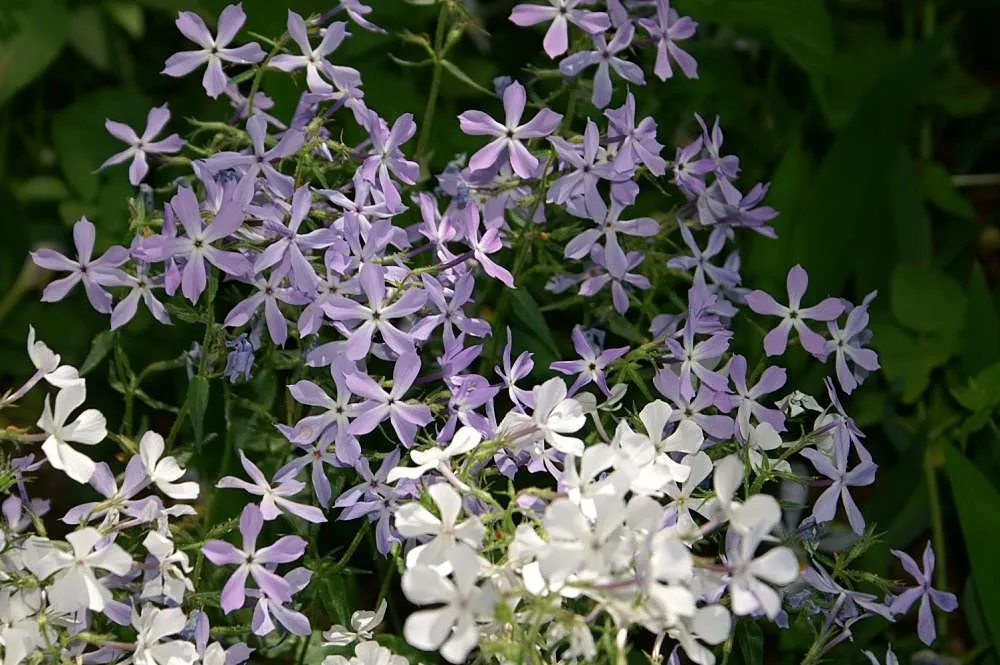
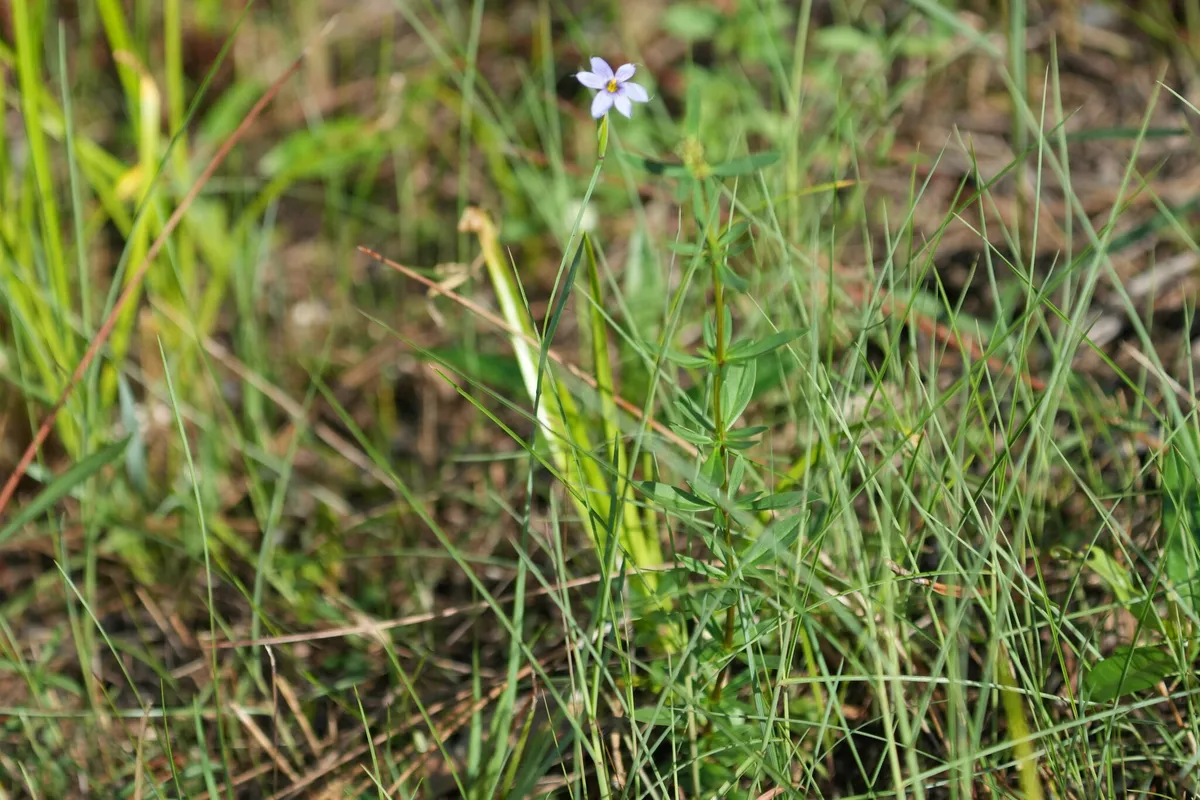
Native alternatives to European Columbine
European Columbine is not native to the United States. These natives fill a similar role in a planting, matched on bloom season, bloom color and mature size.
Before you buy
Your city may pay you to plant this
Cities and water utilities offer rebates for replacing lawn with native and water-wise plants. We track 459 programs across 44 states, each with a link to the provider and the date we last checked it.
Find rebates in your areaPicture natives in your own yard
Wondering what could grow where European Columbine is now? Upload a photo of the spot and Patch Vision shows a rendering of it replanted with natives for your region.


European columbine produces distinctive spurred flowers in late spring, typically in shades of blue, purple, pink, or white. This short-lived perennial forms neat clumps of attractive divided foliage and readily self-seeds to maintain its presence in the garden. The delicate, nodding flowers add cottage garden charm to shaded areas.
How to care for European Columbine, by region
How to care for European Columbine where it is actually grown: year-round basics plus what to do each season, region by region, with the sources for each.
Care guidance last updated: October 2026
Southeastern Plains (includes Tallahassee, FL)
Year-round
European columbine is a cool-climate plant and a poor fit for Tallahassee heat. Sources say it needs afternoon shade in hot areas and may do better treated as a short-lived plant. Give it morning sun, afternoon shade, and well-drained soil.
- Plant where it gets light shade or morning sun only
- Use well-drained soil. Soggy soil can rot roots
- Give moderate water and do not let it dry out completely
- Expect it to fade after a few seasons in this heat
Fall
Fall is a good time to sow seed or replace plants that struggled. Soil stays warm but days cool.
- Sow seed in fall for new plants
- Water new seedlings regularly
- Remove dead foliage
- Add a thin layer of mulch
Winter
Mild winters suit it fine. It is listed as hardy to about minus 30 degrees F, so freezes here are no problem.
- Water only during long dry stretches
- Cut back dead stems
- Late winter is a good time to divide clumps
- Keep mulch light so crowns do not stay wet
Spring
Spring is its best season in Tallahassee. Plant early and enjoy the blooms before the heat arrives.
- Plant or sow seed in early spring
- Water weekly when rain is missing
- Mulch lightly to keep roots cool
- Pick a shady spot away from hot walls or pavement
Summer
Heat and humidity are the main challenge. Shade and steady water are the best help.
- Provide afternoon shade
- Water when the top inch of soil is dry
- Cut back tired leaves if they look rough
- Do not be surprised if it goes dormant or dies out
Sources: Desert Tropicals: Aquilegia vulgaris (community tip)
In an HOA neighborhood
European Columbine takes more care to keep looking intentional in a front yard. Maintenance level: low. Consider it for backyard or mid-zone beds rather than the street edge.
Works well in: front yard, foundation, mid zone.
- Self-seeds freely which may create informal appearance
Wildlife value
The nectar-rich flowers attract bees and occasionally hummingbirds during the May-June bloom period. Seeds provide food for small birds later in the season.
Common questions
- How much sun does European Columbine need?
- European Columbine grows best in part shade conditions.
- When does European Columbine bloom?
- European Columbine blooms in May and June.
- What pollinators does European Columbine attract?
- European Columbine draws bees and hummingbirds.
- Is European Columbine HOA-friendly?
- European Columbine takes more care to look intentional in a front yard. Consider it for backyard or mid-zone beds rather than the street edge.
Pollinator and host plant associations compiled from GBIF, iNaturalist, and published ecological literature.
If something looks wrong
Common plant problems, and what to check first
These come up on almost any plant. Each guide lists the likely causes in the order they are worth ruling out, with one thing to check before you act on any of them, and links to the source it came from.
- It is dying right after planting
- Leaves turning yellow
- Wilting even though I watered it
- Brown crispy leaf tips
- Bugs on the plant
Ready to grow European Columbine? Add it to your garden in Pollinator Patch to track it and get season-by-season care guidance.