Forsythia
Forsythia x intermedia
Last reviewed: September 2026
Toxicity unknown
Forsythia (Forsythia x intermedia) is not listed by the ASPCA Animal Poison Control Center (opens in new tab) or the other sources we check, so we have no verdict for it either way. Absence from those lists is not a clearance. If your pet shows symptoms after eating any plant, call the ASPCA at (888) 426-4435.
Light
full sun
Water
medium
Size
72"–120" H × 72"–120" W
Bloom
Mar, Apr
Native alternatives to Forsythia
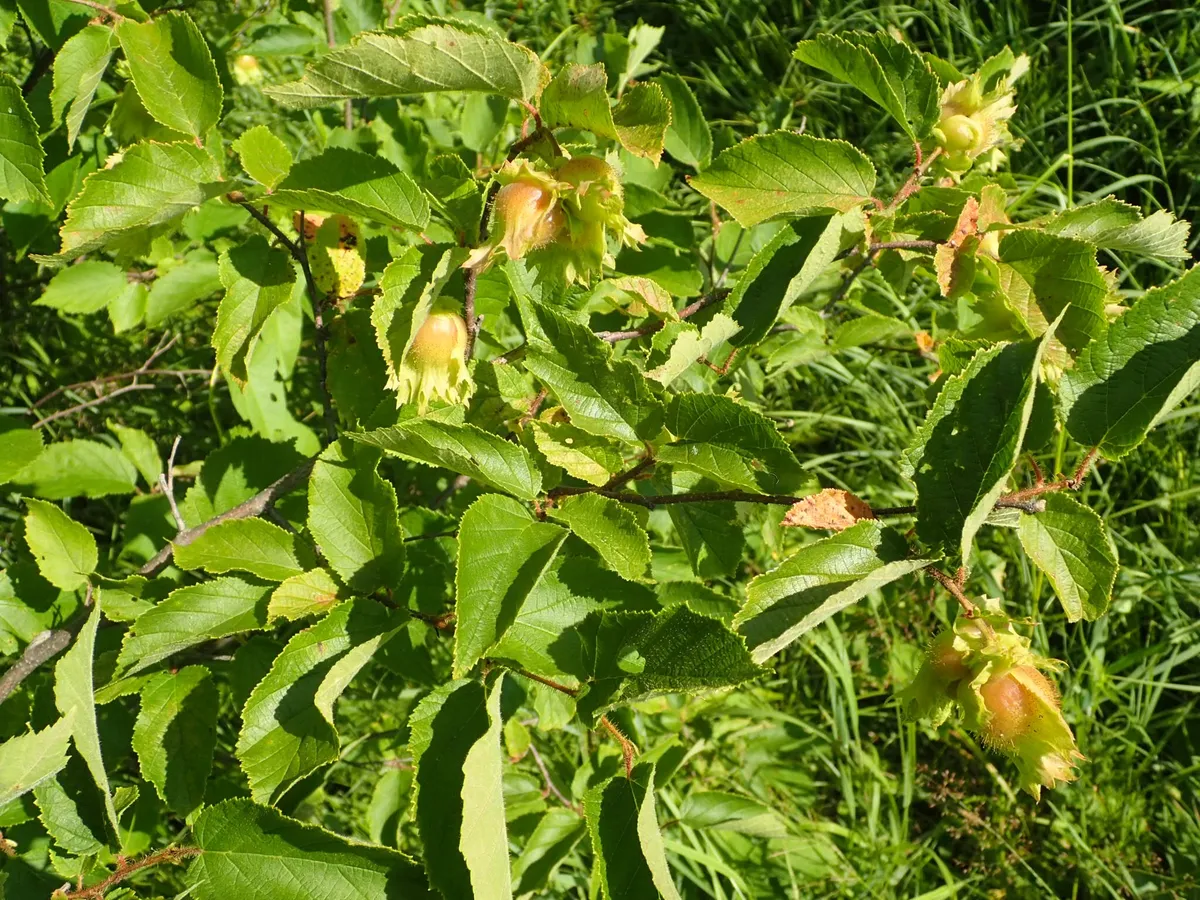
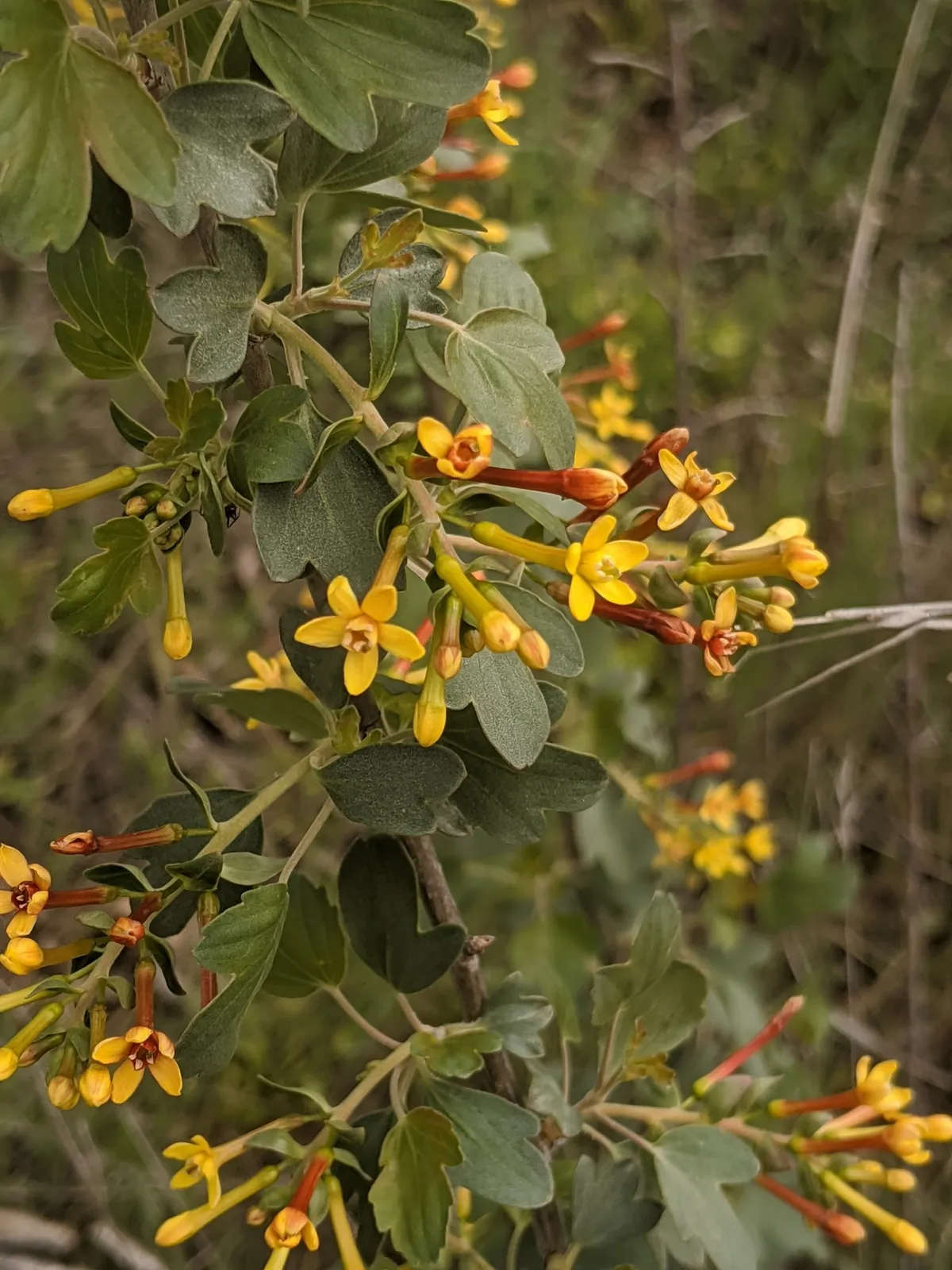
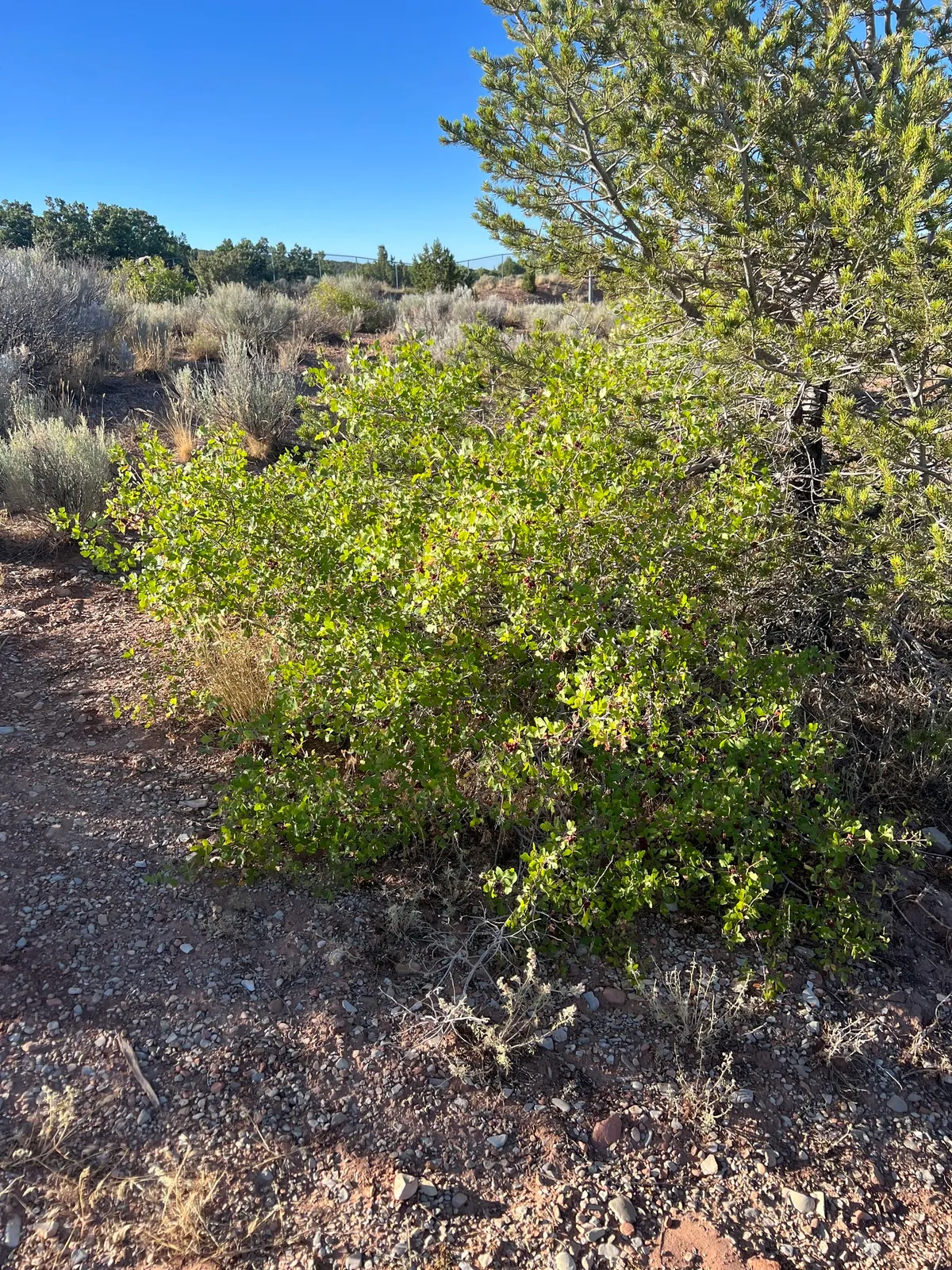
Forsythia is not native to the United States. These natives fill a similar role in a planting, matched on bloom season, bloom color and mature size.
Before you buy
Your city may pay you to plant this
Cities and water utilities offer rebates for replacing lawn with native and water-wise plants. We track 458 programs across 44 states, each with a link to the provider and the date we last checked it.
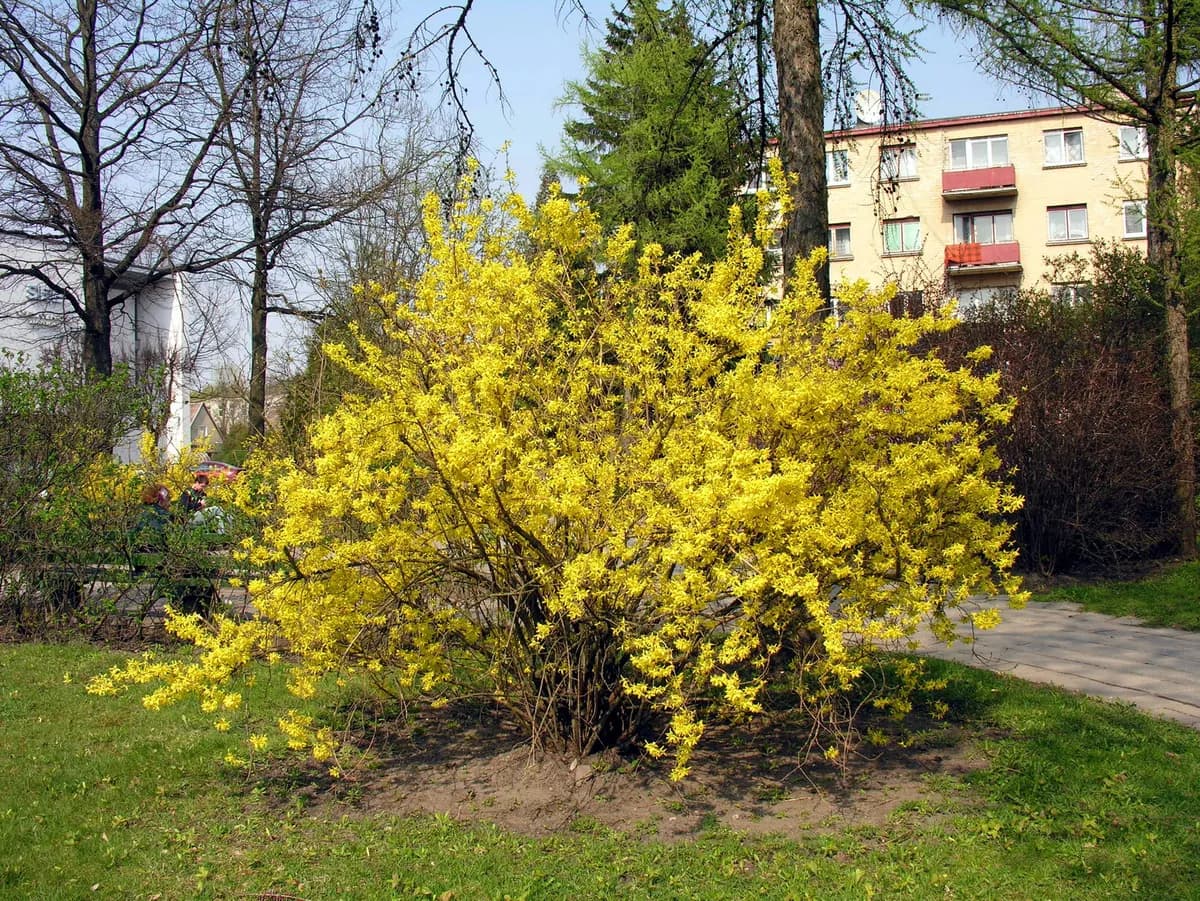
Find rebates in your areaA fast growing deciduous shrub covered in bright yellow flowers on bare stems in early spring, before the leaves appear. It flowers on old wood, so prune right after bloom. Left unpruned it becomes a large arching thicket.
How to care for Forsythia, by region
How to care for Forsythia where it is actually grown: year-round basics plus what to do each season, region by region, with the sources for each.
Care guidance last updated: September 2026
Eastern Corn Belt Plains (includes Columbus, OH)
Year-round
Forsythia x intermedia is an easy, low-maintenance flowering shrub. It wants full sun to part shade, well-drained soil, and a wide footprint to arch into as it matures. Once established it needs very little upkeep beyond an annual pruning after bloom.
- Plant it in full sun for the heaviest bloom. Part shade works but flowers less.
- Any well-drained soil is fine. It is not particular about soil type.
- Water regularly the first year to establish roots. After that it tolerates normal dry spells without extra watering.
- Give it 6 to 10 feet of room. The arching branches spread wide and look best without hard shearing.
Fall
Fall is a hands-off season for forsythia in Columbus. The shrub has already set next spring's flower buds on this year's growth, so there is no fall pruning or feeding to do before the first frosts arrive, usually in mid-October.
- Skip pruning entirely this season. Any cuts now remove flower buds already set for next spring.
- No fertilizer needed heading into Columbus's typical first frosts in mid-October.
- Fallen leaves can be left as light mulch around the base or cleared away. Either is fine for the plant.
- The bare branch structure that shows once leaves drop is normal and not a sign of a problem.
Leaving the natural branch shape alone through fall instead of cutting it back reads as tidy and intentional in a street-facing bed, not overgrown. (HOA-friendly)
Winter
Forsythia is fully dormant through a Columbus winter and needs no care beyond leaving it alone. The shrub itself handles the cold well, though a hard freeze can damage some flower buds and thin out next spring's bloom without hurting the plant.
- No pruning, watering, or fertilizing while the plant is dormant.
- The bare, arching branches don't need wrapping, mulching over, or any winter protection in a typical Columbus winter.
- A hard cold snap can kill some flower buds, showing up as a lighter bloom the next spring. The shrub itself recovers fine.
- Wait for flowers to fade in spring before any shaping cuts. Pruning in winter removes buds that are already set.
The bare winter branch structure is naturally tidy on its own and needs no extra grooming to look intentional in a front-yard bed. (HOA-friendly)
Spring
Spring is forsythia's one season in the spotlight in Columbus. It typically blooms in late March to early April, ahead of most other shrubs, and the only pruning window of the year opens right after the flowers drop.
- Expect bright yellow blooms in late March or early April here, often before the last frost.
- As soon as the flowers fade, thin out the oldest, thickest canes at the base. This is the only real pruning window all year.
- For an overgrown shrub, remove about a third of the oldest canes this year and the rest over the next two springs instead of cutting it all back at once.
- A late cold snap can brown open flowers early in the season. That is normal here and does not harm the shrub.
Summer
By summer the bloom show is over and forsythia is just growing green foliage. In Columbus's humid summers it mainly needs water during real dry spells and no pruning, since next spring's flower buds are already forming on this year's wood.
- Water only during extended dry stretches. An established forsythia handles a normal Columbus summer without extra watering.
- Stop pruning by early summer. Cuts made after that point remove the flower buds already forming for next spring.
- No fertilizer needed for an established plant.
- If branches are spreading into a walkway or fence line, redirect or stake them rather than shearing the tips, which spoils next year's bloom shape.
Sources: Forsythia x intermedia - PlantFacts, The Ohio State University, Forsythia x intermedia - Plant Finder, Missouri Botanical Garden, Forsythia x intermedia (Border Forsythia) - NC State Extension Gardener Plant Toolbox, When and How Do You Prune an Overgrown Forsythia? - UNH Extension
In an HOA neighborhood
Forsythia is an HOA-friendly choice. Maintenance level: moderate. Tidiness: 3 out of 5.
Works well in: front yard, foundation bed, border.
- Becomes a large arching thicket without annual pruning after bloom.
Wildlife value
Grown as an ornamental. Non-native plants support far fewer local insects than a native of similar size, so treat this as garden interest rather than habitat.
Common questions
- How much sun does Forsythia need?
- Forsythia grows best in full sun conditions.
- When does Forsythia bloom?
- Forsythia blooms in March and April.
- Is Forsythia HOA-friendly?
- Forsythia is generally an HOA-friendly choice in the right placement, with moderate maintenance.
Pollinator and host plant associations compiled from GBIF, iNaturalist, and published ecological literature.
If something looks wrong
Common plant problems, and what to check first
These come up on almost any plant. Each guide lists the likely causes in the order they are worth ruling out, with one thing to check before you act on any of them, and links to the source it came from.
- It is dying right after planting
- Leaves turning yellow
- Wilting even though I watered it
- Brown crispy leaf tips
- Bugs on the plant
Ready to grow Forsythia? Add it to your garden in Pollinator Patch to track it and get season-by-season care guidance.