Foxglove
Digitalis purpurea
Last reviewed: September 2026
Toxicity unknown
Foxglove (Digitalis purpurea) is not listed by the ASPCA Animal Poison Control Center (opens in new tab) or the other sources we check, so we have no verdict for it either way. Absence from those lists is not a clearance. If your pet shows symptoms after eating any plant, call the ASPCA at (888) 426-4435.
Light
part sun
Water
medium
Size
24"–60" H × 12"–24" W
Bloom
May, Jun, Jul
Pollinators
bumblebees, bees
Native alternatives to Foxglove
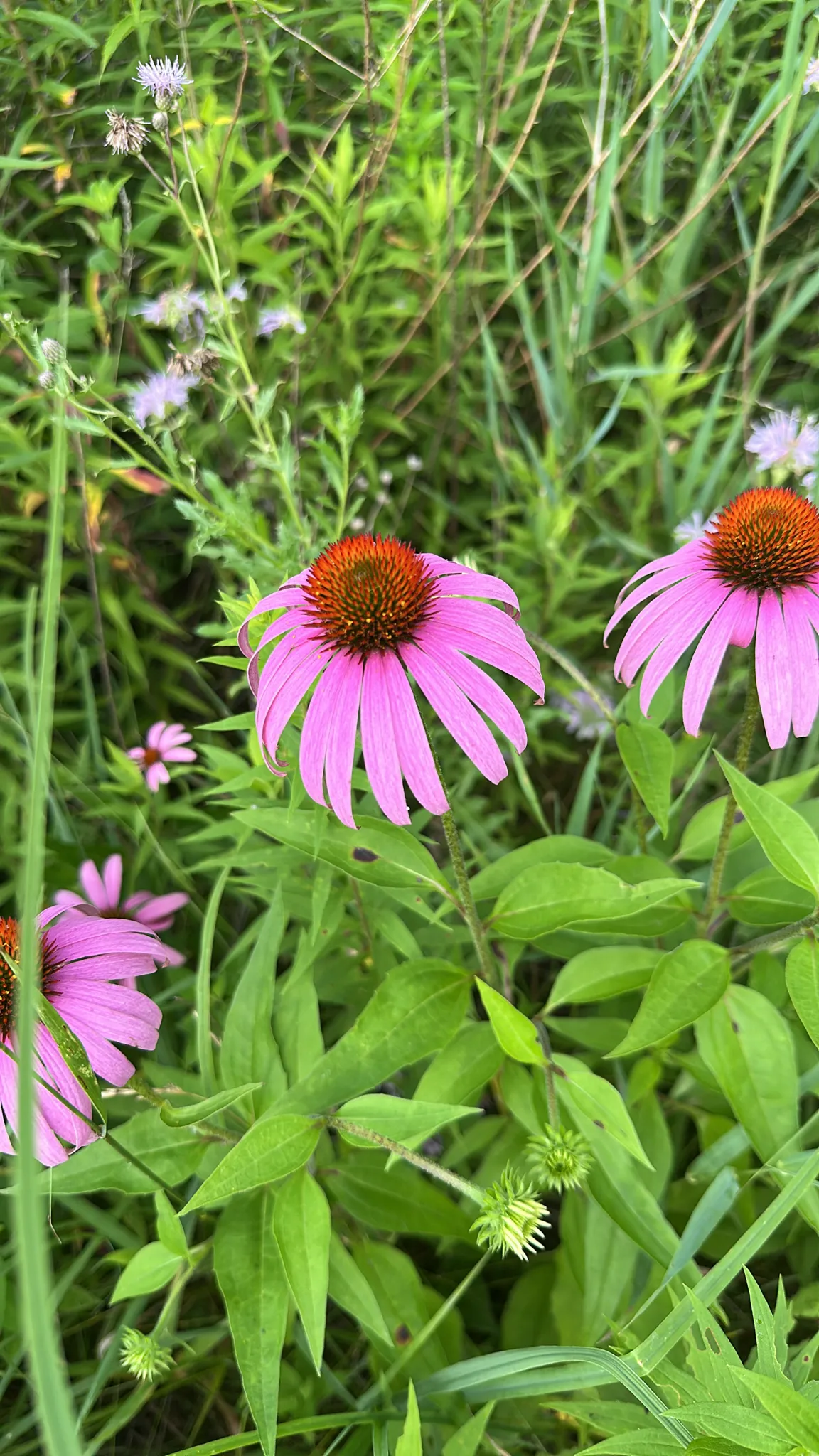
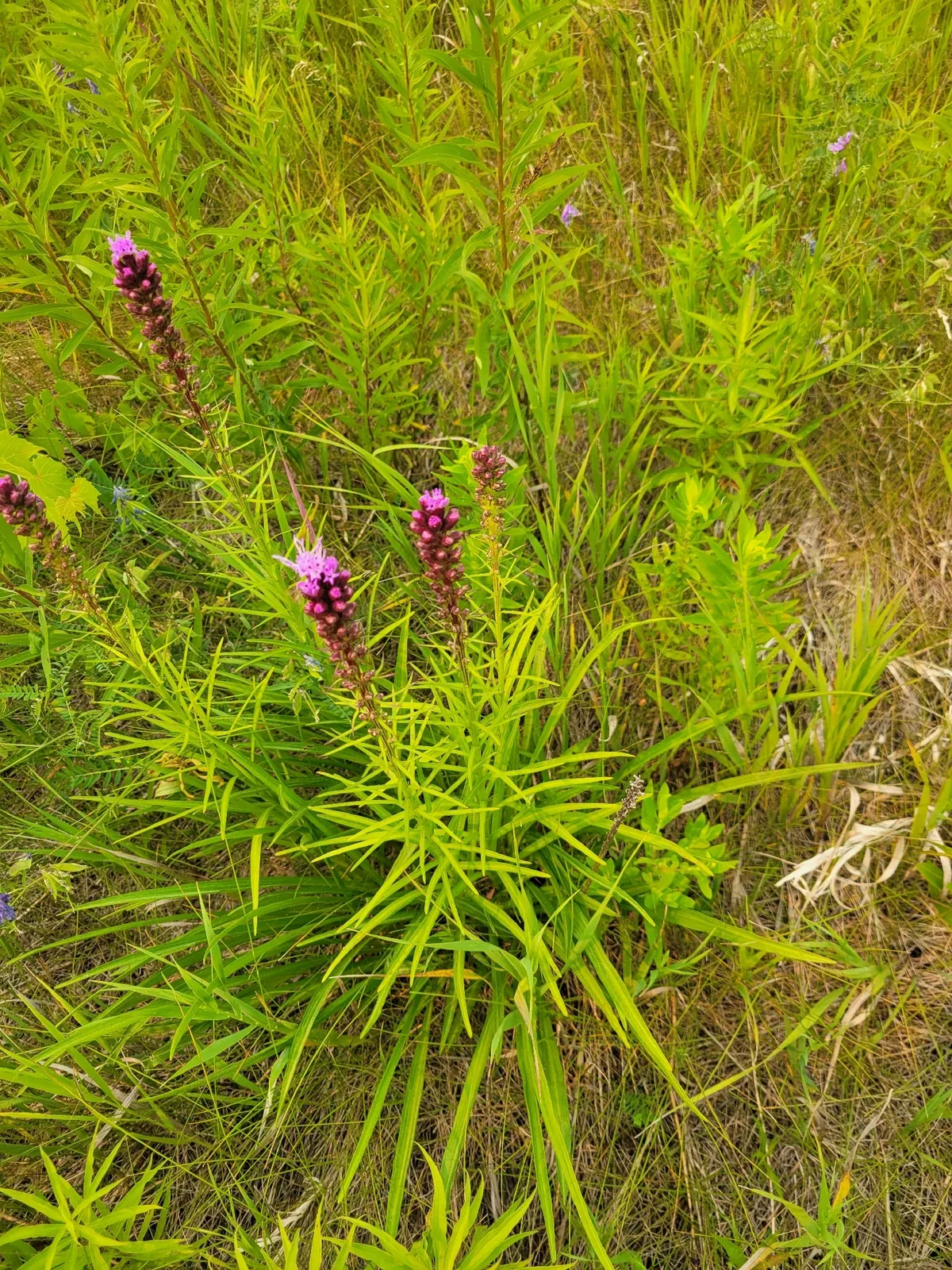
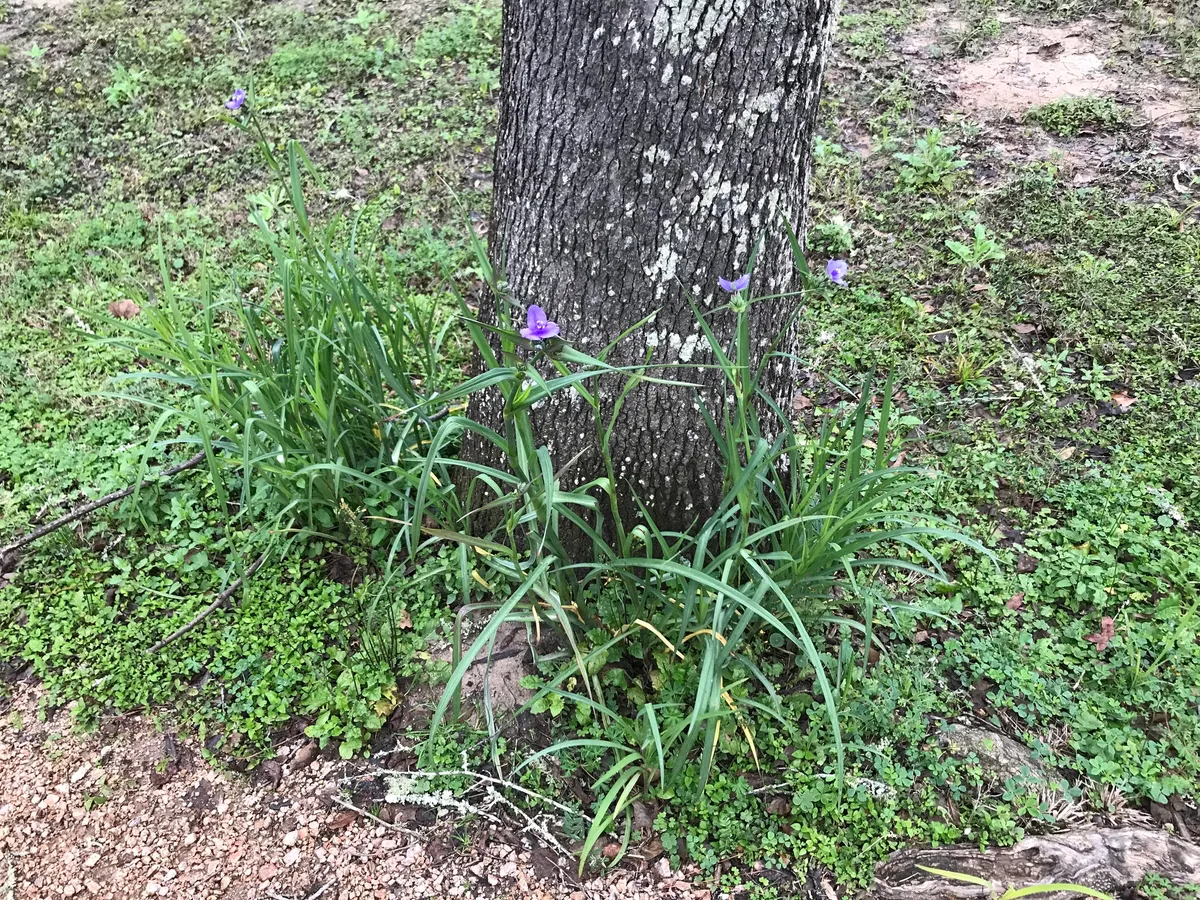
Foxglove is not native to the United States. These natives fill a similar role in a planting, matched on bloom season, bloom color and mature size.
Before you buy
Your city may pay you to plant this
Cities and water utilities offer rebates for replacing lawn with native and water-wise plants. We track 452 programs across 44 states, each with a link to the provider and the date we last checked it.
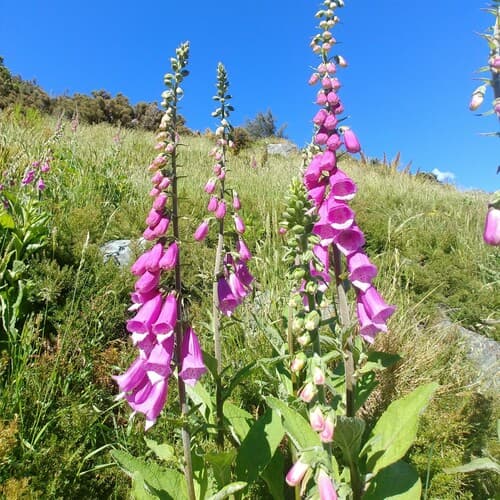
Find rebates in your areaA tall, old-fashioned biennial that spends its first year as a low rosette of soft, fuzzy leaves before sending up a dramatic flower spike lined with bell-shaped blooms in its second year. Once established, it reseeds readily, so new plants tend to appear each season.
How to care for Foxglove, by region
How to care for Foxglove where it is actually grown: year-round basics plus what to do each season, region by region, with the sources for each.
Care guidance last updated: September 2026
Central California Foothills and Coastal Mountains (includes Sacramento, CA)
Year-round
Foxglove is a biennial garden plant from Western Europe that forms a low rosette of leaves in its first year, then sends up a 2 to 5 foot flowering spike in its second year, lined with tubular purple, pink, or white blooms. All parts of the plant are toxic if ingested, so it needs a spot away from curious pets and children.
- Give it moist, well-drained soil high in organic matter; in the hot, dry summers of the Central Valley it does best with afternoon shade to avoid drought stress, which limits flowering.
- It can reach 2 to 5 feet tall in bloom, so give it room toward the back of a bed.
- It self-seeds if flower spikes are left to set seed; deadhead after bloom if you want to limit volunteers, or leave some spikes to let the planting persist year to year.
- All parts of the plant are toxic to people, dogs, cats, and horses if ingested (cardiac glycosides), so keep it out of reach of children and pets.
Its tall, upright spikes read as an intentional cottage-garden accent in a border, but the toxicity means it is best kept out of yards with small children or pets that graze on plants.
Fall
Fall is when new first-year rosettes from summer's dropped seed become established, ahead of next year's bloom.
- Remove finished second-year plants once they have browned and dried after setting seed.
- Thin or transplant crowded first-year seedlings to give them room to grow.
- Water occasionally to help new rosettes establish if fall rains are light in the Central Valley.
Clearing spent flower stalks in fall keeps a foxglove planting from looking untidy through winter.
Winter
First-year plants persist as a low rosette of leaves through the Central Valley's mild winter, ready to send up a flower spike the following spring.
- No regular watering is needed beyond normal winter rainfall.
- Leave the basal rosette in place; it is the plant's overwintering form ahead of next year's bloom.
- No pruning is needed at this stage.
Spring
Spring is when a second-year plant sends up its flowering spike, with bloom typically starting in mid to late spring in the Central Valley's mild climate.
- Keep soil consistently moist as the flower spike develops; do not let it dry out, since drought stress reduces bloom.
- Watch for self-sown first-year rosettes from last year's seed and thin crowded seedlings.
- No fertilizing is typically needed in organically rich garden soil.
Summer
Bloom continues into early summer before the Central Valley's hottest, driest stretch sets in, after which flowering winds down.
- Provide afternoon shade and consistent moisture during hot spells; prolonged drought will cut bloom short.
- Deadhead spent spikes to tidy the planting, or leave some to set seed if you want it to reseed for next year.
- The second-year flowering plant dies after it finishes blooming and setting seed.
Sources: NC State Extension Gardener Plant Toolbox, Digitalis purpurea, ASPCA, Toxic and Non-Toxic Plants: Foxglove
Want these tasks as reminders timed to your yard? Pollinator Patch turns this guidance into a season-by-season care plan for the plants you actually grow.
In an HOA neighborhood
Foxglove is an HOA-friendly choice in the right placement. Maintenance level: moderate. Tidiness: 3 out of 5.
Works well in: cottage garden border, cutting garden.
- all parts of the plant are toxic if ingested; keep away from children and pets
- reseeds freely and may need deadheading to control spread
Wildlife value
The tubular, spotted flowers are a favorite of bumblebees, which climb inside to reach the nectar.
Common questions
- How much sun does Foxglove need?
- Foxglove grows best in part sun conditions.
- When does Foxglove bloom?
- Foxglove blooms in May, June, and July.
- What pollinators does Foxglove attract?
- Foxglove draws bumblebees and bees.
- Is Foxglove HOA-friendly?
- Foxglove is generally an HOA-friendly choice in the right placement, with moderate maintenance.
Pollinator and host plant associations compiled from GBIF, iNaturalist, and published ecological literature.
If something looks wrong
Common plant problems, and what to check first
These come up on almost any plant. Each guide lists the likely causes in the order they are worth ruling out, with one thing to check before you act on any of them, and links to the source it came from.
- It is dying right after planting
- Leaves turning yellow
- Wilting even though I watered it
- Brown crispy leaf tips
- Bugs on the plant
Ready to grow Foxglove? Add it to your garden in Pollinator Patch to track it and get season-by-season care guidance.
Planning a bed around it? Start a free plan with this plant
Not sure where to start? Take the 2-minute yard quiz