Garden Peony
Paeonia lactiflora
Last reviewed: October 2026
Garden Peony (Paeonia lactiflora) is a perennial forb. It blooms in May and June.
Toxicity unknown
Garden Peony (Paeonia lactiflora) is not listed by the ASPCA Animal Poison Control Center (opens in new tab) or the other sources we check, so we have no verdict for it either way. Absence from those lists is not a clearance. If your pet shows symptoms after eating any plant, call the ASPCA at (888) 426-4435.
Light
full sun
Water
medium
Size
24"–36" H × 24"–36" W
Bloom
May, Jun
Native alternatives to Garden Peony
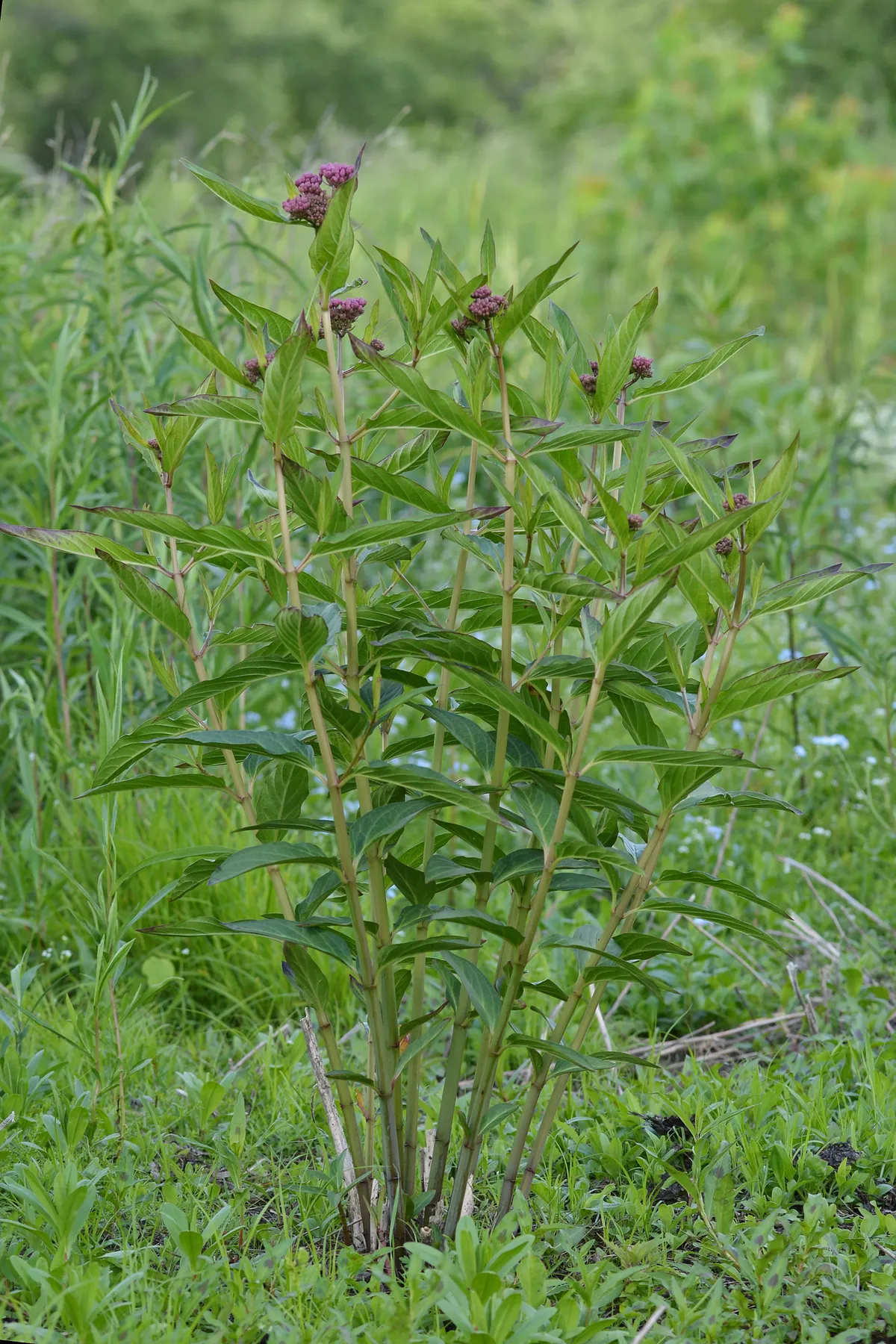
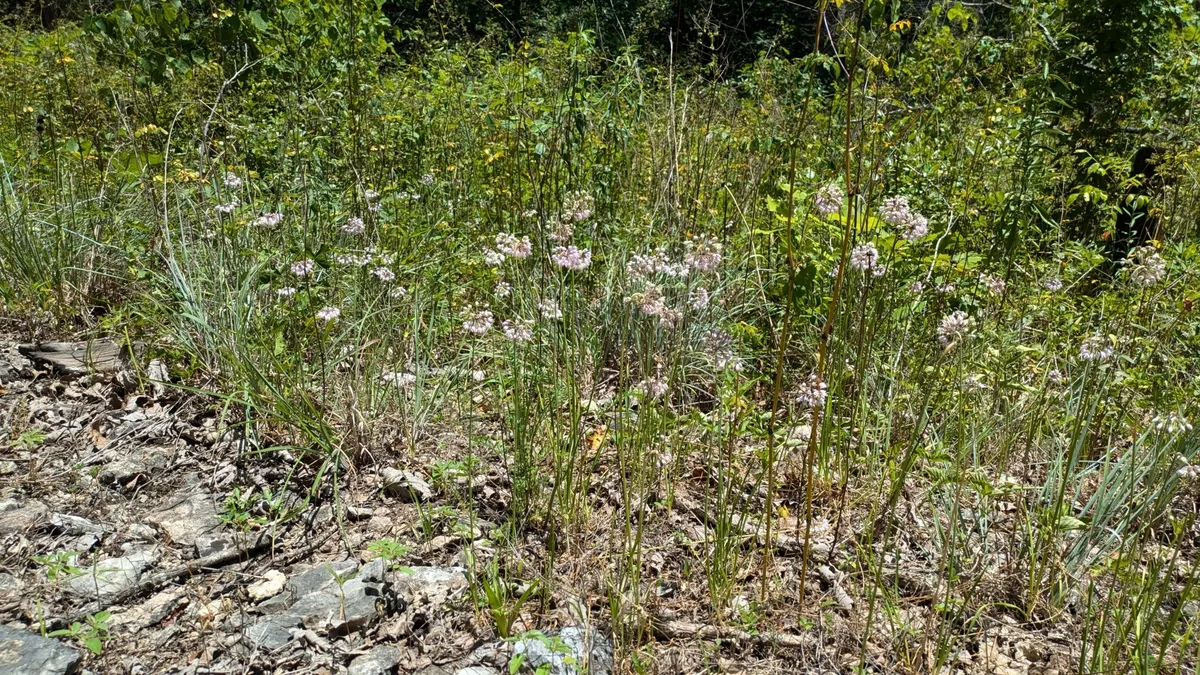
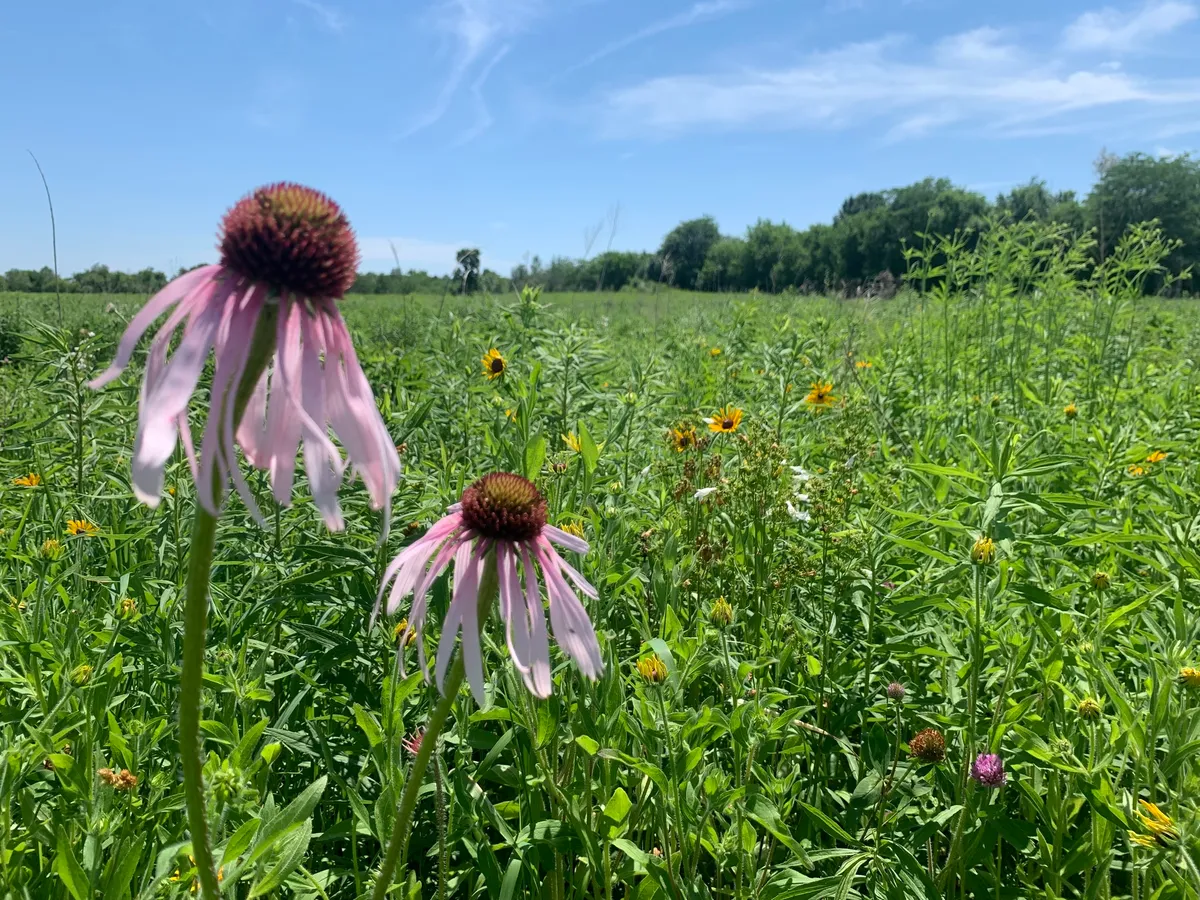
Garden Peony is not native to the United States. These natives fill a similar role in a planting, matched on bloom season, bloom color and mature size.
Before you buy
Your city may pay you to plant this
Cities and water utilities offer rebates for replacing lawn with native and water-wise plants. We track 460 programs across 44 states, each with a link to the provider and the date we last checked it.
Find rebates in your areaPicture natives in your own yard
Wondering what could grow where Garden Peony is now? Upload a photo of the spot and Patch Vision shows a rendering of it replanted with natives for your region.


A long lived clumping perennial with deeply cut foliage and large, heavily petaled flowers in late spring. Plants take two to three years to reach full size and then persist for decades with little intervention. Crowns must be planted shallow, since burying them too deep is the usual reason a peony never blooms.
Growing Garden Peony
Grow Garden Peony in full sun and medium water. Mature plants reach 24 to 36 inches tall and spread 24 to 36 inches wide. Expect moderate maintenance to keep it looking intentional in a front yard.
How to care for Garden Peony, by region
How to care for Garden Peony where it is actually grown: year-round basics plus what to do each season, region by region, with the sources for each.
Care guidance last updated: September 2026
Western Corn Belt Plains (includes Des Moines, IA)
Year-round
Garden peony is a long lived, low fuss perennial that does very well in Des Moines area gardens when it gets full sun and well drained soil. Once it is settled in, it can stay in the same spot for decades with only light yearly care.
- Plant or divide peony roots in September, and set the buds, called eyes, only one to two inches below the soil surface. Planting too deep is the most common reason peonies fail to bloom.
- Give it a full sun spot, at least six hours of direct light a day, away from tree and shrub roots that compete for water and nutrients.
- Water at the base of the plant instead of overhead. Wet foliage helps spread the fungal leaf diseases peonies are prone to.
- Stake floppy, heavy flowered varieties with a hoop in early spring, before the foliage fills in and makes staking harder.
- Once established, peonies rarely need dividing and can be left undisturbed in the garden for many years.
- The ASPCA lists peony as toxic to dogs, cats, and horses, with the compound paeonol able to cause vomiting and diarrhea, so keep pets from chewing on stems, buds, or fallen petals.
Fall
Fall carries the most important seasonal task for garden peony: cutting the foliage down after frost to cut off disease, and for new plantings, deciding whether the bed needs winter mulch.
- After the first hard freeze blackens the leaves, cut all the foliage down to ground level and remove the debris from the garden rather than composting it, since fungal spores overwinter on old leaves and stems.
- September is the best time to dig and divide an overcrowded clump if you are doing it. Keep at least three to five buds, or eyes, per division and replant it right away.
- For peony planted or divided this fall, add a layer of mulch, such as straw or shredded leaves, once the ground has frozen, to help prevent frost heaving over winter.
- Established peonies that have been in the ground more than a year usually do not need winter mulch.
Cutting the foliage down after frost keeps the front bed tidy for winter instead of leaving blackened stalks standing.
Winter
Garden peony is fully dormant through an Iowa winter and needs almost nothing from you until you are checking mulch in late winter or watching for the first shoots in early spring.
- If you mulched a first year planting in fall, leave it in place through winter. It is protecting the roots from the freezing and thawing that causes frost heave.
- Avoid walking on or compacting the bed while the ground is frozen, since damage to buds underground will not show up until spring.
- In late winter, check that mulch has not blown away or washed off, and add a bit more if bare soil is showing over a first year root.
- There is nothing to prune or cut back in winter. That work is already done each fall.
- If you will need to support heavy flowered varieties, this is a good time to find or buy peony hoops before shoots appear in spring.
A cut back, mulched peony bed reads as tidy and intentional through winter.
Spring
Spring is when garden peony sends up red tinged shoots and buds, blooming in late April through May around Des Moines. It is also when early fungal problems tend to show up, so a little cleanup goes a long way.
- Pull back any winter mulch as soon as red shoots emerge so the plant can respond to spring light and warmth.
- Set stakes or a peony hoop around the plant while shoots are still short. It is much harder to place them once the foliage fills in.
- Watch for botrytis blight: young shoots that wilt and fall over, or flower buds that turn brown with gray, fuzzy spores. Cut out and discard affected buds or shoots right away rather than composting them.
- Ants on the buds are normal and not a problem. They are after the sugary nectar and do not help or hurt the bloom, so there is no need to treat them.
- Deadhead spent flowers after bloom so the plant puts energy into next year's buds instead of seed pods.
Deadheading spent blooms keeps a front bed looking tidy through late spring.
Summer
Once garden peony finishes blooming, summer is a quiet season focused on watching for leaf disease and keeping the plant reasonably hydrated through Iowa's hot, humid stretches.
- Keep watering at the base of the plant during dry spells. Established peonies do better with deep, less frequent watering than frequent shallow watering.
- Watch for leaf blotch, which shows up as purplish brown spots on top of the leaves, and powdery mildew, a white to gray powdery coating. Both are more common in warm, humid weather.
- Improve airflow by not crowding peony with other perennials, and avoid handling the foliage while it is wet, since that spreads fungal spores.
- Most Iowa garden soils do not need extra fertilizer for peony. Overfeeding can push soft growth that is more prone to disease.
- Leave the foliage standing through summer even though the blooms are done. It is still feeding the roots for next year's flowers.
Sources: Iowa State University Extension and Outreach, Growing Peonies in Iowa, ASPCA, Toxic and Non-toxic Plants: Peony, Wisconsin (Kenosha County) Extension, Winter Mulch Your Landscape Plants, Iowa State University Extension and Outreach, How to Manage Potential Problems Growing Peonies, University of Illinois Extension, What are those spots on my peony? Powdery mildew and leaf blotch
Willamette Valley (includes Portland, OR)
Year-round
How to plant and grow common garden peony (Paeonia lactiflora) in the Portland, Oregon area.
- Garden peony originally comes from China, Mongolia and eastern Siberia, not the Pacific Northwest, but Portland's cool winters and mild summers happen to suit it well.
- Give it a spot with at least 6 hours of direct sun and room for air to move around the leaves. Shade and crowding are the top reasons a peony stops blooming or picks up fungal spotting.
- The single biggest planting mistake is burying the pink buds, called eyes, too deep. Keep them no more than 2 inches below the soil surface or you may get leaves and no flowers for years.
- Work compost, composted manure or peat moss into the planting hole. Amending the soil this way helps water drain away from the roots instead of sitting around them.
- Peonies can live in the same spot for decades and dislike being dug up or divided, so pick a permanent home the first time rather than planning to move it later.
- The ASPCA lists peony (genus Paeonia) as toxic to dogs, cats and horses because of a compound called paeonol, concentrated mainly in the roots. Expect vomiting, diarrhea and lethargy if a pet eats plant material, it is usually not life threatening but keep pets from digging up the roots.
Fall
Fall cleanup for garden peony in Portland is the single most important disease-prevention step of the year.
- Once the foliage yellows and dies back after the first frost, which lands around early October in Portland on average, cut all the stems down to the soil line.
- Rake up and throw away the cut stems and fallen leaves rather than composting them. The fungus behind botrytis blight overwinters in that leftover debris and tends to come back worse the next year if it's left in the bed.
- Wipe pruners down with rubbing alcohol between plants if you're cutting back more than one peony, so you don't carry disease from a sick plant to a healthy one.
- Fall, not spring, is the right time to divide a peony if you ever need to move it, though most gardeners never need to since an established plant can go decades undisturbed.
A full fall cutback leaves a clean, empty bed instead of blackened, collapsing stalks sticking up through winter, which reads as tended rather than neglected from the street.
Winter
Winter care for garden peony in Portland is mostly hands off while the plant sits dormant.
- Peonies need a real cold spell to reset and flower well the next spring. Portland gets regular freezing nights roughly between early October and mid May, plenty of winter chill for this plant, unlike warm coastal or southern climates where peonies struggle to bloom at all.
- Once fall cutback is done, there's nothing left to do until new red shoots push up on their own in late winter or early spring.
- A couple of inches of compost or mulch spread after cutback protects the crown through winter and breaks down to feed the plant come spring, no need to pile it deep.
- Don't bury the crown under a thick mound of mulch or leaves for insulation. Peonies are fully cold hardy here, and heavy winter mulch mostly just traps moisture against the crown and invites rot.
A cut-back, lightly mulched peony bed reads as tidy and intentional through winter rather than looking neglected.
Spring
Spring care for garden peony in Portland: shoots emerge, buds form, and wet weather brings disease risk.
- Portland's average last spring frost lands around mid to late May and the first fall frost isn't until early October, one of the longer, cooler growing seasons on the West Coast, and peony shoots handle a late cold snap just fine.
- As soon as buds show ants crawling on them, leave them alone. The ants just want the sweet coating on the bud and do not hurt the plant or the eventual bloom.
- Full double flowers get too heavy for their own stems. Set a peony ring or stakes around the plant while it's still short in spring, before the buds open and flop over after a rain.
- Cool, wet spring weather here is exactly when gray mold (botrytis) shows up. Watch for blackened buds or stems and cut them out right away with clean pruners instead of waiting.
Staking the plant before bloom keeps top-heavy flowers from flopping onto a walkway or lawn after rain, which reads as tidier from the curb.
Summer
Summer care for garden peony in Portland, once the bloom is over and dry weather sets in.
- After the flowers fade, snip spent blooms off just above a leaf. Removing the dying flower heads keeps rotting petals from sitting on wet foliage and inviting more gray mold.
- Portland summers turn dry once the spring rains stop, so give an established peony a deep soak every couple of weeks during active growth rather than frequent shallow watering.
- Water at the soil line instead of overhead. Wetting the leaves, especially in the evening, is one of the easiest ways to invite fungal disease on peony foliage.
- The dark green foliage left after bloom is doing the work of building next year's flower buds underground, so leave it in place and don't cut the plant back until fall.
Deadheading spent blooms keeps the bed looking tended through summer instead of showing browned, collapsing flower heads out front.
Sources: ASPCA Toxic and Non-Toxic Plants: Peony, Wikipedia: Paeonia lactiflora (community tip), Iowa State University Extension: How to Manage Potential Problems Growing Peonies, Gardening Know How: Peonies Not Blooming (community tip), Swansons Nursery: Planting and Caring for Peonies in the Northwest (community tip), University of Missouri Extension: Botrytis Blight of Peony
In an HOA neighborhood
Garden Peony takes more care to keep looking intentional in a front yard. Maintenance level: moderate. Consider it for backyard or mid-zone beds rather than the street edge.
Works well in: front yard, foundation bed, border.
Wildlife value
Flowers offer nectar that generalist visitors will use, but as a non-native it feeds no local caterpillars. Treat it as garden interest rather than habitat.
Common questions
- How much sun does Garden Peony need?
- Garden Peony grows best in full sun conditions.
- When does Garden Peony bloom?
- Garden Peony blooms in May and June.
- Is Garden Peony HOA-friendly?
- Garden Peony takes more care to look intentional in a front yard. Consider it for backyard or mid-zone beds rather than the street edge.
Pollinator and host plant associations compiled from GBIF, iNaturalist, and published ecological literature.
If something looks wrong
Common plant problems, and what to check first
These come up on almost any plant. Each guide lists the likely causes in the order they are worth ruling out, with one thing to check before you act on any of them, and links to the source it came from.
- It is dying right after planting
- Leaves turning yellow
- Wilting even though I watered it
- Brown crispy leaf tips
- Bugs on the plant
Ready to grow Garden Peony? Add it to your garden in Pollinator Patch to track it and get season-by-season care guidance.