Impatiens
Impatiens walleriana
Last reviewed: October 2026
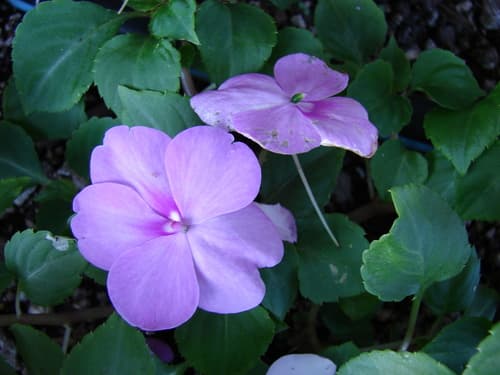
Impatiens (Impatiens walleriana) is not on the ASPCA Animal Poison Control Center toxic plant list for dogs or cats (aspca.org (opens in new tab), last reviewed 2026-08-15). If your pet shows symptoms after eating any plant, call the ASPCA at (888) 426-4435.
Light
shade
Water
high
Size
8"–24" H × 12"–24" W
Bloom
May, Jun, Jul, Aug, Sep, Oct
Native alternatives to Impatiens
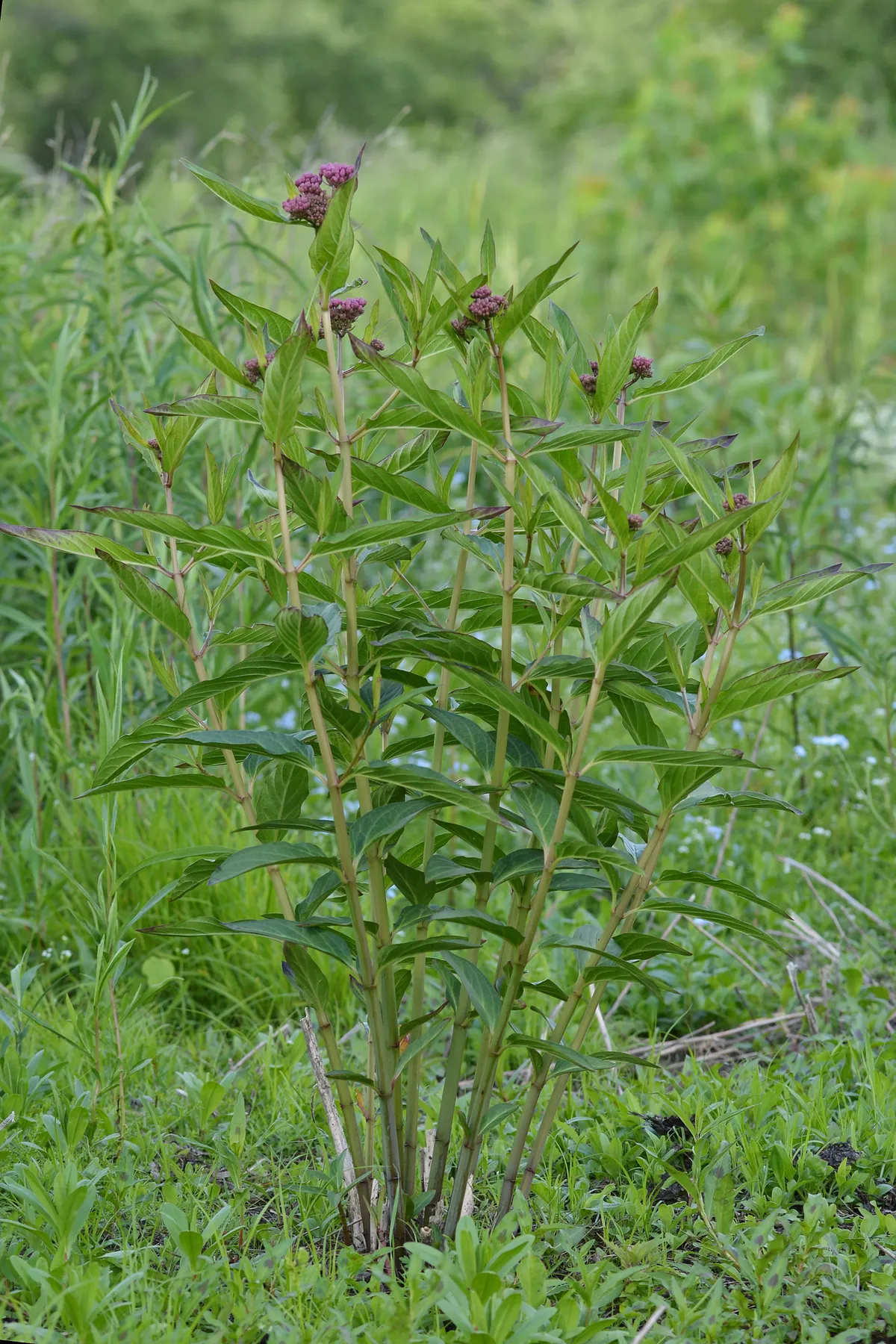
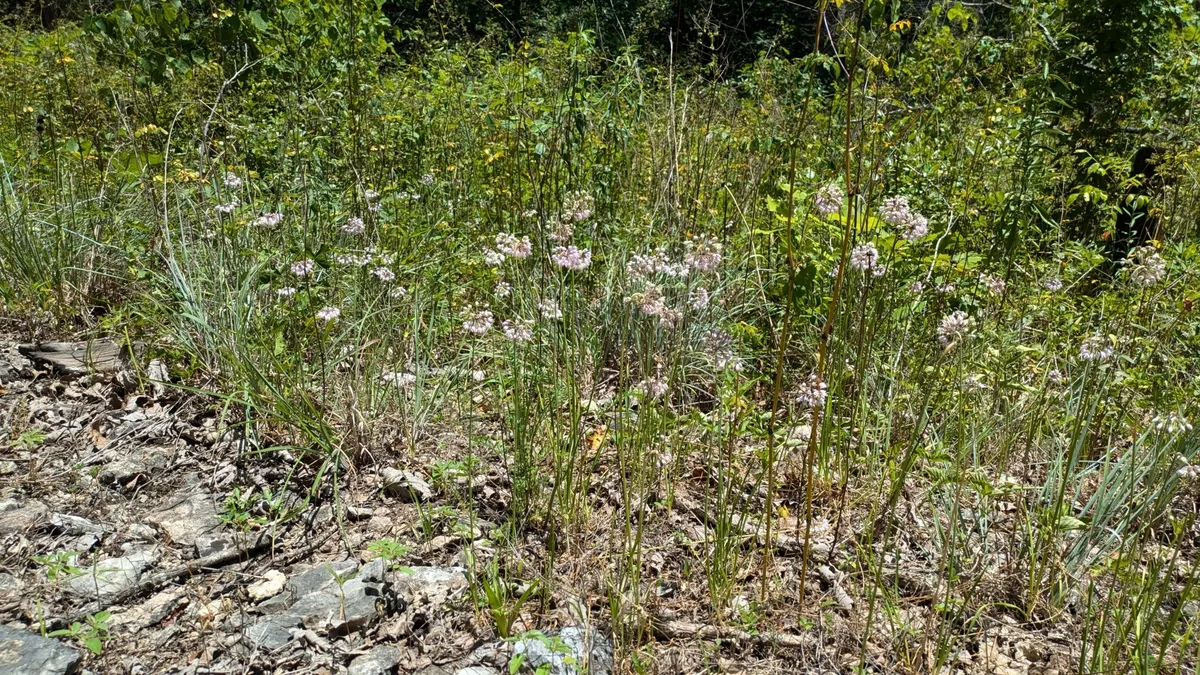
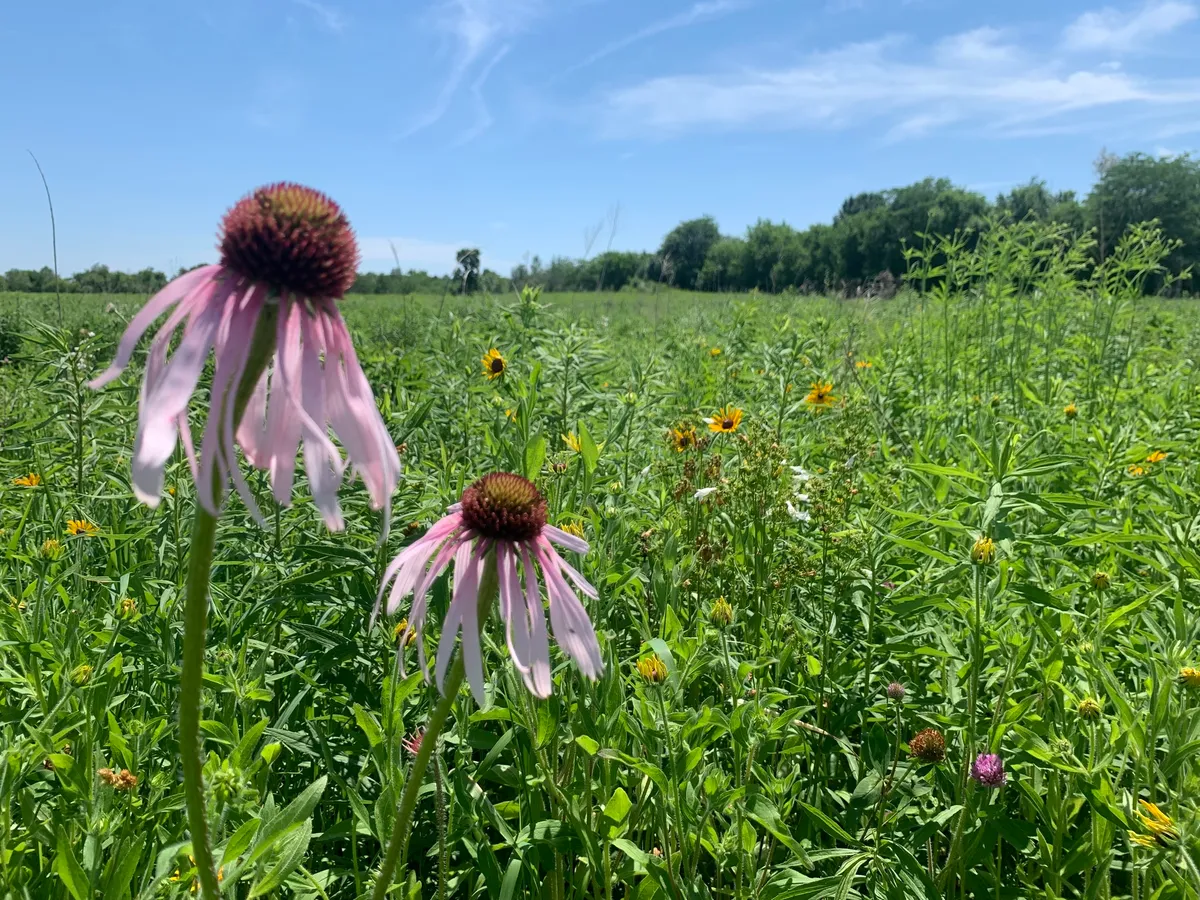
Impatiens is not native to the United States. These natives fill a similar role in a planting, matched on bloom season, bloom color and mature size.
Before you buy
Your city may pay you to plant this
Cities and water utilities offer rebates for replacing lawn with native and water-wise plants. We track 460 programs across 44 states, each with a link to the provider and the date we last checked it.
Find rebates in your areaPicture natives in your own yard
Wondering what could grow where Impatiens is now? Upload a photo of the spot and Patch Vision shows a rendering of it replanted with natives for your region.


A tender annual grown for continuous flowering in shade, in white, pink, coral, and red. It wilts quickly when dry and recovers within hours once watered. Downy mildew has made it unreliable in some gardens.
In an HOA neighborhood
Impatiens takes more care to keep looking intentional in a front yard. Maintenance level: moderate. Consider it for backyard or mid-zone beds rather than the street edge.
Works well in: front yard, foundation bed, border.
Wildlife value
Grown as an ornamental. Non-native plants support far fewer local insects than a native of similar size, so treat this as garden interest rather than habitat.
Common questions
- How much sun does Impatiens need?
- Impatiens grows best in shade conditions.
- When does Impatiens bloom?
- Impatiens blooms in May, June, July, August, September, and October.
- Is Impatiens toxic to dogs?
- Impatiens is not on the ASPCA Animal Poison Control Center toxic plant list for dogs (aspca.org).
- Is Impatiens toxic to cats?
- Impatiens is not on the ASPCA Animal Poison Control Center toxic plant list for cats (aspca.org).
- Is Impatiens HOA-friendly?
- Impatiens takes more care to look intentional in a front yard. Consider it for backyard or mid-zone beds rather than the street edge.
Pollinator and host plant associations compiled from GBIF, iNaturalist, and published ecological literature.
If something looks wrong
Common plant problems, and what to check first
These come up on almost any plant. Each guide lists the likely causes in the order they are worth ruling out, with one thing to check before you act on any of them, and links to the source it came from.
- It is dying right after planting
- Leaves turning yellow
- Wilting even though I watered it
- Brown crispy leaf tips
- Bugs on the plant
Ready to grow Impatiens? Add it to your garden in Pollinator Patch to track it and get season-by-season care guidance.