Large Thyme
Thymus pulegioides
Last reviewed: October 2026
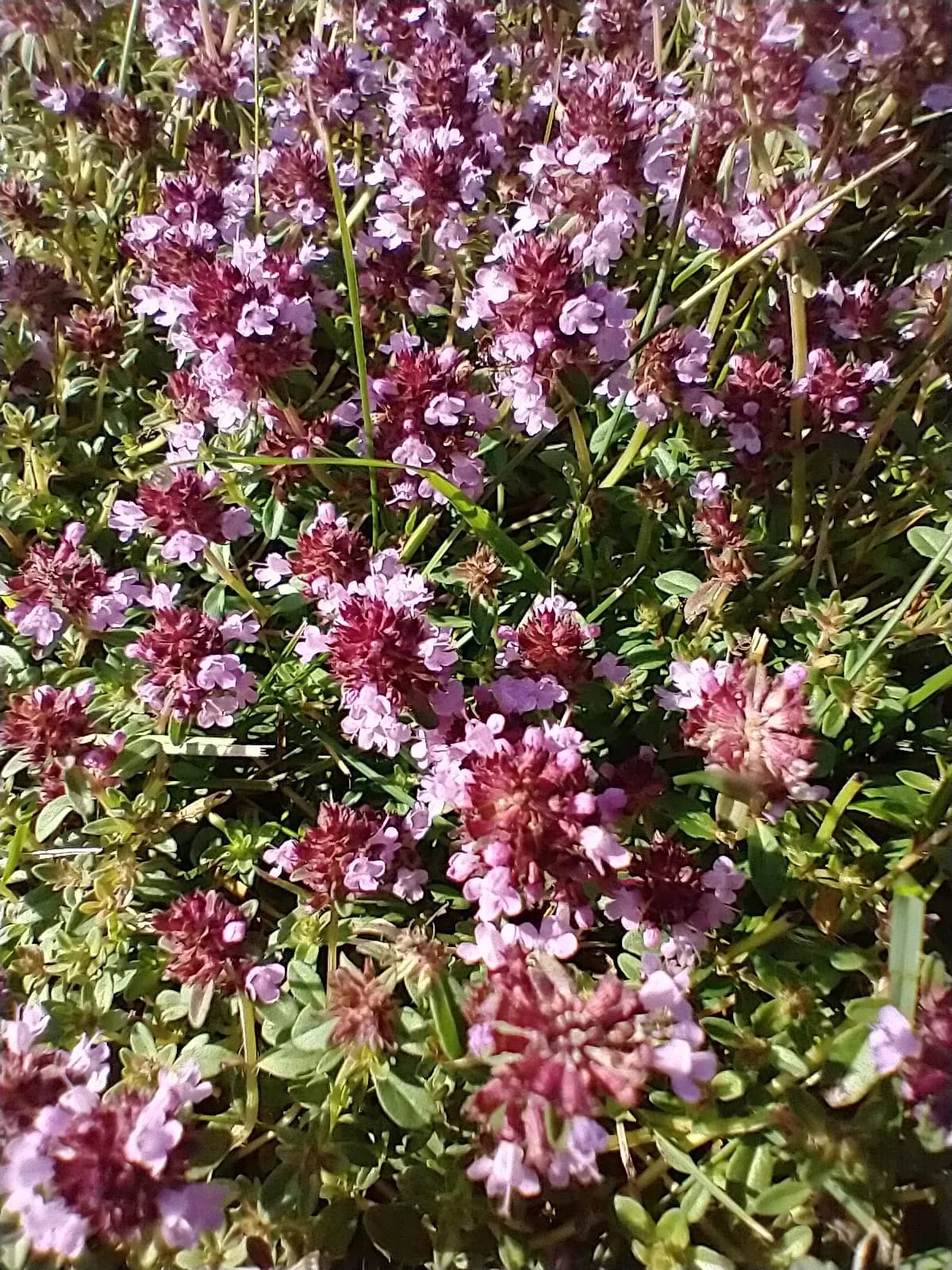
Large Thyme (Thymus pulegioides) is a perennial forb. It blooms in July, August, and September. The flowers draw bees, butterflies, and wasps.
Toxicity unknown
Large Thyme (Thymus pulegioides) is not listed by the ASPCA Animal Poison Control Center (opens in new tab) or the other sources we check, so we have no verdict for it either way. Absence from those lists is not a clearance. If your pet shows symptoms after eating any plant, call the ASPCA at (888) 426-4435.
Light
full sun
Water
low
Size
4"–12" H × 6"–18" W
Bloom
Jul, Aug, Sep
Pollinators
bees, butterflies, wasps
Native alternatives to Large Thyme
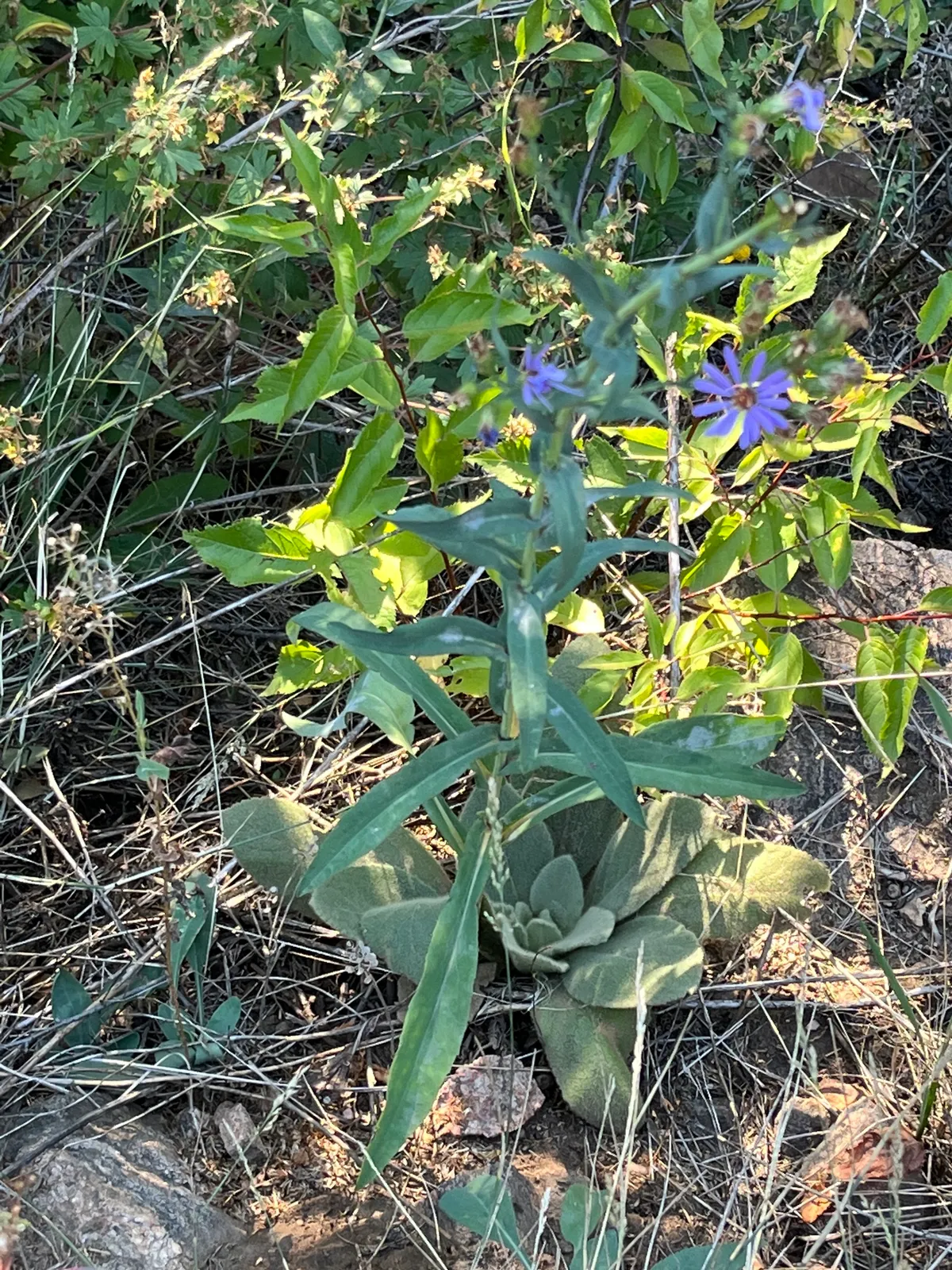
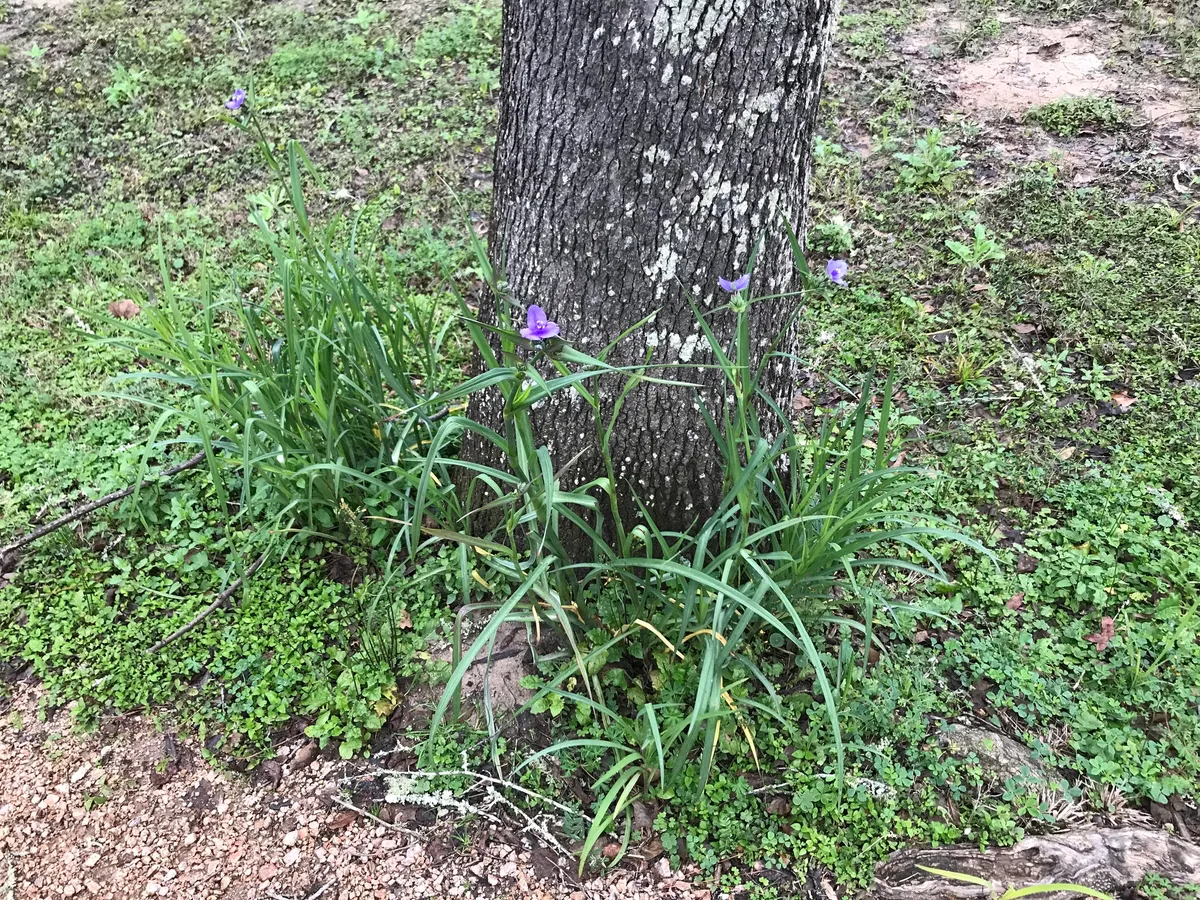
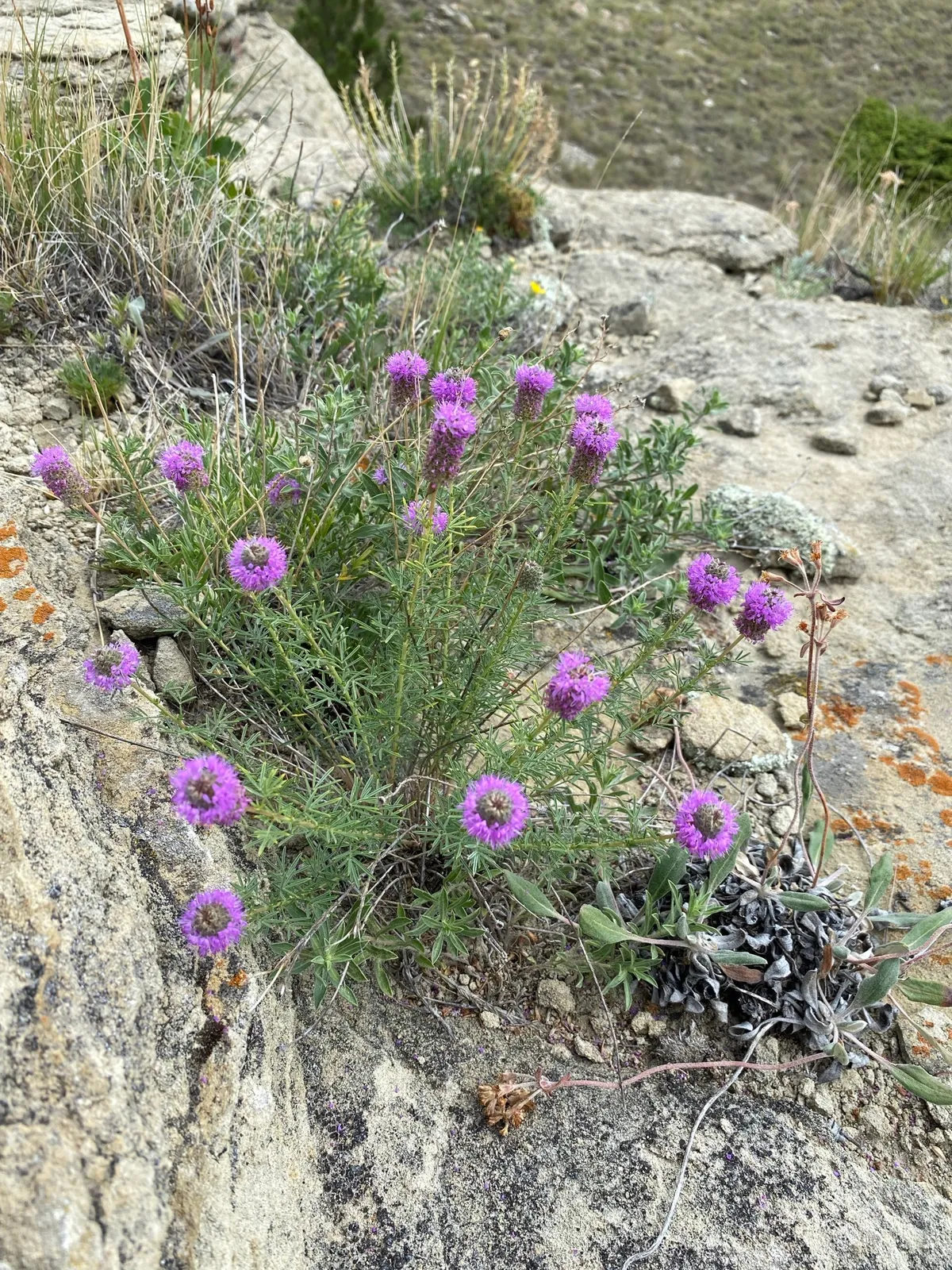
Large Thyme is not native to the United States. These natives fill a similar role in a planting, matched on bloom season, bloom color and mature size.
Before you buy
Your city may pay you to plant this
Cities and water utilities offer rebates for replacing lawn with native and water-wise plants. We track 459 programs across 44 states, each with a link to the provider and the date we last checked it.
Find rebates in your areaPicture natives in your own yard
Wondering what could grow where Large Thyme is now? Upload a photo of the spot and Patch Vision shows a rendering of it replanted with natives for your region.


Large thyme is a low-growing, evergreen perennial herb that forms dense, spreading mats of small, aromatic leaves. It produces clusters of tiny pink or purple flowers from July through September and maintains its foliage year-round. This drought-tolerant groundcover works well in sunny, well-drained areas and releases a pleasant fragrance when brushed against.
Growing Large Thyme
Grow Large Thyme in full sun and low water. Mature plants reach 4 to 12 inches tall and spread 6 to 18 inches wide. Expect low maintenance to keep it looking intentional in a front yard.
How to care for Large Thyme, by region
How to care for Large Thyme where it is actually grown: year-round basics plus what to do each season, region by region, with the sources for each.
Care guidance last updated: July 2026
Ozark Highlands (includes Springfield, MO)
Year-round
Large thyme is a low, evergreen, mat-forming herb that stays under a foot tall and slowly creeps along the ground by rooting stems. Around Springfield the biggest thing to get right is drainage, because thyme comes from dry, rocky Mediterranean ground and hates wet feet. Our Ozark summers are humid and our clay-and-chert spots can hold water, and that combination is what rots the crown and roots. Plant it in gritty, well-drained soil in full sun, ideally on a slope or a slightly raised spot, and water lightly only when the soil is dry. Culinary thyme is not on the ASPCA toxic plant list, so it is a safe pick around dogs, cats, and horses.
- Give it full sun, at least 6 hours a day, for tight, tidy growth
- Plant in gritty, sharply drained soil, on a slope or raised spot if you can
- Water low and only when the top inch of soil is dry, drought is fine
- Skip the heavy compost and rich fertilizer, lean soil keeps it compact
- Shear lightly after the July to September bloom to keep it neat
- Great as a path edger or between stepping stones where it can drain
A tidy, low, slow-spreading groundcover like this reads as intentional and calm, which fits most HOA-conscious front-yard settings.
Fall
Fall is the second good planting window in Springfield, giving roots time to settle before winter as long as you plant early enough for them to establish. This is also cleanup time, so trim spent flower stems and any leggy growth to keep the mat dense heading into the cold. Make sure the plant is sitting in well-drained soil, because wet feet plus coming winter cold is the deadliest combination for thyme here. Ease off watering as the weather cools and rain picks up. Hold heavy mulch until the ground is near freezing so you do not trap fall moisture against the crown.
- Plant early fall so roots settle before hard freezes
- Trim spent flower stems and leggy growth for a dense mat
- Confirm sharp drainage, wet feet plus cold is what kills it
- Cut back watering as fall rains and cool weather arrive
- Wait to mulch until the ground is near freezing, not before
- Clear fallen leaves off the mat so it does not stay damp
Winter
Thyme is evergreen and cold-hardy through Springfield winters, so it usually rides out zone 6b to 7a freezes without much fuss. The real winter danger here is not cold alone but cold plus wet, since soggy soil during freeze and thaw cycles and our occasional ice rots the crown. Keep it in a spot that drains well and never sits in standing water. A light, airy mulch like straw or pine needles around, not piled on, the plant helps against hard freezes and drying winter wind. Do no hard pruning now, wait until spring growth returns to clean it up.
- Expect it to stay evergreen through zone 6b to 7a winters
- Guard against cold plus wet, that combo rots the crown
- Keep it out of any spot that holds standing water or ice melt
- Use a light straw or pine-needle mulch around, not piled on, the plant
- Hold off hard pruning until spring growth returns
- Brush heavy snow or ice off the mat so it is not smothered
Spring
Spring is the main planting window for thyme around Springfield, once the ground has thawed and the worst hard freezes are past. Set new plants into gritty, fast-draining soil in full sun, and space them so air moves freely between them, since our spring rains can keep soil damp. Pull back winter mulch as growth starts so the crown can dry out and warm up. Trim off any dead or winter-burned stems to make room for fresh growth. Hold off on rich fertilizer, thyme grows tighter and more aromatic in lean soil.
- Plant after the ground thaws and hard freezes are done
- Rake winter mulch away from the crown so it can dry and warm
- Snip out dead or winter-burned stems to spark fresh growth
- Space plants for airflow to fight our damp spring soil
- Water only if spring turns dry, do not keep the soil wet
- Skip heavy feeding, lean soil keeps it compact and fragrant
Summer
Summer is when Ozark humidity is hardest on thyme, so this is the season to protect it from rot rather than baby it with water. Tiny pink to purple flowers open from July into September and pull in bees and butterflies, so let it bloom before you cut anything back. Water only in a real drought, and let the soil dry out fully between waterings, since soggy summer soil is what invites crown and root rot. Keep it in full sun with good airflow, and pull any weeds crowding the mat so it does not trap moisture. A light shear after the flowers fade keeps it tidy and can nudge a second flush.
- Let it bloom July to September, it feeds bees and butterflies
- Water only in true drought, let soil dry fully between waterings
- Watch low, poorly drained spots for crown and root rot in humidity
- Keep full sun and airflow, thin crowding weeds around the mat
- Shear lightly after bloom to keep it neat and tidy
- Do not mulch heavily against the stems in the humid heat
Sources: ASPCA Animal Poison Control, Thyme (non-toxic to dogs, cats, horses), Missouri Botanical Garden, Thymus culture and well-drained soil needs, University of Missouri Extension, herb planting and care in Missouri, Old Farmer's Almanac, thyme winter hardiness and mulching for cold (community tip), Xerces Society, thyme flowers as a bee and pollinator nectar source
In an HOA neighborhood
Large Thyme takes more care to keep looking intentional in a front yard. Maintenance level: low. Consider it for backyard or mid-zone beds rather than the street edge.
Works well in: front yard, foundation, street edge, mid zone.
Wildlife value
The summer blooms attract bees, butterflies, and beneficial wasps, providing nectar during the peak growing season. The dense mat structure can also offer shelter for small beneficial insects.
Common questions
- When does large thyme bloom?
- Large thyme typically flowers from July through September, producing small clusters of purple to pink blooms along its low, spreading stems.
- What pollinators visit large thyme?
- Bees, butterflies, and wasps regularly visit the flowers of large thyme for nectar during its summer bloom period.
- How much water does large thyme need?
- Large thyme prefers low water once established and grows best in well-drained soil that does not stay wet, similar to its rocky, dry-meadow habitats in Europe.
- What growing conditions suit large thyme best?
- This low-growing forb does best in full sun to part sun, with lean, gritty, well-drained soil that mimics dry slopes and open grassland.
- Is Large Thyme HOA-friendly?
- Large Thyme takes more care to look intentional in a front yard. Consider it for backyard or mid-zone beds rather than the street edge.
These answers were drafted with an AI model from this plant's data. Verify care details with a local expert.
Pollinator and host plant associations compiled from GBIF, iNaturalist, and published ecological literature.
If something looks wrong
Common plant problems, and what to check first
These come up on almost any plant. Each guide lists the likely causes in the order they are worth ruling out, with one thing to check before you act on any of them, and links to the source it came from.
- It is dying right after planting
- Leaves turning yellow
- Wilting even though I watered it
- Brown crispy leaf tips
- Bugs on the plant
Ready to grow Large Thyme? Add it to your garden in Pollinator Patch to track it and get season-by-season care guidance.