Lobed Tickseed
Coreopsis auriculata
Last reviewed: September 2026
Coreopsis auriculata, or lobed tickseed, is a low-growing forb that blooms golden yellow from May through September in full sun to part shade. It spreads by stolons to form a groundcover and handles dry to medium soil once established.
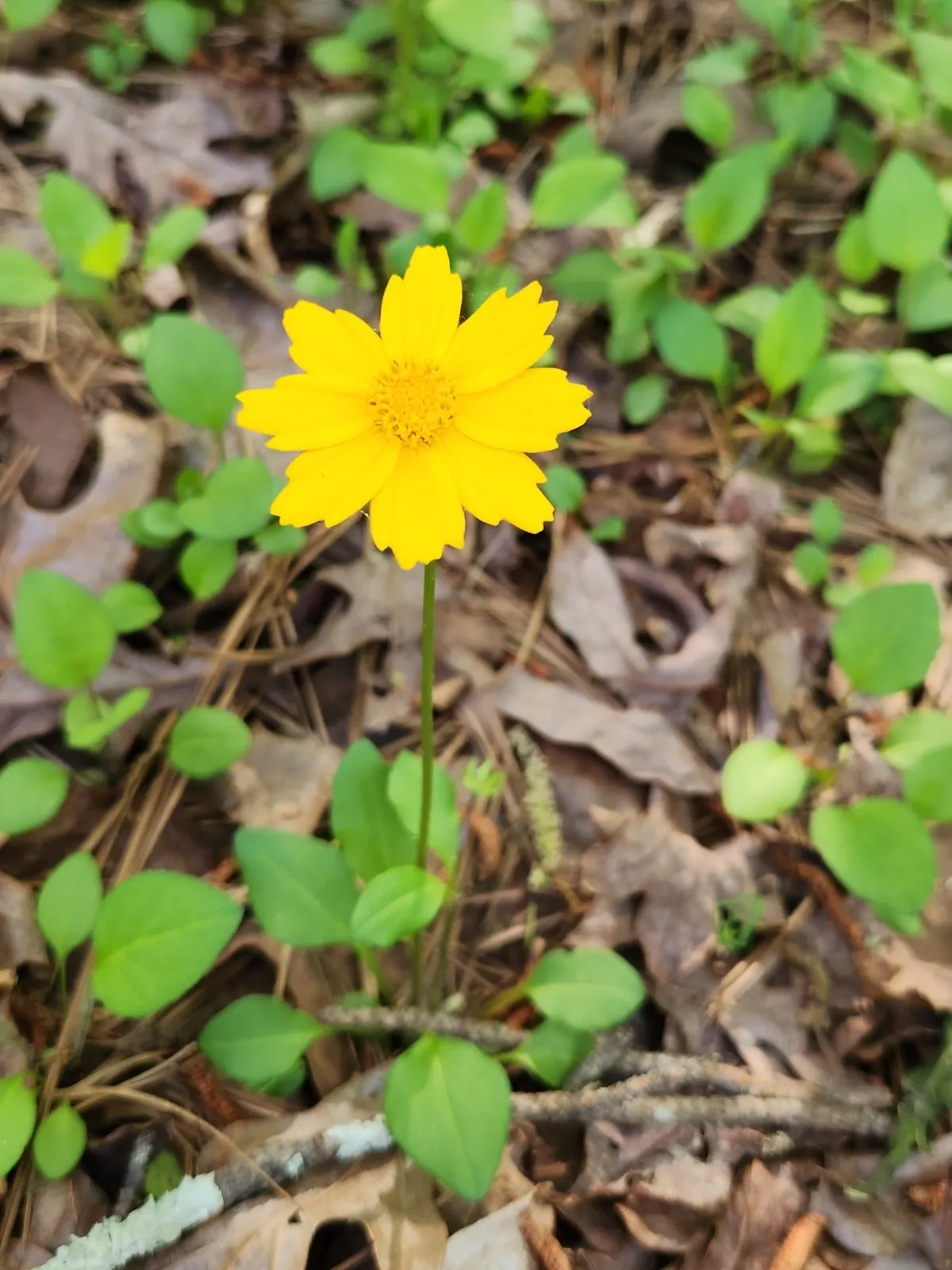
Lobed Tickseed (Coreopsis auriculata) is not on the ASPCA Animal Poison Control Center toxic plant list for dogs or cats (aspca.org (opens in new tab), last reviewed 2026-05-21). If your pet shows symptoms after eating any plant, call the ASPCA at (888) 426-4435.
Light
full sun
Water
medium
Size
12"–24" H × 12"–24" W
Bloom
May, Jun, Jul, Aug, Sep
Native to
AL, FL, GA, KY and 7 more states
Pollinators
bees, butterflies, beetles
Before you buy
Your city may pay you to plant this
Cities and water utilities offer rebates for replacing lawn with native and water-wise plants. We track 459 programs across 44 states, each with a link to the provider and the date we last checked it.
Find rebates in your areaPicture natives in your own yard
Upload a photo of your yard and Patch Vision shows a rendering of it planted with natives for your region, like Lobed Tickseed.


Browse plants for this ecoregion
Lobed tickseed is a compact native perennial that produces bright yellow daisy-like flowers from late spring through early fall. This low-maintenance wildflower forms neat clumps and tolerates drought well once established. The cheerful blooms make excellent cut flowers and provide months of reliable color.
Growing Lobed Tickseed
Grow Lobed Tickseed in full sun and medium water. Mature plants reach 12 to 24 inches tall and spread 12 to 24 inches wide. Expect low maintenance to keep it looking intentional in a front yard.
How to care for Lobed Tickseed, by region
How to care for Lobed Tickseed where it is actually grown: year-round basics plus what to do each season, region by region, with the sources for each.
Care guidance last updated: October 2026
Cross Timbers (includes Fort Worth, TX)
Year-round
Lobed tickseed is a low, spreading perennial grown here as a garden plant rather than a Texas native, with small yellow daisy flowers over a bushy mounded clump.
- Plant it in full sun in well drained soil, it slowly spreads into a low bushy clump by underground runners.
- Water regularly through the first growing season, especially in July and August, established plants tolerate brief dry spells but decline if the soil stays bone dry for long stretches.
- In heavy black clay, plant it high on a slight mound or work in compost so water does not pool around the crown, in the sandier soils west of the metro it drains faster on its own but needs water more often through the first summer.
- Divide a crowded clump every two to three years in spring to keep it vigorous and to control spread.
- Not on the ASPCA toxic plant list for dogs, cats, or horses.
Fall
Fall brings cooler temperatures and, if you kept up with summer deadheading, a light second flush of flowers.
- Watch for a scattering of yellow flowers into September or October, especially where the plant was deadheaded through summer.
- Cut the clump back to about 4 to 6 inches once flowering finishes and before the mid November first frost, to clean up dead stems.
- This is a good time to divide an overcrowded clump if you skipped it in spring, milder weather and steadier rain ease transplant stress.
- Hold off on fertilizing from here through winter, an established clump does not need it going into dormancy.
A clean fall cutback keeps the clump from reading as neglected once it goes dormant over winter.
Winter
The plant goes dormant in winter and needs little beyond leaving the cut back clump alone through cold snaps.
- Leave the cut back clump alone through winter, new growth resumes from the crown once the soil warms in spring.
- A 2 inch layer of leaf mulch over the crown adds some insulation during a hard freeze or a severe Arctic outbreak, pull it back in early spring.
- Avoid walking on or compacting the dormant crown, the plant spreads by shallow underground runners just below the surface.
- Skip watering unless winter turns unusually dry for several weeks in a row.
A neat mulch layer over the dormant clump keeps the bed looking tended rather than bare through winter.
Spring
Spring is the plant's main bloom period and the best window to get a new plant established before summer heat arrives.
- Plant new nursery starts in March or April, after the mid March last frost date, so roots have time to establish before the hard summer heat.
- The main flush of small yellow, scallop-edged flowers usually runs from April into June.
- Water new plantings two to three times a week for the first six weeks to help roots take hold.
- Pinch or snip off spent flower stalks as they fade, this keeps the clump neat and encourages more blooms.
A tidy mounded clump of small yellow flowers along a bed edge or walkway reads as an intentional, cared for planting.
Summer
Summer heat is the hard season for this plant, regular deadheading and a mid summer trim keep a few flowers coming even as the main bloom fades.
- Water once or twice a week during July and August, when weeks can pass without rain and afternoon highs top 100F.
- Shear the clump back by about half in mid summer once the first bloom flush fades, this tidies the plant and can bring on a lighter rebloom into fall.
- Check soil moisture more often in the sandier soils west of the metro, it dries out faster there and stressed plants wilt first.
- Skip heavy fertilizer in summer, it pushes weak, floppy growth in the heat.
A mid summer shearing keeps the bed looking maintained instead of leggy and spent during the hottest stretch of the year.
Sources: Lady Bird Johnson Wildflower Center: Coreopsis auriculata, Missouri Botanical Garden Plant Finder: Coreopsis auriculata 'Nana', ASPCA: Coreopsis (Tickseed) toxicity
Interior Plateau (includes Cincinnati, OH)
Year-round
Lobed tickseed is not originally from the Cincinnati area, but it grows here just fine.
- This plant is a southeastern US wildflower. It is native from Virginia and Kentucky south through Georgia and Louisiana, not the Ohio Valley.
- It still handles Cincinnati winters well because it is hardy from USDA zone 4 through zone 9, and zone 6b sits right in the middle of that range.
- Give it full sun to light shade and soil that drains well. It likes a little regular moisture but does not want to sit wet.
- It spreads slowly by short runners into a low, tidy mat, so leave a few inches of room from a sidewalk or bed edge.
- It is non-toxic to dogs and cats per the ASPCA, so it is a fine pick for yards with pets.
Fall
Fall is a low-maintenance season, the foliage mostly just stays put.
- Leave the foliage in place through fall. It is semi-evergreen and gives the bed some structure into winter.
- Skip a hard cutback now, save that task for early spring instead.
- Fall is a good time to divide a clump that has spread wider than you want, since cooler weather is easier on the roots.
Leaving the low, semi-evergreen foliage in place keeps the bed looking tidy and HOA-friendly into fall.
Winter
Winter is quiet, this plant is reliably hardy through a Cincinnati winter without help.
- Cincinnati's zone 6b winters are well within this plant's zone 4 to 9 hardiness range, so no winter protection is needed.
- The basal foliage often stays low and semi-evergreen through a mild winter, then gets a fresh cutback in early spring.
- Skip fertilizer and skip extra watering while the plant is dormant.
The low, semi-evergreen foliage keeps a tidy winter silhouette, which reads as HOA-conscious even in the off season.
Spring
Spring is when lobed tickseed wakes up and puts on its first flush of yellow blooms.
- Cut back any tattered winter foliage in early spring, before new growth picks up, so the clump looks fresh for the season.
- Wait until nights are reliably above freezing, Cincinnati's average last frost lands around mid-April, before dividing or moving plants.
- New growth is low and spreads by short runners, so give it a little extra room from a bed edge or walkway.
A quick early-spring cutback of old foliage keeps the front bed looking HOA-friendly before new growth fills in.
Summer
Summer is peak bloom, and deadheading is the main job to keep flowers coming.
- Deadhead spent flowers to encourage new buds through the summer.
- Water during dry stretches, especially in the plant's first year, even though it needs little water once established.
- A light layer of mulch helps keep roots cool, since Cincinnati summers can get hot and humid compared to this plant's native range.
Regular deadheading keeps the bed looking neat and HOA-conscious through peak bloom season.
Sources: Lady Bird Johnson Wildflower Center, Coreopsis auriculata, NC State Extension Gardener Plant Toolbox, Coreopsis auriculata, ASPCA Toxic and Non-Toxic Plants, Coreopsis
Mississippi Valley Loess Plains (includes Memphis, TN)
Year-round
Mouse-ear coreopsis (Coreopsis auriculata) is a low-growing wildflower that is genuinely native to Tennessee. In Memphis it is an easy, spreading plant for a sunny bed, and it draws butterflies while its seeds feed songbirds.
- Give it full sun to about 3 to 6 hours of part shade a day.
- Plant it in loose, well-drained soil, sandy or loamy, on the acidic to neutral side.
- It spreads on its own by low runners, so give it room or plan to divide the clump every third year.
- Deadhead spent flowers through the growing season to keep new blooms coming.
- The ASPCA does not list coreopsis, the tickseed genus, as toxic to dogs, cats, or horses.
A low, spreading mound with tidy deadheading reads as an intentional bed plant rather than a weed patch.
Fall
Cooler fall weather often brings a second, lighter round of yellow blooms, and the seed heads left standing feed songbirds through the season.
- Watch for a scattered fall rebloom that can run until the first frost, typically around mid-November near Memphis.
- Leave some seed heads standing instead of deadheading everything. Songbirds eat the seeds.
- Cut the plant back once frost blackens the foliage, or leave stems up over winter for pollinator habitat and cut back in late winter instead.
- Divide clumps now if you missed the spring window, giving new divisions time to root before the ground gets cold.
A fall cutback once frost hits keeps the bed looking tended instead of collapsed and brown.
Winter
Mouse-ear coreopsis goes dormant for a Memphis winter, and its low basal leaves often stay semi-evergreen through zone 8a's mild cold snaps.
- Foliage may stay green and low through a mild Memphis winter. No need to cut it back unless it turns fully brown and mushy.
- If you left stems standing for pollinators in fall, cut them back in late winter, before new spring growth starts.
- No need for extra mulch or covering in zone 8a. This coreopsis handles the local winter lows on its own.
- Plan any spring division now. New divisions root fastest once the soil starts warming in March.
A tidy, low rosette through winter reads as an intentional bed, not a neglected one, even while everything else is dormant.
Spring
Spring is the big show for mouse-ear coreopsis in Memphis, with bright yellow flowers running from April into June.
- Expect the main bloom flush from April into June, this coreopsis's typical window in zone 8a.
- Cut back any ragged winter foliage in early March before new growth takes over.
- Deadhead spent blooms weekly if you can, cutting just above the next set of leaves, to push out more flowers.
- Divide crowded clumps in spring if the center of the patch has thinned or bloomed less than the edges.
Spring deadheading and a quick foliage cleanup keep the bed looking cared for right when neighbors are out and about.
Summer
Memphis summer heat can slow the blooms down, so a midsummer trim is what keeps this coreopsis from getting leggy and sets up a second flush in fall.
- Shear the plant back by about a third in June or July to tidy floppy growth and encourage a fall rebloom.
- Water during hot, dry stretches, especially in the plant's first summer while roots are still establishing.
- Watch for powdery mildew or leaf spot in Memphis's humid weeks, and space plants for airflow to help prevent it.
- Skip heavy fertilizer. It tends to make this coreopsis floppier instead of more floral.
A midsummer shear keeps the bed from looking overgrown right through the hottest, most visible part of the season.
Sources: Lady Bird Johnson Wildflower Center: Coreopsis auriculata native range, bloom, and wildlife notes, NC State Extension Gardener Plant Toolbox: Coreopsis auriculata growing and care guide, ASPCA Toxic and Non-Toxic Plants: Coreopsis spp. (tickseed) listed non-toxic to dogs, cats, and horses, PlantMaps: Memphis, Tennessee average first fall frost date (community tip)
Piedmont (includes Atlanta, GA)
Year-round
Eared coreopsis (Coreopsis auriculata) is a low, spreading perennial with small yellow, daisy-like flowers and a neat foliage rosette, a long-blooming favorite in Southeast gardens.
- Give it at least three to four hours of direct sun a day. More sun means more flowers, though it also tolerates part shade.
- Plant in rich, well-drained, slightly acidic soil. Standing water around the roots can cause crown rot, so avoid low spots that stay soggy.
- It spreads slowly by underground stems to form a low patch. Give new plants about eight to twelve inches of room and expect it to fill in over a season or two.
- Deadhead spent blooms through the growing season to keep new flowers coming.
- The ASPCA lists coreopsis as non-toxic to dogs, cats, and horses, though eating a large amount of any plant material can still cause mild, short-lived stomach upset in a pet.
Fall
Fall brings a light rebloom for eared coreopsis in Atlanta, then a gradual settling into its winter rosette as the weather cools.
- If you sheared the plant back in mid-summer, expect a scattering of flowers into fall before bloom finally stops.
- Leave the low winter rosette of leaves in place. This plant is semi-evergreen and the foliage protects the crown through the colder months, do not cut it to the ground.
- A light layer of leaf mulch after the first leaves drop helps insulate the roots. Keep it off the crown itself to avoid trapping moisture there.
- Atlanta's average first freeze lands around November 13, so finish any transplanting or dividing well before then.
Leaving the neat rosette of foliage instead of cutting the plant to bare dirt reads as an intentional low winter planting rather than a dead patch, which helps avoid a violation letter.
Winter
Eared coreopsis holds its low leafy rosette through most of the Atlanta winter and needs very little attention this time of year.
- The basal foliage stays green or semi-evergreen through a typical Atlanta winter (zone 7b to 8a). This is normal, not a sign of trouble.
- Skip pruning in winter. Wait until late winter or early spring to clean up any leaves that did brown or die back.
- Established plants handle Atlanta's usual winter lows without protection. In a hard freeze, a layer of mulch over the crown adds insurance.
- If you want to divide clumps, late winter just before new growth starts is an option, though early to mid spring works just as well.
A tidy winter rosette left in place reads as an intentional low groundcover rather than a neglected bed, which helps keep the front yard looking cared for.
Spring
Spring is when eared coreopsis wakes up from its winter rosette and puts on its main flower show in the Atlanta area.
- New growth picks up in March as the soil warms. The rosette may look a little ragged after winter, that is normal and fresh leaves fill in quickly.
- Main bloom runs from April into May, with the first flowers often opening within a few weeks of Atlanta's average last freeze around March 20.
- Early to mid spring, once the soil is workable, is the best time to divide crowded clumps or plant new ones, before the plant puts its energy into flowering.
- Established plants do not need extra fertilizer in spring. A light layer of compost worked in at planting time is enough.
Summer
Atlanta's summer heat and humidity can slow eared coreopsis down. This is the season to keep up with deadheading and give it a mid-summer shear.
- Water during dry spells, especially in the heat of July and August. This species is less drought tolerant than some other coreopsis, so do not let it dry out completely.
- Keep deadheading through early summer to stretch out the bloom.
- As flowering slows in the heat of mid-summer, shear the plant back by about a third. This tidies the foliage and encourages a second round of bloom into fall.
- Good drainage matters even more during Atlanta's summer thunderstorm season. Soggy soil after heavy rain raises the risk of crown rot.
A mid-summer shear keeps the bed looking tended instead of leggy, which reads as intentional care to anyone judging curb appeal.
Sources: Lady Bird Johnson Wildflower Center - Coreopsis auriculata, NC State Extension Gardener Plant Toolbox - Coreopsis auriculata (Eared Coreopsis), ASPCA - Toxic and Non-Toxic Plants: Coreopsis, National Weather Service (Peachtree City office) - Last Spring Freeze Dates, Atlanta area, National Weather Service (Peachtree City office) - Average First Freeze, Atlanta area
Ridge and Valley (includes Harrisburg, PA)
Year-round
Lobed tickseed is a Southeast plant, so Harrisburg is outside its home range and this is cultivation only. It is rated hardy to zone 4 through 9, so Harrisburg winters are fine. The main risk here is wet, heavy soil.
- Full sun to part shade with good drainage
- Amend heavy Harrisburg clay with compost or plant on a slight mound
- Expect a low, spreading clump about 1 to 2 feet tall
- Divide clumps every few years to share or refresh
A neat low clump reads as tidy in a front bed. Shear it back if it sprawls onto walkways.
Fall
Fall is a good time to plant or divide in Harrisburg while soil is still warm.
- Plant or divide at least 6 weeks before hard frost
- Water new plants weekly until the ground freezes
- Cut back tired stems if the clump looks messy
- Rake fallen leaves off the crown so it stays dry
Winter
The plant is hardy here but dislikes soggy winters. Drainage matters more than cold protection.
- Leave foliage over winter or trim in late winter
- Add a light mulch over new plantings only
- Avoid low spots where snowmelt collects
- Expect new growth as spring warms
Spring
Divide clumps in spring and refresh mulch lightly. Growth restarts as the soil warms.
- Divide crowded clumps once new growth shows
- Keep mulch thin and away from the crown
- Skip heavy fertilizer since rich soil makes it sprawl
- Check that spring rain is not pooling around the plant
Summer
Water during dry spells in the first year, then only in real drought. Deadhead for more yellow blooms and trim after the first flush.
- Deadhead spent flowers to keep blooms coming
- Shear back in mid-summer for a neater plant and fall rebloom
- Water deeply but rarely once established
- Humid Pennsylvania summers can invite crown rot, so avoid watering late in the day
Sources: NC State Extension Plant Toolbox: Coreopsis auriculata
Southeastern Plains (includes Tallahassee, FL)
Year-round
Lobed tickseed is a low, spreading perennial that forms a mat of ferny dark green leaves topped with small yellow daisy flowers. In the Tallahassee area it does best with morning sun, some afternoon shade, and soil that stays evenly moist rather than baked dry.
- Give it full sun to part shade. It blooms best with a few hours of direct sun a day but tolerates light shade, which helps through Tallahassee's hot afternoons.
- Keep the soil consistently moist. This plant is not drought tolerant and needs regular water during dry spells, more than most other tickseeds.
- It spreads by underground runners called stolons, forming a low colony over a few seasons. That is normal groundcover behavior, not a weed problem, but give the bed a defined edge so it reads as planted on purpose.
- The plant is not on the ASPCA toxic plant list for dogs, cats, or horses, which makes it a good pick near pets.
Because it spreads by runners, a mowed strip, paver edge, or hand trimmed line around the bed keeps it looking like an intentional HOA-friendly groundcover instead of an escaped patch.
Fall
Bloom slows down in fall, and this is a good window to divide crowded clumps before winter.
- Flowering tapers off as days shorten, though a few blooms may linger into early fall.
- Divide the clump every two to three years in fall if it has spread past its edge. This reinvigorates the planting and gives you extra starts for elsewhere in the bed.
- Cut back any leggy or sprawling stems to tidy the planting before winter.
Fall division is the easiest way to reset a bed edge that crept over the growing season, keeping the groundcover looking intentional going into winter.
Winter
Tallahassee's mild zone 8b to 9a winters usually let this plant stay low and green instead of dying all the way back.
- Foliage often stays evergreen or semi evergreen through mild Panhandle winters, though a hard freeze can knock leaves back.
- Little to no watering is needed in winter beyond normal rainfall.
- This is a low maintenance stretch. Skip fertilizing and hold off on major pruning or division until spring.
Because the foliage tends to stay low and green through most winters here, the bed keeps a tidy, defined look even in the off season, which helps with year round HOA-friendly curb appeal.
Spring
Spring is peak bloom and the best planting window in Tallahassee's mild climate.
- Flowers open by March and run into May, with scattered blooms possible into summer if you deadhead.
- This is the best time to divide an overgrown clump or plant new starts, while weather is mild and rain is more reliable.
- Snip spent flower stalks through spring to keep more blooms coming. It is tedious on a big planting but worth it for a longer bloom season.
Spring's flush of yellow flowers along a trimmed bed edge is the plant's best HOA-friendly moment, so this is a good time to tidy the border if it crept over winter.
Summer
Tallahassee summers are hot and humid, and this plant needs steady moisture to keep going through them.
- Water during dry stretches. Lobed tickseed is one of the less drought tolerant tickseeds and will wilt and stall without consistent moisture.
- Afternoon shade takes the edge off peak summer heat, especially useful for plants in a full sun bed.
- Runners keep spreading through the warm months. Check the bed edge every few weeks and trim any stolons that cross the line you want to keep.
- Keep deadheading through summer if you want more flowers. Scattered blooms can continue until frost.
A quick trim of runners along the bed edge each summer keeps the planting looking maintained through the growing season.
Sources: NC State Extension Gardener Plant Toolbox: Coreopsis auriculata, Lady Bird Johnson Wildflower Center: Coreopsis auriculata, ASPCA Toxic and Non-Toxic Plants: Coreopsis, Mt. Cuba Center: Lobed Tickseed
Southern Coastal Plain (includes Orlando, FL)
Year-round
Lobed tickseed is an easy, low, spreading perennial with ferny leaves and cheerful yellow flowers, and in the Orlando area's mild climate it can stay attractive through most of the year with very little fuss.
- Give it at least a half day of direct sun, more sun means more flowers and a more compact habit
- Plant in well-drained soil, it tolerates Central Florida's sandy ground and even some lime
- Water regularly while it settles in, then let the top couple of inches of soil dry out between waterings once established
- It is not on the ASPCA toxic plant list for dogs, cats, or horses, though it is still smart to discourage pets from digging up new plantings
- Divide crowded clumps every couple of years since it spreads by runners and can outgrow small beds
Fall
Fall's cooler, drier weather in the Orlando area is a good time to tidy up lobed tickseed and set it up for a strong next year.
- Cut back tired summer growth once the weather cools in October or November to encourage fresh, low rosettes
- Take advantage of fall's lighter rainfall to divide and move crowded clumps
- Watch for a light rebloom as days shorten and temperatures ease
- Cut back on watering as Central Florida's dry season returns
- Clear fallen leaves or debris off the low rosettes so they keep getting enough light
A fall cutback leaves neat, low rosettes through the cooler months, which reads as a cared-for bed rather than something left to go wild over winter.
Winter
Orlando winters are mild, and lobed tickseed usually keeps its low leafy rosettes green right through the cooler months.
- Expect the foliage to stay low and mostly evergreen through a typical Orlando winter, no need to cut the whole plant back
- Cover plants with a light frost cloth on the rare nights when a freeze warning is issued
- After a cold snap, trim off only the frost-damaged leaves rather than the whole plant
- Hold off on fertilizing in winter since growth slows way down
- Water sparingly, this is Central Florida's driest, coolest stretch and the plant needs much less
Spring
Spring is the big show for lobed tickseed in the Orlando area, with the heaviest flush of yellow blooms usually landing in April and May.
- Watch for the main bloom flush in April and May, this is the plant's peak show for the year
- Deadhead spent flower stems regularly to keep new buds coming through spring
- Water a bit more often in spring since Central Florida's dry season often stretches into May
- Feed lightly with a balanced fertilizer only if the soil is very sandy, most established plants do fine without it
- Divide overgrown clumps early in the season, before the heaviest bloom starts, since the plant spreads by runners
Regular deadheading through the spring bloom flush keeps the bed reading as tended and intentional rather than overgrown, which helps if the front yard gets a second look.
Summer
Orlando summers bring heavy rain and heat, so the main job for lobed tickseed is keeping it from sitting in soggy soil rather than watering it.
- Rely on rainfall during the wet season, roughly June through September, and skip extra watering unless there is a real dry stretch
- Make sure the bed drains well, soggy summer soil is the biggest risk to the roots this time of year
- Trim back leggy or floppy stems after the spring flush to keep the plant tidy and set up a fall rebloom
- Watch for powdery mildew or leaf spot in the humid months and thin crowded clumps for better airflow
- Expect fewer flowers during the hottest weeks, a summer slowdown is normal for this plant
Sources: ASPCA: Coreopsis, Non-Toxic to Dogs, Cats, and Horses, UF/IFAS Extension Polk County: Coreopsis, A Summer Wildflower Favorite, Lady Bird Johnson Wildflower Center: Coreopsis auriculata (Lobed tickseed), UF/IFAS Extension Duval County: Coreopsis, Florida's State Wildflower
Southwestern Appalachians (includes Chattanooga, TN)
Year-round
Lobed tickseed likes part sun and well-drained soil, and it struggles where the ground stays wet.
- Give it part sun to full sun in rich, well-drained soil.
- Keep the crown at or above the soil line when you plant.
- Wet clay in winter can make it die out, so it is not always a long-lived perennial.
- Powdery mildew and downy mildew can show up on the leaves.
Fall
Fall is a good time to check drainage before wet winter weather.
- Clear fallen leaves off the crown so it does not stay damp.
- Look for spots where water pools and fix them.
- Skip heavy feeding.
Winter
Winter wet is the main threat, so keep the crown dry and well drained.
- Standing water over winter is the common reason it fails.
- Do not pile wet leaves on the crown.
- It is hardy but not always reliably perennial.
- Mark where it grows so you do not dig it up by mistake.
Spring
Spring is bloom time and the best time to divide clumps in Chattanooga.
- Expect yellow flowers in spring.
- Divide crowded clumps now if you want more plants.
- Add a little compost at planting time.
- Plant with the crown level with or just above the soil.
Summer
Summer care is mostly about avoiding soggy soil and watching for mildew.
- Water during dry spells, but let the soil drain well.
- Wet, poorly draining soil can cause crown rot.
- Check the leaves for powdery mildew in humid weather.
- Trimming spent summer blooms may bring a few fall flowers.
Spent stems can look ragged from the street, so trim them back if the bed faces the front yard.
Sources: Tennessee Yards and Neighborhoods: Coreopsis auriculata, South Carolina Native Plant Society: Coreopsis auriculata
Texas Blackland Prairies (includes Dallas, TX)
Year-round
Lobed tickseed is a low, spreading perennial grown here as a garden plant rather than a Texas native, with small yellow daisy flowers over a bushy mounded clump.
- Plant it in full sun in well drained soil, it slowly spreads into a low bushy clump by underground runners.
- Water regularly through the first growing season, especially in July and August, established plants tolerate brief dry spells but decline if the soil stays bone dry for long stretches.
- In heavy black clay, plant it high on a slight mound or work in compost so water does not pool around the crown, in the sandier soils west of the metro it drains faster on its own but needs water more often through the first summer.
- Divide a crowded clump every two to three years in spring to keep it vigorous and to control spread.
- Not on the ASPCA toxic plant list for dogs, cats, or horses.
Fall
Fall brings cooler temperatures and, if you kept up with summer deadheading, a light second flush of flowers.
- Watch for a scattering of yellow flowers into September or October, especially where the plant was deadheaded through summer.
- Cut the clump back to about 4 to 6 inches once flowering finishes and before the mid November first frost, to clean up dead stems.
- This is a good time to divide an overcrowded clump if you skipped it in spring, milder weather and steadier rain ease transplant stress.
- Hold off on fertilizing from here through winter, an established clump does not need it going into dormancy.
A clean fall cutback keeps the clump from reading as neglected once it goes dormant over winter.
Winter
The plant goes dormant in winter and needs little beyond leaving the cut back clump alone through cold snaps.
- Leave the cut back clump alone through winter, new growth resumes from the crown once the soil warms in spring.
- A 2 inch layer of leaf mulch over the crown adds some insulation during a hard freeze or a severe Arctic outbreak, pull it back in early spring.
- Avoid walking on or compacting the dormant crown, the plant spreads by shallow underground runners just below the surface.
- Skip watering unless winter turns unusually dry for several weeks in a row.
A neat mulch layer over the dormant clump keeps the bed looking tended rather than bare through winter.
Spring
Spring is the plant's main bloom period and the best window to get a new plant established before summer heat arrives.
- Plant new nursery starts in March or April, after the mid March last frost date, so roots have time to establish before the hard summer heat.
- The main flush of small yellow, scallop-edged flowers usually runs from April into June.
- Water new plantings two to three times a week for the first six weeks to help roots take hold.
- Pinch or snip off spent flower stalks as they fade, this keeps the clump neat and encourages more blooms.
A tidy mounded clump of small yellow flowers along a bed edge or walkway reads as an intentional, cared for planting.
Summer
Summer heat is the hard season for this plant, regular deadheading and a mid summer trim keep a few flowers coming even as the main bloom fades.
- Water once or twice a week during July and August, when weeks can pass without rain and afternoon highs top 100F.
- Shear the clump back by about half in mid summer once the first bloom flush fades, this tidies the plant and can bring on a lighter rebloom into fall.
- Check soil moisture more often in the sandier soils west of the metro, it dries out faster there and stressed plants wilt first.
- Skip heavy fertilizer in summer, it pushes weak, floppy growth in the heat.
A mid summer shearing keeps the bed looking maintained instead of leggy and spent during the hottest stretch of the year.
Sources: Lady Bird Johnson Wildflower Center: Coreopsis auriculata, Missouri Botanical Garden Plant Finder: Coreopsis auriculata 'Nana', ASPCA: Coreopsis (Tickseed) toxicity
In an HOA neighborhood
Lobed Tickseed is an HOA-friendly choice. Maintenance level: low. Tidiness: 4 out of 5.
Works well in: front yard, foundation, street edge, mid zone.
- May need occasional deadheading to maintain tidy appearance
Wildlife value
The long blooming period provides nectar for bees, butterflies, and beneficial beetles throughout the growing season. Seeds also attract songbirds in fall and winter.
Common questions
- When does Coreopsis auriculata bloom?
- Lobed tickseed typically flowers from May through September, with the heaviest bloom in late spring and early summer.
- What pollinators visit Coreopsis auriculata?
- Bees, butterflies, and beetles visit the flowers for nectar and pollen, making it a useful addition to a wildlife or pollinator garden.
- How much water does lobed tickseed need?
- It prefers low to medium soil moisture and tolerates short dry spells once its roots are established, so it does not need frequent watering in most garden settings.
- Does Coreopsis auriculata spread?
- Yes, it produces stolons that let it creep along the ground, so over a season or two it can form a low, spreading patch rather than staying in a single clump.
- What kind of light does this plant need?
- Full sun gives the best flowering, though it also grows and blooms reasonably well in part sun or the light shade found at a woodland edge.
- Is Lobed Tickseed toxic to dogs?
- Lobed Tickseed is not on the ASPCA Animal Poison Control Center toxic plant list for dogs (aspca.org).
- Is Lobed Tickseed toxic to cats?
- Lobed Tickseed is not on the ASPCA Animal Poison Control Center toxic plant list for cats (aspca.org).
- Is Lobed Tickseed HOA-friendly?
- Lobed Tickseed is generally an HOA-friendly choice in the right placement, with low maintenance.
These answers were drafted with an AI model from this plant's data. Verify care details with a local expert.
Native range data from vouchered herbarium specimen records and regional native plant society lists. Pollinator and host plant associations compiled from GBIF, iNaturalist, and published ecological literature.
If something looks wrong
Common plant problems, and what to check first
These come up on almost any plant. Each guide lists the likely causes in the order they are worth ruling out, with one thing to check before you act on any of them, and links to the source it came from.
- It is dying right after planting
- Leaves turning yellow
- Wilting even though I watered it
- Brown crispy leaf tips
- Bugs on the plant
Ready to grow Lobed Tickseed? Add it to your garden in Pollinator Patch to track it and get season-by-season care guidance.