Orange Daylily
Hemerocallis fulva
Last reviewed: October 2026
Orange Daylily (Hemerocallis fulva) is a perennial forb. It blooms in June and July.
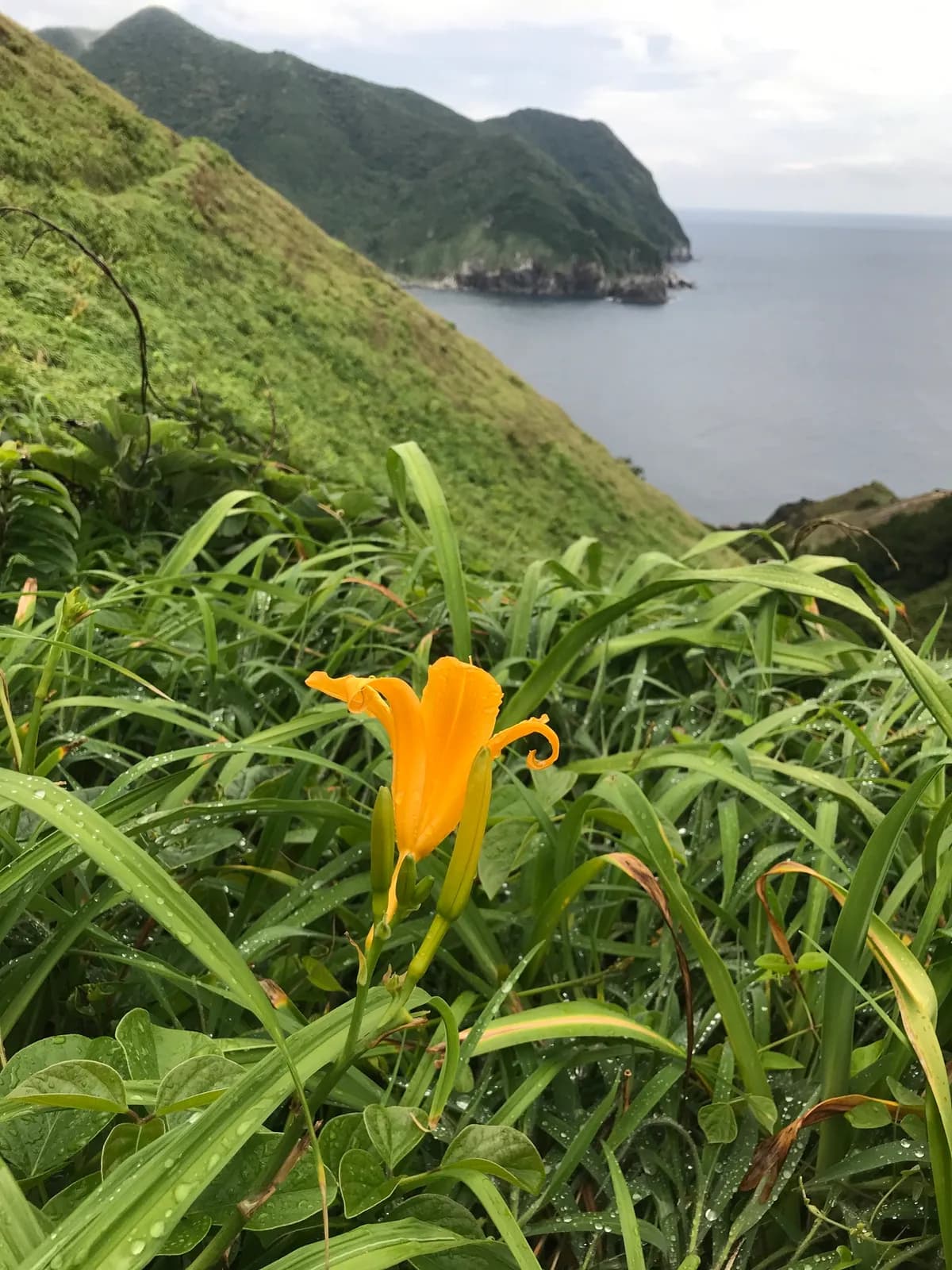
Orange Daylily (Hemerocallis fulva) is not on the ASPCA Animal Poison Control Center toxic plant list for dogs (aspca.org (opens in new tab), last reviewed 2026-08-15). If your pet shows symptoms after eating any plant, call the ASPCA at (888) 426-4435.
Light
full sun
Water
medium
Size
24"–48" H × 24"–36" W
Bloom
Jun, Jul
Native alternatives to Orange Daylily
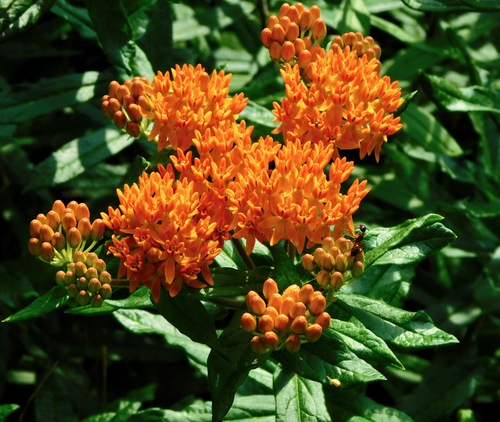
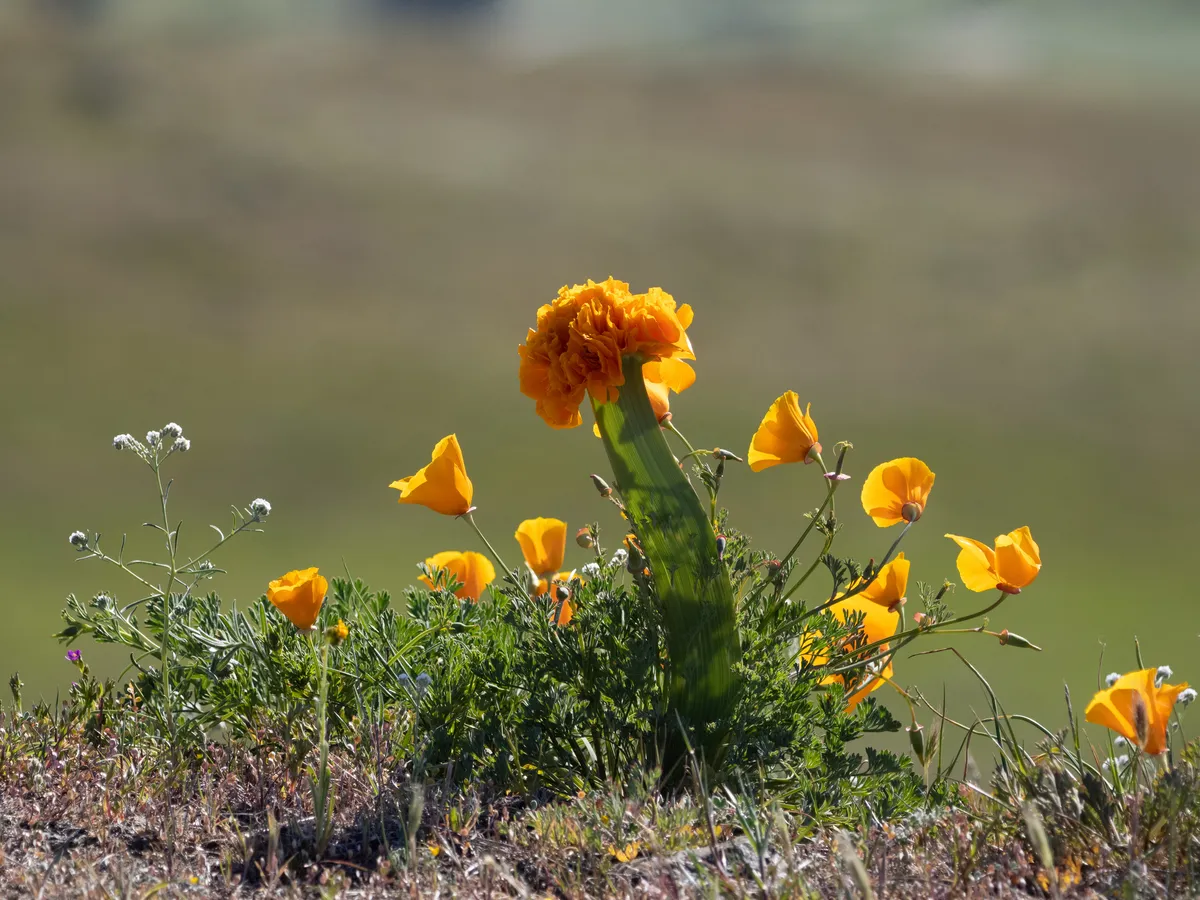
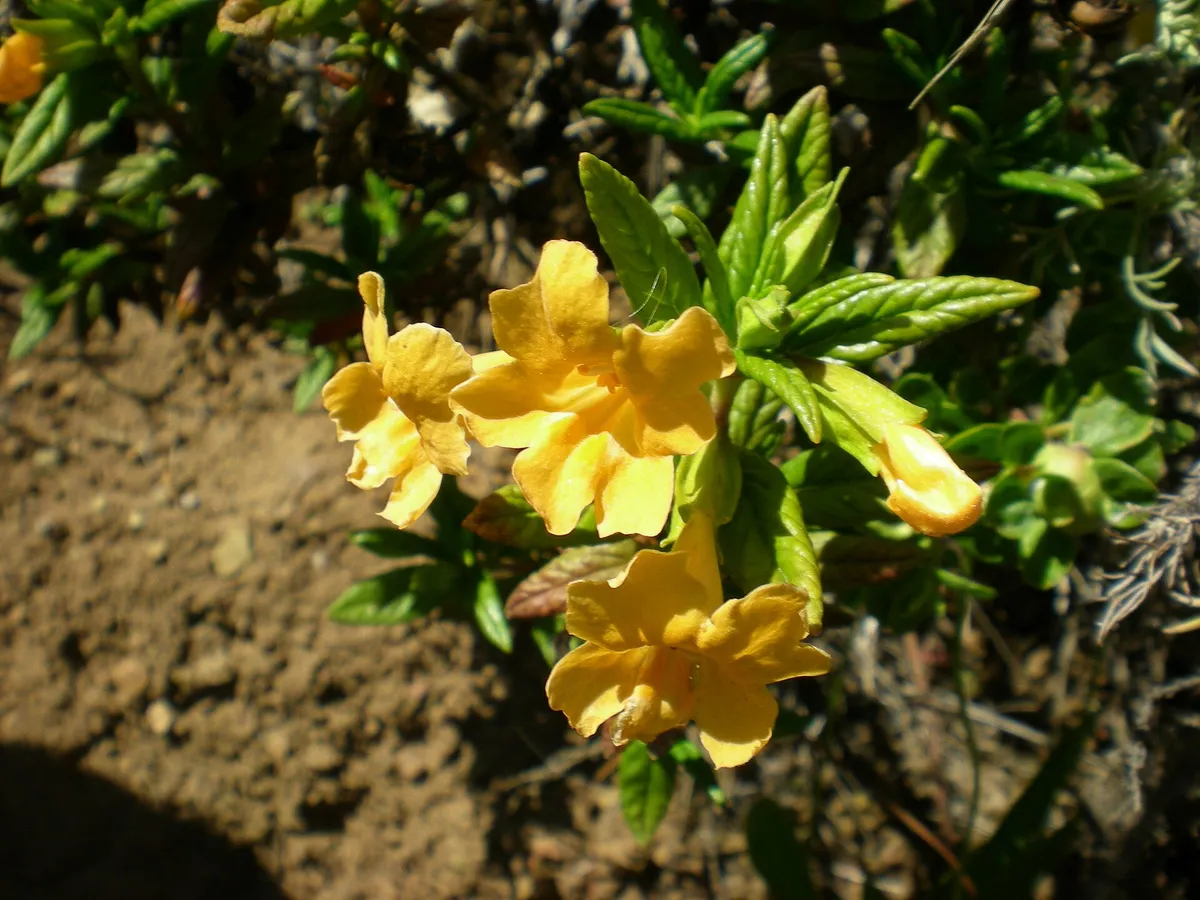
Orange Daylily is not native to the United States. These natives fill a similar role in a planting, matched on bloom season, bloom color and mature size.
Before you buy
Your city may pay you to plant this
Cities and water utilities offer rebates for replacing lawn with native and water-wise plants. We track 460 programs across 44 states, each with a link to the provider and the date we last checked it.
Find rebates in your areaPicture natives in your own yard
Wondering what could grow where Orange Daylily is now? Upload a photo of the spot and Patch Vision shows a rendering of it replanted with natives for your region.


A vigorous clumping perennial with arching strap leaves and orange trumpet flowers in early summer, each lasting a single day. It spreads by thick tuberous roots and can crowd out neighbors, so it is best given its own bed or a contained space.
Growing Orange Daylily
Grow Orange Daylily in full sun and medium water. Mature plants reach 24 to 48 inches tall and spread 24 to 36 inches wide. Expect low maintenance to keep it looking intentional in a front yard.
How to care for Orange Daylily, by region
How to care for Orange Daylily where it is actually grown: year-round basics plus what to do each season, region by region, with the sources for each.
Care guidance last updated: September 2026
Mississippi Valley Loess Plains (includes Memphis, TN)
Year-round
Orange daylily is a tough, low maintenance perennial that spreads on its own once it settles in, and it needs almost no coddling in a Memphis yard.
- Give it full sun to light shade, at least 6 hours of direct sun a day gets you the most blooms.
- It handles Memphis clay and average soil fine, just make sure water drains and does not sit in a puddle around the roots.
- Water deeply about once a week, roughly an inch, while it gets established. After that it can coast on rainfall most of the year.
- This plant spreads by rhizome and naturalizes easily, so plan on dividing the clump every 3 to 4 years to keep it from taking over the bed.
- It is toxic to cats but not to dogs, per the ASPCA, so keep cats away from the leaves and flowers, especially if yours likes to chew on plants.
Left alone for a few years this clump will creep past its bed line. Edge it or divide it on a schedule so the front yard reads as tended, not overgrown.
Fall
Fall is your other good window for dividing this plant, and the point where you start cleaning up foliage for winter.
- Late summer into early fall is a solid time to divide crowded clumps. Get it done 6 to 8 weeks before your first hard freeze so the new roots have time to settle in.
- If you divide now, cut the foliage back to about 6 to 8 inches before replanting the divisions.
- As leaves start to yellow after the first cool nights, pull off the dead and dying foliage to keep the bed neat.
- Skip fertilizing this time of year. It does not need the extra push heading into dormancy.
Cutting back yellowing foliage and cleaning up the clump edge in fall keeps the bed looking tended through winter instead of scraggly.
Winter
Memphis winters are mild enough for this daylily, and once it goes dormant it needs almost nothing from you.
- This species is hardy across zones 3 to 8, so a typical Memphis winter (zone 7b to 8a) is well within its range and the roots are not at risk.
- Foliage usually browns and dies back after your first hard freeze. Once it does, cut back the dead leaves to tidy up the bed.
- Skip watering and feeding through winter. The plant is dormant and does not need either.
- Winter is a good time to plan where you will divide or thin the clump once spring growth starts.
Dead foliage left standing all winter can make a front bed look neglected. Cut it back once it browns so the space still reads as maintained.
Spring
Spring is when new shoots push up in Memphis, and it is your best window to plant, move, or divide clumps.
- New growth usually shows up by March. Once shoots are 2 to 4 inches tall you can dig and divide overgrown clumps.
- This is the easiest time of year to plant new starts or move a clump, since roots get a full growing season to settle in before next winter.
- A light feeding of a slow release fertilizer in early spring supports blooming. Skip heavy nitrogen, it just pushes more leafy spread instead of flowers.
- Resume regular watering as days warm up and new growth picks up speed.
Spring is the easiest time to reset the bed edge and pull any rhizomes that wandered, before the clump takes off for summer.
Summer
Summer is bloom season, and Memphis heat means paying attention to watering and keeping up with deadheading.
- Blooms run through the hottest stretch of summer. Each flower only lasts one day, so spent blooms brown out fast.
- Deadhead spent flowers and old bloom stalks every few days for a tidier look and to keep the plant's energy going into new buds.
- During a Memphis heat wave, water deeply once a week rather than a little every day, and water in the early morning to cut down on evaporation.
- Established clumps handle drought fine on their own, but steady moisture while it is budding and flowering gives you better, bigger blooms.
Sources: NC State Extension Gardener Plant Toolbox: Hemerocallis fulva, Clemson HGIC: Daylily factsheet, ASPCA: Day Lilies (Many Varieties), Toxic and Non-Toxic Plants, Iowa State University Extension: When Can I Divide Daylilies?
In an HOA neighborhood
Orange Daylily takes more care to keep looking intentional in a front yard. Maintenance level: low. Consider it for backyard or mid-zone beds rather than the street edge.
Works well in: front yard, foundation bed, border.
- Spreads by tuberous roots and can crowd neighboring plants.
Wildlife value
Grown as an ornamental. Non-native plants support far fewer local insects than a native of similar size, so treat this as garden interest rather than habitat.
Common questions
- How much sun does Orange Daylily need?
- Orange Daylily grows best in full sun conditions.
- When does Orange Daylily bloom?
- Orange Daylily blooms in June and July.
- Is Orange Daylily toxic to dogs?
- Orange Daylily is not on the ASPCA Animal Poison Control Center toxic plant list for dogs (aspca.org).
- Is Orange Daylily toxic to cats?
- Yes. Orange Daylily is listed as toxic to cats by the ASPCA Animal Poison Control Center (aspca.org). If your cat has been exposed, call the ASPCA Animal Poison Control Center at (888) 426-4435.
- Is Orange Daylily HOA-friendly?
- Orange Daylily takes more care to look intentional in a front yard. Consider it for backyard or mid-zone beds rather than the street edge.
Pollinator and host plant associations compiled from GBIF, iNaturalist, and published ecological literature.
If something looks wrong
Common plant problems, and what to check first
These come up on almost any plant. Each guide lists the likely causes in the order they are worth ruling out, with one thing to check before you act on any of them, and links to the source it came from.
- It is dying right after planting
- Leaves turning yellow
- Wilting even though I watered it
- Brown crispy leaf tips
- Bugs on the plant
Ready to grow Orange Daylily? Add it to your garden in Pollinator Patch to track it and get season-by-season care guidance.