Orange Bush Monkeyflower
Mimulus aurantiacus
Last reviewed: September 2026
Orange Bush Monkeyflower is a low-water, full-sun forb that blooms from April through August, drawing bees, hummingbirds, and butterflies to dry chaparral edges and coastal scrub.
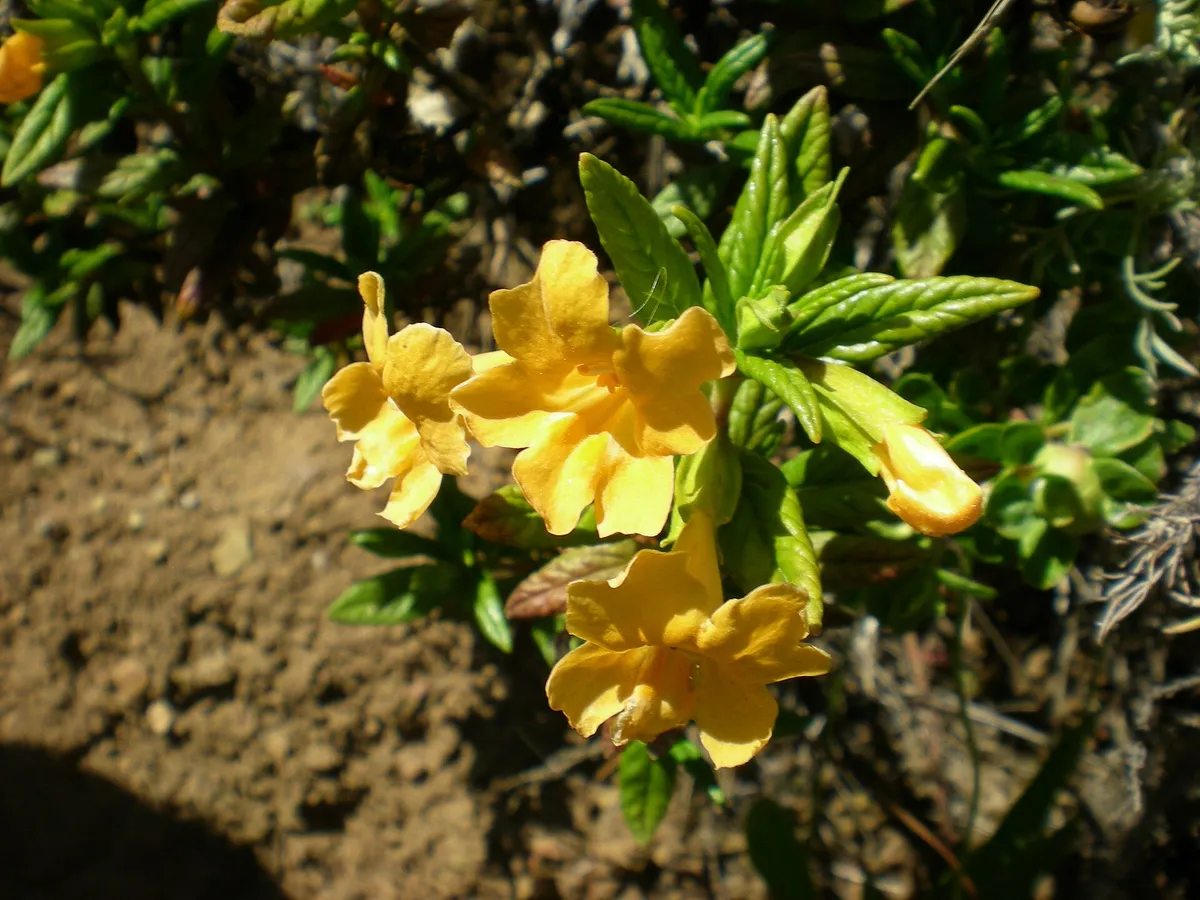
Orange Bush Monkeyflower (Mimulus aurantiacus) is not flagged as toxic to dogs or cats by Plants For A Future (PFAF) (opens in new tab) (last reviewed 2026-05-21). This verdict does not come from the ASPCA. If your pet shows symptoms after eating any plant, call the ASPCA at (888) 426-4435.
Light
full sun
Water
low
Size
6"–24" H × 6"–18" W
Bloom
Apr, May, Jun, Jul, Aug
Native to
CA, OR
Pollinators
bees, hummingbirds, butterflies
Before you buy
Your city may pay you to plant this
Cities and water utilities offer rebates for replacing lawn with native and water-wise plants. We track 459 programs across 44 states, each with a link to the provider and the date we last checked it.
Find rebates in your areaPicture natives in your own yard
Upload a photo of your yard and Patch Vision shows a rendering of it planted with natives for your region, like Orange Bush Monkeyflower.


Browse plants for this ecoregion
Mimulus aurantiacus, commonly known as Sticky Monkey Flower, is a drought-tolerant perennial shrub native to the western United States. It produces tubular orange to yellow flowers from spring through summer and maintains attractive evergreen foliage year-round. This compact plant works well in borders or on slopes where its bright blooms create visual interest.
Growing Orange Bush Monkeyflower
Grow Orange Bush Monkeyflower in full sun and low water. Mature plants reach 6 to 24 inches tall and spread 6 to 18 inches wide. Expect low maintenance to keep it looking intentional in a front yard.
How to care for Orange Bush Monkeyflower, by region
How to care for Orange Bush Monkeyflower where it is actually grown: year-round basics plus what to do each season, region by region, with the sources for each.
Care guidance last updated: October 2026
Central California Foothills and Coastal Mountains (includes San Francisco, CA)
Year-round
Sticky monkeyflower is a small evergreen native shrub that thrives in San Francisco's mild, foggy climate and needs very little water once it settles in.
- Give it full sun near the coast. San Francisco's fog keeps things cooler here, so this plant can handle more direct sun than it would in a hot inland yard.
- Plant it in fast draining soil. Standing water around the roots is the most common way this plant is lost.
- Water deeply about once a week for the first year to help it establish, then cut back to about once a month, or less, in summer once it is settled in.
- The leaves and stems feel a little sticky to the touch. That is normal for this species, not a sign of a problem.
- It grows about 2 to 4 feet tall and wide in a loose, mounding shape, and it is generally left alone by deer.
- Hummingbirds and native bees visit the flowers, and the plant is a caterpillar host for the variable checkerspot butterfly.
- This shrub occurs naturally in the San Francisco Bay Area, so it is a good fit for a Bay Area yard.
- This plant is not on the ASPCA toxic plant list for dogs or cats.
Fall
Fall is a good time to plant a new sticky monkeyflower in San Francisco and do a light cleanup as the first rains return.
- San Francisco's rainy season usually starts in October or November. Planting then lets roots establish over the wet months with less watering from you.
- Do a light tidy of any dead or overly long stems, but avoid a hard cutback into old woody growth.
- Once fall rain returns, you can usually stop supplemental watering altogether.
A light fall tidy keeps the shrub from looking overgrown heading into winter, which reads as intentional and helps avoid a violation letter.
Winter
Winter in San Francisco is mild and wet, and this plant handles it outdoors without special frost protection in most yards.
- San Francisco rarely sees damaging frost. This species is cold hardy well below the temperatures the city typically reaches.
- Let winter rain do the watering. Supplemental water usually is not needed once the rainy season is underway.
- Blooms can already start returning by late winter in San Francisco's mild climate.
- Hold off on pruning in the dead of winter. Wait until after the current bloom flush finishes.
A light shape up along the front walk or curb facing side keeps the plant looking tended through the wet season, which reads as intentional and helps avoid a violation letter.
Spring
Spring is usually the biggest bloom push of the year in San Francisco, and the best time to shape the plant.
- Bloom often starts as early as February in San Francisco's mild climate and continues into summer.
- Pinch back the growing tips in early spring to keep the plant bushy and full instead of leggy.
- Snip off spent flowers through the season. It encourages more blooms and keeps the plant looking tidy.
- San Francisco's rainy season is winding down by late spring. Keep any supplemental water light, this plant does not want to stay wet.
Regular deadheading keeps the front facing side full of color instead of going to seed heads, which reads as intentional and helps avoid a violation letter.
Summer
San Francisco's summer is naturally cool and foggy, so this plant needs less water here than almost anywhere else it grows.
- The coastal fog does a lot of the watering for you. Most established plants need at most one deep watering a month through summer, sometimes none at all.
- Because the coast stays cool, this plant may hold onto more of its leaves through summer here than it would in a hot inland garden, where it often drops leaves and slows down in the heat.
- Check the soil before watering. If it still feels moist from spring or from fog drip, wait.
- Overwatering in summer is the most common way this plant is lost. When unsure, water less, not more.
Sources: Calscape: Bush Monkey Flower (Diplacus aurantiacus), Calflora: Mimulus aurantiacus distribution map, Lady Bird Johnson Wildflower Center: Diplacus aurantiacus, ASPCA Toxic and Non-Toxic Plants, letter M
Central California Valley (includes Sacramento, CA)
Year-round
Year-round care for orange bush monkeyflower around Sacramento, CA: full sun to part shade, well-drained soil.
- It grows in full sun or partial shade.
- Water needs are very low to low, with at most one or two summer waterings a month once established.
- It tolerates difficult soils if drainage is good.
- It reaches 4 to 5 feet tall and about 5 feet wide.
- Deadhead spent blooms to boost flowering.
- Pinch back new spring growth for a more compact shape.
- It tolerates cold down to 15 degrees F.
Spring pinching keeps it a tidy mound in a front bed.
Sources: Calscape: Diplacus aurantiacus
Sierra Nevada (includes South Lake Tahoe, CA)
Year-round
Year-round care for orange bush monkeyflower around South Lake Tahoe, CA: sun, well-drained soil, and very little water once established.
- Full sun is preferred near the coast, and Calscape recommends partial shade in inland gardens.
- It tolerates many soils as long as drainage is adequate.
- Once established, it needs water about once or twice a month at most in summer.
- It grows 4 to 5 feet tall and up to 5 feet wide, mounding and spreading.
- Deadhead spent flowers and pinch back new spring growth to keep it compact.
- Calscape lists cold tolerance to 15 F.
- Calscape lists cold tolerance only to 15 F, so treat it as a trial plant where winters are colder than that.
Pinching back spring growth keeps the mound compact and reads as a tended shrub.
Sources: Calscape: Diplacus aurantiacus (Bush Monkey Flower), Lady Bird Johnson Wildflower Center: Diplacus aurantiacus
Southern California/Northern Baja Coast (includes Los Angeles, CA)
Year-round
Orange bush monkeyflower is a tough, low-water California native that greens up with the winter rains and goes semi-dormant in the dry summer, so plan its care around the wet season and not against it.
- Give it full sun near the coast, or a little afternoon shade if you are more inland.
- Water a new plant through its first summer only, then wean it off so an established plant gets little to no summer water.
- Lightly shear and tip-pinch after the main spring bloom to keep it bushy instead of leggy.
- Skip fertilizer, it does fine in lean, fast-draining soil.
- It feeds hummingbirds and native bees and is a confirmed larval host for the variable checkerspot butterfly per Calscape (California Native Plant Society).
Fall
Fall is the best time to plant and the moment an established plant wakes back up as the first rains arrive.
- If you are adding one, plant now so the roots settle in over the cool wet winter.
- Water a brand-new fall planting to get it started, then let the rains take over.
- Leave established plants to green up on their own as the rains return.
- Clear any heavy leaf litter piled against the crown so the base does not stay soggy.
Winter
Winter is the cool, wet growing season, so this native mostly takes care of itself and wants no help from the hose.
- Turn off any irrigation, winter rain is all it needs.
- Let it put on fresh green growth to fuel the spring bloom.
- Make sure the soil drains well and water never pools around the base.
- Do any light structural pruning late in winter, before the spring flush.
Spring
Spring is peak bloom, so enjoy the flowers and do your one real shaping job right as the main flush winds down.
- Deadhead or lightly shear spent flower stems to stretch the bloom.
- Once the main bloom fades, cut the whole plant back by about a third to keep it compact.
- Tip-pinch new growth to push a bushy, rounded shape.
- Hold off on heavy watering even if spring turns warm, the plant is heading into its dry season.
The light after-bloom shear reads as intentional, tended shaping and keeps a tidy front-yard mound rather than a rangy sprawl that can draw a violation letter.
Summer
In the hot dry summer this plant drops some leaves and looks a bit ratty, which is normal drought-dormancy and not a sign it is dying.
- Do not overwater to fix the tired look, summer water is the fastest way to rot an established plant.
- Give an established plant no more than about one deep soak a month, and often none at all.
- Leave the semi-dormant foliage alone, it will reflush when the fall rains arrive.
- A quick light tidy of the rangiest stems keeps it looking cared for.
A light tidy of the rangiest stems keeps the semi-dormant plant reading as an intentional, cared-for native rather than a dead shrub, which is what avoids a curb-appeal violation letter in a dry LA summer.
Sources: Calscape (California Native Plant Society): Bush Monkey Flower (Diplacus aurantiacus), Calflora: Diplacus aurantiacus native status and distribution, Las Pilitas Nursery: Diplacus aurantiacus summer dormancy and watering
In an HOA neighborhood
Orange Bush Monkeyflower is an HOA-friendly choice. Maintenance level: low. Tidiness: 3 out of 5.
Works well in: foundation, mid zone.
- Can look slightly rangy without occasional pruning
- May appear less formal than typical HOA-preferred ornamentals
Wildlife value
Host plant for variable checkerspot.
Sticky Monkey Flower is highly attractive to hummingbirds and serves as an important nectar source. It also supports native bees and butterflies, making it a valuable addition to pollinator gardens.
Common questions
- How much water does Orange Bush Monkeyflower need?
- It grows best with low to occasionally moderate water, tolerating dry spells once established and preferring soil that drains well rather than staying wet.
- How much sun does this plant require?
- Orange Bush Monkeyflower does best in full sun but will also flower in part sun or part shade, especially in hotter inland locations.
- When does Orange Bush Monkeyflower bloom?
- Flowering typically runs from April through August, with orange tubular blooms appearing over the spring and summer months.
- What pollinators visit Orange Bush Monkeyflower?
- Bees, hummingbirds, and butterflies regularly visit the flowers for nectar throughout the bloom season.
- Is Orange Bush Monkeyflower evergreen?
- It generally keeps its foliage year round, behaving as an evergreen shrub in most garden conditions.
- Is Orange Bush Monkeyflower toxic to dogs?
- Orange Bush Monkeyflower is not flagged as toxic to dogs by Plants For A Future (PFAF). This verdict does not come from the ASPCA.
- Is Orange Bush Monkeyflower toxic to cats?
- Orange Bush Monkeyflower is not flagged as toxic to cats by Plants For A Future (PFAF). This verdict does not come from the ASPCA.
- Is Orange Bush Monkeyflower HOA-friendly?
- Orange Bush Monkeyflower is generally an HOA-friendly choice in the right placement, with low maintenance.
These answers were drafted with an AI model from this plant's data. Verify care details with a local expert.
Native range data from vouchered herbarium specimen records and regional native plant society lists. Pollinator and host plant associations compiled from GBIF, iNaturalist, and published ecological literature.
If something looks wrong
Common plant problems, and what to check first
These come up on almost any plant. Each guide lists the likely causes in the order they are worth ruling out, with one thing to check before you act on any of them, and links to the source it came from.
- It is dying right after planting
- Leaves turning yellow
- Wilting even though I watered it
- Brown crispy leaf tips
- Bugs on the plant
Ready to grow Orange Bush Monkeyflower? Add it to your garden in Pollinator Patch to track it and get season-by-season care guidance.