Ouachita beebalm
Monarda stipitatoglandulosa
Last reviewed: September 2026
Toxicity unknown
Ouachita beebalm (Monarda stipitatoglandulosa) is not listed by the ASPCA Animal Poison Control Center (opens in new tab) or the other sources we check, so we have no verdict for it either way. Absence from those lists is not a clearance. If your pet shows symptoms after eating any plant, call the ASPCA at (888) 426-4435.
Light
full sun
Water
low
Size
12"–30" H × 12"–24" W
Bloom
Apr, May, Jun, Jul
Pollinators
bees, hummingbirds, butterflies, moths
Native alternatives to Ouachita beebalm
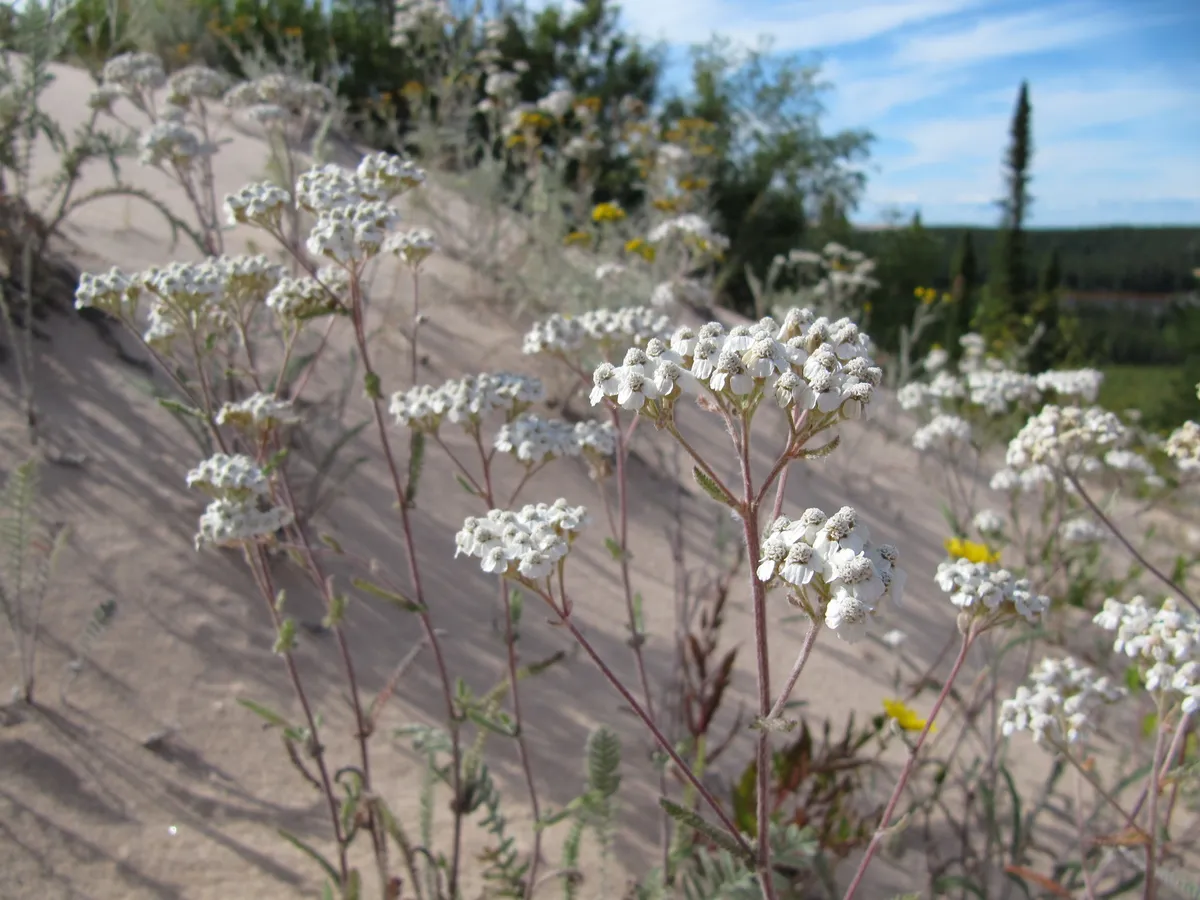
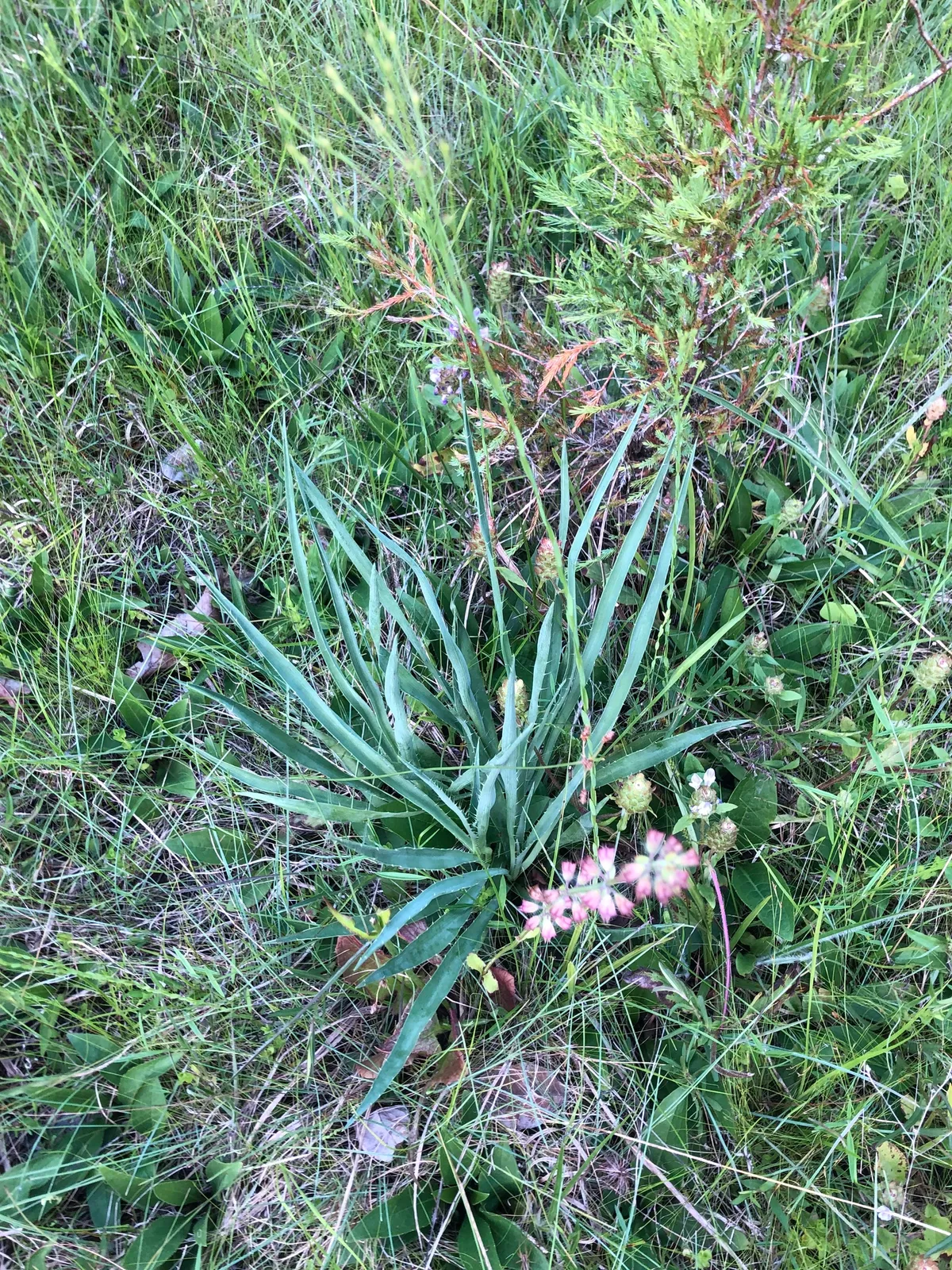
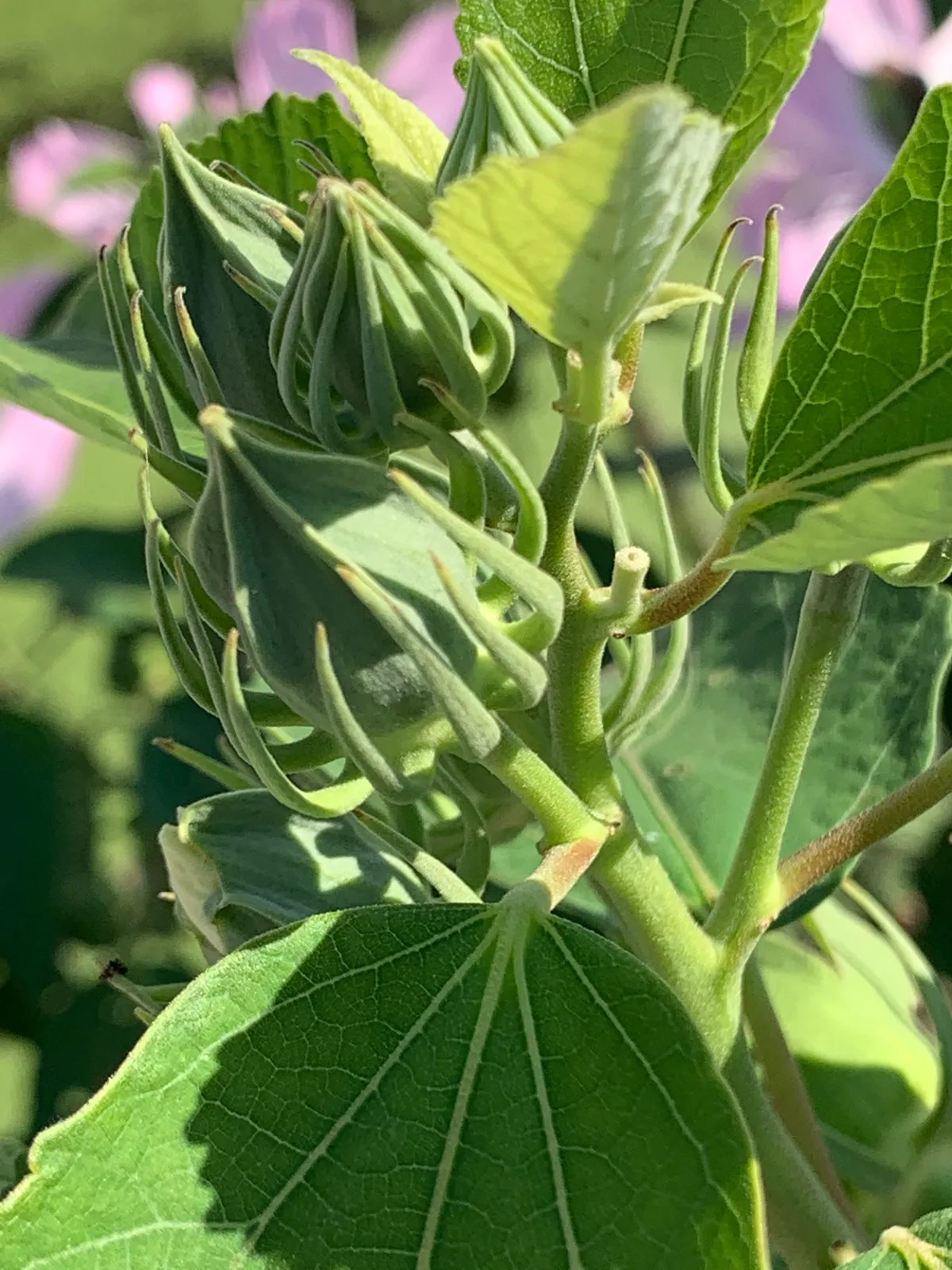
Ouachita beebalm is not native to the United States. These natives fill a similar role in a planting, matched on bloom season, bloom color and mature size.
Before you buy
Your city may pay you to plant this
Cities and water utilities offer rebates for replacing lawn with native and water-wise plants. We track 458 programs across 44 states, each with a link to the provider and the date we last checked it.
Find rebates in your areaPicture natives in your own yard
Wondering what could grow where Ouachita beebalm is now? Upload a photo of the spot and Patch Vision shows a rendering of it replanted with natives for your region.


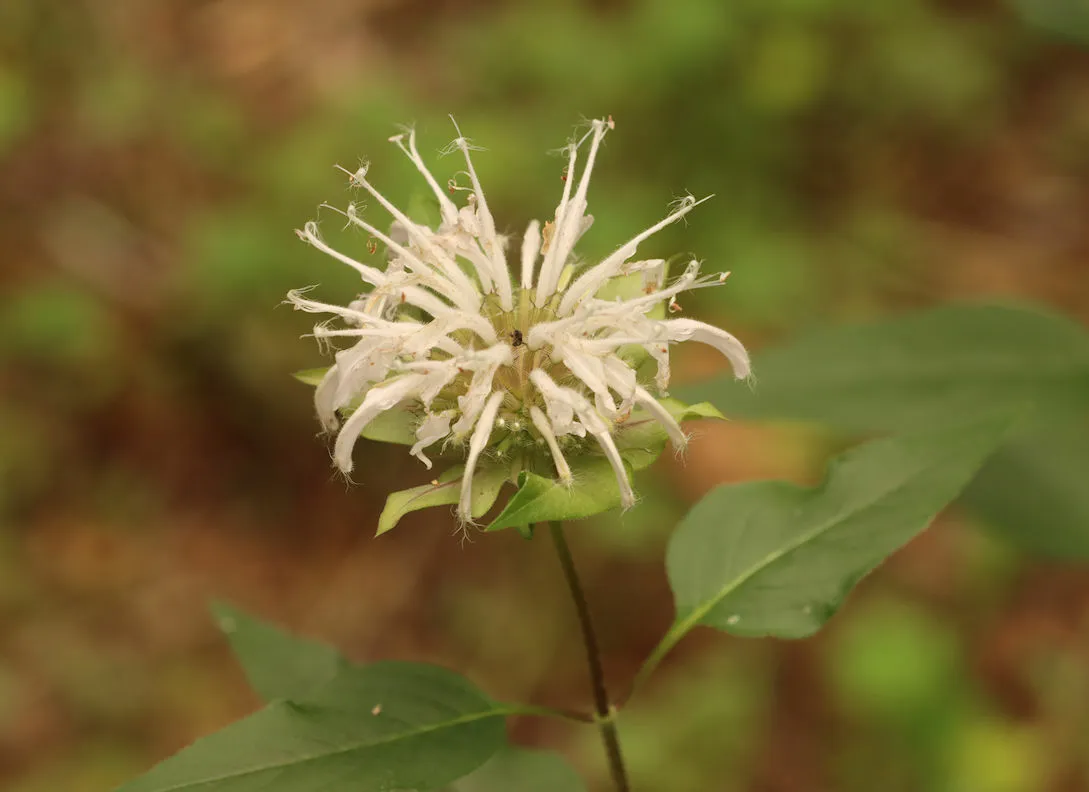
An aromatic, mint-family perennial with square stems and lance-shaped leaves that release a spicy fragrance when crushed. Tiered whorls of tubular, white flowers with spotted lower lips bloom atop the stems from spring into summer.
How to care for Ouachita beebalm, by region
How to care for Ouachita beebalm where it is actually grown: year-round basics plus what to do each season, region by region, with the sources for each.
Care guidance last updated: September 2026
Ouachita Mountains (includes Hot Springs, AR)
Year-round
Ouachita beebalm is a mint-family perennial native to the Ouachita Mountains region of Arkansas and Oklahoma, documented in Garland County, Arkansas. It has square stems and aromatic, lance-shaped leaves, with tiered whorls of tubular white flowers with spotted lower lips blooming from spring into summer.
- Give it full sun to partial shade with good air circulation; it tolerates a range of soils from acidic to basic and fertile to poor, as long as drainage is good.
- It is heat and drought tolerant once established, but crowded, still air can invite powdery mildew like other beebalms.
- Space plants to allow airflow and divide crowded clumps every few years to keep foliage healthy.
- It is a documented host plant for several caterpillar species, including the Hermit Sphinx moth, so leaving some foliage through the season supports them.
Given room to breathe and deadheaded through summer, its upright, aromatic clump reads as an intentional pollinator planting.
Fall
Bloom tapers off into early fall; this is a reasonable time to divide crowded clumps or plant new stock.
- Cut back spent flower stems once bloom finishes.
- Divide crowded clumps to maintain airflow and plant health for next season.
- Leave some foliage standing if caterpillars, including the Hermit Sphinx moth, are still using it as a host plant.
Winter
The plant dies back to its crown for winter in this climate, going dormant until spring.
- No watering or feeding is needed while dormant.
- Cut back old stems for a tidier look, or leave some standing for overwintering insects.
- Good drainage matters through winter; avoid low spots that stay wet.
A cut-back bed over winter looks intentional and low-maintenance.
Spring
Spring brings new growth from the crown, with flower buds forming as stems lengthen toward an April to July bloom window.
- Thin or divide dense clumps in early spring to improve air circulation and reduce mildew risk later in the season.
- Water lightly if spring rainfall is sparse; established plants do not need heavy watering.
- No fertilizer is needed; lean soil suits this species.
Summer
Bloom continues into summer, drawing bees, butterflies, and hummingbirds to the fragrant flower whorls.
- Deadhead spent flower heads to encourage tidier growth and extend bloom.
- Watch for powdery mildew on crowded foliage during humid stretches; thin stems if it appears.
- Established plants tolerate heat and short dry spells without extra watering.
Regular deadheading keeps the aromatic foliage and blooms looking maintained through summer.
Sources: ASMSA Pollinator Garden Guide, Monarda stipitatoglandulosa (Ouachita beebalm), Lady Bird Johnson Wildflower Center Native Plant Database, Monarda stipitatoglandulosa
In an HOA neighborhood
Ouachita beebalm is an HOA-friendly choice. Maintenance level: moderate. Tidiness: 3 out of 5.
Works well in: pollinator bed, border, cottage garden planting.
- Can self-seed and spread within a bed if not deadheaded
Wildlife value
Host plant for Hermit Sphinx moth, Raspberry Pyrausta moth.
A strong nectar source for native bees, butterflies, and hummingbirds, and a documented host plant for several caterpillar species, including the Hermit Sphinx moth. Fragrant foliage generally discourages deer browsing.
Common questions
- How much sun does Ouachita beebalm need?
- Ouachita beebalm grows best in full sun conditions.
- When does Ouachita beebalm bloom?
- Ouachita beebalm blooms in April, May, June, and July.
- What butterflies or moths does Ouachita beebalm host?
- Ouachita beebalm is a larval host plant for Hermit Sphinx moth and Raspberry Pyrausta moth.
- Is Ouachita beebalm HOA-friendly?
- Ouachita beebalm is generally an HOA-friendly choice in the right placement, with moderate maintenance.
Pollinator and host plant associations compiled from GBIF, iNaturalist, and published ecological literature.
If something looks wrong
Common plant problems, and what to check first
These come up on almost any plant. Each guide lists the likely causes in the order they are worth ruling out, with one thing to check before you act on any of them, and links to the source it came from.
- It is dying right after planting
- Leaves turning yellow
- Wilting even though I watered it
- Brown crispy leaf tips
- Bugs on the plant
Ready to grow Ouachita beebalm? Add it to your garden in Pollinator Patch to track it and get season-by-season care guidance.