Ray Hartman California Lilac
Ceanothus 'Ray Hartman'
Last reviewed: August 2026

Ray Hartman California Lilac (Ceanothus 'Ray Hartman') is not flagged as toxic to dogs or cats by Plants For A Future (PFAF) (opens in new tab) (last reviewed 2026-05-21). This verdict does not come from the ASPCA. If your pet shows symptoms after eating any plant, call the ASPCA at (888) 426-4435.
Light
full sun
Water
low
Size
96"–240" H × 96"–240" W
Bloom
Mar, Apr, May
Pollinators
bees, butterflies, hummingbirds
Native alternatives to Ray Hartman California Lilac
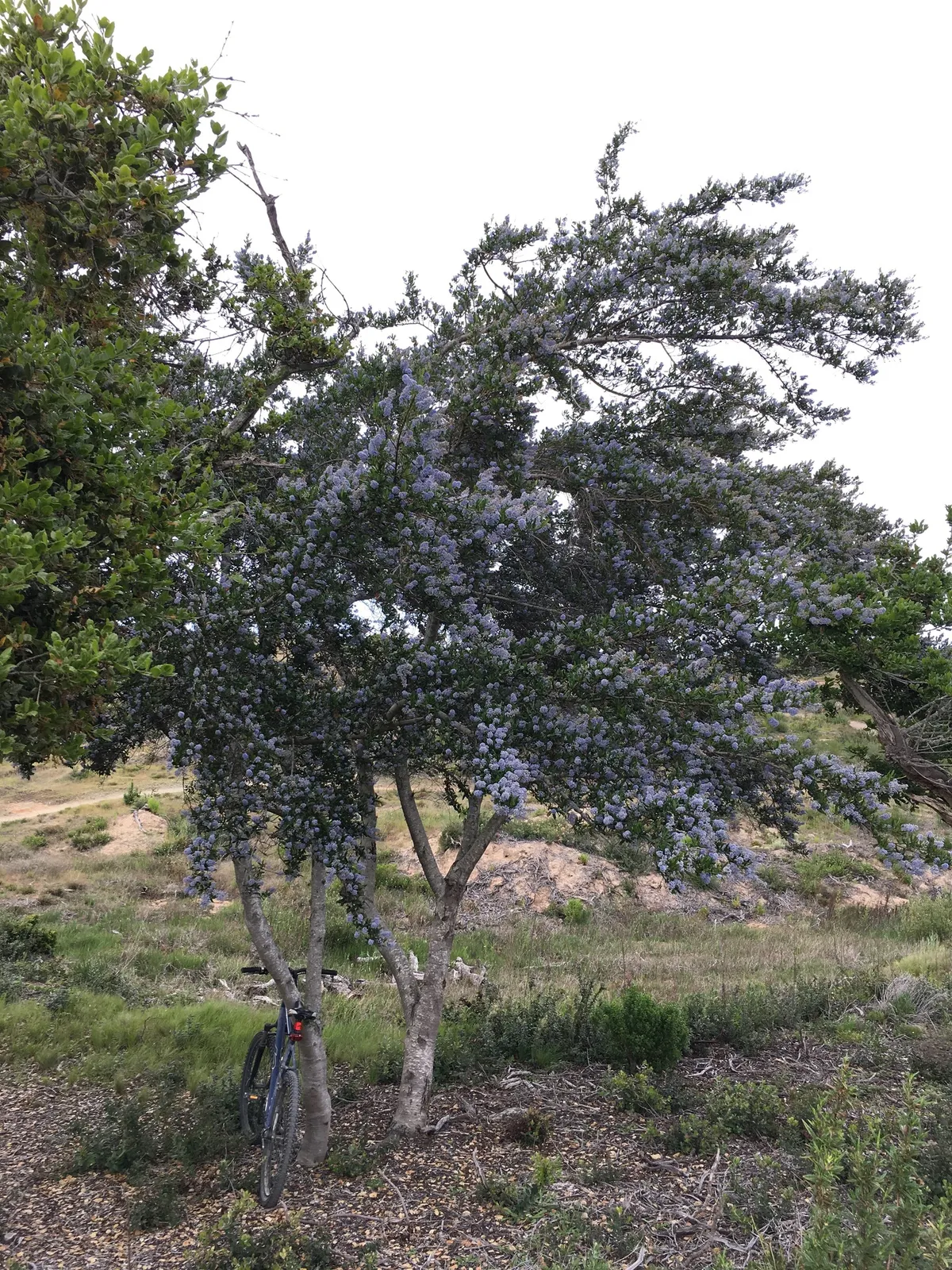
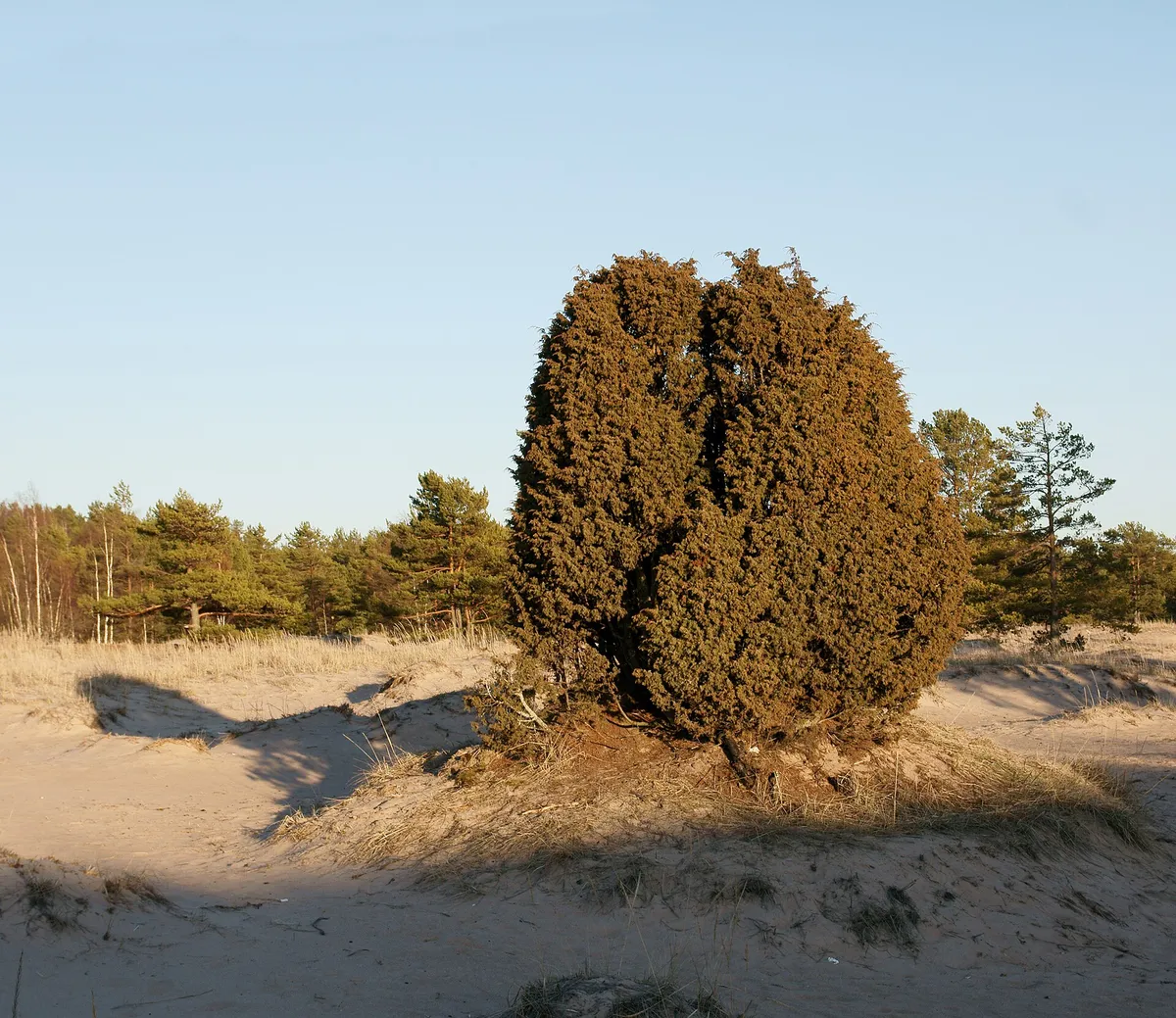
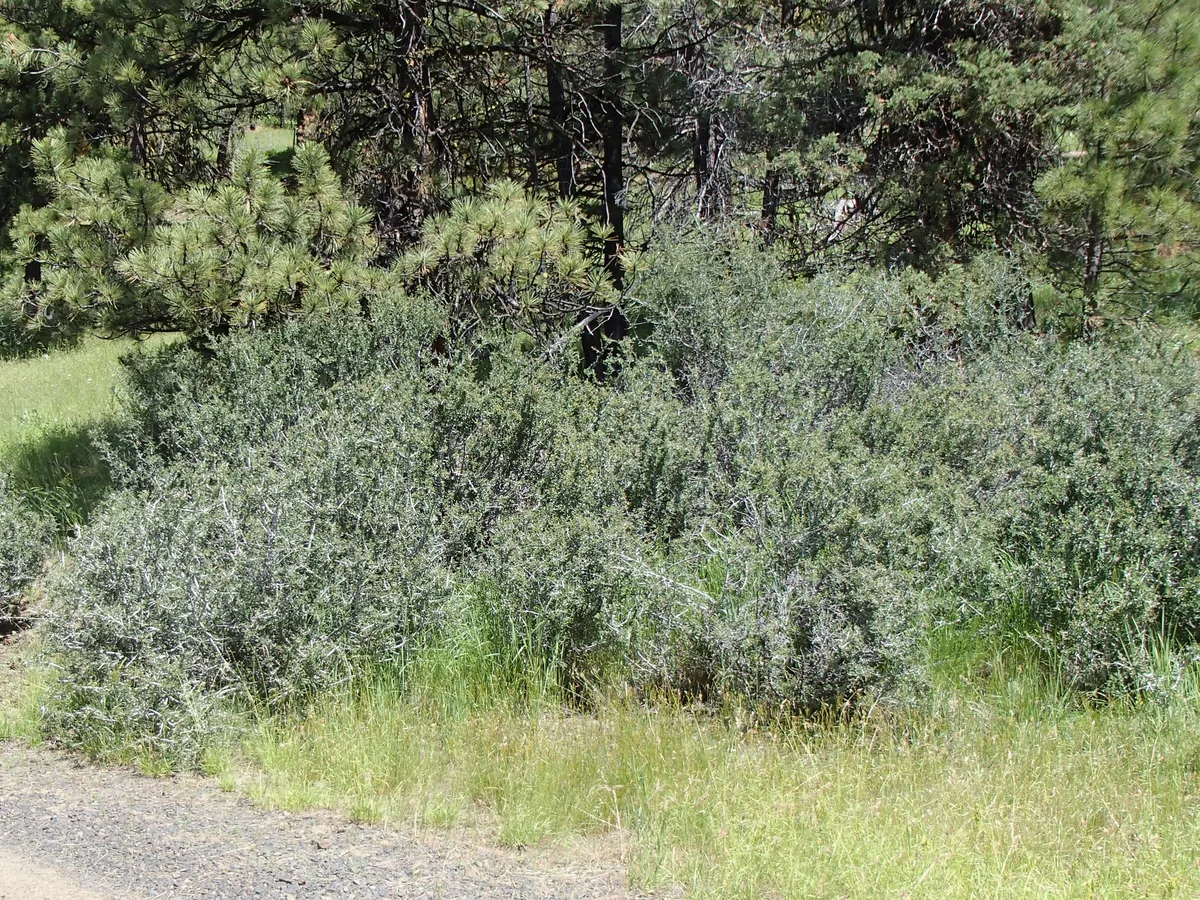
Ray Hartman California Lilac is not native to the United States. These natives fill a similar role in a planting, matched on bloom season, bloom color and mature size.
Before you buy
Your city may pay you to plant this
Cities and water utilities offer rebates for replacing lawn with native and water-wise plants. We track 459 programs across 44 states, each with a link to the provider and the date we last checked it.
Find rebates in your areaPicture natives in your own yard
Wondering what could grow where Ray Hartman California Lilac is now? Upload a photo of the spot and Patch Vision shows a rendering of it replanted with natives for your region.


Ceanothus 'Ray Hartman' is a large, fast-growing evergreen shrub with brilliant blue flowers in spring. This lilac can grow 8-20 feet tall and wide, creating an impressive screening plant or small tree when mature.
How to care for Ray Hartman California Lilac, by region
How to care for Ray Hartman California Lilac where it is actually grown: year-round basics plus what to do each season, region by region, with the sources for each.
Care guidance last updated: August 2026
Southern California/Northern Baja Coast (includes Los Angeles, CA)
Year-round
Ray Hartman is a garden hybrid California lilac bred from island ceanothus and Carmel ceanothus, and it acts like the tough chaparral ceanothus that already thrive around Los Angeles, with powder blue to dark blue flower spikes in late winter and early spring.
- This is a cultivar, a garden cross, not a wild species, so treat native range claims for it with caution, but it was bred from and behaves like Southern California native ceanothus species.
- Give it full sun to light shade and well drained soil. It handles LA basin clay, loam, and sand once it is established.
- It grows fast, often several feet a year, reaching roughly 10 to 20 feet tall and wide, so give it real room when you plant it near a walkway or fence line.
- Deer and rodents will chew soft new growth, so a temporary cage around a young plant is worth it in areas near open hillsides.
- Los Angeles rarely sees frost below the plant's cold tolerance, so winter cold is not a real concern here. The bigger risk in this climate is summer water.
Fall
Fall in Los Angeles is still dry, so keep the water off, and it is a good time to plant a new Ray Hartman ceanothus so its roots have the whole wet winter to settle in before next summer.
- Hold off on watering into early fall. The Las Pilitas growers note that avoiding water this time of year is part of what gives the plant a long life here.
- If you are planting new, fall is a solid choice in Southern California, ahead of the winter rains that will do most of the establishment watering for you.
- No fertilizer needed. Let fallen leaf litter sit as light mulch rather than raking the bed bare.
- There is little to do for curb appeal this season beyond removing any dead or storm-damaged twigs.
Winter
Winter is the Los Angeles rainy season and the start of bloom time for Ray Hartman, and frost is essentially a non issue here since the plant tolerates cold well past anything the LA basin sees.
- Los Angeles averages very few, if any, frost nights, and this ceanothus shrugs off cold into the mid teens Fahrenheit, so no frost protection is needed in this metro.
- Let winter rain do the watering. No supplemental irrigation should be needed in a normal rain year.
- Flower buds begin forming now, so this is not a pruning season, save shaping cuts for right after bloom in spring.
- If Santa Ana winds knock loose or broken branches down, clean cuts back to a healthy side branch rather than leaving a ragged stub.
Cleaning up any wind-broken branches after a Santa Ana event keeps the shrub looking intentional from the curb rather than storm damaged.
Spring
Spring is bloom season for Ray Hartman in Los Angeles, when the powder blue to dark blue flower spikes open, and it is also the one good pruning window before flowers fade for the year.
- Flowers typically open late winter into early spring here, so enjoy the bloom rather than pruning during it.
- Once the blooms fade, do light shaping only, thin a few crowded inside branches and trim flowering tips, working from the plant's center outward.
- Never cut back into old, leafless wood. Ceanothus will not resprout from it, so a hard cut there leaves a permanent dead patch.
- Skip fertilizer. LA's rainy season already gives it what it needs, and ceanothus roots fix their own nitrogen.
Light post bloom shaping keeps the shrub tidy and full looking from the street, but stop at thin outer growth, not old wood.
Summer
Summer is the season to leave this plant alone in Los Angeles. Once it is established, extra water in the dry months is the single biggest way people accidentally kill a California lilac here.
- Once established, plan on little to no supplemental water from roughly June through September. LA's dry season is exactly the rest period this plant expects.
- If it is on a drip line with lawn or annuals, separate its zone or cap it off. Regular summer irrigation and soil disturbance are the two things known to shorten a ceanothus's life.
- A newly planted shrub, first summer only, can get an occasional deep soak to help roots establish, then taper off.
- Watch for wilting leaves after a heat wave. If the soil underneath is still damp, that is heat stress, not thirst, and more water will not help.
Sources: Ray Hartman Ceanothus, Calscape, Ceanothus 'Ray Hartman', Mountain Lilac, Las Pilitas Nursery, Fuchsias and Ceanothus Problems, UC Master Gardener Program of Contra Costa (UC ANR), Ceanothus 'Ray Hartman', San Marcos Growers
In an HOA neighborhood
Ray Hartman California Lilac is an HOA-friendly choice in the right placement. Maintenance level: moderate. Tidiness: 3 out of 5.
Works well in: mid zone, street edge.
- Very large mature size requires adequate space
- May appear too informal for formal landscape designs
- Needs proper pruning to maintain tidy appearance
Wildlife value
Host plant for pale swallowtail, echo blue butterfly.
Highly valuable to native wildlife, supporting numerous bee species, butterflies, and hummingbirds when in bloom. The dense foliage also provides good nesting habitat for birds.
Common questions
- How much sun does Ray Hartman California Lilac need?
- Ray Hartman California Lilac grows best in full sun conditions.
- When does Ray Hartman California Lilac bloom?
- Ray Hartman California Lilac blooms in March, April, and May.
- Is Ray Hartman California Lilac toxic to dogs?
- Ray Hartman California Lilac is not flagged as toxic to dogs by Plants For A Future (PFAF). This verdict does not come from the ASPCA.
- Is Ray Hartman California Lilac toxic to cats?
- Ray Hartman California Lilac is not flagged as toxic to cats by Plants For A Future (PFAF). This verdict does not come from the ASPCA.
- What butterflies or moths does Ray Hartman California Lilac host?
- Ray Hartman California Lilac is a larval host plant for pale swallowtail and echo blue butterfly.
- Is Ray Hartman California Lilac HOA-friendly?
- Ray Hartman California Lilac is generally an HOA-friendly choice in the right placement, with moderate maintenance.
Pollinator and host plant associations compiled from GBIF, iNaturalist, and published ecological literature.
If something looks wrong
Common plant problems, and what to check first
These come up on almost any plant. Each guide lists the likely causes in the order they are worth ruling out, with one thing to check before you act on any of them, and links to the source it came from.
- It is dying right after planting
- Leaves turning yellow
- Wilting even though I watered it
- Brown crispy leaf tips
- Bugs on the plant
Ready to grow Ray Hartman California Lilac? Add it to your garden in Pollinator Patch to track it and get season-by-season care guidance.