Red Valerian
Centranthus ruber
Last reviewed: October 2026
Toxicity unknown
Red Valerian (Centranthus ruber) is not listed by the ASPCA Animal Poison Control Center (opens in new tab) or the other sources we check, so we have no verdict for it either way. Absence from those lists is not a clearance. If your pet shows symptoms after eating any plant, call the ASPCA at (888) 426-4435.
Light
full sun
Water
low
Size
18"–36" H × 18"–36" W
Bloom
May, Jun, Jul, Aug, Sep
Pollinators
butterflies, long-tongued bees, hawk moths
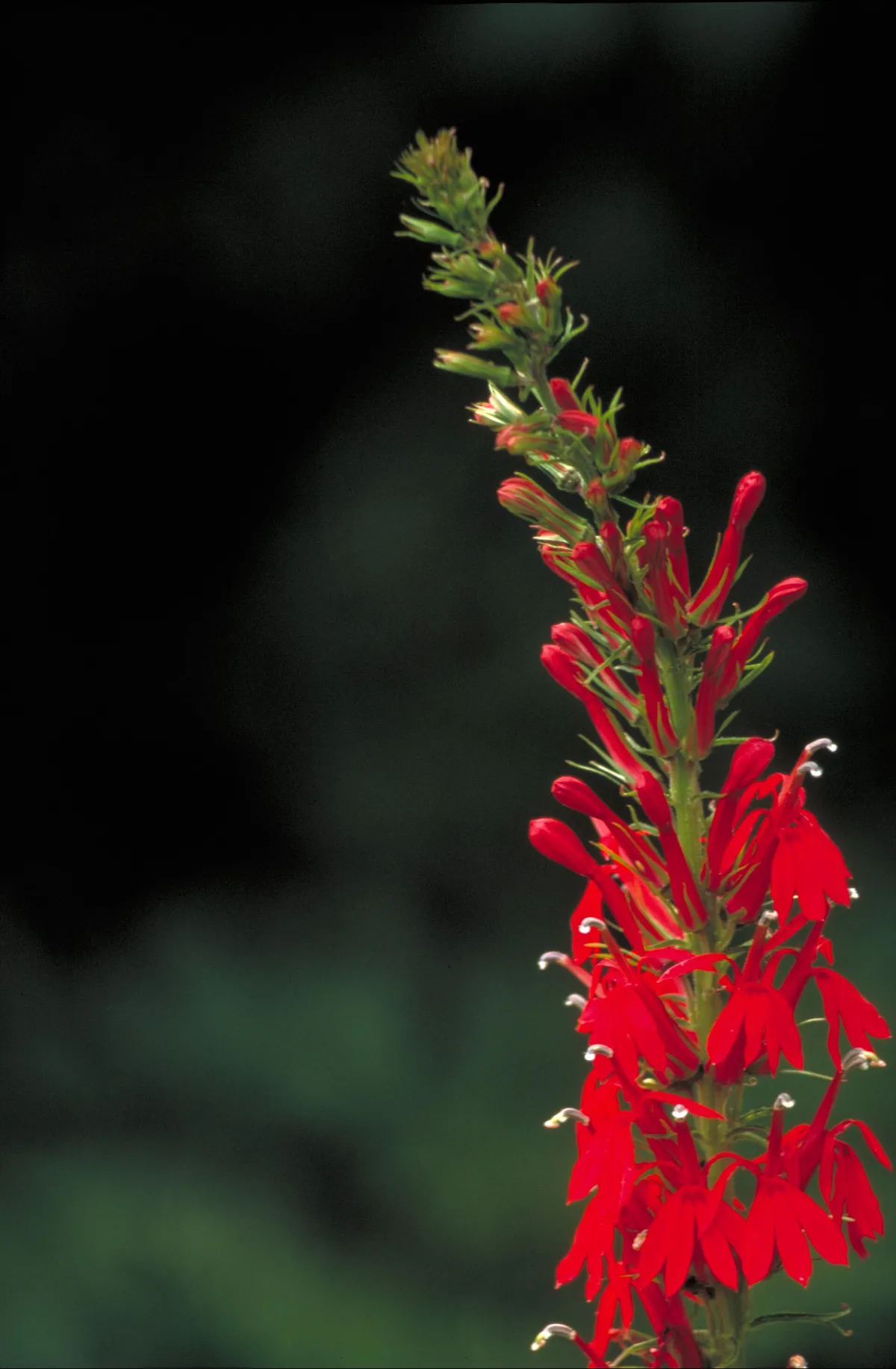
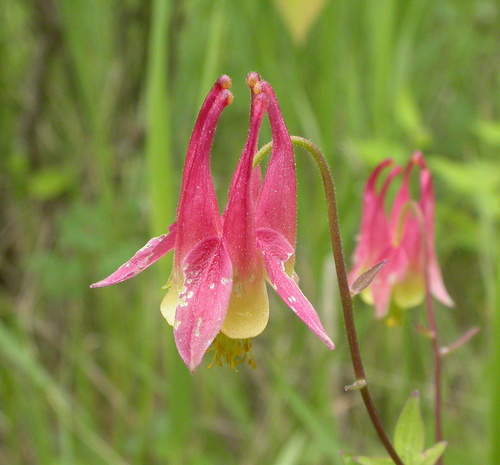
Native alternatives to Red Valerian
Red Valerian is not native to the United States. These natives fill a similar role in a planting, matched on bloom season, bloom color and mature size.

Before you buy
Your city may pay you to plant this
Cities and water utilities offer rebates for replacing lawn with native and water-wise plants. We track 460 programs across 44 states, each with a link to the provider and the date we last checked it.
Find rebates in your areaPicture natives in your own yard
Wondering what could grow where Red Valerian is now? Upload a photo of the spot and Patch Vision shows a rendering of it replanted with natives for your region.


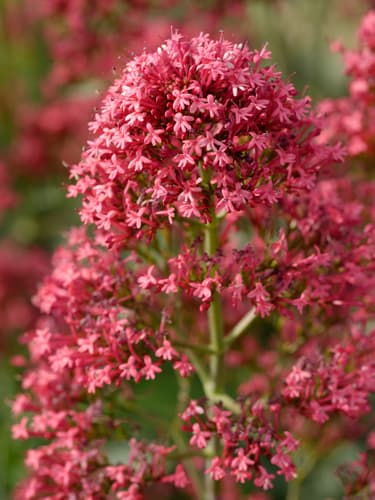
A clump-forming perennial with blue-green foliage and dense heads of small, spurred flowers in crimson, rose or white, carried on branching stems from late spring into autumn. It wants full sun and poor, sharply drained soil, tolerates heat, drought and alkaline ground once established, and self-seeds freely into gravel and masonry. Shearing after the first flush brings a second round of bloom and keeps seeding in check.
How to care for Red Valerian, by region
How to care for Red Valerian where it is actually grown: year-round basics plus what to do each season, region by region, with the sources for each.
Care guidance last updated: August 2026
High Plains (includes Lubbock, TX)
Year-round
Red Valerian is a tough Mediterranean ornamental, not native to Texas or the Llano Estacado, that does well in Lubbock's dry alkaline soil once it is established.
- Red Valerian is native to the Mediterranean and southern Europe. It is grown here purely as a garden ornamental and is not native to Texas or the High Plains.
- Give it full sun to a little afternoon shade and soil that drains fast. Lubbock's alkaline sandy loam over caliche is actually a good match once compacted spots are loosened up.
- Water it while it gets established, then back off. This plant prefers dry conditions and can develop crown rot if the soil stays wet, which matters most where caliche traps water near the surface.
- Deadhead the spent flower clusters through the growing season. It reseeds easily and can pop up beyond where you planted it if the seed heads are left standing.
- It is winter hardy well past Lubbock's USDA zone 7b to 8a range, so normal Panhandle cold snaps are not a concern for an established plant.
Fall
Fall bloom carries on until the first freeze, and it is a good window to tidy the plant up before winter.
- Red Valerian keeps blooming into fall right up until frost. Lubbock's average first fall freeze is around October 31.
- Deadhead through early fall if you want to limit self-seeding. Once you let a late flush go to seed, the wind-dispersed seed heads can carry into nearby beds or gravel.
- After the first freeze blackens the top growth, cut the dead stems back to the woody base. The plant regrows from there in spring.
- This is also a reasonable time to divide an overgrown clump if you want to spread it to another spot in the yard, since summer heat stress has passed.
A fall cutback after the first freeze clears out the blackened, flopped stems so the front bed does not read as neglected through winter.
Winter
Winter is quiet for Red Valerian in Lubbock. Top growth may die back, but the woody base is hardy well beyond what the Panhandle throws at it.
- Red Valerian is rated hardy to USDA zone 5a, well past Lubbock's zone 7b to 8a, so an established plant handles normal Panhandle cold snaps and ice without protection.
- If you did not cut back dead stems in fall, this is a fine time to do it. It leaves a neater, low silhouette through winter.
- Skip winter watering unless the region goes through an extended dry spell. Wet soil in cold weather raises the risk of crown rot more than the cold itself.
- A light layer of mulch over the crown is optional insurance in the most wind-exposed spots, but it is not required for a plant this hardy.
A cut-back, low winter silhouette reads as tended rather than neglected in a front yard bed visible from the street.
Spring
Spring is when Red Valerian wakes up and starts its first bloom flush, right as Lubbock's last frost risk fades.
- Lubbock's average last spring freeze is around April 10. Wait until after that to do any hard cutback so you are not exposing new growth to a late cold snap.
- Cut back any stems that died over winter down to the fresh green growth at the base. This clears the way for the first bloom flush.
- New spring growth can draw aphids. Check the tips of new shoots and hose them off, or let beneficial insects handle a light infestation before it spreads.
- Hold off on heavy watering. Spring rain in Lubbock is usually enough to get the plant going, and soggy caliche-backed soil is a bigger risk than dry soil this time of year.
Cutting winter-damaged stems back to fresh growth gives the front bed a clean, tended look right as the first blooms open.
Summer
Summer is peak bloom for Red Valerian, and Lubbock's hot dry stretch is close to the conditions it evolved for.
- This plant handles Lubbock's high heat and low humidity well once its roots are established, and it keeps blooming from early summer into fall if you stay on top of deadheading.
- Deadhead spent flower clusters every week or two through the summer. It encourages more blooms and keeps the plant from dropping wind-blown seed into gravel paths or neighboring beds.
- Water deeply but infrequently. In richer or consistently damp soil the stems can get floppy and need staking, so Lubbock's lean, fast-draining ground actually helps it stay compact.
- Watch for aphids or mealybugs during a hot dry stretch. Neither is usually serious on this plant, so a strong spray of water is often enough.
Staying on top of summer deadheading keeps the plant from flopping over a walkway or edging and stops volunteer seedlings from showing up where they were not planted.
Sources: NC State Extension Gardener Plant Toolbox: Valeriana rubra (Jupiter's Beard), National Park Service NPGallery: Centranthus ruber (Jupiter's Beard), National Weather Service Lubbock: Average Freeze Dates, UC ANR Napa Master Gardener Column: Jupiter's Beard, a Dedicated Pollinator
In an HOA neighborhood
Red Valerian takes more care to keep looking intentional in a front yard. Maintenance level: low. Consider it for backyard or mid-zone beds rather than the street edge.
Works well in: front yard border, foundation planting, rock garden, parking strip.
- Self-seeds freely into gravel, walls and paving cracks, so deadheading keeps it inside the bed
- Can go leggy and open by late summer without a mid-season cutback
Wildlife value
Nectar-rich flowers draw butterflies, long-tongued bees and day-flying hawk moths across a long bloom season. It is not a documented larval host for any North American butterfly or moth, so it feeds adult pollinators without supporting their young.
Common questions
- How much sun does Red Valerian need?
- Red Valerian grows best in full sun conditions.
- When does Red Valerian bloom?
- Red Valerian blooms in May, June, July, August, and September.
- What pollinators does Red Valerian attract?
- Red Valerian draws butterflies, long-tongued bees, and hawk moths.
- Is Red Valerian HOA-friendly?
- Red Valerian takes more care to look intentional in a front yard. Consider it for backyard or mid-zone beds rather than the street edge.
Pollinator and host plant associations compiled from GBIF, iNaturalist, and published ecological literature.
If something looks wrong
Common plant problems, and what to check first
These come up on almost any plant. Each guide lists the likely causes in the order they are worth ruling out, with one thing to check before you act on any of them, and links to the source it came from.
- It is dying right after planting
- Leaves turning yellow
- Wilting even though I watered it
- Brown crispy leaf tips
- Bugs on the plant
Ready to grow Red Valerian? Add it to your garden in Pollinator Patch to track it and get season-by-season care guidance.