Thin-leaf coneflower
Rudbeckia triloba triloba
Last reviewed: October 2026
Toxicity unknown
Thin-leaf coneflower (Rudbeckia triloba triloba) is not listed by the ASPCA Animal Poison Control Center (opens in new tab) or the other sources we check, so we have no verdict for it either way. Absence from those lists is not a clearance. If your pet shows symptoms after eating any plant, call the ASPCA at (888) 426-4435.
Light
full sun
Water
medium
Size
24"–60" H × 12"–24" W
Bloom
Jul, Aug, Sep, Oct
Pollinators
bees, butterflies, small native bees
Native alternatives to Thin-leaf coneflower
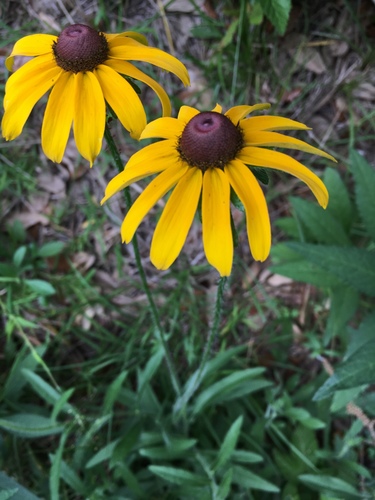
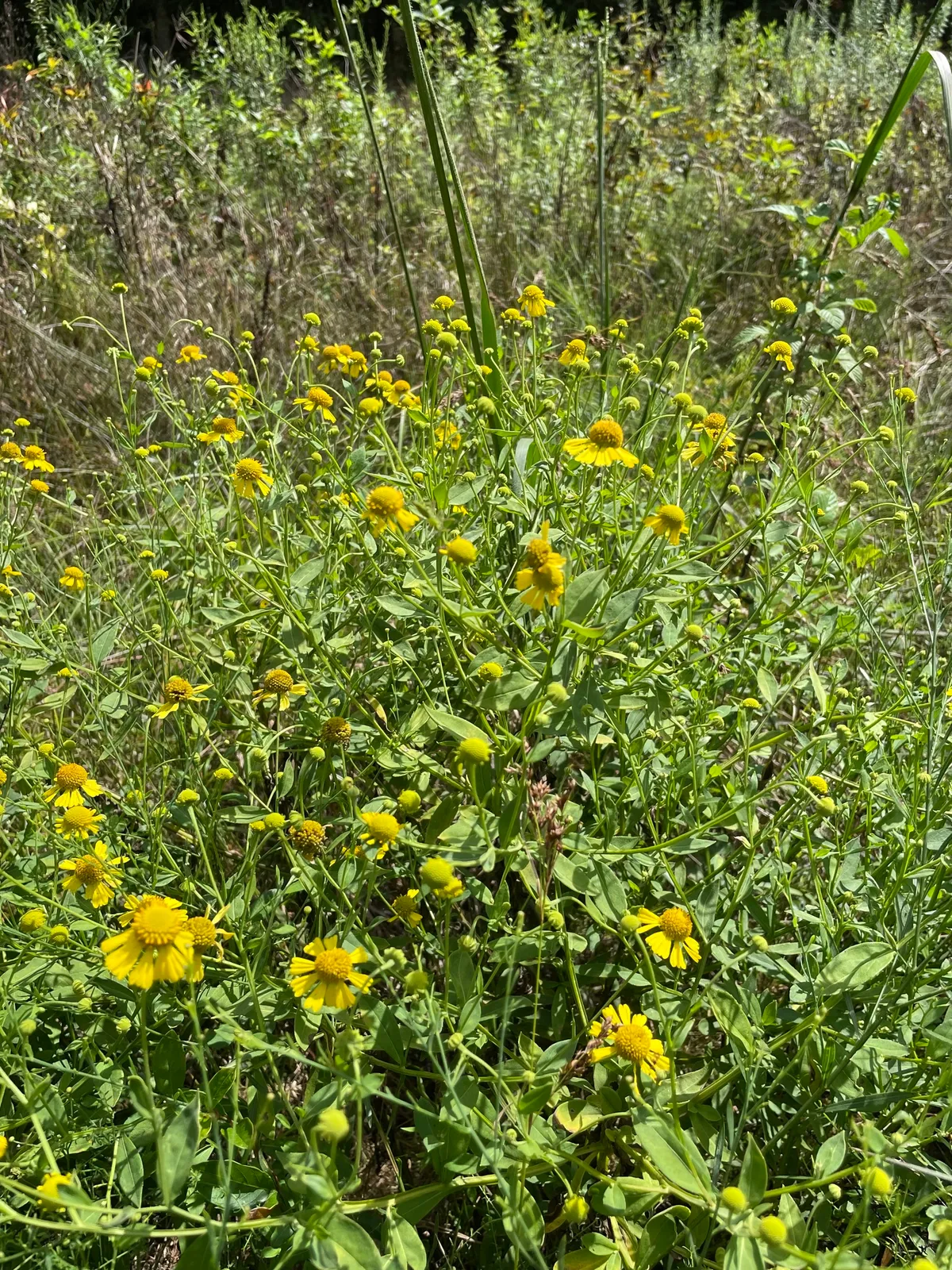
Thin-leaf coneflower is not native to the United States. These natives fill a similar role in a planting, matched on bloom season, bloom color and mature size.

Before you buy
Your city may pay you to plant this
Cities and water utilities offer rebates for replacing lawn with native and water-wise plants. We track 458 programs across 44 states, each with a link to the provider and the date we last checked it.
Find rebates in your areaPicture natives in your own yard
Wondering what could grow where Thin-leaf coneflower is now? Upload a photo of the spot and Patch Vision shows a rendering of it replanted with natives for your region.


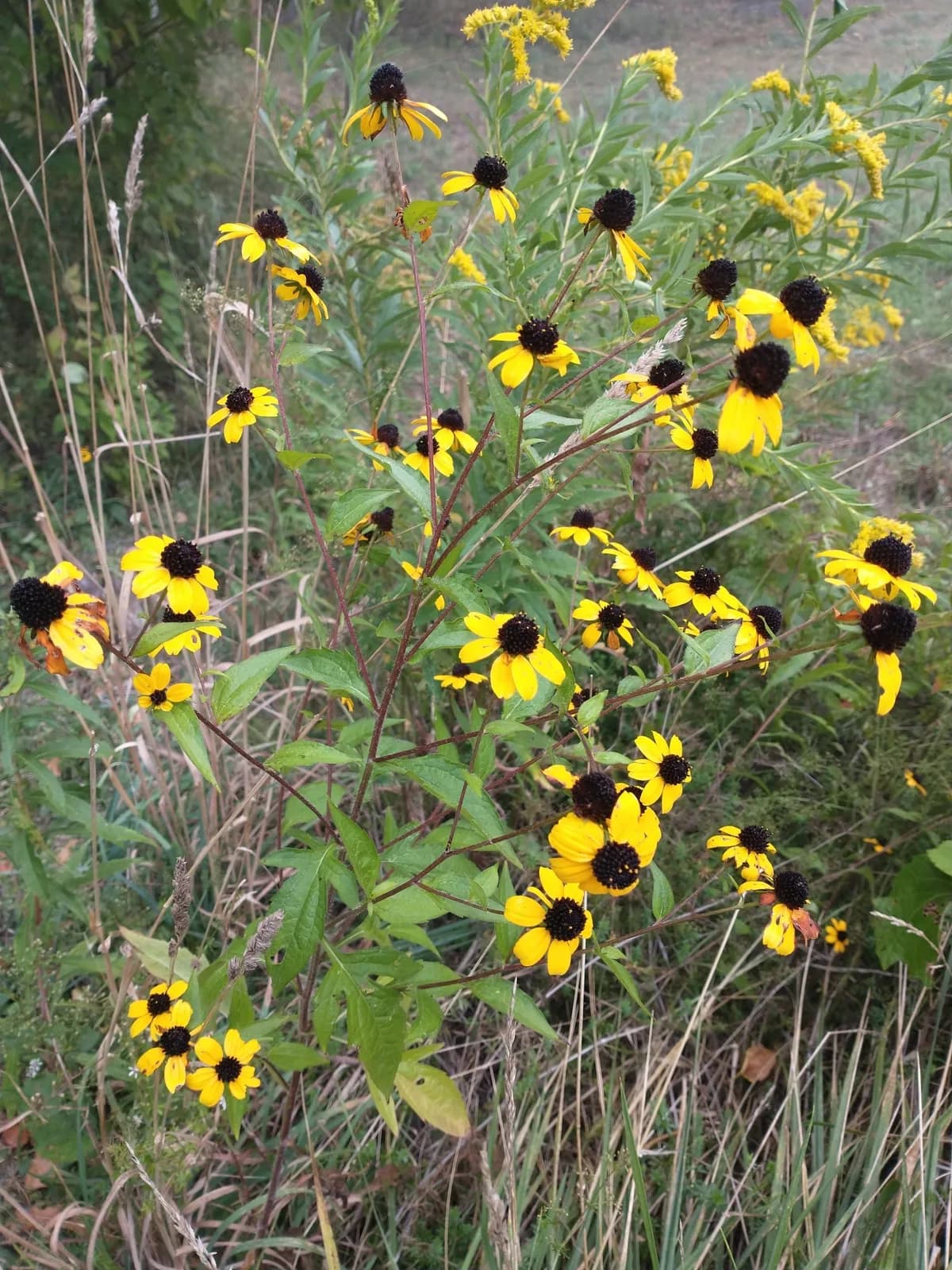
A branching, short-lived wildflower in the sunflower family, covered in late summer and fall with small daisy-like blooms that have bright yellow petals surrounding a dark, dome-shaped center. It grows upright on slender stems and often forms loose colonies where it has room to self-seed.
How to care for Thin-leaf coneflower, by region
How to care for Thin-leaf coneflower where it is actually grown: year-round basics plus what to do each season, region by region, with the sources for each.
Care guidance last updated: September 2026
Ouachita Mountains (includes Hot Springs, AR)
Year-round
Thin-leaf coneflower is a short-lived, weedy-natured member of the daisy family that thrives in Hot Springs' hot, humid summers and rocky Ouachita Mountain soil, though it needs some management to stay tidy in a front yard bed.
- Grows 3 to 5 feet tall with small, dark-centered yellow blooms from mid-summer into fall.
- Handles Garland County's clay and rocky soils once established, and tolerates heat and short dry spells better than constant moisture.
- Acts as a biennial or short-lived perennial, so individual plants often die out after a year or two even while the patch keeps going from dropped seed.
- Self-seeds readily in this region's long, humid growing season, so deadhead spent flowers if you do not want it spreading through nearby beds.
- Prefers full sun to light shade and average to moist, well-drained soil, with no need for heavy fertilizer, which tends to cause floppy, leaning stems in humid climates.
- Space plants for airflow, since Hot Springs' summer humidity can bring on powdery mildew in crowded stands.
Fall
Fall is when thin-leaf coneflower puts on its best show in Hot Springs, blooming into the first frost, which typically arrives in early to mid-November.
- Let bloom continue into fall since flowering often runs from mid-summer right up to first frost, roughly November 1 to 10 in Garland County.
- Leave some seed heads standing after bloom for goldfinches and other seed-eating birds through fall and into winter.
- Cut back some flower heads before they fully ripen if you want to limit next year's self-seeding in a formal bed.
- Divide or transplant crowded clumps in early fall while soil is still warm enough for roots to settle in before winter.
- Clear fallen, mildewed leaves from the base of the plant to reduce disease carryover into next year.
Cutting back some seed heads before they scatter keeps a street-facing bed from reseeding into the lawn or sidewalk cracks.
Winter
Winters in Hot Springs are generally mild, with occasional hard freezes, and thin-leaf coneflower needs little active care once it goes dormant.
- Leave dead stems and seed heads standing through winter as food and shelter for birds and overwintering insects, unless a neater look is the priority.
- Cut the whole plant back to a few inches if you prefer a tidy winter look, since Hot Springs' zone 8a winters rarely require the stems for insulation.
- Expect occasional ice storms and short hard freezes, but established plants in this species do not need covering or extra protection.
- Avoid working wet, compacted clay soil in winter, since Ouachita Mountain clay is easily damaged when saturated.
- Plan any bed edits or moves for late winter, just before spring growth resumes.
Cutting the dead stems back in late winter gives a front bed a clean look right before spring green-up.
Spring
Spring in Hot Springs runs mild, with the last frost typically landing in late March to early April, giving thin-leaf coneflower a full season to establish before the heat sets in.
- Direct sow seed or set out transplants after your area's last frost, generally late March into the first week of April in Garland County.
- Cut back last year's dead stems before new growth pushes up if you left seed heads standing over winter for birds.
- Thin crowded seedlings early since this species self-seeds heavily and can quickly overtake a small bed.
- Work compost into rocky Ouachita Mountain soil at planting time to help it hold moisture through the coming summer heat.
- Check new growth for aphid clusters and rinse them off with a hose rather than letting colonies build up.
Thinning the volunteer seedlings in spring keeps a front-bed planting looking deliberate instead of overgrown.
Summer
Hot Springs summers bring high heat and thick humidity, and thin-leaf coneflower generally shrugs it off once its roots are established, though young plants need steady water.
- Water new plants during dry stretches in July and August, when Hot Springs regularly sees highs in the low 90s with high humidity.
- Established plants tolerate short droughts, but consistent moisture keeps blooms coming longer through the season.
- Deadhead through summer to keep flowering going and to limit the volume of seed dropping for next year.
- Watch for powdery mildew on lower leaves in the muggy stretches of July, and thin stems or improve airflow if it appears.
- Stake or corral plants growing in part shade, since they tend to lean and flop more without full sun.
Staking or corralling floppy stems in mid-summer keeps the planting from spilling over a walkway or sidewalk.
Sources: NC State Extension Gardener Plant Toolbox: Rudbeckia triloba, Almanac.com: Frost Dates for Hot Springs, AR (community tip), USDA Plant Hardiness Zone Map (ARS)
In an HOA neighborhood
Thin-leaf coneflower is an HOA-friendly choice. Maintenance level: moderate. Tidiness: 3 out of 5.
Works well in: mixed border, cottage style bed, naturalized meadow edge.
- self-seeds readily and can spread beyond where it is planted
- stems can flop without support in rich soil
Wildlife value
Host plant for Silvery Checkerspot.
Its abundant small blooms draw bees and butterflies through a long bloom season, and the foliage serves as a larval host for the silvery checkerspot butterfly. Finches and other seed-eating birds feed on the ripened seed heads into winter.
Common questions
- How much sun does Thin-leaf coneflower need?
- Thin-leaf coneflower grows best in full sun conditions.
- When does Thin-leaf coneflower bloom?
- Thin-leaf coneflower blooms in July, August, September, and October.
- What butterflies or moths does Thin-leaf coneflower host?
- Thin-leaf coneflower is a larval host plant for Silvery Checkerspot.
- Is Thin-leaf coneflower HOA-friendly?
- Thin-leaf coneflower is generally an HOA-friendly choice in the right placement, with moderate maintenance.
Pollinator and host plant associations compiled from GBIF, iNaturalist, and published ecological literature.
If something looks wrong
Common plant problems, and what to check first
These come up on almost any plant. Each guide lists the likely causes in the order they are worth ruling out, with one thing to check before you act on any of them, and links to the source it came from.
- It is dying right after planting
- Leaves turning yellow
- Wilting even though I watered it
- Brown crispy leaf tips
- Bugs on the plant
Ready to grow Thin-leaf coneflower? Add it to your garden in Pollinator Patch to track it and get season-by-season care guidance.