Wild Mint
Mentha arvensis
Last reviewed: September 2026
Wild mint is a low growing forb that blooms from June through August with small lavender flower clusters. It thrives in moist soil with part sun to full sun across a wide range of climates from the Northeast to the Great Plains.

Wild Mint is toxic to dogs and cats.
Listed as toxic by the ASPCA Animal Poison Control Center (opens in new tab) (last reviewed 2026-05-21). If your pet has been exposed, call the ASPCA Animal Poison Control Center at (888) 426-4435 and your veterinarian's emergency line.
Pollinator Patch flags toxic plants so you can choose a pet-safe native alternative for your yard.
Native swaps for a yard with pets
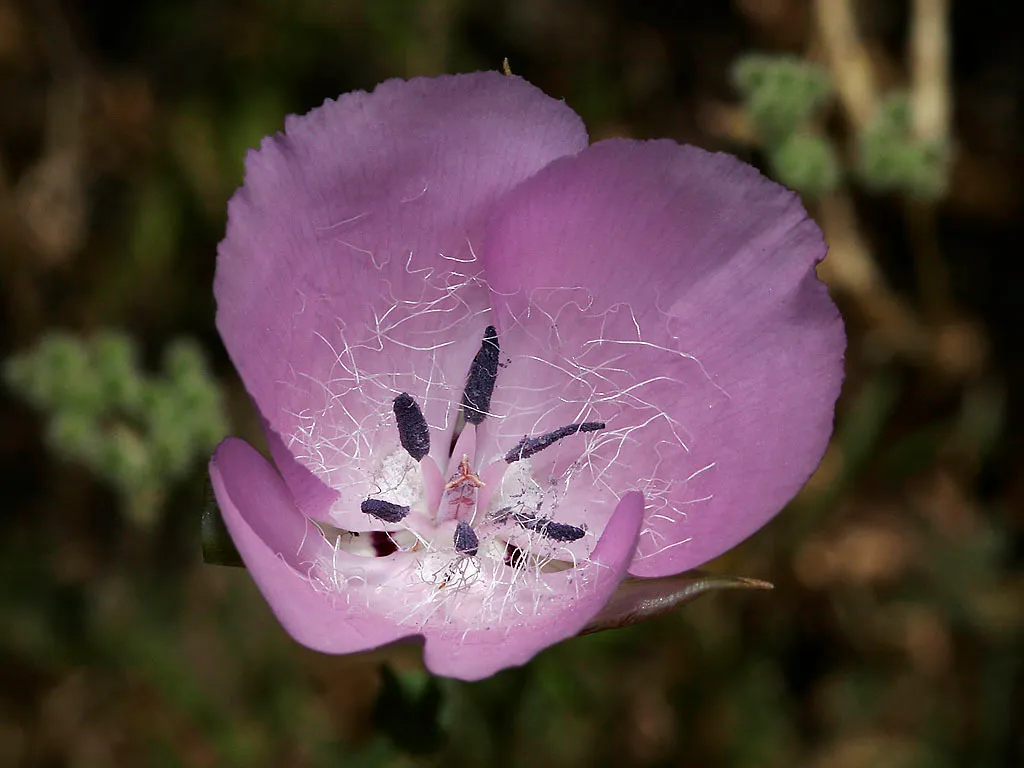
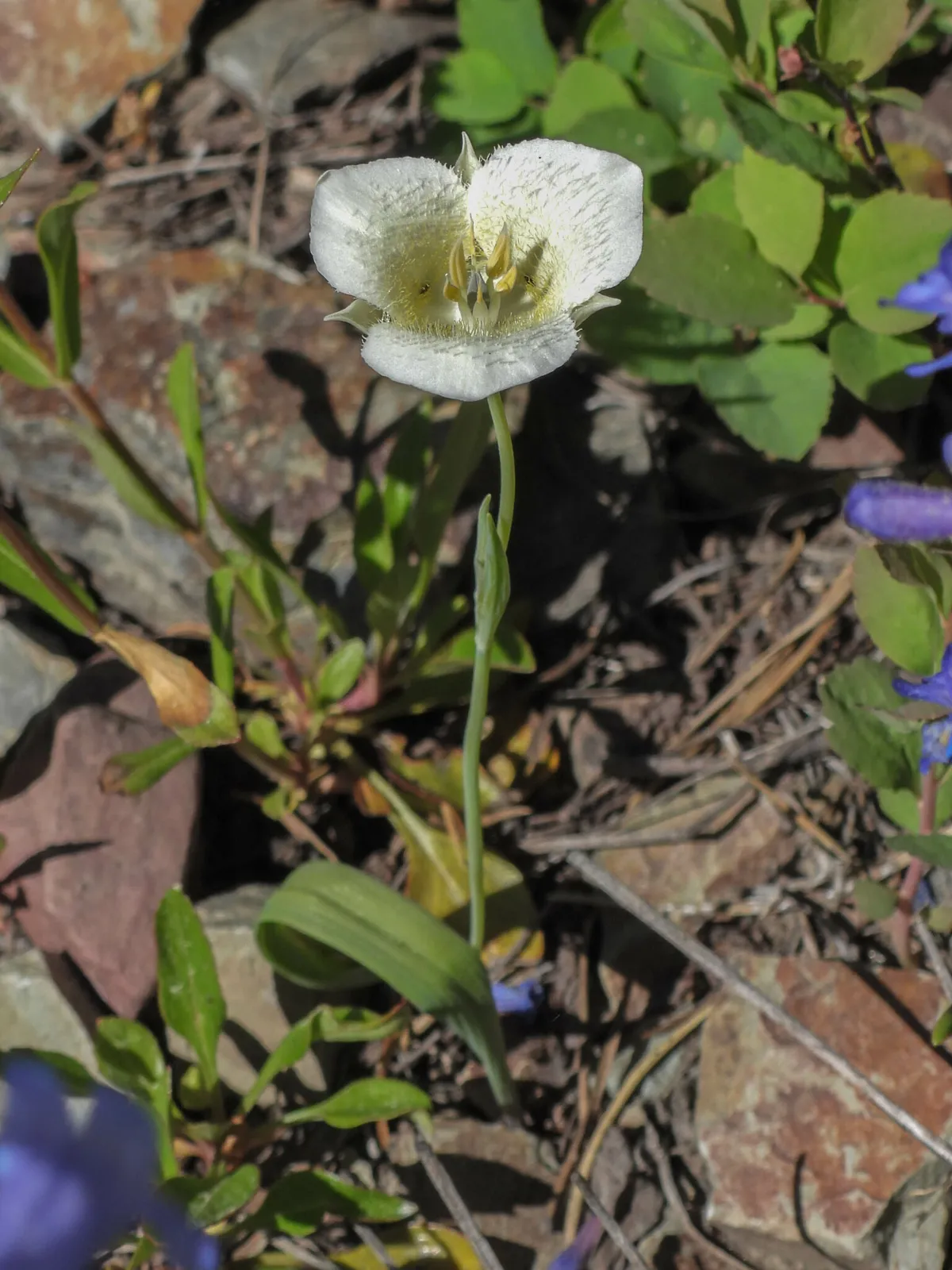
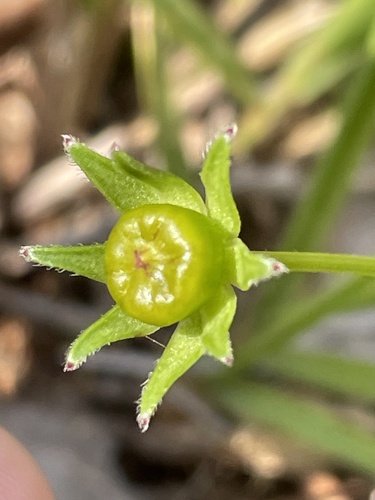
Wild Mint is listed as toxic to dogs by the ASPCA Animal Poison Control Center. These natives fill a similar role in a planting and are not on the ASPCA toxic plant list for dogs or cats. Each plant's page carries its dated record.
The USDA PLANTS Database (opens in new tab) does not flag Wild Mint as toxic to livestock.
Light
part sun
Water
medium
Size
6"–24" H × 12"–36" W
Bloom
Jun, Jul, Aug
Native to
AL, AR, CA, CO and 39 more states
Pollinators
bees, butterflies, beetles
Deer
Resistant (per Prairie Moon Nursery)
Before you buy
Your city may pay you to plant this
Cities and water utilities offer rebates for replacing lawn with native and water-wise plants. We track 459 programs across 44 states, each with a link to the provider and the date we last checked it.
Find rebates in your areaPicture natives in your own yard
Upload a photo of your yard and Patch Vision shows a rendering of it planted with natives for your region, like Wild Mint.


Browse plants for this ecoregion
Wild mint is a spreading perennial herb that forms low patches with aromatic foliage and small clusters of white to pale purple flowers in summer. This native mint thrives in partially shaded areas with consistent moisture and can quickly colonize suitable spots through underground runners.
Growing Wild Mint
Grow Wild Mint in part sun and medium water. Mature plants reach 6 to 24 inches tall and spread 12 to 36 inches wide. Expect high maintenance to keep it looking intentional in a front yard.
How to care for Wild Mint, by region
How to care for Wild Mint where it is actually grown: year-round basics plus what to do each season, region by region, with the sources for each.
Care guidance last updated: August 2026
Western Allegheny Plateau (includes Pittsburgh, PA)
Year-round
Wild mint (Mentha arvensis) is a native perennial for the Pittsburgh area that spreads fast through underground rhizomes, so containment is the first decision to make, not an afterthought. Plant it in a buried bottomless pot, a root barrier, or a container rather than loose in a bed, and keep the soil consistently moist. It is a strong pollinator plant but it is on the ASPCA toxic list for dogs and cats, so keep grazing pets away from it.
- Contain it before you plant it: use a large container, or sink a bottomless pot or root barrier 12 to 18 inches deep with an inch or two sticking above the soil line, so the rhizomes cannot creep into the rest of the yard.
- Give it consistently moist soil in part sun to part shade. Pittsburgh clay holds water well, which suits this plant, as long as it does not dry out for long stretches in summer.
- Pinch and cut back stems through the growing season. This keeps the patch bushy, encourages more blooms, and makes it easier to spot and trim any runner trying to escape its container edge.
- It is toxic to dogs and cats per the ASPCA (essential oils, causing vomiting and diarrhea with large amounts eaten), so it is a good idea to keep pets from chewing on it.
- USDA lists it as native across most of Pennsylvania, and the Xerces Society flags it as a strong plant for native bees once it is established.
An uncontained wild mint patch can spread into a lawn or neighboring bed and start looking like a weed takeover, which is the opposite of HOA-friendly. Planting it in a container or a sunken root barrier keeps the same low-stress, pollinator-friendly plant looking tidy and intentional.
Fall
Growth slows and the plant starts dying back to the ground as nights get cold, so fall is mainly about a final cleanup and checking containment one more time before winter.
- Foliage yellows and dies back to ground level as frost arrives. You can leave the dead stems standing over winter or cut them back, either works for this plant.
- Soil moisture needs drop off as growth slows, so cut back extra watering once the plant is clearly heading into dormancy.
- Do a last check of the container rim or root barrier before the ground freezes, since spring growth will start pushing on it again.
A quick fall cleanup keeps a dormant mint bed from reading as neglected over the winter months.
Winter
Wild mint dies back completely above ground and the rhizomes ride out Pittsburgh's cold winters underground without any special protection needed.
- The plant goes fully dormant and the rhizomes handle USDA zone 6a and 6b winters on their own, no mulching or covering required.
- There is nothing to water or prune during dormancy. The bed will look bare until new shoots return in spring.
- If you are planning a new container or root barrier for next year, winter is a good time to build or place it while the bed is empty.
A bare, dormant mint bed over winter is normal and expected, and does not need any extra tidying to stay HOA-conscious looking.
Spring
Spring is when new shoots push up from last year's rhizomes, and it is your last easy window to fix or add containment before the plant is back in full growth.
- New stems emerge from the rhizomes as soil warms. Check that any buried pot rim or root barrier from last year is still intact before growth picks up speed.
- Keep soil evenly moist as the plant leafs out. In Pittsburgh's clay, that usually means letting spring rain do most of the work and only watering if a dry stretch hits.
- This is a good time to divide an overgrown patch or move a start into a container if last year's planting was not contained well enough.
Handling containment now, before the plant fills back in, is the low-stress way to keep the patch from spreading past its bed once summer growth takes off.
Summer
Wild mint blooms white to purple flowers from July into September and draws a lot of bee activity, but summer heat also means watching soil moisture closely and staying on top of trimming.
- Flowers open July through September. Bees and other pollinators use it heavily during this stretch, so leave some stems unpruned through bloom if you want that activity.
- Water during hot, dry spells so the soil stays consistently moist. Wild mint slows down and can look ragged if it dries out for more than a few days.
- Cut plants back by about a third after the first flush of bloom to keep the patch tidy and to catch any runner trying to cross a container edge or barrier.
Regular summer trims are what keep a contained mint patch reading as a tidy, HOA-friendly planting instead of an overgrown patch by late summer.
Sources: ASPCA Toxic and Non-Toxic Plants: Mint, USDA PLANTS Profile: Mentha arvensis (wild mint), Lady Bird Johnson Wildflower Center: Mentha arvensis, University of Maryland Extension: Growing Mint in a Home Garden, Prairie Moon Nursery: Mentha arvensis Wild Mint
In an HOA neighborhood
Wild Mint takes more care to keep looking intentional in a front yard. Maintenance level: high. Consider it for backyard or mid-zone beds rather than the street edge.
Works well in: backyard only.
- Aggressive spreading habit can appear unkempt
- May be viewed as weedy rather than ornamental
- Difficult to contain within defined planting areas
Wildlife value
The summer blooms attract various pollinators including native bees, butterflies, and beneficial beetles. The dense foliage also provides shelter for small wildlife.
Common questions
- When does wild mint bloom?
- Wild mint typically flowers from June through August, producing small clusters of pale purple to white blooms along its stems.
- What pollinators visit wild mint flowers?
- Bees, butterflies, and beetles are commonly seen visiting wild mint flowers for nectar during the summer bloom period.
- How much water does wild mint need?
- Wild mint prefers consistently moist soil and does well near streams, ditches, and low wet areas, though it can tolerate medium moisture conditions once established.
- What kind of light does wild mint need to grow well?
- Wild mint grows best in part sun but can also handle full sun or part shade, especially where soil moisture stays consistent.
- Does wild mint die back in winter?
- Yes, wild mint is a deciduous herbaceous perennial that dies back to the ground each winter and regrows from its roots in spring.
- Is Wild Mint toxic to dogs?
- Yes. Wild Mint is listed as toxic to dogs by the ASPCA Animal Poison Control Center (aspca.org). If your pet has been exposed, call the ASPCA Animal Poison Control Center at (888) 426-4435.
- Is Wild Mint toxic to cats?
- Yes. Wild Mint is listed as toxic to cats by the ASPCA Animal Poison Control Center (aspca.org). If your cat has been exposed, call the ASPCA Animal Poison Control Center at (888) 426-4435.
- Is Wild Mint toxic to livestock?
- The USDA PLANTS Database does not flag Wild Mint as toxic to livestock.
- Is Wild Mint HOA-friendly?
- Wild Mint takes more care to look intentional in a front yard. Consider it for backyard or mid-zone beds rather than the street edge.
These answers were drafted with an AI model from this plant's data. Verify care details with a local expert.
Native range data from vouchered herbarium specimen records and regional native plant society lists. Pollinator and host plant associations compiled from GBIF, iNaturalist, and published ecological literature.
If something looks wrong
Common plant problems, and what to check first
These come up on almost any plant. Each guide lists the likely causes in the order they are worth ruling out, with one thing to check before you act on any of them, and links to the source it came from.
- It is dying right after planting
- Leaves turning yellow
- Wilting even though I watered it
- Brown crispy leaf tips
- Bugs on the plant
Pollinator Patch flags toxic plants like Wild Mint and shows pet-safe natives for your ecoregion instead.