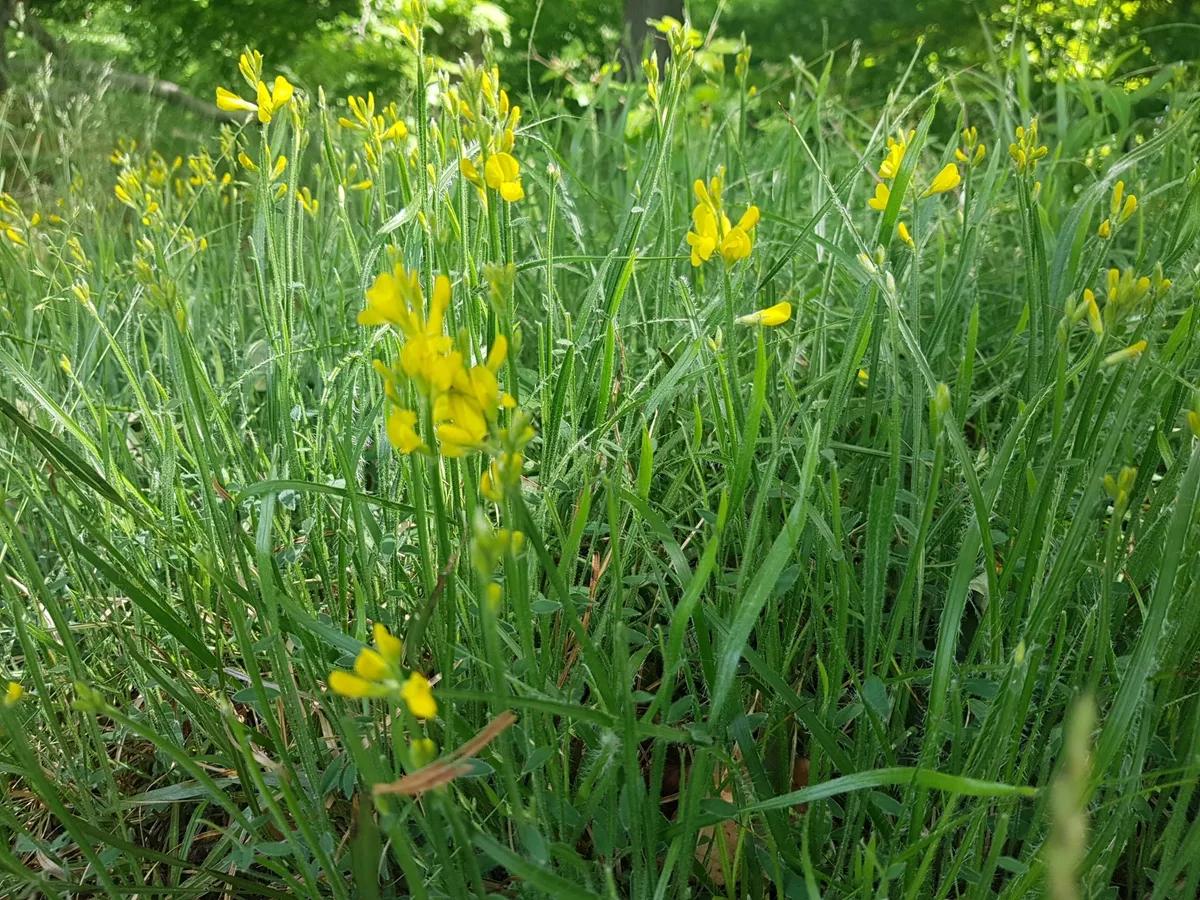
Winged greenweed
Genista sagittalis
Last reviewed: November 2026
Watering reminders and freeze alerts for Winged greenweed, free in the app.


Toxicity unknown
Winged greenweed (Genista sagittalis) is not listed by the ASPCA Animal Poison Control Center (opens in new tab) or the other sources we check, so we have no verdict for it either way. Absence from those lists is not a clearance. If your pet shows symptoms after eating any plant, call the ASPCA at (888) 426-4435.
Light
full sun
Water
low
Size
6"–18" H × 12"–36" W
Bloom
May, Jun, Jul
Pollinators
bees
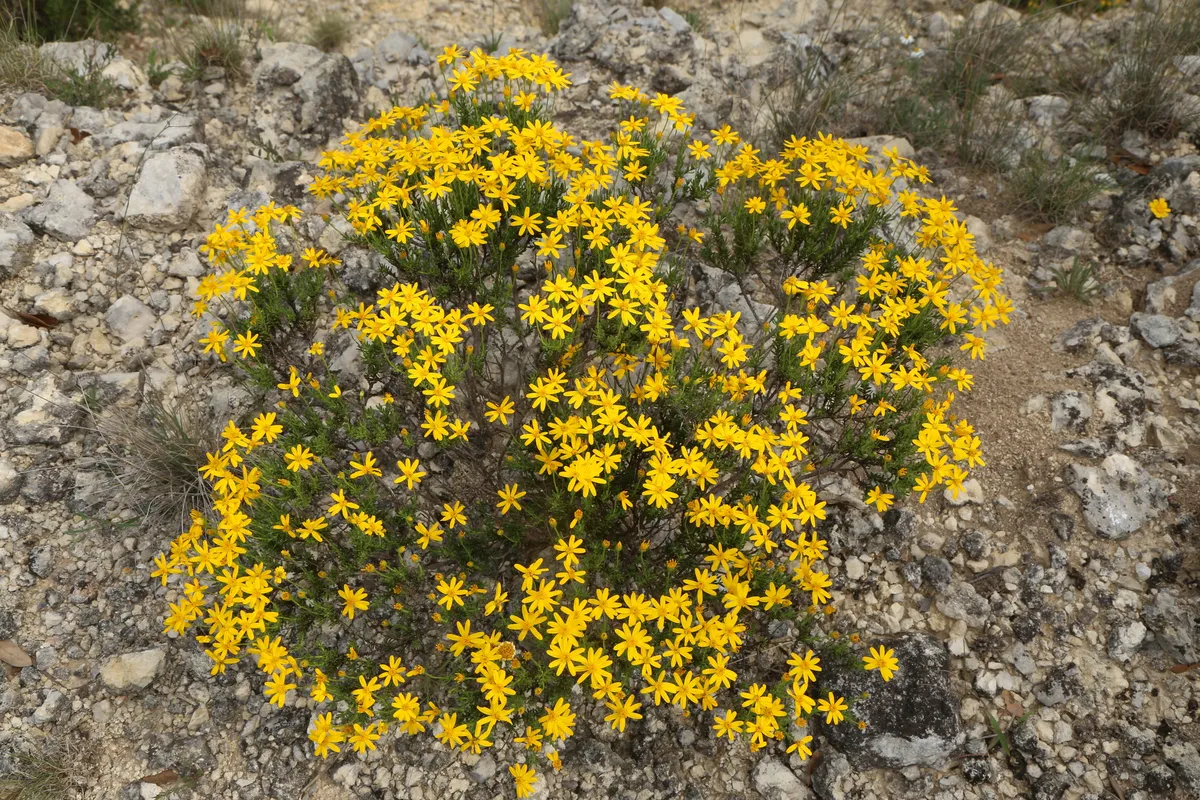
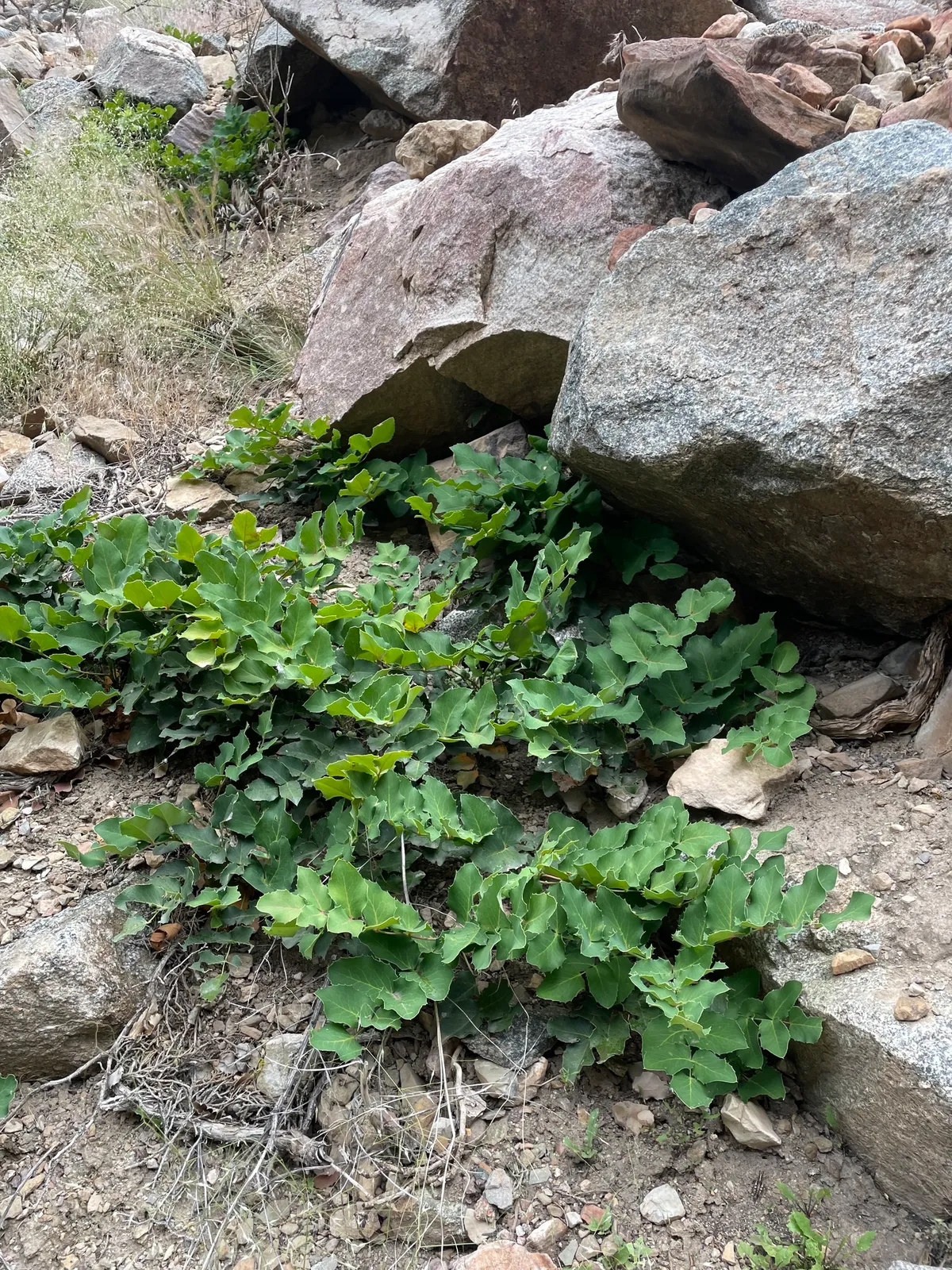
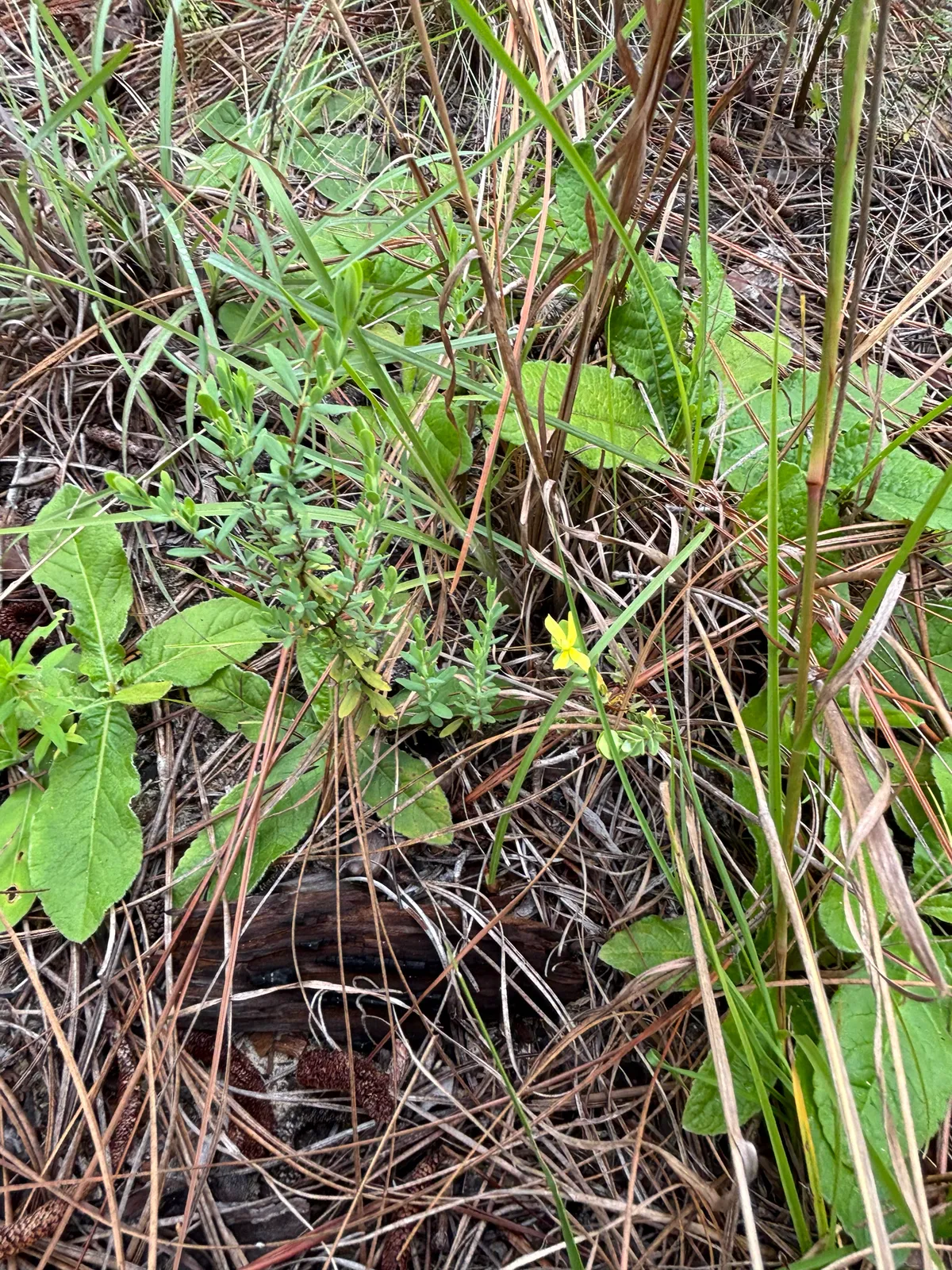
Native alternatives to Winged greenweed
Winged greenweed is not native to the United States. These natives fill a similar role in a planting, matched on bloom season, bloom color and mature size.
Before you buy
Your city may pay you to plant this
Cities and water utilities offer rebates for replacing lawn with native and water-wise plants. We track 465 programs across 44 states, each with a link to the provider and the date we last checked it.
Find rebates in your areaPicture natives in your own yard
Wondering what could grow where Winged greenweed is now? Upload a photo of the spot and Patch Vision shows a rendering of it replanted with natives for your region.
A low, mat-forming broom with winged green stems and yellow pea flowers in early summer. Native to Europe and western Asia, it is not a US native and can spread in open, disturbed ground.
How to care for Winged greenweed, by region
How to care for Winged greenweed where it is actually grown: year-round basics plus what to do each season, region by region, with the sources for each.
Care guidance last updated: November 2026
Southern California Mountains (includes Big Bear Lake, CA)
Year-round
Winged greenweed is a low, mat-forming shrub originally from Europe, grown here as a garden plant.
- It stays 6 to 18 inches tall and spreads 1 to 3 feet.
- It does best in full sun and well-drained, lean soil.
- Once settled it needs little water.
Its low, tidy habit suits edging and slopes.
Fall
Fall is when the leaves drop and seed pods ripen.
- Cut off seed pods if you want to limit spread.
- Water only during long dry spells.
- Clear fallen debris from the base.
Removing pods keeps the bed tidy.
Winter
Winter is a rest period for this deciduous plant.
- Skip watering when the soil is damp.
- Leave the green stems in place until spring.
- Protect from soggy, poorly drained soil.
Little work is needed in winter.
Spring
Spring is when new growth starts and buds form.
- Water lightly if rain is scarce.
- Trim any winter-damaged tips.
- Skip rich fertilizer, which makes it floppy.
A light spring trim keeps the mat neat.
Summer
Summer brings yellow pea flowers.
- Water deeply but rarely once established.
- Shear spent flower stems after bloom.
- Pull seedlings you do not want.
Shearing after bloom keeps edges clean.
Sources: Wikipedia, Genista sagittalis (low deciduous subshrub native to Europe with winged green stems and yellow flowers in early summer; prefers full sun and well-drained, poor soil) (community tip)
In an HOA neighborhood
Winged greenweed takes more care to keep looking intentional in a front yard. Consider it for backyard or mid-zone beds rather than the street edge.
Wildlife value
Flowers are visited by bees for pollen. Offers little habitat value compared with regional natives.
Common questions
- How much sun does Winged greenweed need?
- Winged greenweed grows best in full sun conditions.
- When does Winged greenweed bloom?
- Winged greenweed blooms in May, June, and July.
- What pollinators does Winged greenweed attract?
- Winged greenweed draws bees.
- Is Winged greenweed HOA-friendly?
- Winged greenweed takes more care to look intentional in a front yard. Consider it for backyard or mid-zone beds rather than the street edge.
Pollinator and host plant associations compiled from GBIF, iNaturalist, and published ecological literature.
If something looks wrong
Common plant problems, and what to check first
These come up on almost any plant. Each guide lists the likely causes in the order they are worth ruling out, with one thing to check before you act on any of them, and links to the source it came from.
- It is dying right after planting
- Leaves turning yellow
- Wilting even though I watered it
- Brown crispy leaf tips
- Bugs on the plant
Ready to grow Winged greenweed? Add it to your garden in the Pollinator Patch App to track it and get season-by-season care guidance.