Woodruff
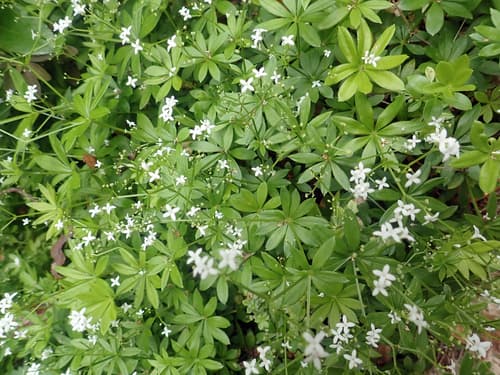
Galium odoratum
Last reviewed: September 2026
Toxicity unknown
Woodruff (Galium odoratum) is not listed by the ASPCA Animal Poison Control Center (opens in new tab) or the other sources we check, so we have no verdict for it either way. Absence from those lists is not a clearance. If your pet shows symptoms after eating any plant, call the ASPCA at (888) 426-4435.
Light
part shade
Water
medium
Size
6"–12" H × 12"–24" W
Bloom
Apr, May, Jun
Pollinators
bees, flies
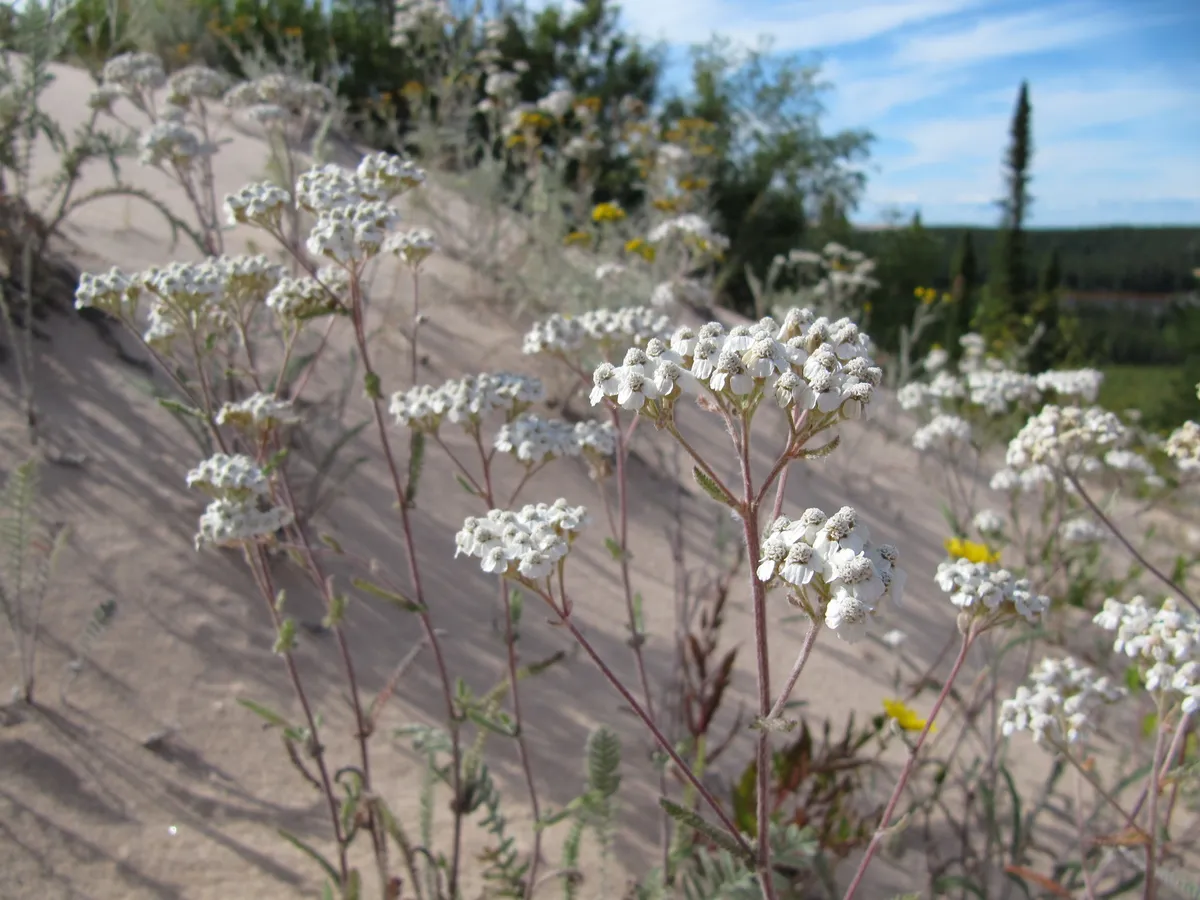
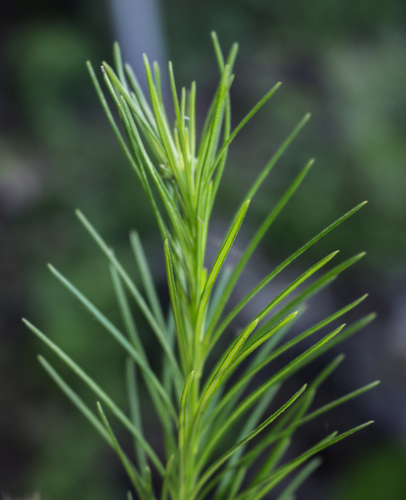
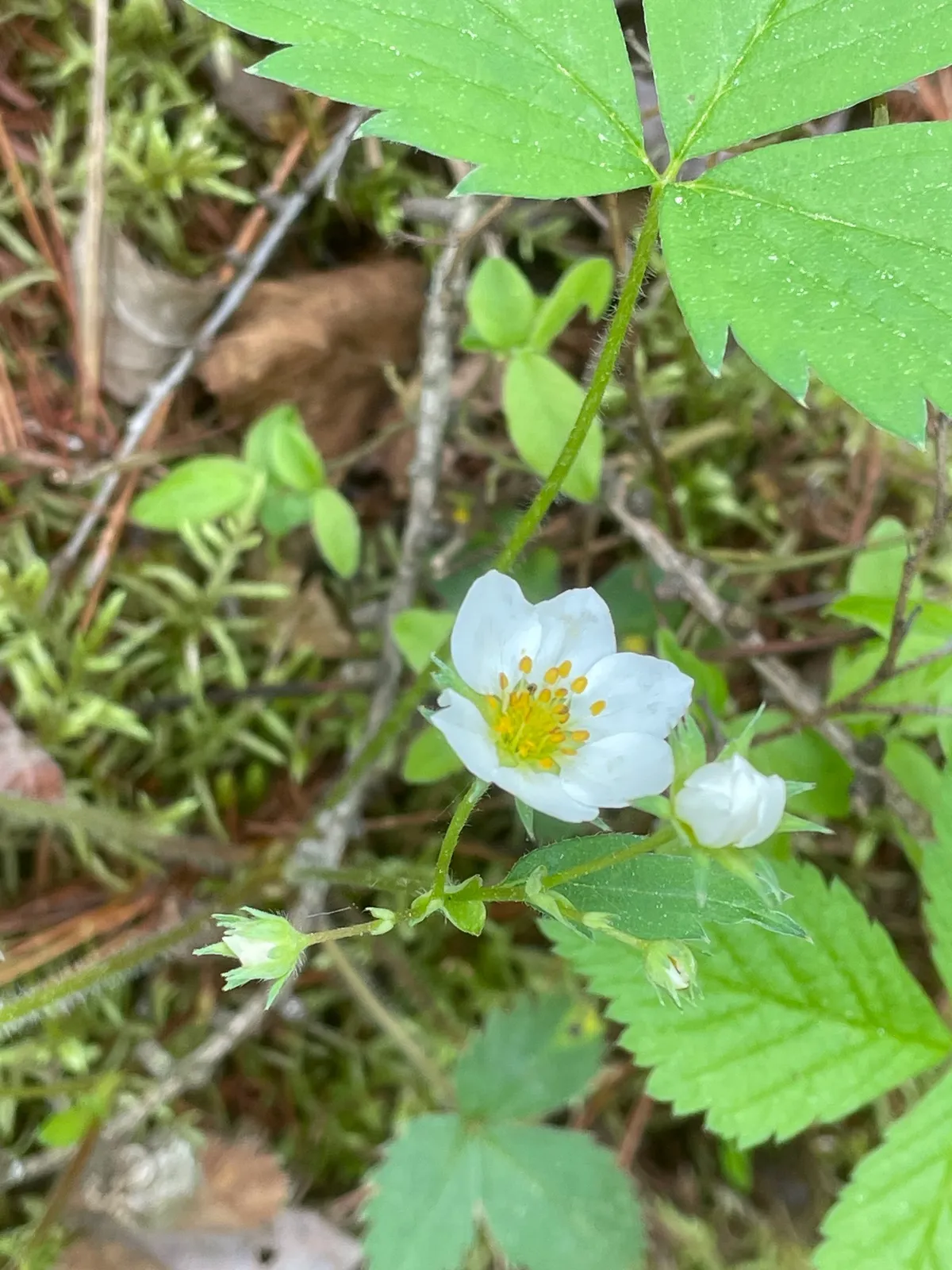
Native alternatives to Woodruff
Woodruff is not native to the United States. These natives fill a similar role in a planting, matched on bloom season, bloom color and mature size.
Before you buy
Your city may pay you to plant this
Cities and water utilities offer rebates for replacing lawn with native and water-wise plants. We track 452 programs across 44 states, each with a link to the provider and the date we last checked it.
Find rebates in your areaA low, spreading groundcover forb with whorled leaves and clusters of small white star-shaped flowers each spring, grown for shaded areas beneath trees and shrubs.
How to care for Woodruff, by region
How to care for Woodruff where it is actually grown: year-round basics plus what to do each season, region by region, with the sources for each.
Care guidance last updated: September 2026
Piedmont (includes Atlanta, GA)
Year-round
Sweet woodruff is a low, spreading groundcover native to Europe, north Africa, and Asia, grown in the Atlanta area beneath trees and shrubs for its fragrant leaves and small white spring flowers.
- Plant in part to full shade in moist, fertile, well-drained soil, such as under trees or along a shaded foundation bed.
- Water during dry spells, especially in summer heat; it can go dormant if it dries out.
- Give it room to spread by rhizomes and self-seeding; use edging or a contained bed if you want to keep it in bounds.
- Little to no fertilizing is needed in reasonably fertile soil.
Its low, even carpet under trees reads as an intentional shade groundcover rather than an unmanaged area.
Fall
Sweet woodruff's foliage persists into fall in the Atlanta area, gradually fading as temperatures cool.
- Continue watering during any dry fall spells; reduce frequency as temperatures drop.
- Foliage may yellow and die back with the first frosts; this is normal.
- Fall is a good time to divide and thin a bed that has spread too far.
A fall division keeps the bed's edges crisp and intentional-looking heading into winter.
Winter
In a typical Atlanta winter, sweet woodruff dies back to the ground and re-emerges from its rhizomes in early spring.
- No watering is needed while the plant is dormant, unless winter is unusually dry.
- Leave dead foliage in place over winter; it can be cleared in late winter before new growth starts.
- No fertilizing is needed until spring growth resumes.
Dormant winter beds are inconspicuous and require no visible maintenance.
Spring
Spring is sweet woodruff's showiest season in the Atlanta area, with small white star-shaped flowers appearing above the foliage.
- Plant divisions or nursery starts in early spring while soil is still cool and moist.
- Water regularly while new plantings establish, keeping soil consistently moist but not soggy.
- Enjoy the spring flush of white blooms, which typically lasts several weeks.
The spring bloom is brief and low to the ground, so it never looks unkempt to neighbors.
Summer
Through Atlanta's hot, humid summer, sweet woodruff needs consistent moisture in its shaded spot to avoid going dormant.
- Water during dry stretches so the soil stays evenly moist; it will die back early if allowed to dry out.
- Keep it in shade or part shade; direct summer sun can scorch the foliage.
- Trim back any spreading runners that cross into walkways or neighboring beds.
Regular light trimming keeps the groundcover contained to its bed through the growing season.
Sources: NC State Extension Gardener Plant Toolbox, Plants of the World Online, Kew Science
Want these tasks as reminders timed to your yard? Pollinator Patch turns this guidance into a season-by-season care plan for the plants you actually grow.
In an HOA neighborhood
Woodruff is an HOA-friendly choice. Maintenance level: low. Tidiness: 4 out of 5.
Works well in: shaded groundcover, under trees, woodland border.
- spreads by rhizomes and can naturalize beyond its planting area if not contained
Wildlife value
Offers minor nectar for small bees and flies during its spring bloom, but functions mainly as a shade groundcover rather than a significant wildlife plant.
Common questions
- How much sun does Woodruff need?
- Woodruff grows best in part shade conditions.
- When does Woodruff bloom?
- Woodruff blooms in April, May, and June.
- What pollinators does Woodruff attract?
- Woodruff draws bees and flies.
- Is Woodruff HOA-friendly?
- Woodruff is generally an HOA-friendly choice in the right placement, with low maintenance.
Pollinator and host plant associations compiled from GBIF, iNaturalist, and published ecological literature.
If something looks wrong
Common plant problems, and what to check first
These come up on almost any plant. Each guide lists the likely causes in the order they are worth ruling out, with one thing to check before you act on any of them, and links to the source it came from.
- It is dying right after planting
- Leaves turning yellow
- Wilting even though I watered it
- Brown crispy leaf tips
- Bugs on the plant
Ready to grow Woodruff? Add it to your garden in Pollinator Patch to track it and get season-by-season care guidance.
Planning a bed around it? Start a free plan with this plant
Not sure where to start? Take the 2-minute yard quiz