Minnesota Rebates
Minnesota Native Landscaping Rebates
Last updated: October 2026 · 28 programs tracked
- Lawns to Legumes (statewide): up to $400 for native pollinator habitat. Apply via Blue Thumb (bluethumb.org) in spring or fall lottery windows.
- Metro Blooms (Twin Cities): subsidized native plant installations through Planting for Clean Water partnerships with watershed districts.
- Capitol Region Watershed District (Saint Paul area): stewardship grants up to $500 for rain gardens and native plantings.
See the vision
From turf to a native front yard.
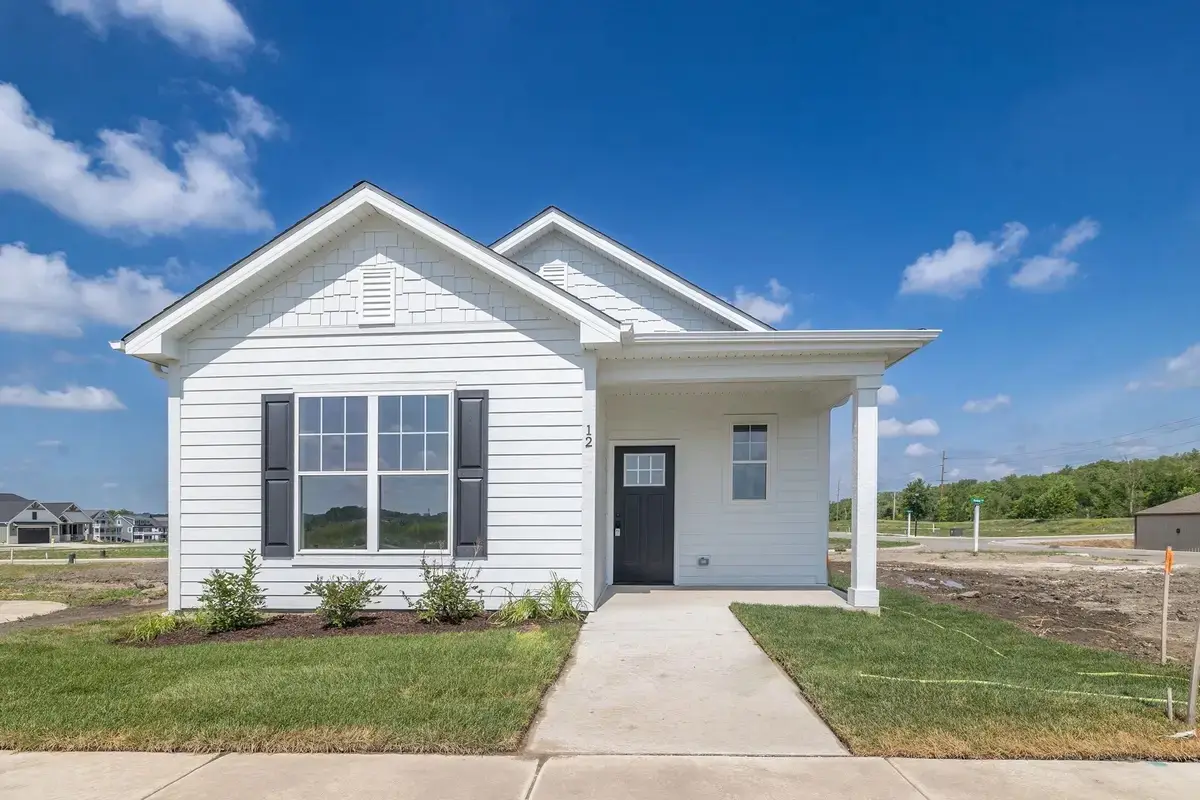
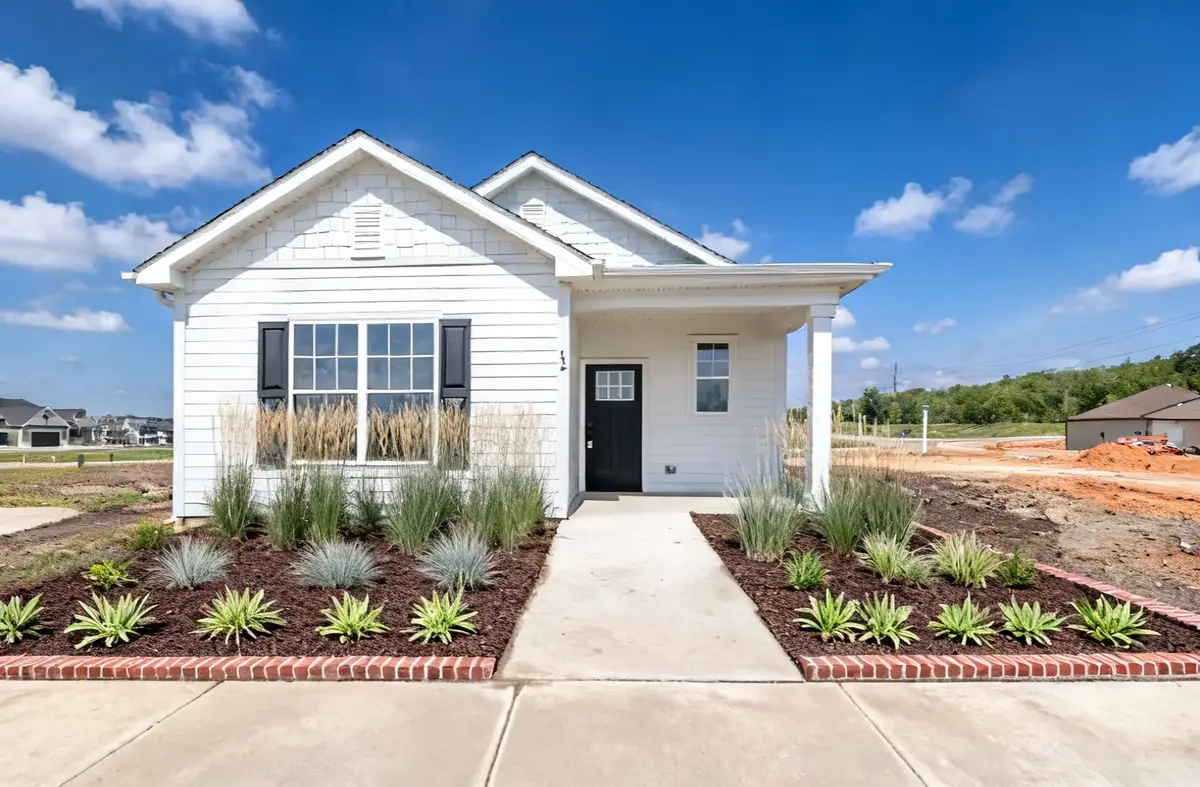
An illustrative Garden Planner rendering of a turf-to-native front yard, generated by an AI image model. In the app, every plan is generated from a photo of your own yard, for your sun, soil, and HOA strictness.
How to apply for Minnesota rebates
- 1.Apply for pre-approval before you start. Starting work first is the most common reason applications get denied.
- 2.Take before photos of the area you plan to convert, then matching after photos from the same angles once the work is done.
- 3.Apply early in the fiscal year. Many programs are first-come, first-served. Each program below links to the provider for current rules. See our step-by-step lawn replacement guide.
Statewide
1 program available
Reimbursement for establishing native pollinator habitat: pocket plantings, pollinator lawns, pollinator meadows, or pollinator-beneficial trees and shrubs. Covers native plants, seeds, mulch, edging, and equipment rental. Projects support monarch butterflies and rusty patched bumble bees.
About one-third of applicants are funded each round, so applying does not guarantee funding, and reimbursement comes after project completion. Applications typically open in summer, check bluethumb.org for dates.
Twin Cities Metro
1 program available
Metro Blooms Design+Build Subsidized Garden Design and Installation
Metro Blooms Design+Build
Metro Blooms Design+Build provides subsidized native plant garden designs and installations in the Twin Cities metro by connecting clients with funding opportunities through their local watershed district. Homeowners in partnering watershed districts may qualify for reduced design and/or installation costs. Metro Blooms also offers a number of community-based planting programs in the Twin Cities metro, shares low-cost gardening resources on their website, and offers workshops and a fall native plant sale through their Blue Thumb program.
Metro Blooms partners with 20+ watershed districts, and if yours funds a program, your installation cost may be significantly below full price. Check metroblooms.org for current season programs and participating watershed districts.
Saint Paul Metro
1 program available
Capitol Region Watershed District Stewardship Grant
Capitol Region Watershed District (CRWD)
Capitol Region Watershed District offers stewardship grants for rain gardens, native plantings, shoreline restoration, and other stormwater Best Management Practices. Residential grants up to $500; larger amounts available for commercial and multi-family properties. Projects must be within the CRWD boundary (central Saint Paul and inner suburbs).
CRWD offers free rain garden and native planting workshops each spring. Additional Minnesota watershed districts with grant programs: Minnehaha Creek Watershed District (minnehahacreek.org) and Nine Mile Creek Watershed District (ninemilecreek.org).
Anoka County (North Metro Pollinator Pathway)
1 program available
Washington County (Stillwater area)
1 program available
Reimburses up to $500 for rain gardens and native plantings (cultivars/nativars are not eligible). Open to all landowners in the district; first-come, first-served (Browns Creek Watershed District; last verified June 2026).
Northeast metro (Chisago & Washington counties)
1 program available
Dakota County / south Twin Cities metro
1 program available
Landscaping for Clean Water
Dakota County Soil & Water Conservation District
A $400 cost-share grant for installing a rain garden or native/pollinator planting, available after completing the Landscaping for Clean Water design course. Funded by Dakota County watershed organizations and open to the Lower Mississippi River WMO area of Ramsey County as well. Requires the design course and pre-approval before planting (Dakota County SWCD; last verified June 2026).
Lower Minnesota River valley (southwest metro)
1 program available
Ramsey County, Minnesota
1 program available
An ongoing monthly 30% credit on the Environmental Utility Fee (not a one-time rebate) for residential properties that install and maintain an approved stormwater practice such as a rain garden. Requires city Engineering Department approval both before and after construction (City of Maplewood; last verified June 2026).
Hennepin County, Minnesota
2 programs available
Hennepin County funds up to 75% of the total eligible cost of a land or water restoration project, with typical awards of $10,000 to $20,000 and a maximum of $25,000. Individual landowners are explicitly eligible alongside nonprofits, local governments, and businesses; recent awards include residential lots restoring native understory and oak savanna. The landowner contributes the remaining 25% in cash or in-kind (Hennepin County Good Steward Grants page; last verified July 2026).
Applications are closed for 2025, but this program recurs annually, with thirteen grants totaling $229,995 awarded in 2025.
An ongoing monthly credit on the stormwater utility fee (not a one-time rebate): up to 45% for properties in a designated Green Zone and up to 35% elsewhere, for treating runoff from your impervious areas with a practice such as a rain garden (also pervious pavement, green roofs, stormwater reuse; rain barrels alone do not qualify). Apply May 1 to October 1 (City of Minneapolis; last verified June 2026).
Southwest Twin Cities metro
1 program available
North Twin Cities metro (Anoka, Ramsey, Washington counties)
1 program available
Reimburses up to $500 for native plantings, pollinator gardens, rain gardens, or buffer strips. Open to all land and home owners within the district; reimbursement only (no applicant-labor credit), first-come, first-served. Do not start the project before receiving the award letter (Rice Creek Watershed District; last verified June 2026).
Southwest metro (Carver/Hennepin)
1 program available
Provides up to $250 as a rebate for purchases (receipts required) for rain gardens and native plantings. The district also runs a larger Stewardship Cost Share (25-75%) for bigger projects (Riley-Purgatory-Bluff Creek Watershed District; last verified June 2026).
East Twin Cities metro (Ramsey & Washington counties)
1 program available
Grants of up to $15,000 for homeowners, funding 50-100% of a rain garden, native landscaping, shoreland restoration, or pervious-pavement project depending on type and location. Begins with a site consultation; requests over $5,000 require board approval. Project must be within the district (Ramsey-Washington Metro Watershed District; last verified June 2026).
Scott County
1 program available
Scott Soil and Water Conservation District offers two cost-share tracks: a Shoreline Buffer track reimbursing $2 per square foot up to $2,000, and a Pollinator Meadow track reimbursing $1,000 per acre up to $2,000 (10,000 sq ft minimum project size). The maximum grant award per property is $2,000 over a 10-year period (Scott Soil and Water Conservation District; last verified July 2026).
Southeast Twin Cities metro (Washington County)
1 program available
Mini-grants of up to $500 for backyard rain gardens, pollinator plantings, turf-to-native conversions, and bee lawns, plus cost-sharing up to 75% of project cost for larger projects (curb-cut rain gardens, native plantings over 0.5 acre, shoreline stabilization). Open to landowners within the South Washington Watershed District; Minnesota native plants only; reimbursement after a signed contract. Attending a workshop grants instant mini-grant approval (South Washington Watershed District; last verified June 2026).
Northeast Twin Cities metro (northern Ramsey & Anoka)
1 program available
Reimburses 25-50% of materials and approved labor for native plantings and rain gardens, up to a $5,000 maximum, or up to 75% to a maximum of $7,500 for curb-cut rain gardens. Requires city approval before starting; applications accepted year-round until funds run out. Limited to residents within the VLAWMO watershed (Vadnais Lake Area Water Management Organization; last verified June 2026).
Becker and Otter Tail counties (Detroit Lakes area), Minnesota
1 program available
Carver County, Minnesota
1 program available
Dakota County, south Twin Cities metro
1 program available
The City offers financial assistance to landowners installing water quality improvement projects, paying 50 percent of the cost of the water quality improvement component of the project, up to $500 per lot or project. Rain gardens, shoreline buffers and native gardens all qualify. All funding is distributed first-come, first-served rather than through a capped lottery or a ranked competition, and no additional annual cap is published beyond the per-lot limit (City of Apple Valley Rainwater Rewards Grant Program page; last verified August 2026).
You may also be eligible for the Dakota County Soil and Water Conservation District's Landscaping for Clean Water program, a separate program with different funding.
Hennepin County, west Twin Cities metro
1 program available
The City publishes a fixed cost-share table: a rain garden is funded at 75 percent up to a maximum of $3,000, and rain barrels at $50 each up to three barrels ($150 maximum). Read the timing before planning anything, because the 2026 money is gone: the City states that overwhelming interest exhausted this year's funding and it is no longer accepting applications, directing residents to check back in 2027. When the program is funded, residential landowners may apply year-round until funds run out, the application must be approved before any work starts, and a project already started or finished when you apply is not eligible. Reimbursement is capped at the actual project cost, and in-kind or free services do not count as matching contributions, though contracted engineering or consulting fees are eligible. A maintenance agreement with the City is required (City of St. Louis Park Rainwater Rewards Program page; last verified August 2026).
The City also runs a separate rain garden lottery with Metro Blooms, where you pay a $50 consultation fee and city-approved crews build the garden for you, though that track is limited to 30 households a year.
North Twin Cities metro (Anoka, Ramsey, Washington, Hennepin counties), Minnesota
1 program available
Rice Creek Watershed District funds 25 to 50% of total project costs up to a maximum of $10,000 depending on benefits to water resources, and up to 75% of eligible materials and contracted labor up to $10,000 for a project that is highly beneficial to water resources. Eligible projects include rain gardens, shoreline restorations, prairie restorations, and stabilizing shoreline erosion. All land and home owners in the district are eligible (Rice Creek Watershed District Water Quality Grants page; last verified July 2026).
Olmsted County, southeast Minnesota
1 program available
The City of Rochester awards a limited number of grants of $1,000 or less each year to establish pollinator habitat and water stewardship gardens. Eligible expenses include design, plants, mulch, soil amendments, and related materials. Residents including homeowners and renters may apply. Applications are accepted October 1 through December 31 for gardens installed the following growing season (City of Rochester Garden Grants page; last verified July 2026).
Running annually since 2020, this program is a refresh of the earlier Realize Rain Gardens Rochester cost-share.
Rice County, southern Minnesota
1 program available
The City reimburses homeowners 50 percent, up to $250, for the cost of materials used in rain garden construction and the rental of any construction equipment. Design and labor are not named as covered costs. Funding is annual and finite rather than always-on: grants are awarded to the highest ranking projects until the fiscal year cost-share funding is spent, so applying early in the year matters (City of Northfield Rain Garden Rebate page; last verified August 2026).
Steele County, Southern Minnesota
1 program available
Twin Cities Metro, Hennepin County
1 program available
The City of Eden Prairie rebates 80% of the pretax cost of a residential shoreline buffer, rain garden, or pollinator garden designed and built to treat stormwater runoff, up to $2,000. At least 75% of the vegetation planted must be native species identified by the University of Minnesota Bee Lab or Blue Thumb. Invasive species removal can be included when it is part of a larger water quality landscaping project, considered case by case. Funding is limited and first come, first served, and receiving another rebate or grant may affect the amount. Commercial, institutional, and homeowner association properties are eligible for up to $5,000 at the same 80% rate (City of Eden Prairie, Landscaping for Water Quality Rebates, last verified September 2026).
The City recommends a site visit with its water resources coordinator before applying. You may also be eligible under the Riley Purgatory Bluff Creek or Nine Mile Creek Watershed District programs.
Twin Cities Metro, Washington County
1 program available
Native Plant Rebate Pilot Program
City of Woodbury (with Washington Conservation District)
The City of Woodbury, in partnership with the Washington Conservation District (WCD), reimburses Woodbury homeowners up to $500 per property for native plant projects and turf alternatives that support pollinator habitat. Eligible expenses are native plants, shrubs, and seed, turf alternatives, equipment rental, mulch and other establishment materials, and contracted labor. Tax, native trees, uncontracted labor, equipment purchases, and maintenance are not eligible, and non-native plants, cultivars, and hybrids are not reimbursed. The pilot runs until November 1, 2027, and an expense reimbursed here cannot also be claimed from another local government unit such as South Washington Watershed District (City of Woodbury, Native Plant Rebate Pilot Program, last verified September 2026).
Questions about this program go to the Washington Conservation District, which approves applications and issues the rebate.
Rebate Concierge
Free step-by-step help with every rebate above
Every program above comes with a free guided checklist in the Pollinator Patch app: the steps in order, warnings before the mistakes that disqualify applications, and a photo locker that keeps your before and after photos and receipts together. Every open program above also offers a 30-minute call with Stephen, the founder, for a one-time $29.99. Open the program to book it.
Explore more
Rebates in other states
Get started
Plan a native yard with Pollinator Patch.
Pollinator Patch helps you pick the right native plants for your region, plan an HOA-friendly layout, and generate the documentation that rebate programs ask for.
Download Free
Free on iPhone, Android, and on the web. Upgrade to Pro for more Garden Planner previews, yard-specific plans, and 30 Ask Patch questions a month.
Available on iPhone, Android, and in any browser.
