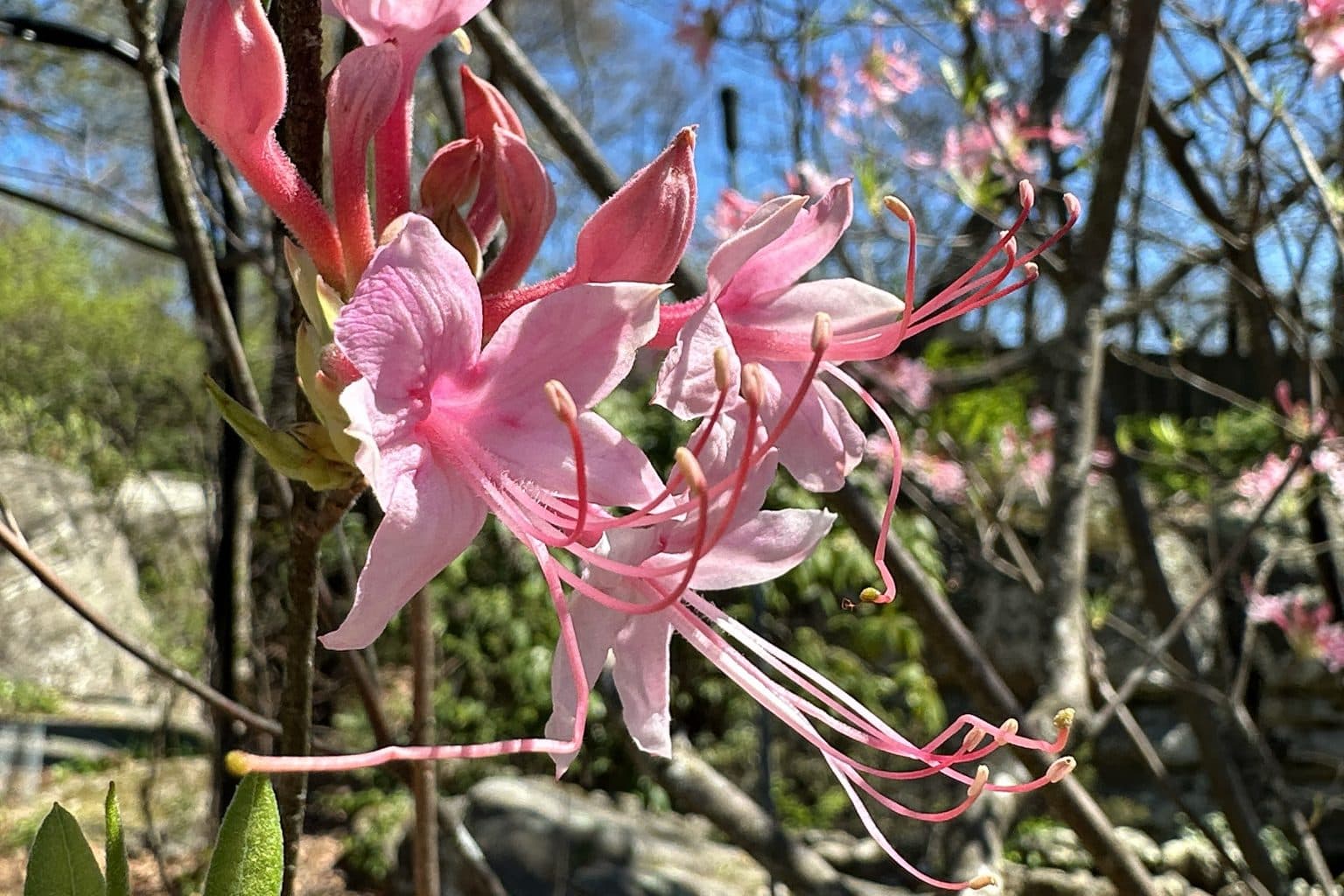
Quick answer: Yes. Azaleas and rhododendrons (Rhododendron spp.) are listed as toxic to dogs, cats, and horses by the ASPCA Animal Poison Control Center. They contain grayanotoxins that can cause vomiting, diarrhea, weakness, and, in larger amounts, heart problems. This includes native azaleas, so do not assume a native species is pet-safe. If your dog ate azalea, call the ASPCA Animal Poison Control Center at (888) 426-4435.
Azaleas are a spring signature across north and central Florida, from Tallahassee gardens to older Gainesville and Jacksonville neighborhoods. They are also toxic to dogs, and unlike some plants where the native version is the safe one, every azalea and rhododendron is on the list.
What the ASPCA says
The ASPCA Animal Poison Control Center lists Azalea and Rhododendron (Rhododendron spp., also called rosebay) as toxic to dogs, cats, and horses. The toxic principle is grayanotoxin. Clinical signs in dogs include vomiting, diarrhea, weakness, and cardiac failure in more serious cases. All parts of the plant contain the toxin, and even a few leaves can cause symptoms.
Because grayanotoxins can affect the heart at higher doses, azalea sits above the plants whose worst case is a stomach upset. It is not the emergency that sago palm is, but it is a call-poison-control plant, not a wait-and-see one.
How much azalea is dangerous for a dog?
The ASPCA does not publish a safe dose, and toxicologists often cite that ingestion of even a small quantity of leaves can produce symptoms in a dog. Risk scales with how much was eaten and the dog's size: a small dog that ate several leaves is a more urgent call than a large dog that mouthed one flower. Call the ASPCA Animal Poison Control Center at (888) 426-4435 with your best estimate rather than guessing whether it was enough.
Are native Florida azaleas safer?
No. Florida has beautiful native deciduous azaleas, including the Florida flame azalea (Rhododendron austrinum), and they are all in the same genus and carry the same grayanotoxins. The ASPCA listing covers Rhododendron spp. as a group. A native azalea is a good ecological choice for a bed away from your dog. It is not a dog-safe substitute for a toxic one.
Dog-safe Florida swaps with spring color
If you want the flowering-shrub role azaleas play without the ASPCA listing, these Florida natives fill it. Native ranges per the Florida Native Plant Society and the Lady Bird Johnson Wildflower Center.
| Plant | Dog Safe? | Notes |
|---|---|---|
| Azalea / Rhododendron (Rhododendron spp.) | No | Toxic to dogs, cats, and horses per the ASPCA; includes native azaleas |
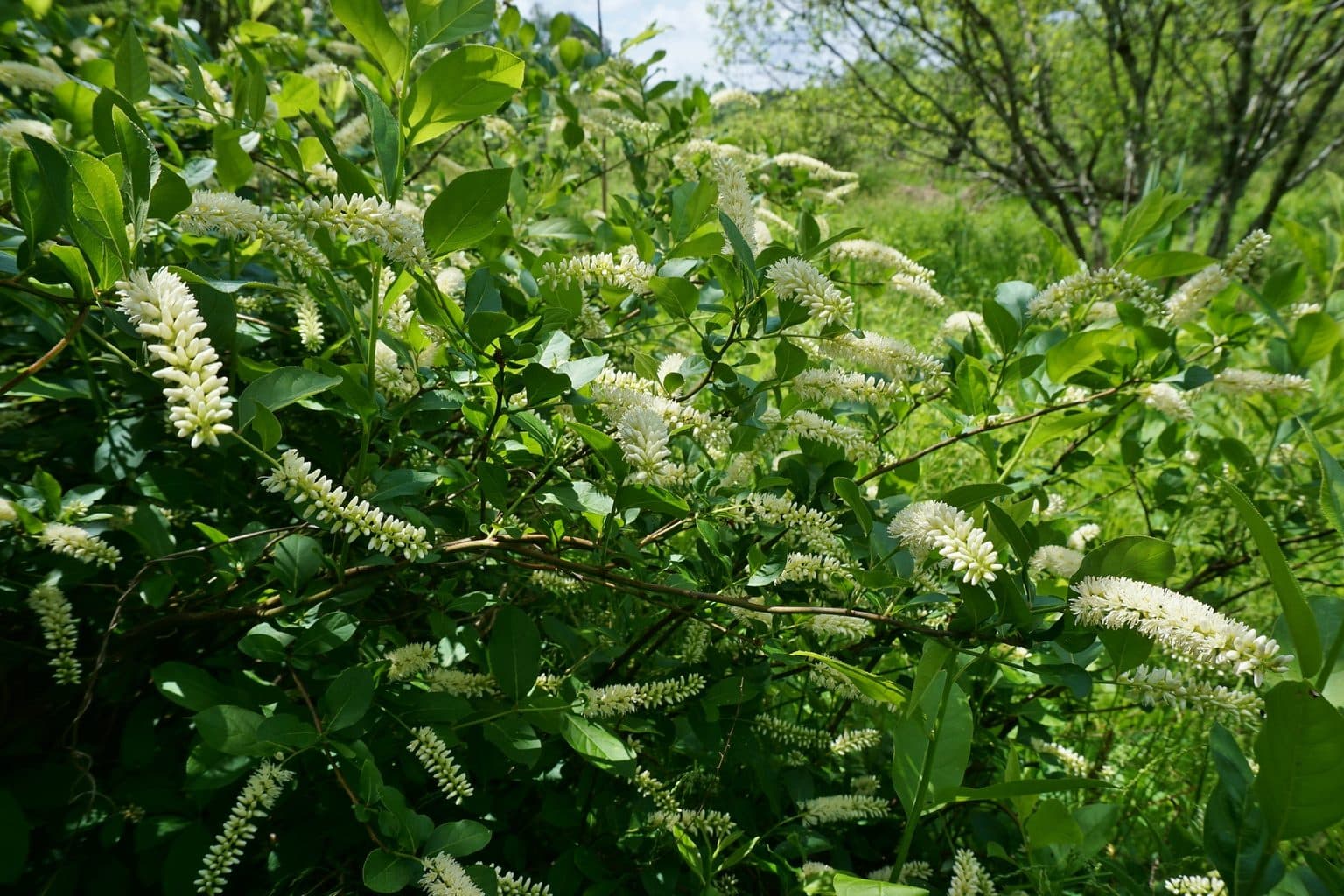
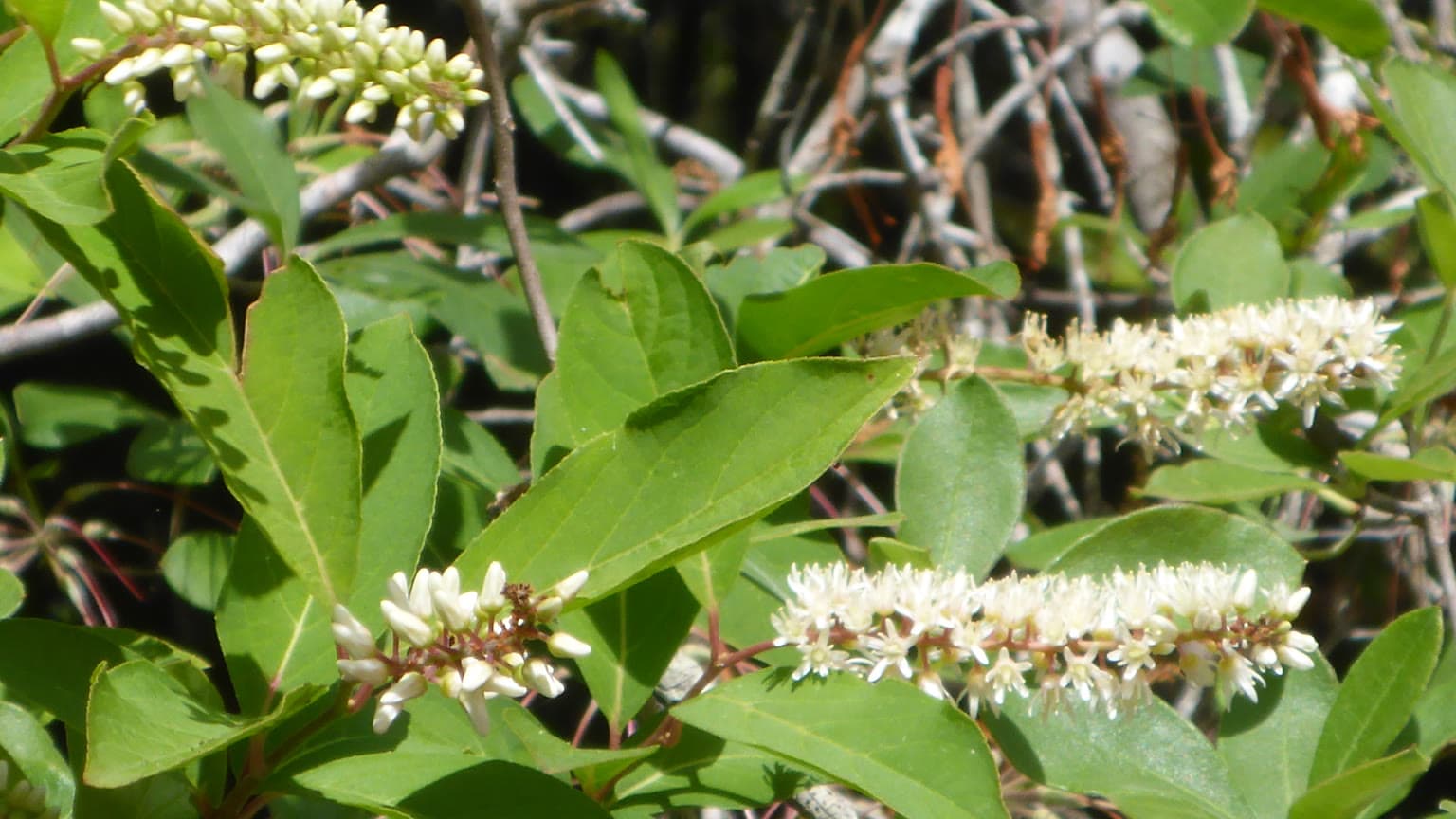
| Virginia Sweetspire (Itea virginica) | Yes | Not on ASPCA toxic plant list; fragrant white spring spikes, red fall color, takes wet soil |
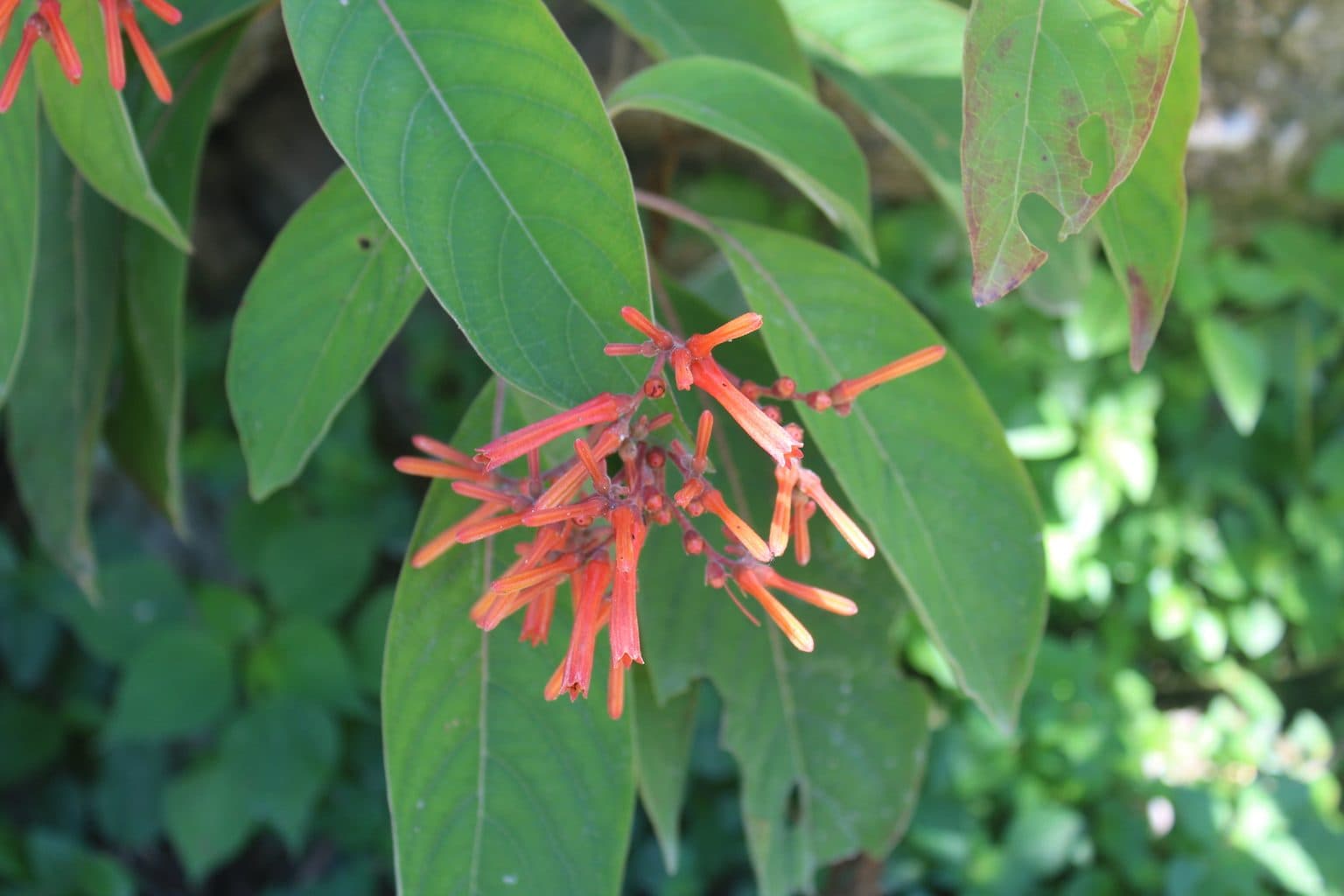
| Firebush (Hamelia patens) | Yes | Not on ASPCA toxic plant list; red-orange blooms spring through fall, pollinator magnet |
| American Beautyberry (Callicarpa americana) | Yes | Not on ASPCA toxic plant list; vivid purple fall berries birds eat safely, takes part shade |
What to do if your dog ate azalea
- Note how much was eaten (a leaf, several leaves, a flower) and the dog's size.
- Call the ASPCA Animal Poison Control Center at (888) 426-4435, or your vet. Do not wait for symptoms.
- Do not induce vomiting unless a vet tells you to.
- Watch for vomiting, diarrhea, weakness, or any sign of an irregular heartbeat and report them on the call.
Planning a dog-safe Florida yard? See the Florida yard plants most toxic to dogs and the best native plants for Florida front yards.
If something goes wrong
ASPCA Animal Poison Control Center: (888) 426-4435 (24/7, fee may apply). Have the plant name ready when you call.
Checking more than one plant? See the full list of plants toxic to dogs and cats, with native alternatives, covering every plant on the ASPCA list.