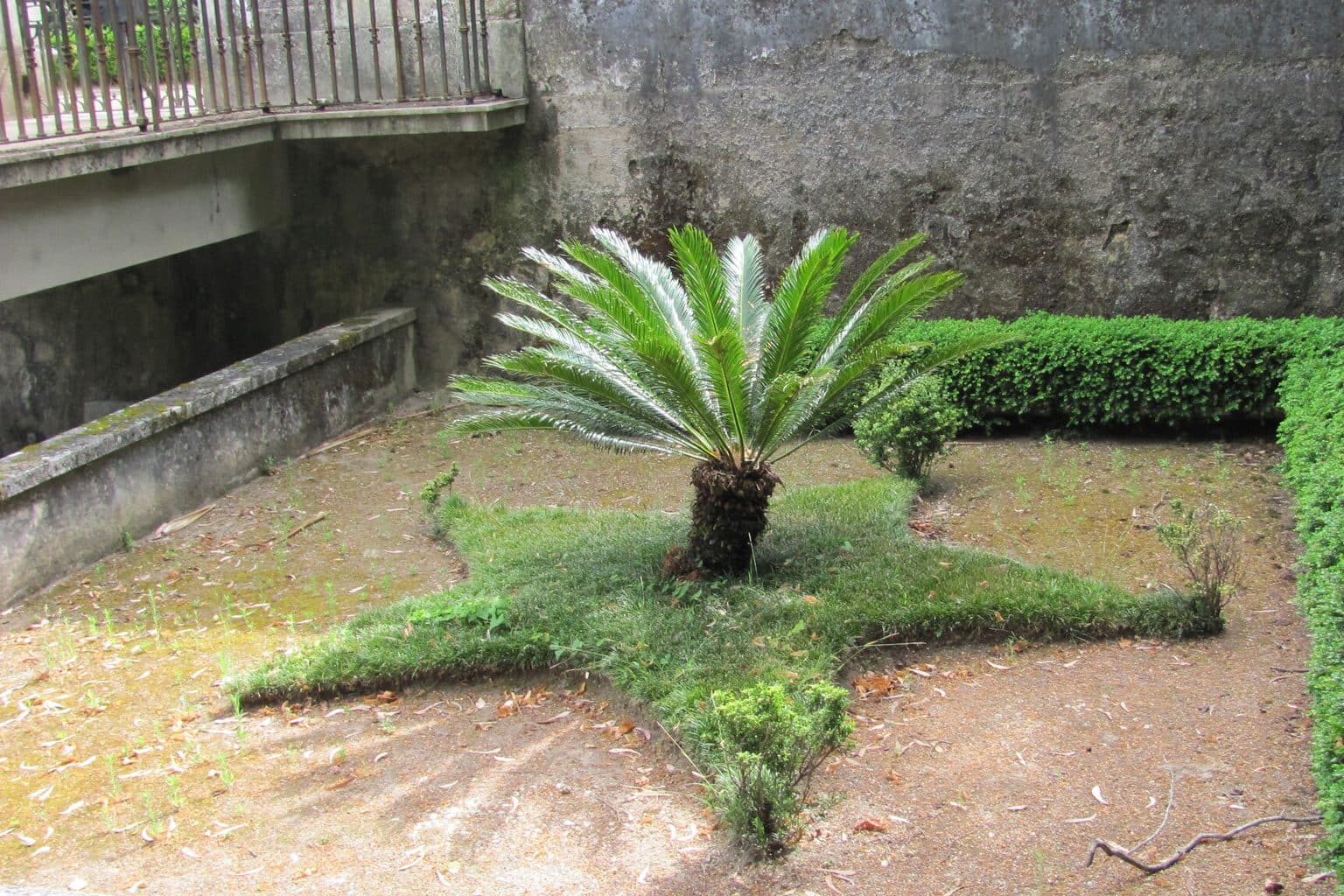
Quick answer: Yes, and it is one of the most dangerous plants a Florida dog owner can have in the yard. The Sago Palm (Cycas revoluta) is listed as toxic to dogs, cats, and horses by the ASPCA Animal Poison Control Center. Every part contains cycasin, and the seeds are the worst; ingestion can cause vomiting, bloody stool, liver failure, and death. If your dog ate any part of a sago, call the ASPCA Animal Poison Control Center at (888) 426-4435 or your emergency vet right now.
Sago palms are everywhere in Florida landscaping, from foundation plantings in Orlando subdivisions to container specimens on Tampa patios. They are not actually palms, and they are far more dangerous to dogs than their tidy look suggests. This is the one plant on this site that warrants an emergency-vet call on any known ingestion, not a wait-and-see.
What the ASPCA says
The ASPCA Animal Poison Control Center lists Sago Palm (Cycas revoluta, also sold as coontie palm, cardboard palm, and under the broader cycad and zamia names) as toxic to dogs, cats, and horses. The toxic principle is cycasin. Clinical signs include vomiting, melena (dark, bloody stool), increased thirst, hemorrhagic gastroenteritis, bruising, coagulopathy, liver damage, liver failure, and death.
The seeds carry the highest concentration of cycasin, and dogs are drawn to them. Published veterinary case series report survival rates well short of certain even with aggressive treatment, which is why this plant earns a different level of urgency than most of the toxic list.
How much sago palm is dangerous for a dog?
Treat any amount as an emergency. The ASPCA does not publish a safe dose, and a single seed has been enough to cause liver failure in a dog. Because liver damage can progress over 24 to 72 hours, a dog that seems fine an hour after eating a seed can still be in serious trouble the next day. Do not wait for symptoms. Call the ASPCA Animal Poison Control Center at (888) 426-4435 or head to an emergency vet the moment you know a sago was chewed.
Can a sago palm kill a dog?
Yes. Unlike many plants on the toxic list where the realistic outcome is stomach upset, sago palm poisoning frequently causes liver failure, and death is a documented outcome even with treatment. This is the plant most worth removing outright if you have a dog that mouths things in the yard, rather than relying on placement.
A note on coontie, Florida's native cycad
Florida has a native cycad, coontie (Zamia integrifolia, sometimes sold as Zamia pumila), and it is a genuinely valuable plant: it is the only host for the rare atala butterfly. But it is a cycad, and the ASPCA lists cycads and zamias as toxic to dogs alongside the sago. Coontie is a good ecological choice for a bed your dog never enters. It is a poor choice along a dog run. Do not treat the native cycad as the safe version.
Dog-safe Florida swaps with the same look
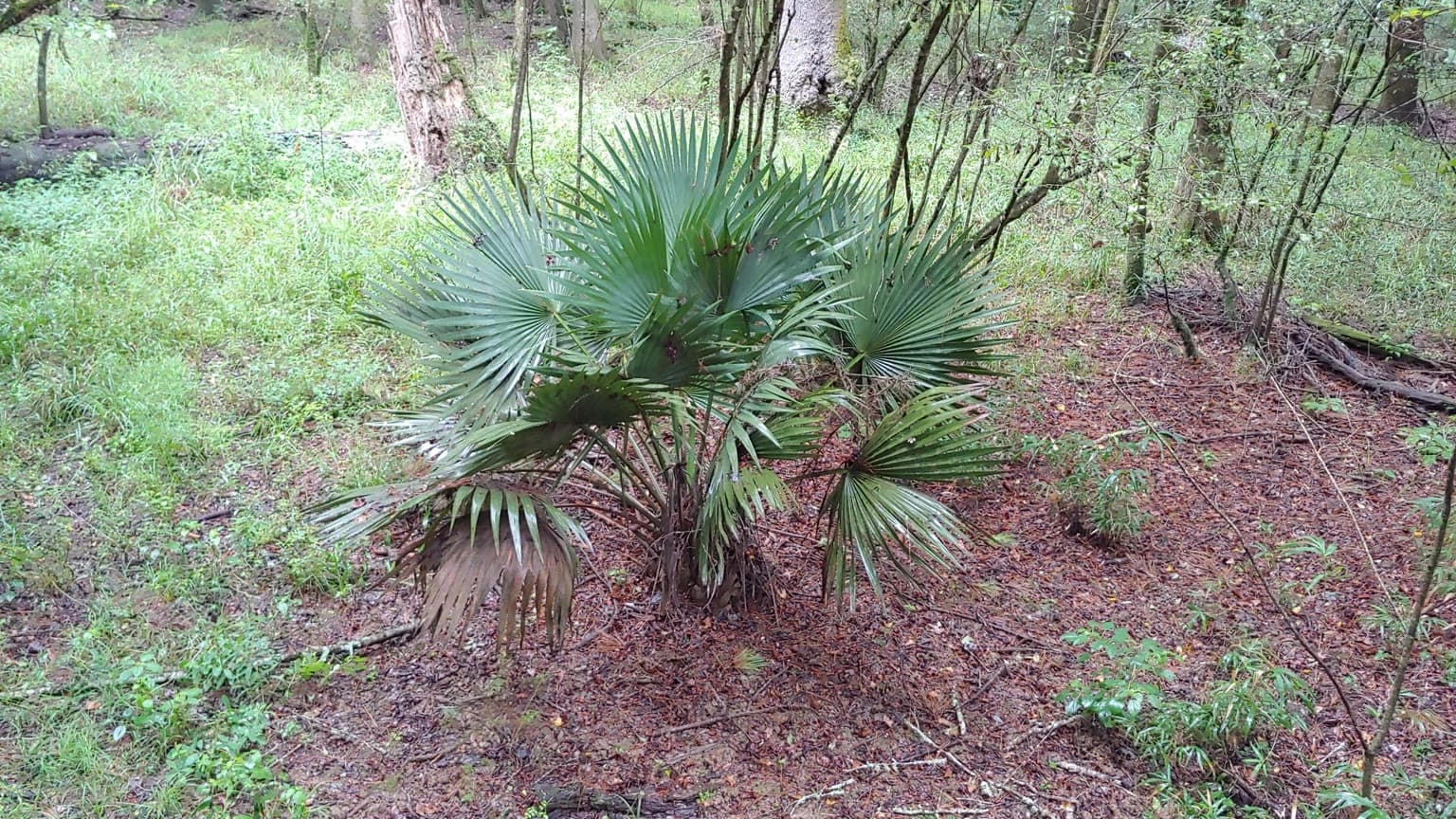
If you want the fan-palm texture without the ASPCA listing, these Florida natives give you the same structure. Native ranges per the Florida Native Plant Society and the Lady Bird Johnson Wildflower Center.
| Plant | Dog Safe? | Notes |
|---|---|---|
| Sago Palm (Cycas revoluta) | No | Toxic to dogs, cats, and horses per the ASPCA; seeds cause liver failure |
| Coontie (Zamia integrifolia) | No | Native cycad and atala host, but the ASPCA lists cycads and zamias as toxic; treat the same |
| Dwarf Palmetto (Sabal minor) | Yes | Not on ASPCA toxic plant list; native fan palm, compact, takes shade and wet soil |
| Cabbage Palm (Sabal palmetto) | Yes | Not on ASPCA toxic plant list; Florida's state tree, true palm silhouette |
What to do if your dog ate sago palm
- Treat it as an emergency. Do not wait for symptoms.
- Call the ASPCA Animal Poison Control Center at (888) 426-4435 or go straight to an emergency vet.
- Bring a piece of the plant or a photo, and note whether seeds were involved.
- Do not induce vomiting unless a vet tells you to.
- Expect the vet to run liver bloodwork and monitor over several days; liver effects can appear late.
Planning a dog-safe Florida yard? Start with the Florida yard plants most toxic to dogs and the best native plants for Florida front yards.
If something goes wrong
ASPCA Animal Poison Control Center: (888) 426-4435 (24/7, fee may apply). With sago palm, call your emergency vet as well; do not wait for symptoms.
Checking more than one plant? See the full list of plants toxic to dogs and cats, with native alternatives, covering every plant on the ASPCA list.