Quick answer: For native plants El Paso Texas yards can grow, start with seven that a University of Texas at El Paso Centennial Museum list marks as native to El Paso County: ocotillo, desert willow, feather dalea, desert marigold, Apache plume, blackfoot daisy, and soaptree yucca. NWS El Paso puts the 30-year average rainfall at 8.78 inches a year, so drainage matters more than extra watering.
El Paso sits in the Trans-Pecos, in the Chihuahuan Desert. Rain is scarce, summers are hot, and the plants that belong here have spent a long time working with that. This guide gives you native plants El Paso Texas homeowners can use, and tells you where each claim comes from.
This guide covers the Trans-Pecos and Chihuahuan Desert around El Paso. Plants were chosen from Recommended Southwestern Native Plants for the El Paso/Las Cruces Area (opens in new tab), written by Wynn Anderson, botanical curator at the UTEP Centennial Museum, and dated March 20, 2006. Its asterisk marks plants native to El Paso County, and all seven below carry it. Size, light, soil, and bloom details come from the Lady Bird Johnson Wildflower Center (opens in new tab).
Drainage comes first for native plants in El Paso
The National Weather Service El Paso 2024 climate report (opens in new tab) lists a 30-year average of 8.78 inches of precipitation a year. A plant that lives on that much rain does best in soil that sheds water quickly.
The Wildflower Center lists dry soil for six of these seven, and dry to moist for desert willow. Several list caliche or limestone-based soils among the ground they grow in. That points to one habit worth keeping: plant in soil that drains, and water young plants until they root in, then back off. Our note on why native plants still need some care covers that establishment period.
Seven native plants for El Paso yards
The table below follows the Wildflower Center entries. Light is the center's listing, so check your own site against it.
| Plant | Light | Soil note | Size |
|---|---|---|---|
| Ocotillo | Part shade | Sandy or rocky, limestone-based | Up to about 20 ft |
| Desert willow | Full sun | Well-drained limestone preferred, tolerates caliche | 15 to 40 ft |
| Feather dalea | Sun | Poor, dry, rocky, including caliche | Typically 2 to 3 ft, up to about 6 ft |
| Desert marigold | Part shade | Sandy or gravelly, including caliche | Usually up to 18 in |
| Apache plume | Part shade | Dry, gravelly, or sandy | 2 to 6 ft |
| Blackfoot daisy | Sun to part shade | Dry, rocky, calcareous | Seldom over 6 in, clumps 1 to 2 ft across |
| Soaptree yucca | Full sun | Well-drained, including gypseous and sandy | 5 to 20 ft |
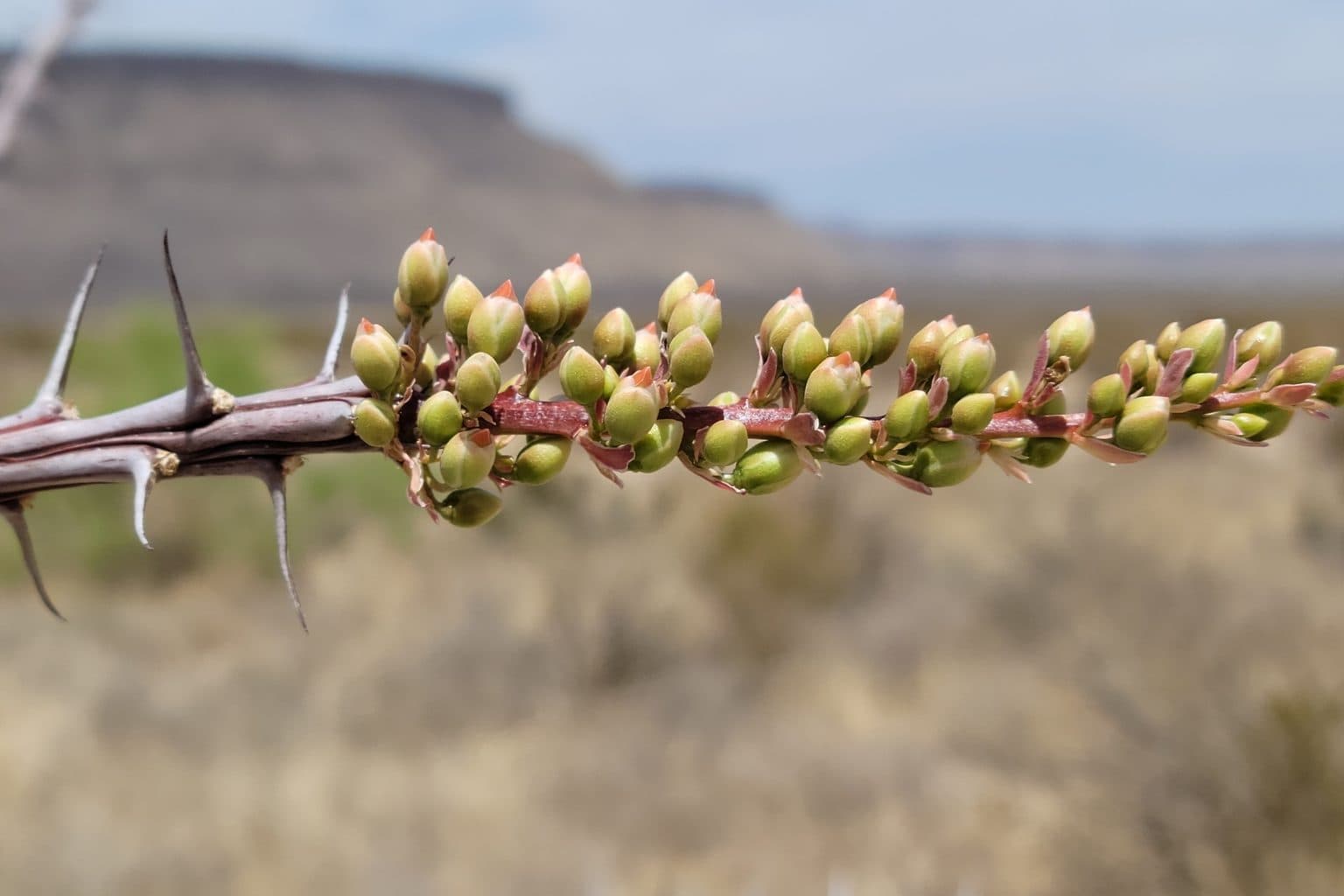
Ocotillo (Fouquieria splendens)
The tall, spiny one. The Wildflower Center (opens in new tab) says it blooms March through July and that the flowers attract hummingbirds, finches, and insects. The UTEP list rated it 3 for local availability, meaning seldom sold commercially at the time of writing, so ask a nursery before you plan around it. The center adds that ocotillo sprouts from untreated seed sown in spring or early summer, and that cuttings are the most reliable way to propagate it. Plan it as a single accent, since it reaches about 20 feet.
Desert willow (Chilopsis linearis)
A small tree or large shrub. The Wildflower Center (opens in new tab) lists April through October bloom, heaviest in May and June, with blooms returning after warm-season rain. It names the white-winged moth as a larval host and notes nectar for hummingbirds and insects. Let it dry out between waterings. At 15 to 40 feet it is the tallest plant on this list apart from a mature ocotillo, so keep it away from walls and power lines.
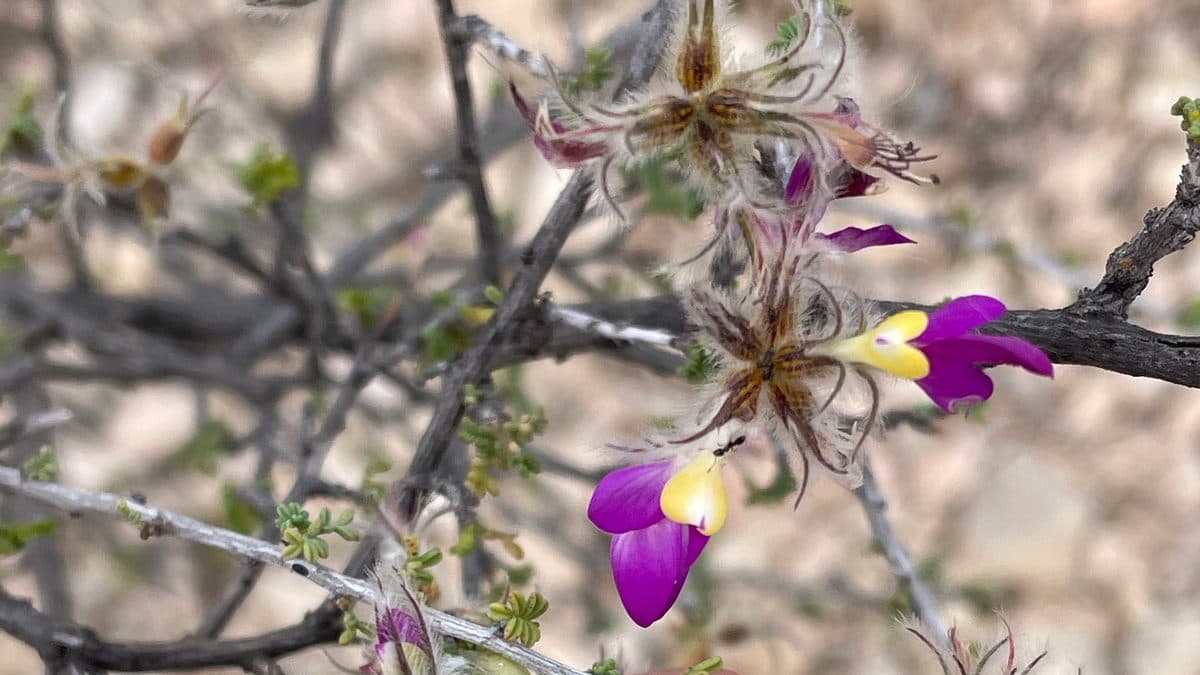
Feather dalea (Dalea formosa)
A twiggy shrub with purple and yellow flowers. The Wildflower Center (opens in new tab) blooms it April through August and credits it with special value to native bees and bumble bees. Rabbits and deer browse it, so young plants may need protection. Its listing is for poor, dry, rocky soil, so rich amendments are not what it is asking for.
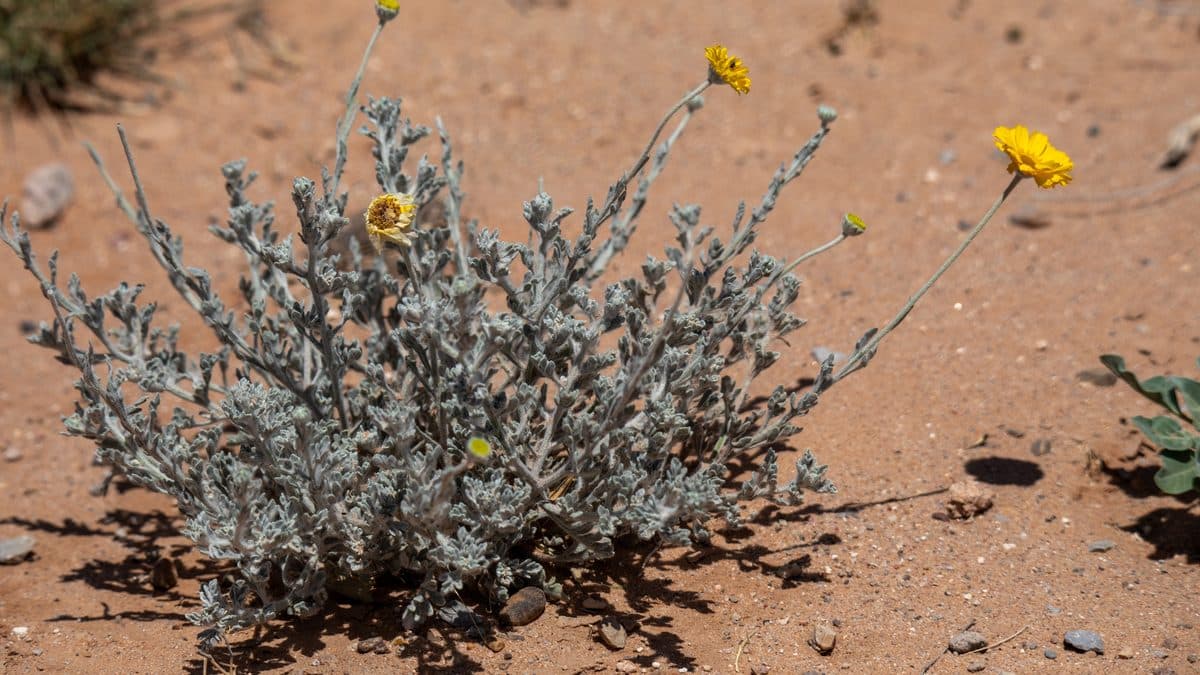
Desert marigold (Baileya multiradiata)
A silvery clump topped with yellow daisies. The Wildflower Center (opens in new tab) gives a March through November bloom window and lists it as a nectar source for bees and butterflies. Sandy or gravelly ground suits it. Because it stays near 18 inches, it works at the front of a bed, where the flowers are easy to see.
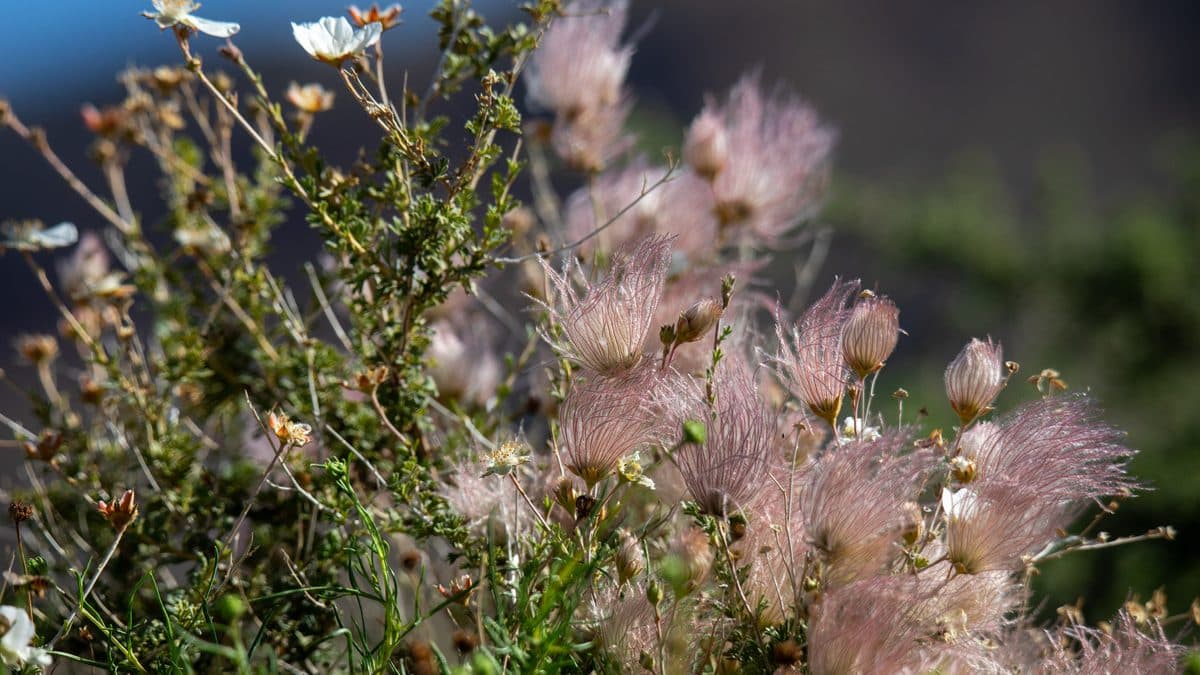
Apache plume (Fallugia paradoxa)
A deciduous shrub with white flowers followed by pink feathery seed plumes. The Wildflower Center (opens in new tab) lists May through December bloom, cold hardiness, and nectar and forage for insects. It prefers dry, gravelly, or sandy ground, and the center adds that it is useful for erosion control on rocky hillsides, which makes it a fit for a sloped lot.
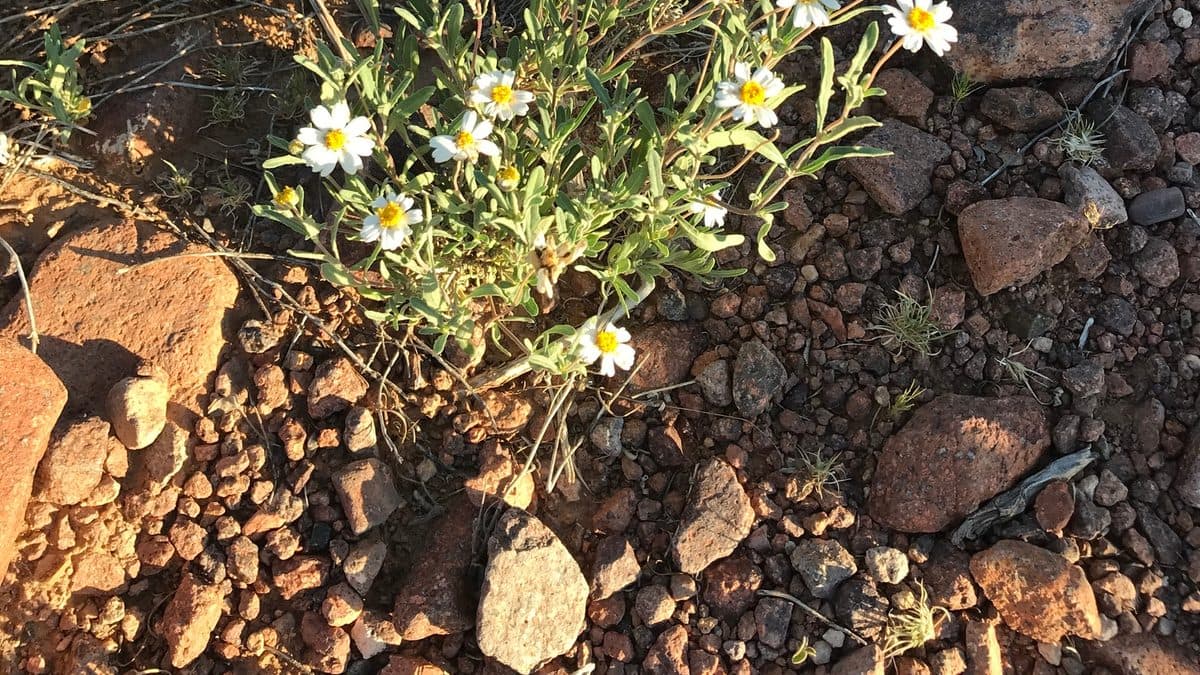
Blackfoot daisy (Melampodium leucanthum)
A low mound of small white daisies. The Wildflower Center (opens in new tab) lists March through November bloom, nectar for bees and butterflies, seeds for birds, and high deer resistance. Rocky, calcareous, caliche-type soils are all on its list. The flowers are fragrant, and it works well beside a path or in a gravel bed where you can see it up close.
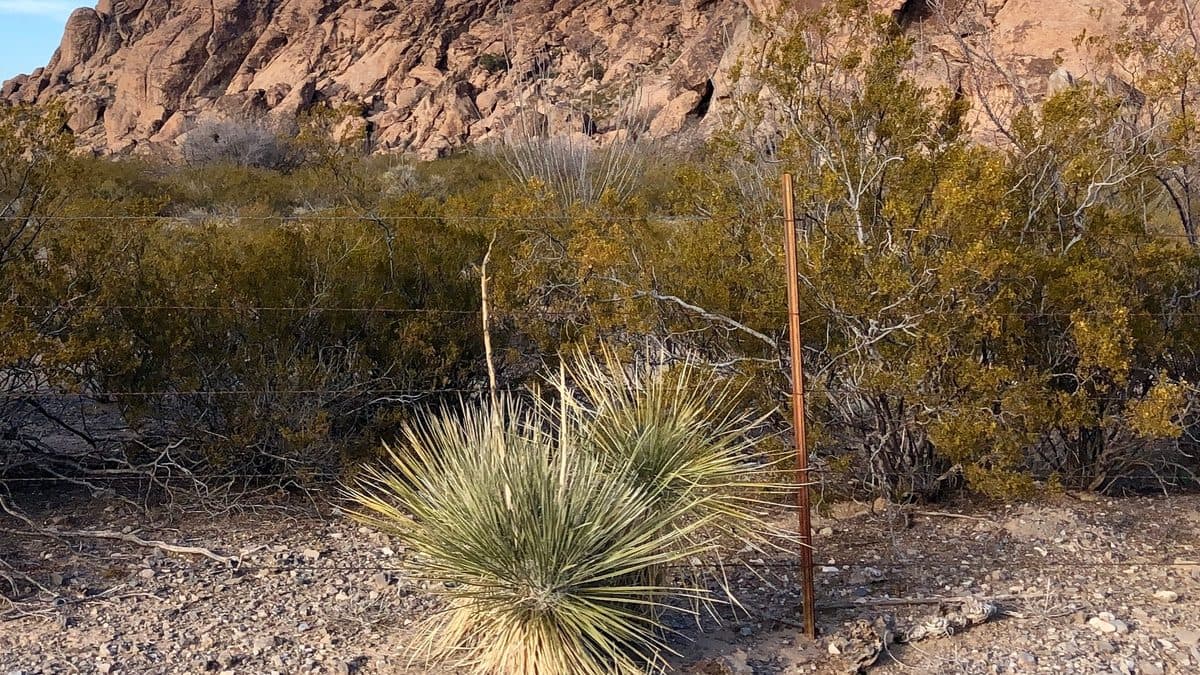
Soaptree yucca (Yucca elata)
The architectural pick. The Wildflower Center (opens in new tab) lists white flowers April through June on stalks of 3 to 7 feet, and names it a larval host for the yucca giant butterfly. Moths feed on its nectar and small mammals eat the seeds, according to the center. Give it full sun and sharp drainage, and leave room for a plant that can reach 20 feet.
Putting the seven together
Sort the list by height and the layout nearly writes itself. Desert marigold and blackfoot daisy are the low edge. Feather dalea and Apache plume fill the middle at roughly 2 to 6 feet. Soaptree yucca, desert willow, and ocotillo are the tall accents, and each one wants space. Repeating two or three of the same plants along the street side keeps the yard looking planned, which is an HOA-friendly habit.
Light is the other sorting tool. Desert willow and soaptree yucca are listed for full sun, feather dalea for sun, and blackfoot daisy for sun to part shade. The Wildflower Center lists ocotillo, desert marigold, and Apache plume under part shade, so check how those read against a south-facing wall before you commit.
Starting small with native plants in El Paso
Pick three. One tall anchor such as desert willow, one shrub such as feather dalea or Apache plume, and one low bloomer such as desert marigold or blackfoot daisy. Plant in ground that drains, group by sun, and give new plants regular water only until they root. For what a cold snap does to desert plants, see our freeze guide for Texas natives. Rebate details for the area live on our Texas rebates page.
People also ask
What native plants grow best in El Paso, Texas?
The UTEP Centennial Museum's recommended-plant list marks ocotillo, desert willow, feather dalea, desert marigold, Apache plume, blackfoot daisy, and soaptree yucca as native to El Paso County. Check each plant's light and soil needs against your yard.How much rain does El Paso get?
The National Weather Service El Paso 2024 climate report lists a 30-year average of 8.78 inches of precipitation a year. Totals vary a lot from year to year.Do desert natives need watering in El Paso?
New plants need regular water until they root in. After that, the Wildflower Center lists dry soil for six of the seven and dry to moist for desert willow, with a note to let it dry out between waterings. Drainage matters more than frequency.Want the list for your own ZIP?
Pollinator Patch matches native plants to your ZIP and ecoregion, then helps you lay them out by sun and height.