Quick answer: For native plants in Waco, Texas, build the bed in layers using seven plants documented in the McLennan County flora checklist: American beautyberry, Salvia azurea, Indiangrass, little bluestem, prairie penstemon, lemon beebalm, and Indian blanket. Texas Parks and Wildlife places McLennan County in the Blackland Prairies. The Wildflower Center lists clay among the soils for six of the seven, with Indian blanket the exception.
Planting native plants in Waco, Texas means working with the Blackland Prairie, a region Texas Parks and Wildlife describes as having fertile dark clay soils. This guide gives you a plan by height, so you can see where each plant goes before you buy any.
Which ecoregion Waco belongs to
This guide treats Waco as Blackland Prairie country. Two sources back that. A Texas Parks and Wildlife county table (opens in new tab) lists McLennan County, where Waco sits, under Blackland Prairies. The county's annotated flora checklist (opens in new tab), written by Baylor, McLennan Community College, and TPWD botanists, adds a wrinkle. It says the county holds three physiographic areas: Blackland Prairie, Grand Prairie, and East Cross Timbers. The East Cross Timbers is not geologically represented, though a small area in the north has soils deposited from it.
In plain terms, Waco is Blackland Prairie country with some local variety at the edges. TPWD's Blackland Prairies page (opens in new tab) describes the region as fertile dark clay soils, with average annual rainfall of 30 to 40 inches. Those are regional figures, not a reading for your lot, so treat your own bed as the final word.
Every plant below appears in the county checklist as a native, and American beautyberry, Indiangrass, and little bluestem are also on TPWD's Blackland Prairies plant list. Size, light, soil, and bloom details come from the Lady Bird Johnson Wildflower Center (opens in new tab) plant pages.
A simple layer plan for native plants in Waco, Texas
Think of the bed as four bands. Taller plants go at the back or center of an island, mid-height plants fill the middle, and the shortest bloomers sit at the edge where the lawn or walk begins. A shrub anchors one corner.
| Plant | Light | Soil note | Size |
|---|---|---|---|
| American beautyberry (anchor shrub) | Part shade | Moist, rich soils, including clay loam and clay | 3 to 6 ft tall, 4 to 6 ft wide |
| Salvia azurea (tall) | Part shade as listed | Dry, limestone-based to clay | Up to about 5 ft |
| Indiangrass (tall) | Sun to shade | Dry to moist, including clay loam and clay | Up to about 8 ft |
| Prairie penstemon (middle) | Sun to part shade | Calcareous or sandy loam, including clay loam and clay | Up to about 3 ft |
| Lemon beebalm (middle) | Sun to part shade | Sandy loam to rocky, including clay | Up to about 30 in |
| Little bluestem (middle) | Sun to part shade | Well-drained, including clay loam and clay | Up to about 7 ft, often shorter |
| Indian blanket (edge) | Sun to part shade | Sandy or calcareous soils | Up to about 2 ft, often shorter |
Seven native plants for a Waco garden
American beautyberry (Callicarpa americana)
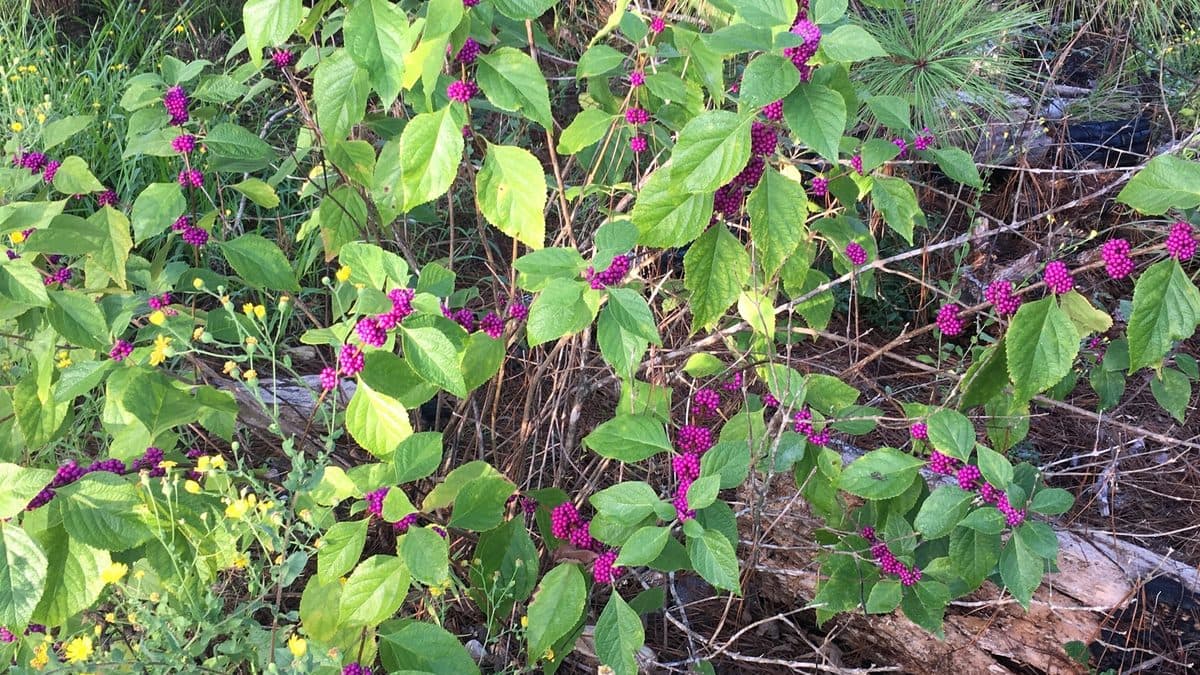
The anchor. The Wildflower Center (opens in new tab) lists part shade and soils from sandy to clay, and calls it a good understory shrub that feeds birds with its berries. The same page notes that white-tailed deer favor the foliage, so plan for that if deer pass through.
Salvia azurea (pitcher sage)
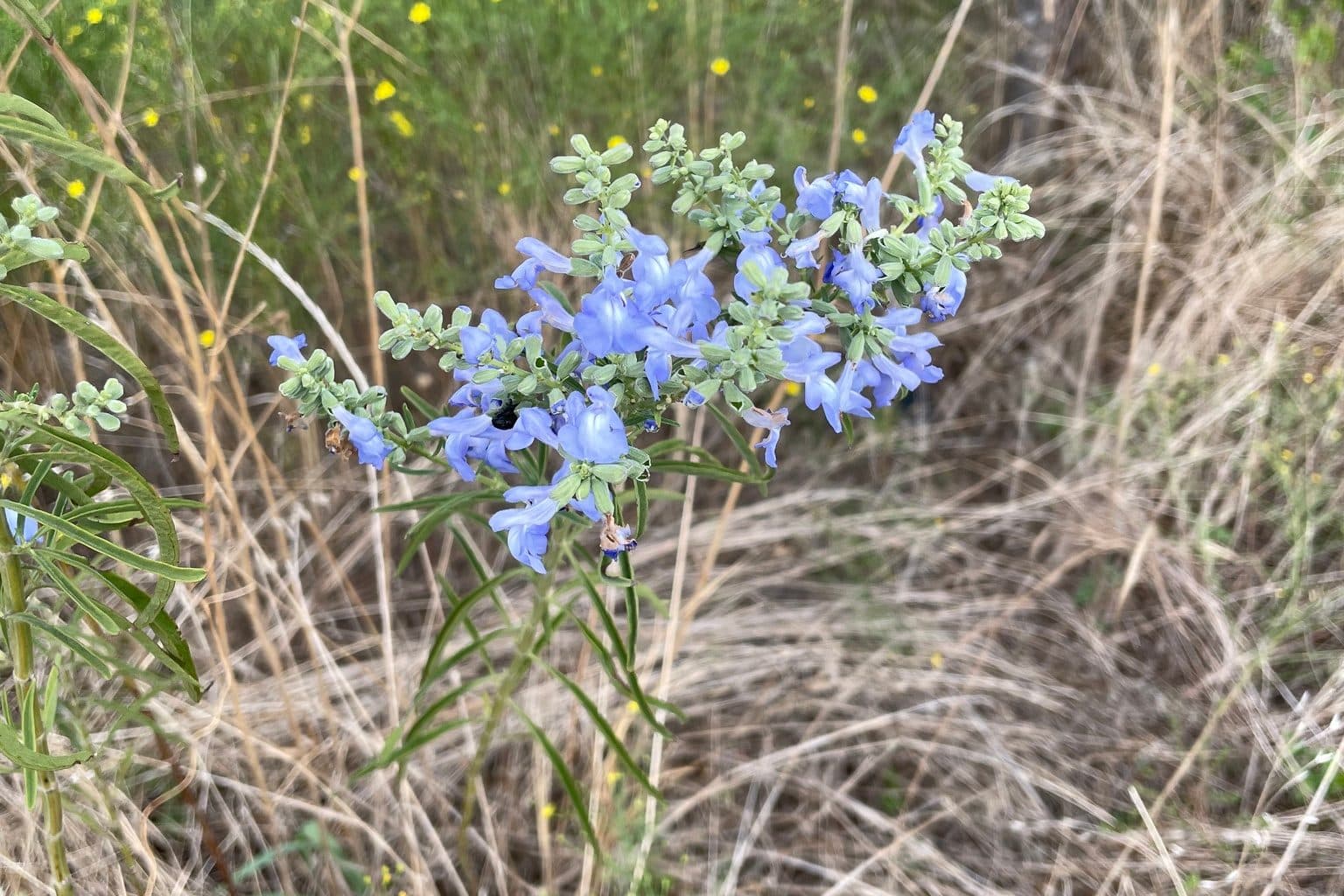
The tall blue. The Wildflower Center (opens in new tab) shows it reaching about 5 feet, blooming September through November, and growing in dry soils that include clay. Its Benefit section gives it special value to native bees and bumble bees, per the Xerces Society. The county checklist records it as Salvia azurea var. grandiflora.
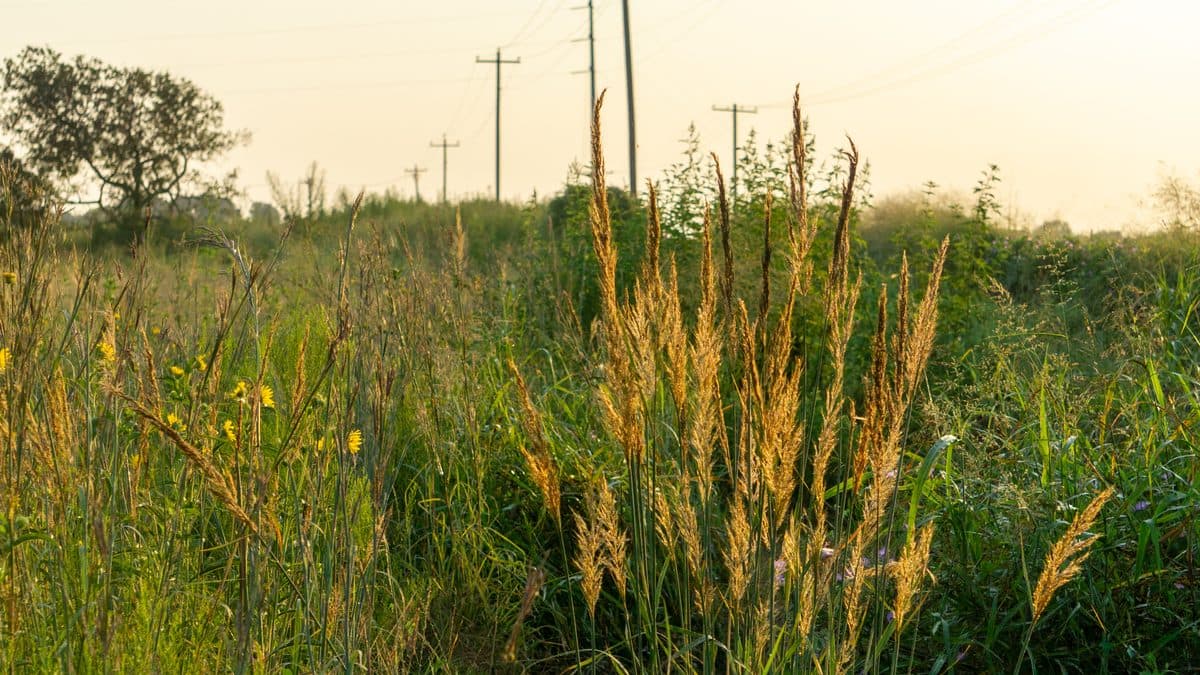
Indiangrass (Sorghastrum nutans)
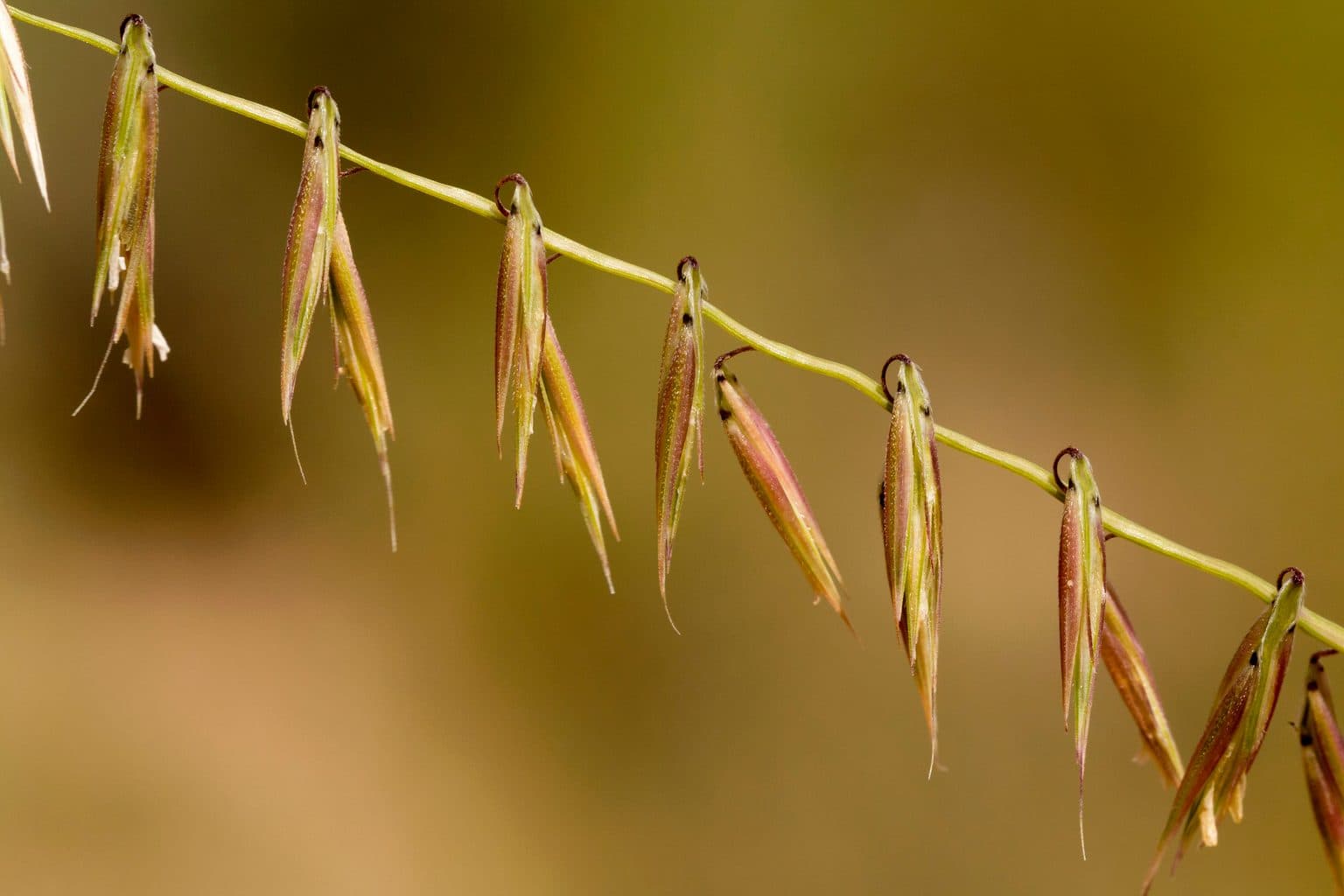
The back-row grass. It grows 3 to 8 feet, blooms August through October, and the Wildflower Center names the pepper-and-salt skipper as a larval host. Seeds feed small mammals and seed-eating birds. It is the plant to site where a tall screen of plumes will not shade anything shorter.
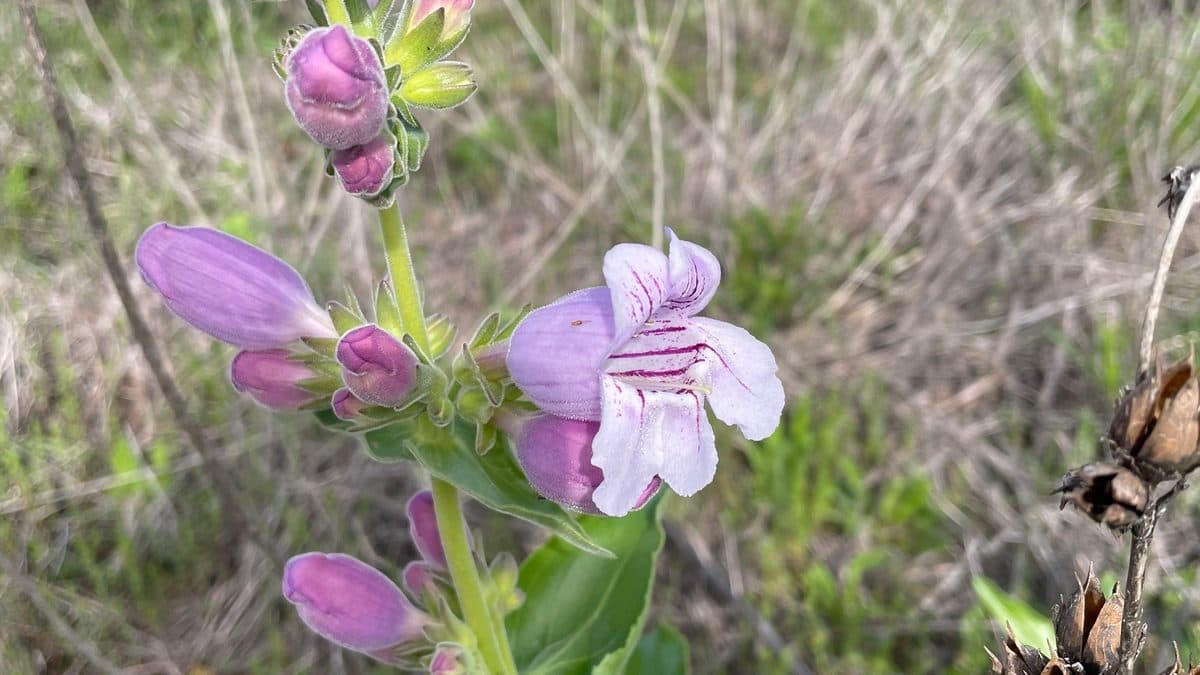
Prairie penstemon (Penstemon cobaea)
Early color. The Wildflower Center (opens in new tab) lists April and May bloom, a height up to about 3 feet, and soils from calcareous or sandy loam to clay. It is a larval host for the Dotted Checkerspot and attracts hummingbirds and native bees. The page rates deer resistance as minimal.
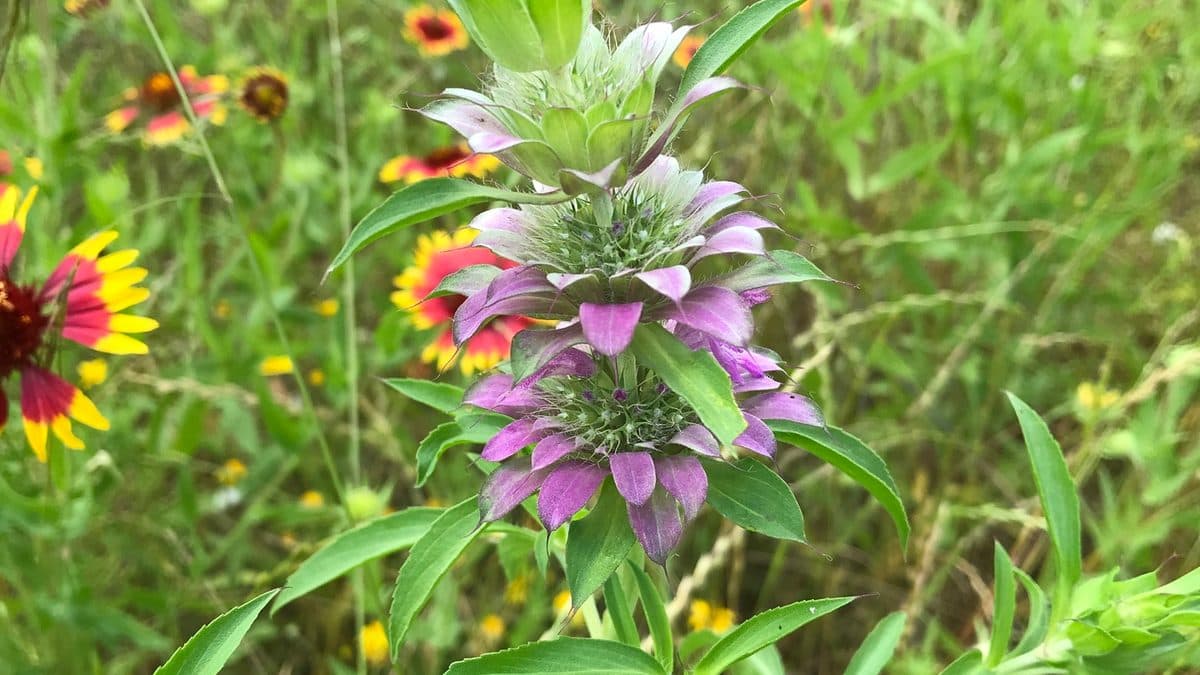
Lemon beebalm (Monarda citriodora)
The aromatic filler. It reaches up to about 30 inches and blooms May through July, longer with watering, according to the Wildflower Center (opens in new tab). The page lists nectar for bees and butterflies, hummingbirds, and high deer resistance.
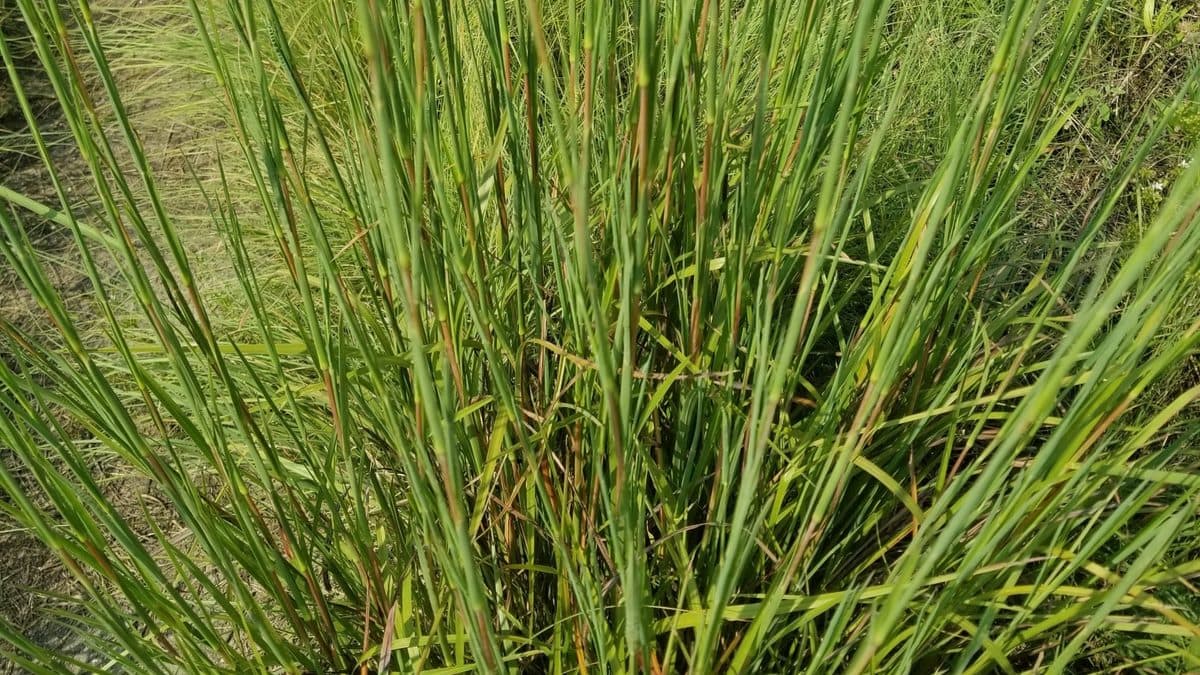
Little bluestem (Schizachyrium scoparium)
The steady middle. The Wildflower Center (opens in new tab) describes mounds about 18 to 24 inches tall, with stems reaching about 5 feet by September, and lists well-drained soil that includes clay. It names several skippers as larval hosts, including the Ottoe Skipper and Dixie Skipper. Pairing it with the grasses in our Texas native grass height guide keeps the look tidy.
Indian blanket (Gaillardia pulchella)
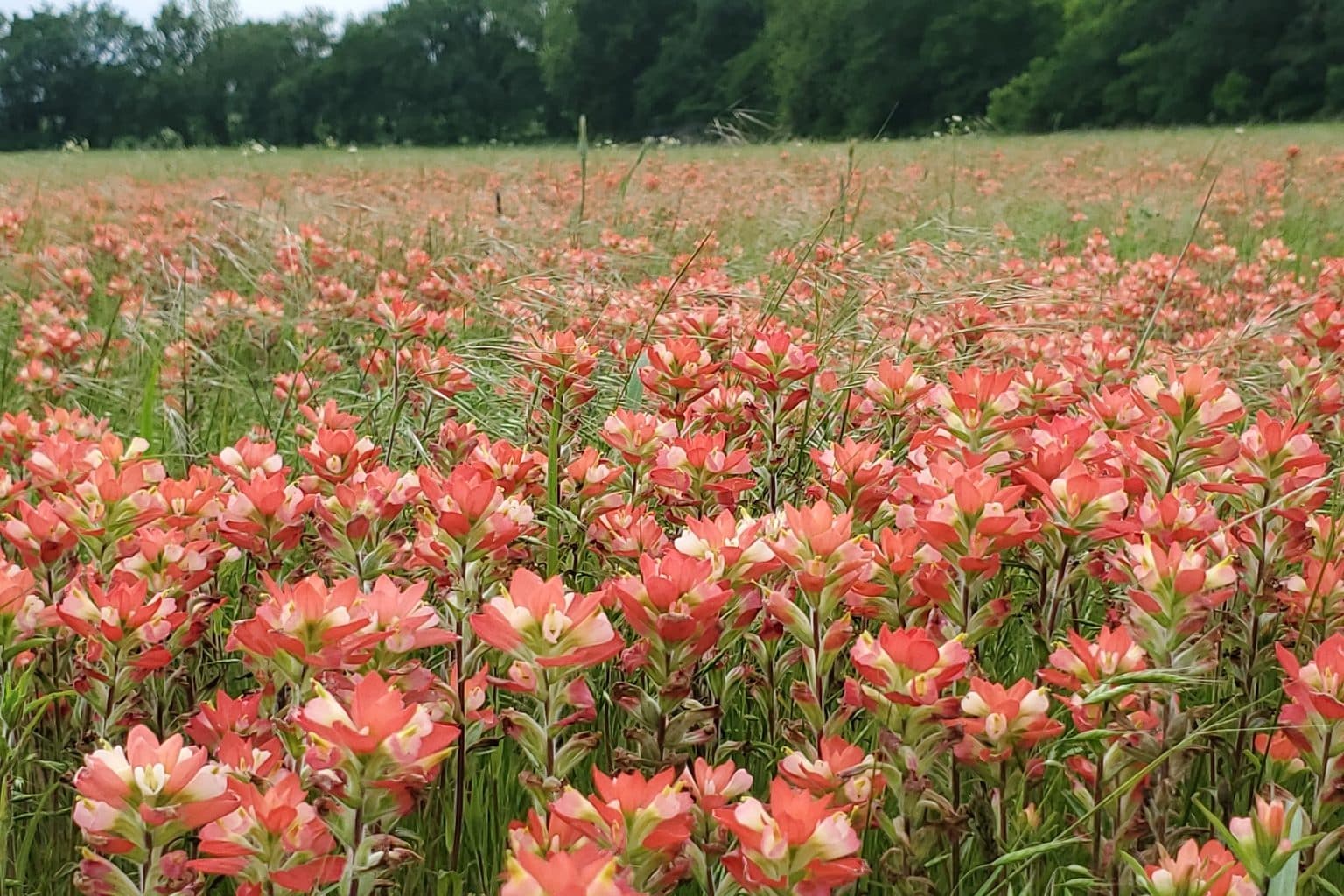
The edge plant, up to about 2 feet and often shorter, blooming May through August per the Wildflower Center (opens in new tab). It is the one plant here that lists sandy or calcareous soils and not clay, so put it where the bed drains best. The page gives it special value to native bees.
Planting order for the plan
Start with the shrub and the two tall plants, then fill the middle, then add the edge. Seven plants is plenty for a first season, and the layers make the bed read as planned from the street. For more Texas options, see our statewide native plant list and our guide to attracting butterflies in Texas.
People also ask
What are the best native plants for Waco, Texas?
Seven plants documented in the McLennan County flora checklist work in layers: American beautyberry, Salvia azurea, Indiangrass, little bluestem, prairie penstemon, lemon beebalm, and Indian blanket.
Do native plants grow in Waco clay?
Many do. The Wildflower Center lists clay among the soils for beautyberry, Salvia azurea, Indiangrass, little bluestem, prairie penstemon, and lemon beebalm. Indian blanket lists sandy or calcareous soils instead.
Is Waco in the Blackland Prairie or the Cross Timbers?
Texas Parks and Wildlife lists McLennan County under Blackland Prairies. The county flora checklist adds that the county also has Grand Prairie, and that East Cross Timbers is not geologically represented, apart from soils deposited in a small area in the north.
Want the list for your own ZIP?
Pollinator Patch matches native plants to your ZIP and ecoregion, then helps you lay them out by sun and height.