Monarch
Danaus plexippus
Last reviewed: September 2026
Monarch is known for its bright orange wings with black veins and white spot borders.
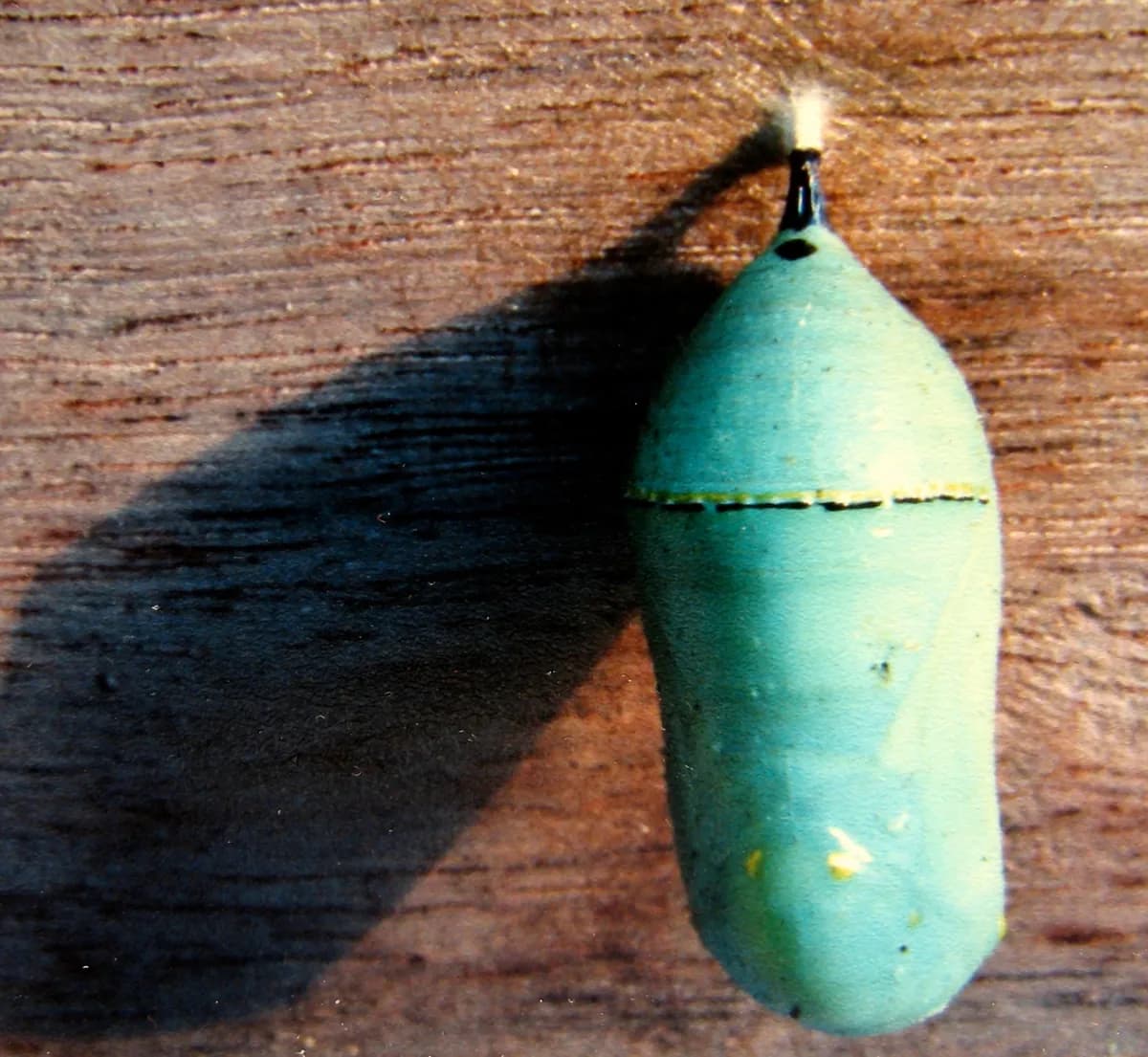
Host plants
Monarch caterpillars can only develop on their larval host plants. Plant one of these natives and you can host the full life cycle in your own yard (host plant associations per the Xerces Society (opens in new tab)).
- Butterfly Weed (Asclepias tuberosa)
- Texas Milkweed (Asclepias texana)
- Green Antelopehorns (Asclepias viridis)
- Antelope Horn Milkweed (Asclepias asperula)
- Swamp Milkweed (Asclepias incarnata)
- Whorled Milkweed (Asclepias verticillata)
Want Monarch in your yard? Open Butterfly Weed in Pollinator Patch and plan an HOA-friendly garden around it for your region.
Family
Nymphalidae
Wingspan
93–105 mm
Active
March through October
Range
TX, AL, AR, AZ and 46 more states
How to identify it
Recognize monarchs by their bright orange wings with black veins and white spots along the wing edges, with males having a small black spot on each hindwing.
Good to know
- Monarch butterflies complete a multi-generational migration across North America
- Each generation travels further north during their annual migration cycle
- Larvae exclusively feed on milkweed plants, which provide them chemical protection from predators
Conservation status: watch
Populations have declined significantly due to habitat loss and milkweed reduction.
Status per NatureServe conservation assessments. Planting native host plants supports local populations.
Common questions
- What do Monarch caterpillars eat?
- Monarch caterpillars feed on Asclepias tuberosa, Asclepias texana, Asclepias viridis, Asclepias asperula, Asclepias incarnata, and Asclepias verticillata. These are the larval host plants the caterpillars must have to develop, per the Xerces Society and host plant records compiled from GBIF and iNaturalist.
- Where do Monarch live?
- Monarch is found across TX, AL, AR, AZ and 46 more states.
- When are Monarch active?
- Adult Monarch are typically on the wing from March through October.
Range and life-history data compiled from iNaturalist, GBIF, and the Xerces Society. Photo licensed cc-by.