Alamo Vine
Merremia dissecta
Last reviewed: August 2026
Alamo Vine (Merremia dissecta) is a perennial vine native to TX. It blooms in March, April, May, June, July, August, September, October, and November. The flowers draw butterflies.

Toxicity unknown
Alamo Vine (Merremia dissecta) is not listed by the ASPCA Animal Poison Control Center (opens in new tab) or the other sources we check, so we have no verdict for it either way. Absence from those lists is not a clearance. If your pet shows symptoms after eating any plant, call the ASPCA at (888) 426-4435.
Light
full sun
Water
low
Size
120"–144" H × 3"–6" W
Bloom
Mar, Apr, May, Jun, Jul, Aug, Sep, Oct, Nov
Native to
TX
Pollinators
butterflies
Native alternatives to Alamo Vine
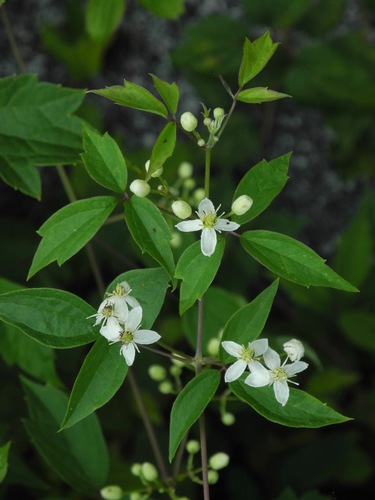
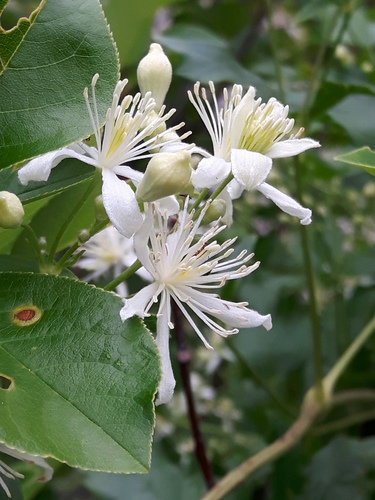
Alamo Vine is not native to the United States. These natives fill a similar role in a planting, matched on bloom season, bloom color and mature size.

Before you buy
Your city may pay you to plant this
Cities and water utilities offer rebates for replacing lawn with native and water-wise plants. We track 452 programs across 44 states, each with a link to the provider and the date we last checked it.
Find rebates in your areaBrowse plants for this ecoregion
Alamo Vine is a native Texas climbing vine that produces small white or pale pink morning glory-like flowers from spring through fall. This drought-tolerant perennial can climb trellises, fences, or other support structures and goes dormant in winter.
Growing Alamo Vine
Grow Alamo Vine in full sun and low water. Mature plants reach 120 to 144 inches tall and spread 3 to 6 inches wide. Expect low maintenance to keep it looking intentional in a front yard.
How to care for Alamo Vine, by region
How to care for Alamo Vine where it is actually grown: year-round basics plus what to do each season, region by region, with the sources for each.
Care guidance last updated: August 2026
Cross Timbers (includes Fort Worth, TX)
Year-round
Alamo vine is a fast, twining morning glory relative that needs sturdy support and a firm hand with the pruners in the Fort Worth area.
- Give it full sun to part shade and put up a trellis, fence, or arbor at planting time, since it climbs by twining stems that reach 10 to 12 feet.
- It tolerates the sandy, rocky, and alkaline soils common in the Cross Timbers as long as the spot drains reasonably well.
- Water deeply while it gets established, then let rainfall carry it most of the year. This is a genuinely drought tolerant vine once rooted.
- Prune through the growing season to direct growth and keep it off siding, gutters, or nearby shrubs. It spreads by rhizomes and self seeds readily, so plan on pulling volunteers or giving it real room.
- Seeds are poisonous. Clear fallen seed pods from areas where kids or pets spend time and keep them out of reach.
Trained flat on a trellis or fence, this reads as an intentional flowering vine rather than a weed patch. Clipping it back hard each year and clearing spent seed pods keeps it looking tended, an HOA-friendly habit for a vine this vigorous.
Fall
Fall is when Alamo vine finishes its bloom run and heads toward winter dieback around the first frost.
- Fort Worth's average first frost lands in mid to late November, and blooms typically continue right up until then.
- To limit self seeding, remove seed pods before they split open and drop. Wear gloves and keep pods away from kids and pets since the seeds are poisonous.
- After the first hard freeze, top growth will blacken and die back. That is normal winter behavior for this vine, not a sign of disease or pest trouble.
- This is also a good window to thin any overly dense rhizome growth before the plant goes fully dormant.
Clearing spent seed pods each fall, before they scatter, keeps the planting bed looking intentional through the slow winter months.
Winter
Winter is dormant season for Alamo vine in Fort Worth. Expect bare stems until new growth returns in spring.
- Top growth dies back after frost and stays dormant through Fort Worth's winter, roughly USDA zone 8a to 8b.
- Cut back dead stems any time in winter for a tidier look, or leave them standing through the coldest weeks and clear them in early spring.
- The root system typically does not need frost cloth in a normal Fort Worth winter, but mulching the base is a reasonable precaution if an unusually hard or prolonged freeze is forecast.
- Skip fertilizing and heavy watering during dormancy. The plant is resting, not struggling.
Spring
Spring is when Alamo vine comes back from the ground after winter dieback and when its support structure needs to be ready.
- Fort Worth's average last frost falls in the first half of March, so hold off on major cleanup until that risk has passed.
- Once new shoots appear low on the plant, clear away last year's dead stems so fresh growth has a clean path up its support.
- Install or repair trellising now, before growth accelerates and makes handling the vine harder.
- Direct sow seed after the last frost date. It germinates readily once soil starts to warm.
Summer
Summer is peak bloom and peak growth for Alamo vine through the Fort Worth heat.
- Afternoon blooms, white with dark burgundy centers, open roughly May through November and close again before sunset each day.
- It keeps blooming through hot, dry summer stretches without extra water, though an occasional deep soak during extended drought keeps it looking its best.
- Growth speeds up in summer heat. Check weekly and redirect or trim any stems climbing onto structures or a neighbor's fence.
- Watch for volunteer seedlings nearby. This vine self seeds readily in the warm months.
Sources: City of Austin Grow Green: Alamo Vine plant guide, Lady Bird Johnson Wildflower Center: Merremia dissecta profile, Almanac.com Frost Dates for Fort Worth, TX (community tip), PlantMaps Hardiness Zones, Fort Worth ZIP 76179 (community tip)
Texas Blackland Prairies (includes Dallas, TX)
Year-round
Alamo vine is a fast, twining morning glory relative that needs sturdy support and a firm hand with the pruners in the Dallas Blackland Prairies.
- Give it full sun to part shade and put up a trellis, fence, or arbor at planting time, since it climbs by twining stems that reach 10 to 12 feet.
- It tolerates the heavy clay and alkaline soils typical of the Blackland Prairies, but performs best where the site drains well rather than staying soggy.
- Water deeply while it gets established, then let rainfall carry it most of the year. This is a genuinely drought tolerant vine once rooted.
- Prune through the growing season to direct growth and keep it off siding, gutters, or nearby shrubs. It spreads by rhizomes and self seeds readily, so plan on pulling volunteers or giving it real room.
- Seeds are poisonous. Clear fallen seed pods from areas where kids or pets spend time and keep them out of reach.
- In the Blackland Prairies around Dallas, Alamo vine falls within its native Texas range.
Trained flat on a trellis or fence, this reads as an intentional flowering vine rather than a weed patch. Clipping it back hard each year and clearing spent seed pods keeps it looking tended, an HOA-friendly habit for a vine this vigorous.
Fall
Fall is when Alamo vine finishes its bloom run and heads toward winter dieback around the first frost.
- Dallas's average first frost typically arrives in early to mid November, and blooms often continue right up until then.
- To limit self seeding, remove seed pods before they split open and drop. Wear gloves and keep pods away from kids and pets since the seeds are poisonous.
- After the first hard freeze, top growth will blacken and die back. That is normal winter behavior for this vine, not a sign of disease or pest trouble.
- This is also a good window to thin any overly dense rhizome growth before the plant goes fully dormant.
Clearing spent seed pods each fall, before they scatter, keeps the planting bed looking intentional through the slow winter months.
Winter
Winter is dormant season for Alamo vine in Dallas. Expect bare stems until new growth returns in spring.
- Top growth dies back after frost and stays dormant through the Dallas winter, USDA zone 8b.
- Cut back dead stems any time in winter for a tidier look, or leave them standing through the coldest weeks and clear them in early spring.
- The root system typically does not need frost cloth in a normal Dallas winter, but mulching the base is a reasonable precaution if an unusually hard or prolonged freeze is forecast.
- Skip fertilizing and heavy watering during dormancy. The plant is resting, not struggling.
Spring
Spring is when Alamo vine comes back from the ground after winter dieback and when its support structure needs to be ready.
- Dallas's average last frost falls in late February to early March, a bit earlier than surrounding areas, so hold off on major cleanup until that risk has passed.
- Once new shoots appear low on the plant, clear away last year's dead stems so fresh growth has a clean path up its support.
- Install or repair trellising now, before growth accelerates and makes handling the vine harder.
- Direct sow seed after the last frost date. It germinates readily once soil starts to warm, though heavy Blackland clay may need loosening first so seedlings can root in.
Summer
Summer is peak bloom and peak growth for Alamo vine through the Dallas heat.
- Afternoon blooms, white with dark burgundy centers, open roughly May through November and close again before sunset each day.
- It keeps blooming through hot, dry summer stretches without extra water, though an occasional deep soak during extended drought keeps it looking its best.
- Growth speeds up in summer heat. Check weekly and redirect or trim any stems climbing onto structures or a neighbor's fence.
- Watch for volunteer seedlings nearby. This vine self seeds readily in the warm months.
Sources: City of Austin Grow Green: Alamo Vine plant guide, Lady Bird Johnson Wildflower Center: Merremia dissecta profile, Native Plant Society of Texas: Merremia dissecta (community tip), FrostDates.com: Dallas, Texas (community tip), PlantMaps Hardiness Zones for Dallas, Texas (community tip)
Want these tasks as reminders timed to your yard? Pollinator Patch turns this guidance into a season-by-season care plan for the plants you actually grow.
In an HOA neighborhood
Alamo Vine takes more care to keep looking intentional in a front yard. Maintenance level: low. Consider it for backyard or mid-zone beds rather than the street edge.
Works well in: backyard only.
- Requires support structure
- Can appear messy
Wildlife value
The long blooming period provides nectar for butterflies and other pollinators throughout most of the growing season.
Common questions
- When does Merremia dissecta bloom?
- Alamo Vine has an extended blooming period from March through November, producing white funnel-shaped flowers throughout most of the growing season.
- What pollinators visit Alamo Vine?
- Butterflies are the primary pollinators of Merremia dissecta, attracted to its white morning glory-like flowers that open during daylight hours.
- Where is Merremia dissecta native?
- Alamo Vine is native to Texas, where it grows naturally in dry, sunny locations and can be found climbing on fences, shrubs, and other support structures.
- How much water does Alamo Vine need?
- Merremia dissecta is drought-tolerant and requires low water once established, making it well-suited for xeriscaping and low-maintenance landscapes in arid regions.
- Is Alamo Vine HOA-friendly?
- Alamo Vine takes more care to look intentional in a front yard. Consider it for backyard or mid-zone beds rather than the street edge.
These answers were drafted with an AI model from this plant's data. Verify care details with a local expert.
Pollinator and host plant associations compiled from GBIF, iNaturalist, and published ecological literature.
If something looks wrong
Common plant problems, and what to check first
These come up on almost any plant. Each guide lists the likely causes in the order they are worth ruling out, with one thing to check before you act on any of them, and links to the source it came from.
- It is dying right after planting
- Leaves turning yellow
- Wilting even though I watered it
- Brown crispy leaf tips
- Bugs on the plant
Ready to grow Alamo Vine? Add it to your garden in Pollinator Patch to track it and get season-by-season care guidance.
Planning a bed around it? Start a free plan with this plant
Not sure where to start? Take the 2-minute yard quiz