Apache Plume
Fallugia paradoxa
Last reviewed: September 2026
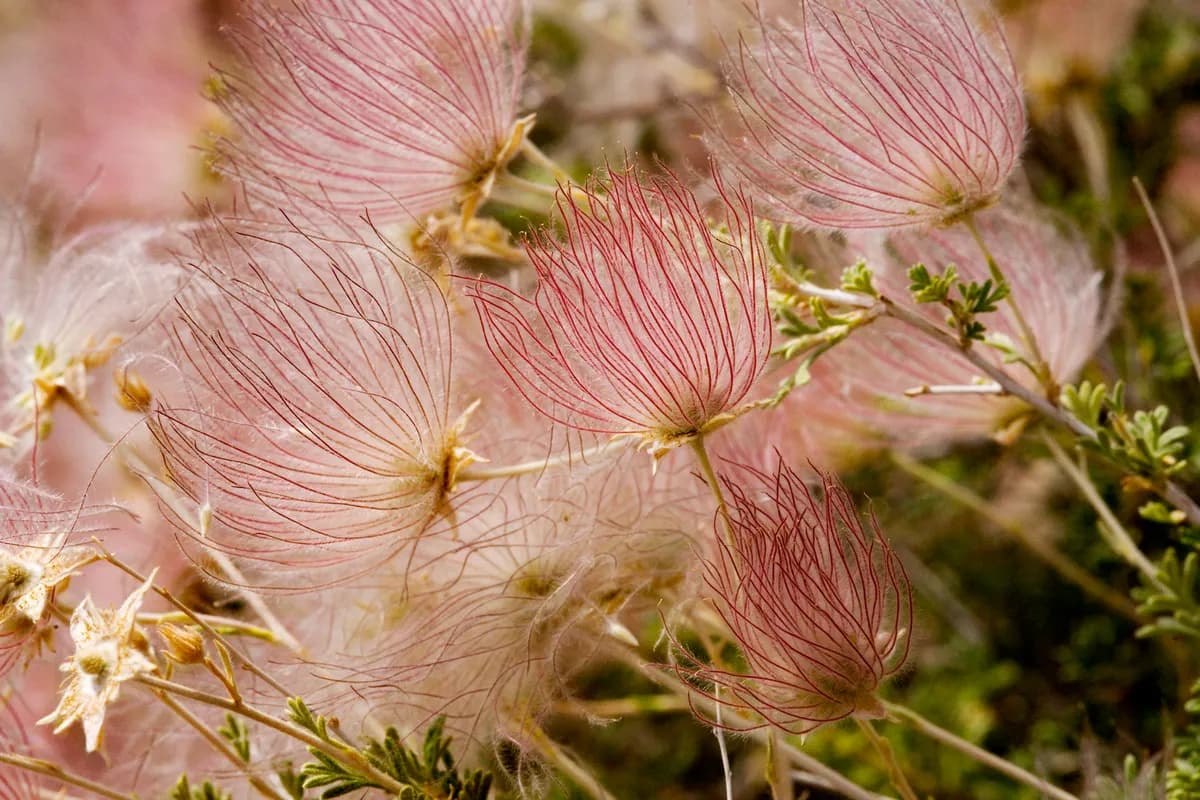
Fallugia paradoxa, or Apache Plume, is a low-water shrub with white rose-like flowers and feathery, pink-tinged seed plumes. It blooms from spring through fall on dry rocky slopes and washes across the desert Southwest.
Toxicity unknown
Apache Plume (Fallugia paradoxa) is not listed by the ASPCA Animal Poison Control Center (opens in new tab) or the other sources we check, so we have no verdict for it either way. Absence from those lists is not a clearance. If your pet shows symptoms after eating any plant, call the ASPCA at (888) 426-4435.
The USDA PLANTS Database (opens in new tab) does not flag Apache Plume as toxic to livestock.
Light
part sun
Water
low
Size
60"–120" H × 36"–48" W
Bloom
Mar, Apr, May, Jun, Jul, Aug, Sep, Oct, Nov
Native to
AZ, CA, CO, NM and 4 more states
Pollinators
bees, nectar insects
Before you buy
Your city may pay you to plant this
Cities and water utilities offer rebates for replacing lawn with native and water-wise plants. We track 452 programs across 44 states, each with a link to the provider and the date we last checked it.
Find rebates in your areaBrowse plants for this ecoregion
Apache Plume is a graceful desert shrub with small white flowers that bloom from spring through fall, followed by distinctive feathery pink seed plumes that give the plant its name. This drought-tolerant native adapts well to various soil conditions and provides year-round structure with its semi-evergreen foliage.
Growing Apache Plume
Grow Apache Plume in part sun and low water. Mature plants reach 60 to 120 inches tall and spread 36 to 48 inches wide. Expect low maintenance to keep it looking intentional in a front yard.
How to care for Apache Plume, by region
How to care for Apache Plume where it is actually grown: year-round basics plus what to do each season, region by region, with the sources for each.
Care guidance last updated: July 2026
Cross Timbers (includes Fort Worth, TX)
Year-round
Apache Plume is a fine textured desert shrub prized for its feathery pink seed plumes, but it is native to the dry Southwest, not North Texas, so give it the sharp drainage it is used to rather than treating it like a local native.
- Plant in full sun to light afternoon shade, it needs at least 6 hours of direct sun to bloom well and stay open rather than leggy.
- This shrub comes from rocky, well drained desert soils, so in heavy black clay plant it high on a slight mound or amend the planting hole heavily with coarse sand or gravel, in the sandier soils west of the metro it drains well on its own but still needs deep, infrequent watering rather than a daily sprinkler schedule.
- Water deeply but rarely, roughly every 2 to 3 weeks once established, and let the soil dry out completely between waterings, overwatering in poorly drained soil is the most common way to lose this plant.
- Expect an open, airy, somewhat wild habit, generally 3 to 6 feet tall and wide, it is not a tidy foundation shrub and looks best given room to arch rather than sheared into a ball.
- Skip fertilizer entirely, it is adapted to lean, low nutrient soil and rich soil encourages weak, floppy growth.
Fall
Fall is the best season to plant woody shrubs like Apache Plume in North Texas, and it is also when the plant's rounded, low maintenance form is easiest to shape for the year ahead.
- Fall, September through November, is the preferred planting window for this shrub over spring, cooler air temperatures let roots establish before next summer's heat.
- Water new fall plantings twice a week for the first month, then cut back as temperatures cool toward the mid November average first frost.
- Do a light structural prune in late fall after bloom slows, removing crossing or overly long canes to keep the natural rounded shape rather than a sheared one.
- Established plants need little to no supplemental water this season as rainfall picks up.
- Leave the feathery seed plumes on the plant through fall, they persist for weeks and are part of the display.
A tidy late fall structural prune keeps the naturally loose, twiggy habit from reading as overgrown heading into winter.
Winter
Apache Plume is semi evergreen to deciduous and mostly dormant through a North Texas winter, needing little care beyond some protection for young plants during hard freezes.
- Established plants handle North Texas winters well, they tolerate temperatures well below freezing, but water young (first year) plants lightly if a dry spell precedes a hard freeze.
- Hold off on major pruning until very late winter (February) just before spring growth starts, to avoid pushing tender new growth ahead of a freeze.
- Expect some leaf drop and a thinner, twiggy look this season, this is normal for the species and not a sign of a struggling plant.
- Do not pile winter mulch heavily against the stems, it can trap moisture during mild, wetter stretches between freezes and encourage rot at the base.
- After a hard freeze, wait until new growth resumes in spring before cutting back any tip dieback, so you can see how much of the branch survived.
The thinner winter silhouette can look sparse next to evergreen foundation plants, pairing it with an evergreen anchor nearby helps it read as intentional rather than dead.
Spring
Spring is a good planting window and the start of Apache Plume's long bloom run, with white apple blossom like flowers opening on new growth through the season.
- Plant new Apache Plume in March or April, after the last frost (mid March in North Texas), so roots have time to establish before summer heat.
- Water new plants twice a week for the first 4 to 6 weeks after planting, then taper to every 10 to 14 days as roots spread.
- Watch for the first flush of white, 5 petaled flowers in April and May, followed quickly by the feathery pink seed plumes the plant is named for.
- Skip fertilizer at planting, work compost only lightly into heavy clay if amending for drainage, and skip it entirely in sandier soil.
- Hold off on major pruning this season, light shaping after the first bloom flush is enough.
The airy white blooms and pink seed plumes read as an intentional xeric accent rather than an unkempt shrub, especially kept to one clean planting rather than scattered volunteers.
Summer
Summer is the toughest test for a new Apache Plume in North Texas, established plants sail through the heat on very little water, but first year plants still need help during the July and August dry stretch.
- For plants in their first summer, water deeply once every 7 to 10 days during 100F plus stretches with no rain, established plants (2 or more years old) can often go 3 to 4 weeks between waterings.
- Do not let mulch or soil stay wet against the base, this plant is more likely to be lost to summer root rot in poorly drained soil than to heat or drought.
- Bloom continues on and off through summer heat waves, so it will keep producing white flowers and pink plumes even in August.
- Skip pruning during peak summer heat, wait for cooler weather so cuts do not add stress.
- Keep mulch pulled back a few inches from the base stems so moisture does not sit against the crown.
Continued bloom through summer heat keeps the planting looking active and cared for during the season when many neighboring beds go dormant and start to look neglected.
Sources: Lady Bird Johnson Wildflower Center, Fallugia paradoxa, USDA Forest Service, Apache Plume (Plant of the Week)
Texas Blackland Prairies (includes Dallas, TX)
Year-round
Apache Plume is a fine textured desert shrub prized for its feathery pink seed plumes, but it is native to the dry Southwest, not North Texas, so give it the sharp drainage it is used to rather than treating it like a local native.
- Plant in full sun to light afternoon shade, it needs at least 6 hours of direct sun to bloom well and stay open rather than leggy.
- This shrub comes from rocky, well drained desert soils, so in heavy black clay plant it high on a slight mound or amend the planting hole heavily with coarse sand or gravel, in the sandier soils west of the metro it drains well on its own but still needs deep, infrequent watering rather than a daily sprinkler schedule.
- Water deeply but rarely, roughly every 2 to 3 weeks once established, and let the soil dry out completely between waterings, overwatering in poorly drained soil is the most common way to lose this plant.
- Expect an open, airy, somewhat wild habit, generally 3 to 6 feet tall and wide, it is not a tidy foundation shrub and looks best given room to arch rather than sheared into a ball.
- Skip fertilizer entirely, it is adapted to lean, low nutrient soil and rich soil encourages weak, floppy growth.
Fall
Fall is the best season to plant woody shrubs like Apache Plume in North Texas, and it is also when the plant's rounded, low maintenance form is easiest to shape for the year ahead.
- Fall, September through November, is the preferred planting window for this shrub over spring, cooler air temperatures let roots establish before next summer's heat.
- Water new fall plantings twice a week for the first month, then cut back as temperatures cool toward the mid November average first frost.
- Do a light structural prune in late fall after bloom slows, removing crossing or overly long canes to keep the natural rounded shape rather than a sheared one.
- Established plants need little to no supplemental water this season as rainfall picks up.
- Leave the feathery seed plumes on the plant through fall, they persist for weeks and are part of the display.
A tidy late fall structural prune keeps the naturally loose, twiggy habit from reading as overgrown heading into winter.
Winter
Apache Plume is semi evergreen to deciduous and mostly dormant through a North Texas winter, needing little care beyond some protection for young plants during hard freezes.
- Established plants handle North Texas winters well, they tolerate temperatures well below freezing, but water young (first year) plants lightly if a dry spell precedes a hard freeze.
- Hold off on major pruning until very late winter (February) just before spring growth starts, to avoid pushing tender new growth ahead of a freeze.
- Expect some leaf drop and a thinner, twiggy look this season, this is normal for the species and not a sign of a struggling plant.
- Do not pile winter mulch heavily against the stems, it can trap moisture during mild, wetter stretches between freezes and encourage rot at the base.
- After a hard freeze, wait until new growth resumes in spring before cutting back any tip dieback, so you can see how much of the branch survived.
The thinner winter silhouette can look sparse next to evergreen foundation plants, pairing it with an evergreen anchor nearby helps it read as intentional rather than dead.
Spring
Spring is a good planting window and the start of Apache Plume's long bloom run, with white apple blossom like flowers opening on new growth through the season.
- Plant new Apache Plume in March or April, after the last frost (mid March in North Texas), so roots have time to establish before summer heat.
- Water new plants twice a week for the first 4 to 6 weeks after planting, then taper to every 10 to 14 days as roots spread.
- Watch for the first flush of white, 5 petaled flowers in April and May, followed quickly by the feathery pink seed plumes the plant is named for.
- Skip fertilizer at planting, work compost only lightly into heavy clay if amending for drainage, and skip it entirely in sandier soil.
- Hold off on major pruning this season, light shaping after the first bloom flush is enough.
The airy white blooms and pink seed plumes read as an intentional xeric accent rather than an unkempt shrub, especially kept to one clean planting rather than scattered volunteers.
Summer
Summer is the toughest test for a new Apache Plume in North Texas, established plants sail through the heat on very little water, but first year plants still need help during the July and August dry stretch.
- For plants in their first summer, water deeply once every 7 to 10 days during 100F plus stretches with no rain, established plants (2 or more years old) can often go 3 to 4 weeks between waterings.
- Do not let mulch or soil stay wet against the base, this plant is more likely to be lost to summer root rot in poorly drained soil than to heat or drought.
- Bloom continues on and off through summer heat waves, so it will keep producing white flowers and pink plumes even in August.
- Skip pruning during peak summer heat, wait for cooler weather so cuts do not add stress.
- Keep mulch pulled back a few inches from the base stems so moisture does not sit against the crown.
Continued bloom through summer heat keeps the planting looking active and cared for during the season when many neighboring beds go dormant and start to look neglected.
Sources: Lady Bird Johnson Wildflower Center, Fallugia paradoxa, USDA Forest Service, Apache Plume (Plant of the Week)
Want these tasks as reminders timed to your yard? Pollinator Patch turns this guidance into a season-by-season care plan for the plants you actually grow.
In an HOA neighborhood
Apache Plume takes more care to keep looking intentional in a front yard. Maintenance level: low. Consider it for backyard or mid-zone beds rather than the street edge.
Works well in: backyard only.
- Height exceeds typical HOA-friendly range
Wildlife value
The long blooming period provides nectar for bees and other beneficial insects from March through November. The seeds attract birds and the shrub provides nesting habitat for smaller species.
Common questions
- When does Apache Plume bloom?
- Apache Plume flowers over a long season, typically from March through November, with the heaviest bloom during the warmer months of late spring and summer.
- What pollinators visit Apache Plume?
- Bees and other nectar-feeding insects regularly visit the flowers of Apache Plume for pollen and nectar.
- How much water does Apache Plume need?
- Apache Plume is a low-water shrub once established, and it grows best in well-drained, rocky or sandy soil rather than consistently moist ground.
- What light conditions does Apache Plume prefer?
- This shrub does well in part sun and can also handle full sun exposure, which suits its use in open, high desert and foothill plantings.
- What does Apache Plume look like after flowering?
- After the white flowers fade, Apache Plume produces distinctive feathery, pinkish seed plumes that persist on the shrub and add texture through summer and fall.
- Is Apache Plume toxic to livestock?
- The USDA PLANTS Database does not flag Apache Plume as toxic to livestock.
- Is Apache Plume HOA-friendly?
- Apache Plume takes more care to look intentional in a front yard. Consider it for backyard or mid-zone beds rather than the street edge.
These answers were drafted with an AI model from this plant's data. Verify care details with a local expert.
See Apache Plume in a real native yard
Apache Plume is one of the natives used in these Garden Planner yard designs. Tap any one to see the before and after.
The after image is a Garden Planner preview, generated by an AI image model from the real yard photo. It replants the yard with native plants chosen to fit that yard's ecoregion, sun, and HOA strictness. The finished planting will look different.
Native range data from vouchered herbarium specimen records and regional native plant society lists. Pollinator and host plant associations compiled from GBIF, iNaturalist, and published ecological literature.
If something looks wrong
Common plant problems, and what to check first
These come up on almost any plant. Each guide lists the likely causes in the order they are worth ruling out, with one thing to check before you act on any of them, and links to the source it came from.
- It is dying right after planting
- Leaves turning yellow
- Wilting even though I watered it
- Brown crispy leaf tips
- Bugs on the plant
Ready to grow Apache Plume? Add it to your garden in Pollinator Patch to track it and get season-by-season care guidance.
Planning a bed around it? Start a free plan with this plant
Not sure where to start? Take the 2-minute yard quiz