Catmint
Nepeta x faassenii
Last reviewed: September 2026
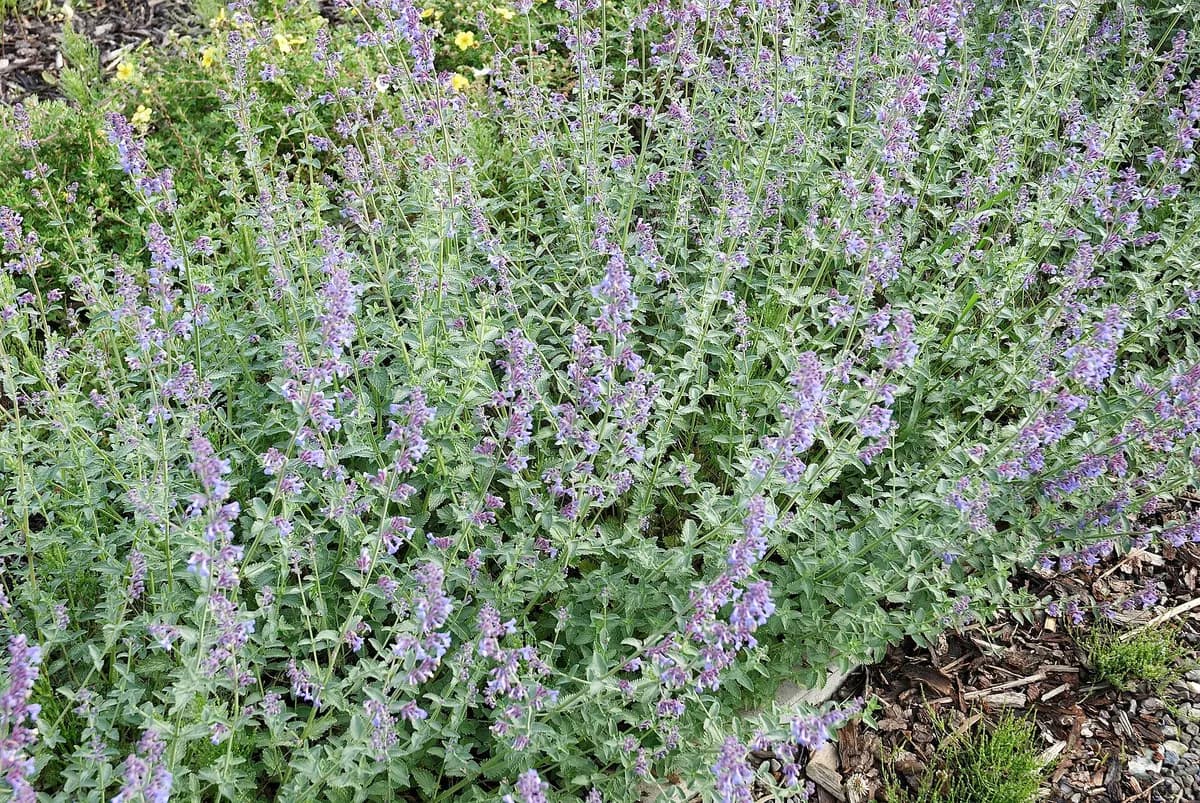
Catmint (Nepeta x faassenii) is a perennial forb. It blooms in May, June, July, and August. The flowers draw bees, butterflies, and hummingbirds.
Toxicity unknown
Catmint (Nepeta x faassenii) is not listed by the ASPCA Animal Poison Control Center (opens in new tab) or the other sources we check, so we have no verdict for it either way. Absence from those lists is not a clearance. If your pet shows symptoms after eating any plant, call the ASPCA at (888) 426-4435.
Light
full sun
Water
low
Size
15"–24" H × 18"–36" W
Bloom
May, Jun, Jul, Aug
Pollinators
bees, butterflies, hummingbirds
Native alternatives to Catmint
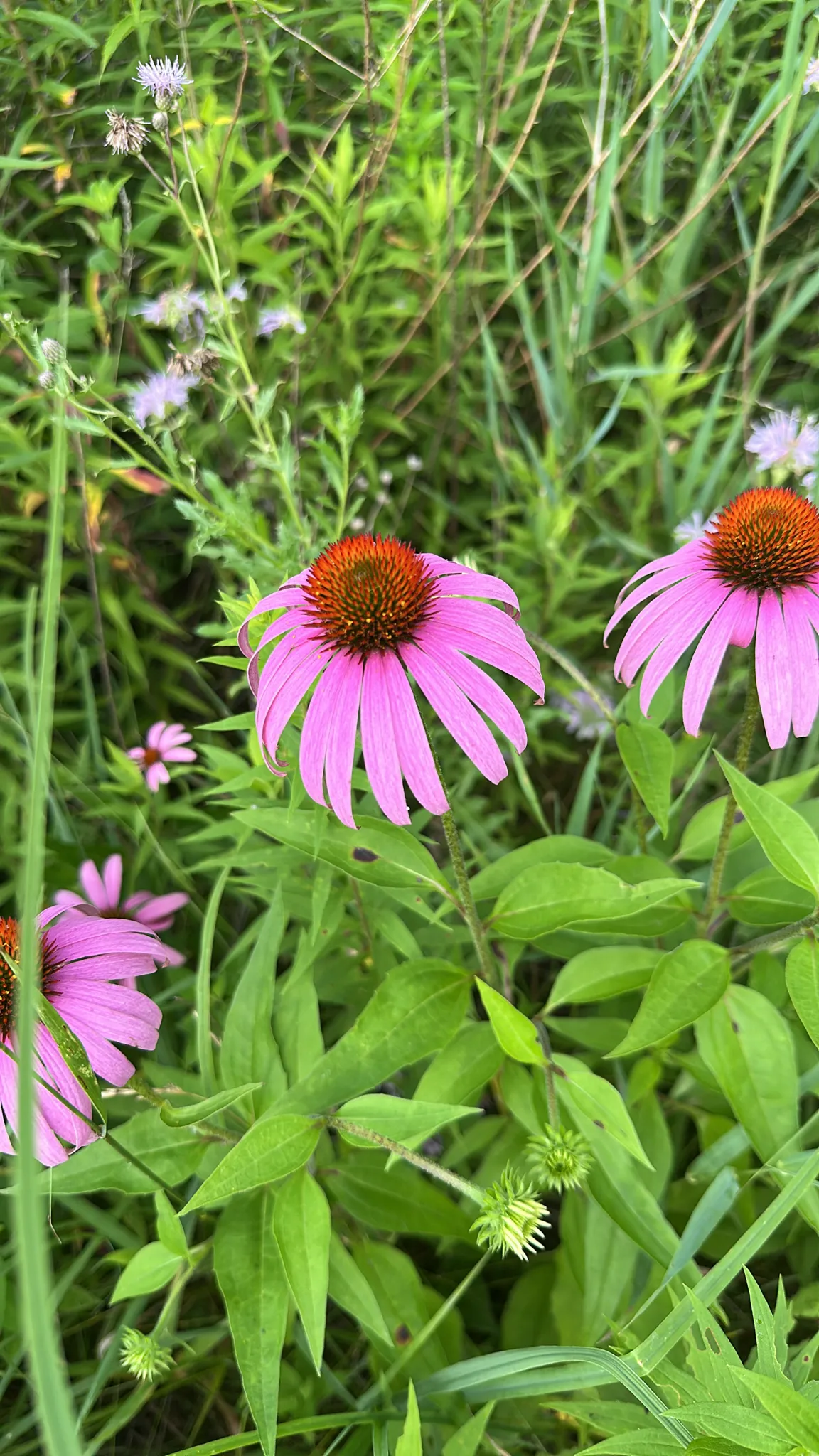
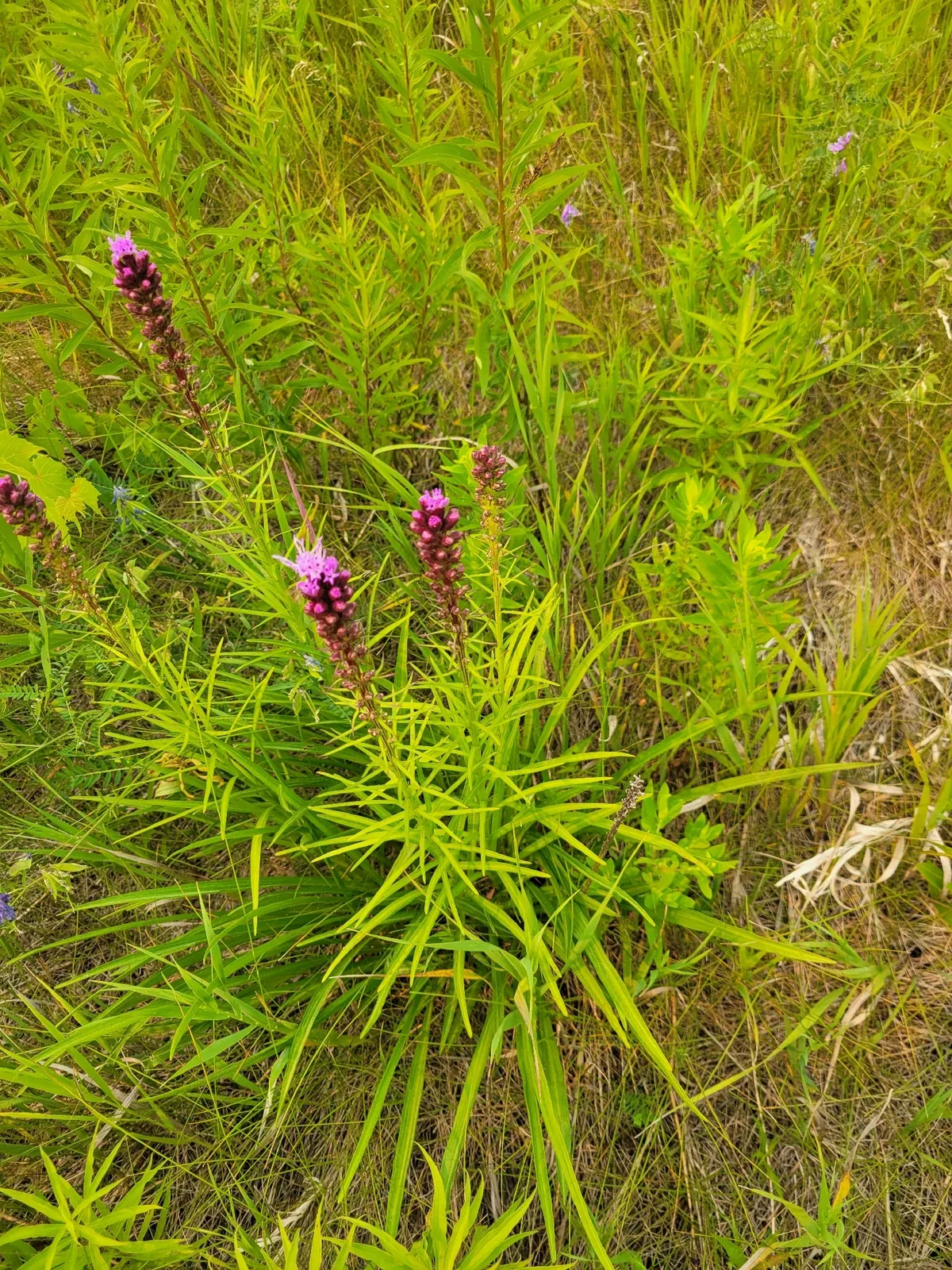
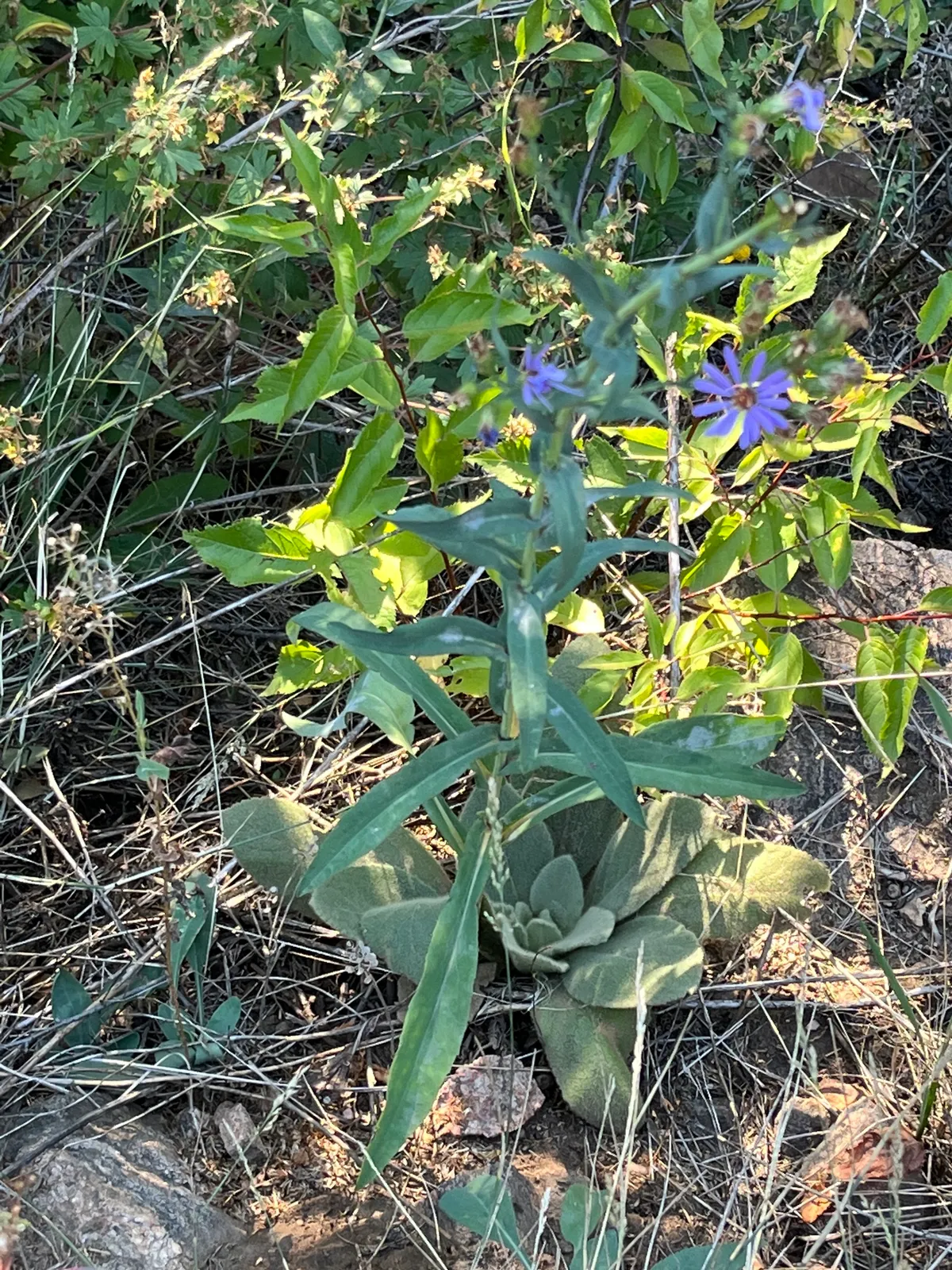
Catmint is not native to the United States. These natives fill a similar role in a planting, matched on bloom season, bloom color and mature size.
Before you buy
Your city may pay you to plant this
Cities and water utilities offer rebates for replacing lawn with native and water-wise plants. We track 458 programs across 44 states, each with a link to the provider and the date we last checked it.
Find rebates in your areaPicture natives in your own yard
Wondering what could grow where Catmint is now? Upload a photo of the spot and Patch Vision shows a rendering of it replanted with natives for your region.


Catmint is a mounding, aromatic perennial grown for its gray-green foliage and long succession of small lavender-blue flower spikes from late spring through summer. A sterile garden hybrid, it does not set seed and instead channels its energy into an extended bloom period, especially when sheared back after the first flush.
Growing Catmint
Grow Catmint in full sun and low water. Mature plants reach 15 to 24 inches tall and spread 18 to 36 inches wide. Expect low maintenance to keep it looking intentional in a front yard.
How to care for Catmint, by region
How to care for Catmint where it is actually grown: year-round basics plus what to do each season, region by region, with the sources for each.
Care guidance last updated: September 2026
Central Corn Belt Plains (includes Chicago, IL)
Year-round
Catmint is an easy, low mounding perennial for Chicago-area front yards as long as you give it full sun, sharp drainage, and one mid-season shear.
- Plant it in full sun. Six or more hours of direct light keeps the mound tight and the flowering heavy.
- Drainage is the number one thing that kills catmint in heavy Chicago clay. Plant it on a slight mound, or work coarse compost and grit into the top foot of soil so water never sits around the crown.
- Do not fertilize. Rich soil and extra water make the stems soft and floppy, which is the most common complaint with this plant.
- Shear the whole plant back by about one third to one half right after the first big flush of bloom fades. This triggers a second round of flowers and resets the shape.
- Once it has been in the ground a full season it handles dry spells well. Water deeply and only when the soil is dry a couple of inches down.
- Space plants about 18 to 24 inches apart so air moves through the mounds.
The mid-season shear is the curb-appeal task. A sheared mound reads as an intentional, tidy edging plant, which is what makes catmint an easy HOA-friendly choice along a front walk or bed edge.
Fall
Fall is a light-touch season for catmint, and you get to choose between cutting it back now or leaving the mound standing.
- A light late-summer or early-fall shear can pull a third small round of bloom out of the plant before frost.
- Stop watering as the weather cools. Wet feet going into a Chicago winter is riskier than dryness.
- You can cut the plant back to a few inches after frost for a clean look, or leave the mound up for winter texture and cut it in spring. Both work.
- If you leave it standing, still clear fallen tree leaves off the crown so they do not mat down and hold water.
- Fall is a reasonable time to divide an old, hollow-centered clump, though early spring is the safer window in zone 6a.
- Do not fertilize going into winter.
If your street expects a tidy dormant-season look, a clean fall cutback to a few inches keeps the bed reading as maintained rather than neglected.
Winter
Catmint is fully hardy through Chicago winters, so the only real job is keeping the crown from sitting in water.
- No winter protection is needed at zone 6a. Cold is not what kills this plant here.
- Wet, poorly drained soil during freeze and thaw cycles is the real winter risk. A slightly raised planting spot pays off now.
- Keep heavy wet mulch off the crown. A thin layer nearby is fine, a mound packed against the stems is not.
- Do not pile shoveled snow with road salt onto the planting. Choose another spot for the pile if the bed is near the driveway or walk.
- Leave stems standing if you like the low gray shape under snow, then cut back in early spring.
- Nothing to water. Winter moisture is plenty.
Spring
Spring is for cleanup, planting, and letting the new growth fill in before the late-May frost date passes.
- Cut any leftover stems from last year down to a few inches above the ground once you see new green shoots at the base, usually late March into April in the Chicago area.
- Rake old leaves and mulch away from the crown so it dries out fast. Wet debris sitting on the crown after snowmelt is a common cause of rot.
- New plants go in after the late-May last frost, or in mid spring if you can protect them from a late cold snap.
- Skip fertilizer entirely. Feeding now produces the weak, sprawling stems you will fight all summer.
- Keep mulch thin and pulled back an inch or two from the stems rather than piled against them.
- First flower spikes usually open in late May into June.
Summer
Summer is the shear-and-rebloom season, and the time to resist overwatering during hot humid stretches.
- When the first flush of bloom starts looking brown and tired, usually late June into July, shear the entire plant back by one third to one half with hedge shears.
- Expect fresh gray-green growth within a couple of weeks and a second round of lavender-blue flowers by late summer.
- If the mound splits open in the middle before you shear, that is a sign of too much water or too rich a soil, not a disease. The shear fixes it.
- Water only in real drought, and water the soil rather than the foliage. Established plants ride out Chicago summers with little help.
- Bees work the flowers heavily. Shear on a cool morning or evening when fewer are foraging.
- Cats are often drawn to catmint plantings and will roll on them. If that is a problem, site the plant away from the most visible front-walk spot.
Shearing right after the first bloom is what keeps the plant from sprawling over the sidewalk or lawn edge, which is the part neighbors and HOA reviewers actually notice.
Sources: NC State Extension Plant Toolbox: Nepeta x faassenii, University of Wisconsin-Madison Division of Extension Horticulture: Catmint, Nepeta x faassenii
Cross Timbers (includes Fort Worth, TX)
Year-round
Catmint is a compact, mounding herb that thrives on neglect once it is established, making it an easy low maintenance edging plant for a front bed.
- Plant in full sun. In the heavy black clay soils across the metro, set the crown a few inches high on a slight mound or work in compost for drainage; in the sandier soils west of the metro it drains faster but will need water more often through the first summer.
- Space plants 18 to 24 inches apart since a mature clump spreads up to 3 feet wide.
- After the first flush of blue violet flowers fades, shear the whole plant back by about half to keep it compact and trigger a second bloom.
- This plant is closely related to true catnip and can attract cats, who may roll on it, rub against it, or chew the stems. ASPCA lists catnip (Nepeta cataria, also sold under the common name catmint) as something that can cause vomiting or diarrhea in cats if they eat a lot of it, so keep an eye on a plant near ground level if a cat has yard access.
A tight, silvery green mound with a defined shape reads as an intentional planted border rather than a stray weed, which makes it a good pick for edging a front walk or bed line.
Fall
Cooler fall weather often brings a second, lighter round of blooms, and it is a good season to divide a crowded clump.
- Deadhead or lightly shear spent flower spikes through September to keep the second bloom flush going.
- Divide clumps that have spread past 3 feet wide. Dig and split the root ball into sections once temperatures cool in October.
- Hold off on hard pruning. Leave most of the foliage in place going into November so the crown has some cover for the first freezes.
- Little to no watering is needed once fall rains return, part of the roughly 35 to 40 inches of rain North Texas gets each year, with peaks in spring and fall.
A lighter fall bloom flush keeps the bed looking maintained into autumn instead of bare, useful if the rest of the yard is winding down for the year.
Winter
Catmint dies back to a low mound or all the way to the ground in a hard freeze, then comes back reliably from the roots each spring.
- Leave the frost killed top growth in place through most of winter. It gives the crown a bit of insulation during the occasional severe Arctic cold snap.
- Cut the whole clump back to about 3 to 4 inches in late February, just before new growth starts, to remove the winter killed stems.
- Skip fertilizer through the winter. It is not needed and can push soft new growth that a late freeze will damage.
- No supplemental water is typically needed in winter beyond normal rainfall.
Cutting the dead stems back low and even, rather than leaving a tall dead clump, keeps a winter bed looking tended while the plant is dormant.
Spring
Spring is the best window to plant catmint in North Texas, and by mid to late spring the first flush of blue violet flowers begins to open.
- Plant after the mid March last frost, working 2 to 3 inches of compost into either the heavy clay or the sandier soils before planting.
- Water new plants twice a week for the first month so roots can establish before the summer heat arrives.
- If you did not cut it back in late winter, trim any leftover growth to about 4 inches by early March to make room for fresh spring stems.
- Expect the first bloom flush of small blue violet flowers to open by May.
Fresh spring growth on a plant that was cut back hard in late winter reads as deliberate seasonal upkeep, not neglect, especially along a front walk or bed edge.
Summer
Summer is peak bloom for catmint, but the North Texas heat means established plants need very little water while young ones need extra help through July and August.
- After the first bloom flush fades in early summer, shear the whole plant back by half, to roughly 6 to 8 inches, to keep it tidy and push a second round of flowers.
- Water established plants only during multi week dry stretches. Overwatering in summer heat can rot the center of the clump.
- Plants installed this spring still need a deep soak once or twice a week through 100 degree afternoons in July and August, their first hard summer.
- Keep it in full sun. A plant in too much shade will flop open and look leggy instead of holding a tight mound.
A hard midsummer shearing looks intentional within days as fresh gray green growth fills back in, rather than leaving a bed of spent flower spikes.
Sources: Nepeta x faassenii - Missouri Botanical Garden Plant Finder, Toxic and Non-Toxic Plants: Catnip - ASPCA, Soil Preparation - Texas A&M AgriLife Extension
Piedmont (includes Atlanta, GA)
Year-round
Catmint (Nepeta x faassenii) is a full sun, low water perennial that settles well into Atlanta's hot Piedmont summers once it's established, with a long bloom run from May into August.
- Give it 6 or more hours of direct sun a day. Some afternoon shade is fine in peak summer heat, but too much shade makes the mounding habit go loose and floppy.
- Water it in through the first season while roots establish, then taper off. Once settled, this plant wants low water and can struggle if Atlanta's clay stays soggy, so drainage matters more than fertilizer.
- Expect a mounding habit 15 to 24 inches tall with a long bloom window, May through August. Shear off spent flower spikes by about a third after the first flush to push out a second round of blue-purple blooms.
- Catmint (Nepeta x faassenii) is a garden hybrid first bred in the Netherlands from two wild species with roots in Europe, North Africa, and Western Asia. It isn't a wild plant itself, and it isn't native to Georgia or anywhere in North America.
- Cats are often drawn to catmint's scent because it contains nepetalactone, the same compound found in true catnip (Nepeta cataria). The ASPCA lists catnip as capable of causing vomiting or diarrhea in cats that chew or eat a lot of it, so if a cat treats this plant like a chew toy, keep an eye on it the way you would with catnip.
Gray-green foliage and a tidy mound make this an HOA-friendly foundation plant, a commonly accepted pick for HOA-conscious gardeners who want something neat with little fuss.
Fall
Fall in the Piedmont brings cooler nights and often a light second bloom flush before catmint eases toward dormancy ahead of the first frost, usually around mid-November.
- Let it keep blooming as long as it will. A light shearing in early fall can still coax a few more weeks of flowers before the weather turns.
- Ease off supplemental watering as temperatures drop. Fall rain in Georgia is usually enough on its own.
- Leave the foliage standing through fall instead of cutting it hard back. It gives some winter structure and shelter for overwintering insects.
- Fall is also a good time to divide or transplant an overgrown clump, since cooler weather is easier on the roots than a hot Georgia summer.
Winter
Atlanta's zone 7b to 8a winters are mild enough that catmint often holds some gray-green foliage through the season instead of dying back completely.
- Hold off on hard pruning until late winter, right before new growth starts, usually late February into March.
- No winter watering is needed beyond normal rainfall. This plant is bred for drought tolerance, and Georgia's wetter winters keep the soil plenty moist on their own.
- Watch for standing water in low spots or heavy clay. Wet roots in winter cold are more likely to hurt this plant than the cold itself.
- A light layer of leaf mulch over the crown is optional extra protection in an unusually cold snap, but it's rarely needed this far into zone 8a.
Spring
Spring is wake-up season for Atlanta catmint. It shakes off light winter dieback and works toward its first bloom flush around the Piedmont's typical last frost in late March.
- Cut back any tattered winter foliage to a few inches once new growth shows at the base, usually mid to late March.
- Water new spring growth through dry stretches until it's established, then start easing off as the plant settles into its low water rhythm.
- Full sun through spring keeps the mounding habit tight instead of floppy going into the first bloom flush, which typically starts by May.
- If an older clump has gone bare in the center, early spring is the time to divide it. That's a normal sign of an aging planting, not a problem.
Summer
Atlanta's hot, humid Piedmont summers are catmint's prime bloom season, running from June into August as long as drainage stays good.
- Established plants want low water. Deep, infrequent watering beats frequent light watering, especially in Piedmont clay that holds moisture.
- After the first bloom flush fades, usually mid to late summer, shear the whole plant back by about a third to encourage a second round of blue-purple flowers into August.
- Good air movement and full sun help the foliage stay dry, which cuts down on fungal spotting during Atlanta's muggiest stretches.
- Skip high-nitrogen fertilizer. Rich feeding pushes floppy growth instead of the tight mound this plant is known for.
A sheared-back summer habit keeps the planting looking tended, which is HOA-friendly along front walks and foundation beds.
Sources: NC State Extension Gardener Plant Toolbox: Nepeta x faassenii, ASPCA: Toxic and Non-Toxic Plants, Catnip, BSBI: Nepeta nepetella x racemosa = N. x faassenii
Texas Blackland Prairies (includes Dallas, TX)
Year-round
Catmint is a compact, mounding herb that thrives on neglect once it is established, making it an easy low maintenance edging plant for a front bed.
- Plant in full sun. In the heavy black clay soils across the metro, set the crown a few inches high on a slight mound or work in compost for drainage; in the sandier soils west of the metro it drains faster but will need water more often through the first summer.
- Space plants 18 to 24 inches apart since a mature clump spreads up to 3 feet wide.
- After the first flush of blue violet flowers fades, shear the whole plant back by about half to keep it compact and trigger a second bloom.
- This plant is closely related to true catnip and can attract cats, who may roll on it, rub against it, or chew the stems. ASPCA lists catnip (Nepeta cataria, also sold under the common name catmint) as something that can cause vomiting or diarrhea in cats if they eat a lot of it, so keep an eye on a plant near ground level if a cat has yard access.
A tight, silvery green mound with a defined shape reads as an intentional planted border rather than a stray weed, which makes it a good pick for edging a front walk or bed line.
Fall
Cooler fall weather often brings a second, lighter round of blooms, and it is a good season to divide a crowded clump.
- Deadhead or lightly shear spent flower spikes through September to keep the second bloom flush going.
- Divide clumps that have spread past 3 feet wide. Dig and split the root ball into sections once temperatures cool in October.
- Hold off on hard pruning. Leave most of the foliage in place going into November so the crown has some cover for the first freezes.
- Little to no watering is needed once fall rains return, part of the roughly 35 to 40 inches of rain North Texas gets each year, with peaks in spring and fall.
A lighter fall bloom flush keeps the bed looking maintained into autumn instead of bare, useful if the rest of the yard is winding down for the year.
Winter
Catmint dies back to a low mound or all the way to the ground in a hard freeze, then comes back reliably from the roots each spring.
- Leave the frost killed top growth in place through most of winter. It gives the crown a bit of insulation during the occasional severe Arctic cold snap.
- Cut the whole clump back to about 3 to 4 inches in late February, just before new growth starts, to remove the winter killed stems.
- Skip fertilizer through the winter. It is not needed and can push soft new growth that a late freeze will damage.
- No supplemental water is typically needed in winter beyond normal rainfall.
Cutting the dead stems back low and even, rather than leaving a tall dead clump, keeps a winter bed looking tended while the plant is dormant.
Spring
Spring is the best window to plant catmint in North Texas, and by mid to late spring the first flush of blue violet flowers begins to open.
- Plant after the mid March last frost, working 2 to 3 inches of compost into either the heavy clay or the sandier soils before planting.
- Water new plants twice a week for the first month so roots can establish before the summer heat arrives.
- If you did not cut it back in late winter, trim any leftover growth to about 4 inches by early March to make room for fresh spring stems.
- Expect the first bloom flush of small blue violet flowers to open by May.
Fresh spring growth on a plant that was cut back hard in late winter reads as deliberate seasonal upkeep, not neglect, especially along a front walk or bed edge.
Summer
Summer is peak bloom for catmint, but the North Texas heat means established plants need very little water while young ones need extra help through July and August.
- After the first bloom flush fades in early summer, shear the whole plant back by half, to roughly 6 to 8 inches, to keep it tidy and push a second round of flowers.
- Water established plants only during multi week dry stretches. Overwatering in summer heat can rot the center of the clump.
- Plants installed this spring still need a deep soak once or twice a week through 100 degree afternoons in July and August, their first hard summer.
- Keep it in full sun. A plant in too much shade will flop open and look leggy instead of holding a tight mound.
A hard midsummer shearing looks intentional within days as fresh gray green growth fills back in, rather than leaving a bed of spent flower spikes.
Sources: Nepeta x faassenii - Missouri Botanical Garden Plant Finder, Toxic and Non-Toxic Plants: Catnip - ASPCA, Soil Preparation - Texas A&M AgriLife Extension
In an HOA neighborhood
Catmint is an HOA-friendly choice. Maintenance level: low. Tidiness: 3 out of 5.
Works well in: border edging, mass planting, low water bed.
- can flop or sprawl in overly rich soil
- benefits from shearing mid-season to maintain a tidy form
Wildlife value
A long bloom season provides a steady nectar source for bees and butterflies across the growing season.
Common questions
- When does catmint bloom?
- Catmint typically flowers from May through August, producing long spikes of lavender purple blooms that often rebloom if trimmed back after the first flush.
- What pollinators does catmint attract?
- Catmint flowers are visited by bees, butterflies, and hummingbirds, which use the tubular blossoms as a nectar source throughout the summer bloom period.
- How much water does catmint need?
- Catmint needs little water once established. It handles low moisture and dry spells well, so it suits sunny, well drained beds and gardens with limited irrigation.
- What light does catmint prefer?
- Catmint grows best in full sun, which encourages the fullest bloom and sturdiest habit. It can also manage part sun, especially where summer heat is intense.
- Is Catmint HOA-friendly?
- Catmint is generally an HOA-friendly choice in the right placement, with low maintenance.
These answers were drafted with an AI model from this plant's data. Verify care details with a local expert.
Pollinator and host plant associations compiled from GBIF, iNaturalist, and published ecological literature.
If something looks wrong
Common plant problems, and what to check first
These come up on almost any plant. Each guide lists the likely causes in the order they are worth ruling out, with one thing to check before you act on any of them, and links to the source it came from.
- It is dying right after planting
- Leaves turning yellow
- Wilting even though I watered it
- Brown crispy leaf tips
- Bugs on the plant
Ready to grow Catmint? Add it to your garden in Pollinator Patch to track it and get season-by-season care guidance.