Coleus
Coleus scutellarioides
Last reviewed: October 2026
Toxicity unknown
Coleus (Coleus scutellarioides) is not listed by the ASPCA Animal Poison Control Center (opens in new tab) or the other sources we check, so we have no verdict for it either way. Absence from those lists is not a clearance. If your pet shows symptoms after eating any plant, call the ASPCA at (888) 426-4435.
Light
part shade
Water
medium
Size
12"–36" H × 12"–24" W
Bloom
Aug, Sep
Pollinators
bees
Native alternatives to Coleus
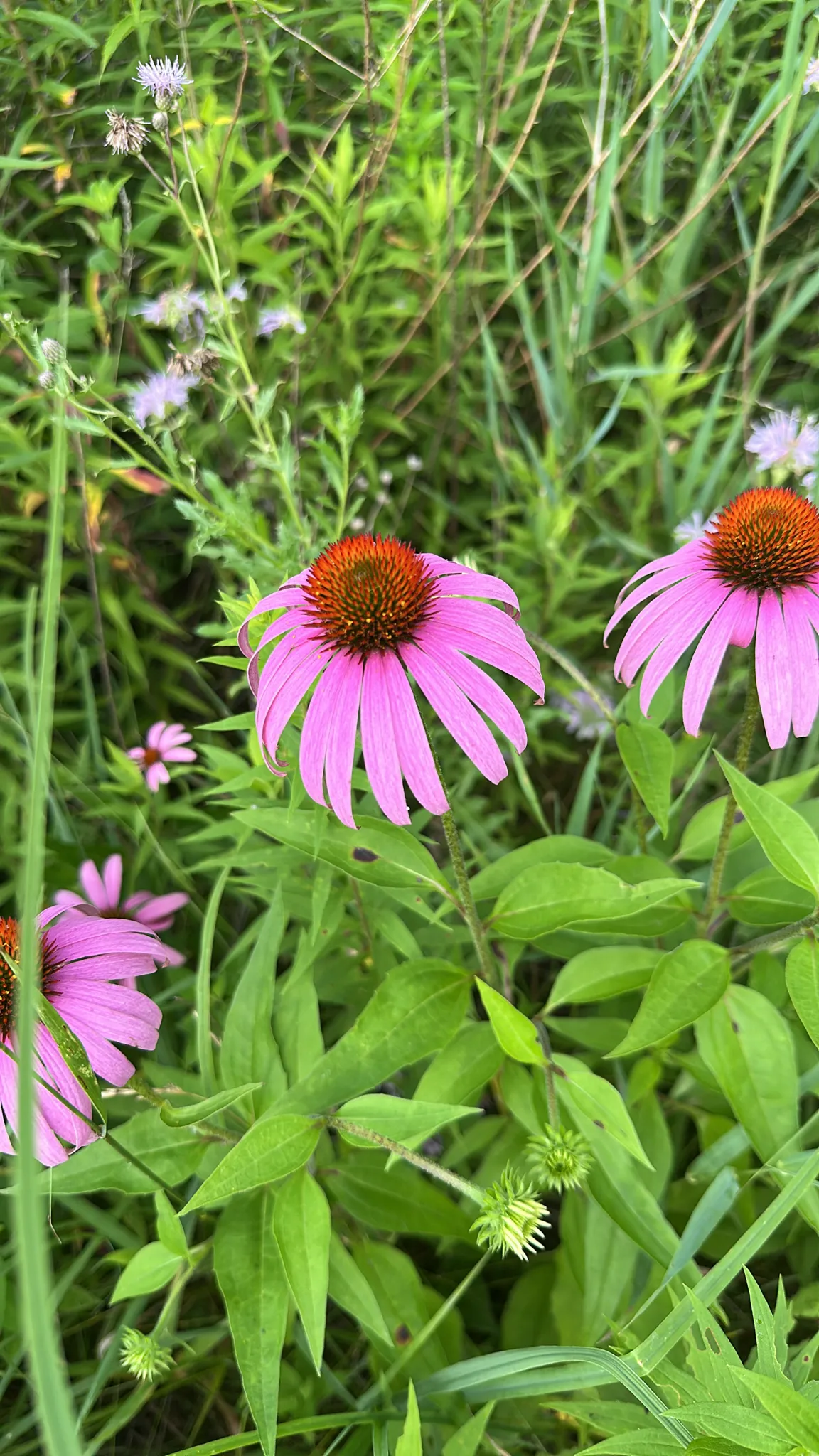
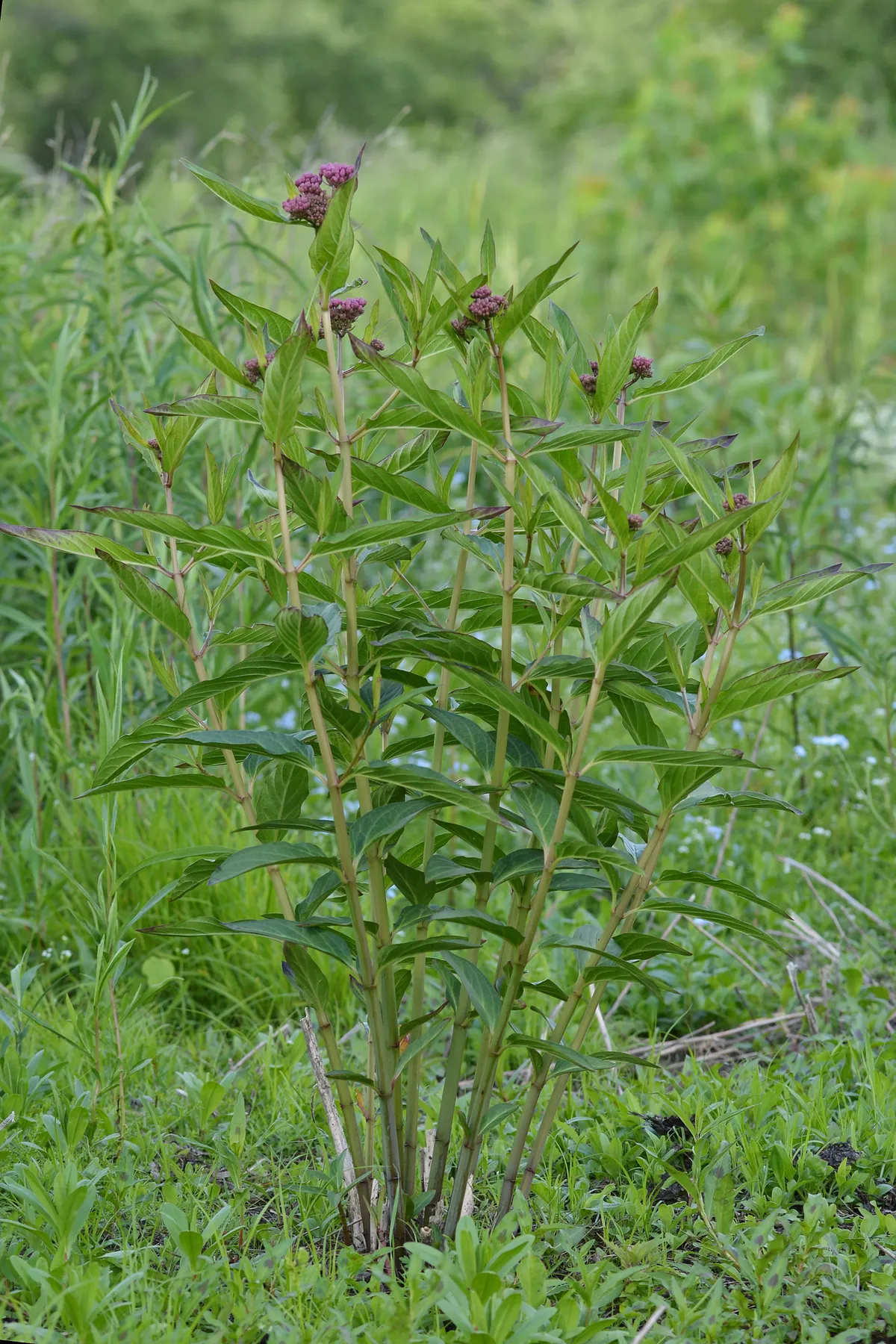
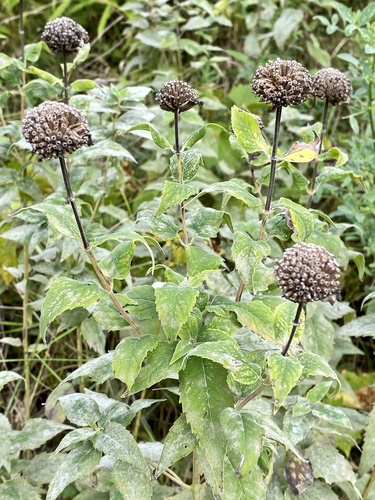
Coleus is not native to the United States. These natives fill a similar role in a planting, matched on bloom season, bloom color and mature size.
Before you buy
Your city may pay you to plant this
Cities and water utilities offer rebates for replacing lawn with native and water-wise plants. We track 459 programs across 44 states, each with a link to the provider and the date we last checked it.
Find rebates in your areaPicture natives in your own yard
Wondering what could grow where Coleus is now? Upload a photo of the spot and Patch Vision shows a rendering of it replanted with natives for your region.


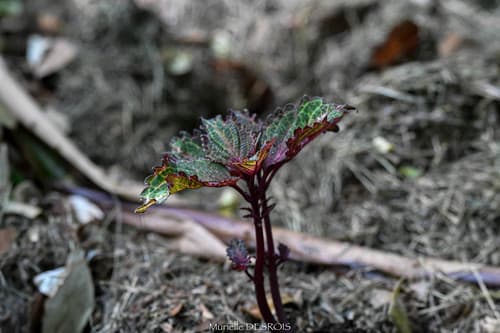
A tender tropical foliage plant grown for its brightly patterned, multicolored leaves rather than its small blue flower spikes.
How to care for Coleus, by region
How to care for Coleus where it is actually grown: year-round basics plus what to do each season, region by region, with the sources for each.
Care guidance last updated: September 2026
Eastern Corn Belt Plains (includes Columbus, OH)
Year-round
Coleus is a tropical foliage plant originally from Southeast Asia and northern Australia, not a plant native to Ohio. In the Columbus area it is grown as a warm season annual for its colorful leaves, or kept going indoors as a houseplant through winter. It does best in part shade to a few hours of sun depending on the variety, in soil that stays evenly moist but drains well. The leaves and stems contain oils that make coleus a listed toxic plant for dogs, cats, and horses, so keep it out of reach of pets that chew on greenery.
- Pick a spot with part shade to morning sun, more sun only for newer heat tolerant varieties, and watch for wilting in hot afternoon light.
- Keep soil evenly moist and rich in organic matter, and let containers drain freely so roots do not sit wet.
- Pinch off the small flower spikes as soon as they appear to keep the plant bushy and full.
- Feed monthly with a balanced fertilizer during the growing season to support leaf color.
- Coleus is on the ASPCA toxic plant list for dogs, cats, and horses, so place it where curious pets cannot chew on it.
Fall
Coleus is one of the first annuals hit by fall frost, and the National Weather Service puts the average first 32 degree freeze for Columbus around October 27. Take cuttings in late summer or early fall, well before that date, if there are plants worth carrying through winter indoors. Once frost does hit, outdoor coleus turns black and mushy within a day or two.
- Take 4 to 6 inch cuttings in late summer or early fall, before the first frost, to root indoors for winter.
- Watch the forecast starting in early October, since Columbus averages its first freeze around October 27.
- Bring potted coleus indoors ahead of a frost warning rather than waiting for a freeze, since the leaves scorch fast.
- Cut back and remove frost killed outdoor plants once the season ends to clear the bed for fall cleanup.
Clearing frost killed coleus out of front beds promptly keeps the yard tidy heading into winter, which is HOA-friendly.
Winter
Coleus cannot survive a Columbus winter outdoors, since it is only winter hardy to USDA zones 10 through 11, much warmer than central Ohio's zone 6. Any coleus that makes it through winter is doing so indoors, usually grown from cuttings taken before the first fall frost. Give it a warm, bright spot and steady moisture, and expect some stretching toward the light in low winter conditions.
- Keep overwintered coleus in a warm room with bright indirect light, since low winter light causes leggy, stretched growth.
- Water when the top inch of soil feels dry, and keep pots away from cold drafts near doors and windows.
- Pinch back leggy stems in midwinter to keep the plant compact until it goes back outside in late spring.
- Hold off on fertilizing over winter, since indoor growth slows and heavy feeding will not help this time of year.
Spring
Coleus is very sensitive to cold, so Columbus gardeners need to wait well past the average last frost before moving it outside. The National Weather Service puts the average last 32 degree freeze for Columbus around April 18, but coleus wants warmer soil than that date alone guarantees, so mid to late May is the safer target. Cuttings kept indoors over winter can be pinched back now to push new, bushy growth before they go back outdoors.
- Wait until mid to late May in Columbus, well after the average April 18 last frost, before planting coleus outside.
- Harden off transplants over 7 to 10 days, starting in a shaded, wind protected spot before full sun.
- Pinch back leggy stems from winter cuttings to encourage bushy new growth before transplanting.
- Hold off on heavy fertilizing until nighttime temperatures stay reliably above 50 degrees.
Summer
Summer is peak growing season for coleus in central Ohio, and Columbus heat and humidity can push containers to dry out fast. Water garden beds only when the top inch or two of soil feels dry, but check containers daily since they lose moisture quickly in full sun. Keep pinching off flower spikes through the summer to keep the plant's energy going into leaf color instead of bloom.
- Check containers daily in hot stretches, and water garden beds only when the top 1 to 2 inches of soil feel dry.
- Keep pinching off flower spikes through summer so energy stays in the leaves and the plant stays full.
- Watch for scorched or wilted leaves during afternoon heat waves and move containers to part shade if it happens.
- Take a few backup cuttings in midsummer in case a storm or early cold snap damages the main plants.
Regular pinching keeps container and bed plantings tidy and full through the summer, which is HOA-friendly upkeep for front yard beds.
Sources: ASPCA Toxic and Non-Toxic Plants: Coleus, NC State Extension Plant Toolbox: Coleus scutellarioides, University of Minnesota Extension: Coleus, National Weather Service Wilmington OH: Spring Frost/Freeze Dates, National Weather Service Wilmington OH: Fall Frost/Freeze Dates, OSU Extension BYGL: Annual of the Week, Coleus
Mississippi Valley Loess Plains (includes Memphis, TN)
Year-round
Coleus in Memphis is grown as a shade loving foliage annual, not a perennial. Give it part shade, steady moisture, good drainage, and regular pinching to keep it full.
- Give it morning sun and afternoon shade, or dappled shade all day. Full sun varieties exist, but most coleus leaves bleach out and scorch in strong afternoon sun.
- Plant in soil that drains well. Coleus roots rot fast in soggy spots, which shows up as muddy brown leaves and scorched edges.
- Water when the top inch of soil feels dry. Pots dry out faster than in ground beds and need checking more often.
- Space plants about 12 to 18 inches apart so air can move through the leaves and cut down on fungal spots.
- Pinch the growing tips every couple weeks while the plant is young. This makes it branch out and stay full instead of getting tall and leggy.
- Pinch off flower spikes as they form. Coleus is grown for its leaf color, and letting it bloom pulls energy away from the foliage.
- Feed monthly with a balanced fertilizer through the growing season. Skip high phosphorus bloom mixes, they push flowering instead of leaf growth.
- ASPCA poison control lists coleus as toxic to dogs, cats, and horses because of essential oils in the leaves. The main risk is stomach upset, vomiting and diarrhea, if a pet chews on it, so keep it out of reach of curious pets.
Fall
Fall in Memphis means getting ahead of the first frost, either saving the plant indoors or clearing it out once the cold hits.
- Memphis's average first fall frost lands around November 3, with a hard freeze often following by mid November. A frost will blacken and kill coleus foliage overnight since it has no cold tolerance.
- To keep a favorite plant going, take 4 to 6 inch stem cuttings a few weeks before the first frost and root them in water or moist potting mix indoors.
- You can also dig up and pot a whole plant to bring indoors as a houseplant. It will need a bright window to hold its leaf color over winter.
- Stop fertilizing by early fall so the plant is not pushing soft new growth right before the cold arrives.
- Once frost blackens the foliage, remove the dead plants from the bed rather than letting them sit through the rest of fall.
Frost turns coleus black and mushy overnight. Pulling the dead plants from front beds promptly keeps the yard looking tended once the season ends.
Winter
Winter in Memphis, outdoor coleus is done for the year. Any care shifts indoors to rooted cuttings or a potted plant kept as a houseplant.
- Memphis winters reliably drop below freezing, and coleus left outside will not survive. It does not regrow from the roots the way a true perennial would.
- Cuttings or potted plants brought indoors need a bright window and steady room temperature. Coleus also likes more humidity than most winter homes provide, so misting nearby or running a small humidifier helps.
- Keep indoor coleus on the dry side compared to summer. Water when the top inch of potting mix is dry and let extra water drain away, since soggy mix in winter is a common way to lose the plant to root rot.
- Skip fertilizing indoor coleus in winter. Growth slows a lot with shorter days and lower light, and feeding a resting plant does not help it.
- Watch for winter houseplant pests like spider mites and aphids, which tend to show up on stressed indoor coleus during the darker months.
Spring
Spring is planting time for coleus in Memphis, but wait until the soil and nights are truly warm since any late frost will kill it.
- Memphis's average last spring frost lands around March 30, and cold snaps can still show up into early April some years. Wait until nighttime lows are reliably staying above 50 degrees before moving coleus outside.
- If you kept cuttings or seedlings going indoors over winter, harden them off over a week or so, setting them outside in shade for a few hours a day before leaving them out full time.
- New spring growth is soft and scorches easily in a sudden warm, sunny stretch. Ease plants into their summer sun spot rather than moving them straight from a shaded porch to full sun.
- Start pinching tips as soon as the plant has a few sets of leaves. This early shaping sets up a bushier plant for the rest of the season.
- Work compost or a slow release fertilizer into the bed at planting time to give roots a strong start.
Summer
Summer is coleus's best season in Memphis, but the heat and humidity mean paying closer attention to water and airflow.
- Memphis summer heat and humidity call for consistent moisture. Check containers daily and garden beds every few days, watering deeply when the top inch of soil is dry.
- Afternoon shade matters most now. Even sun tolerant varieties can wilt or scorch during Memphis's hottest stretches, so a spot with some shade from about 2 to 5pm keeps leaves looking their best.
- Keep pinching tips and removing flower spikes through summer to keep the plant full and to keep its energy going into foliage instead of seed.
- Feed monthly with a balanced fertilizer during the height of the growing season, this is when coleus puts on the most new growth.
- Watch for fungal leaf spots in Memphis's humid summers. Water the soil instead of the leaves, and keep plants spaced so air can move between them.
Sources: ASPCA: Coleus (Toxic and Non-Toxic Plants), Clemson HGIC: Coleus Factsheet, National Weather Service Memphis: Frost and Freeze Dates
Western Gulf Coastal Plain (includes Houston, TX)
Year-round
Coleus is a frost-tender foliage plant grown for its brightly patterned leaves; in the Houston area it is typically grown as a warm-season annual or overwintered indoors.
- Give it part shade to filtered sun; hot, direct afternoon sun in Houston summers can bleach or scorch the leaf color.
- Keep the soil consistently moist; coleus wilts quickly in dry soil and does not recover well from prolonged drought stress.
- Pinch off flower spikes to keep the plant bushy and focused on foliage rather than seed production.
- Reported to cause mild vomiting and diarrhea in dogs, cats, and horses if ingested, per the ASPCA, due to essential oils in the foliage.
Regular pinching and a defined container or bed edge keep coleus looking like an intentional accent rather than an overgrown planting.
Fall
Coleus is frost-tender, so plan to bring cuttings or containers indoors before the first freeze.
- Take stem cuttings in early fall to root indoors and carry the plant over winter.
- Watch nighttime lows and move container plants indoors before the first frost.
- In-ground plantings die back at the first freeze and are typically treated as annuals.
Winter
Outdoors in the Houston area coleus does not survive freezing temperatures and is grown as an annual unless overwintered indoors.
- Keep any overwintered cuttings in a bright indoor spot away from cold drafts.
- Remove frost-killed outdoor plants once they have died back rather than leaving them in the bed.
- Hold off on replanting outdoors until soil and night temperatures warm again in spring.
Clearing frost-killed foliage promptly keeps beds looking tended through winter.
Spring
Wait until nights stay reliably warm before planting coleus outdoors in the Houston area, usually mid-to-late spring.
- Set out transplants after the last frost date and once nighttime lows are consistently warm.
- Start in part shade; too much spring sun on young transplants can stunt growth.
- Feed lightly at planting to support fast early growth.
Summer
Summer is peak growing season, and consistent moisture with some afternoon shade keep leaf color from fading in Houston's heat.
- Water often, especially in containers, since coleus dries out quickly in summer heat.
- Give it afternoon shade to protect leaf colors from bleaching in full sun.
- Pinch growing tips regularly to keep plants full and compact.
Sources: Texas A&M AgriLife Extension (Aggie Horticulture), Coleus, ASPCA Toxic and Non-Toxic Plant List
In an HOA neighborhood
Coleus takes more care to keep looking intentional in a front yard. Maintenance level: moderate. Consider it for backyard or mid-zone beds rather than the street edge.
Works well in: container plantings, shaded borders, mixed foliage beds.
- frost tender and grown as an annual outside warm climates
- reported to cause mild irritation if ingested by pets
Wildlife value
Offers little ecological value; occasional bees visit flower spikes if left unpinched, but this plant is grown primarily as ornamental foliage.
Common questions
- How much sun does Coleus need?
- Coleus grows best in part shade conditions.
- When does Coleus bloom?
- Coleus blooms in August and September.
- What pollinators does Coleus attract?
- Coleus draws bees.
- Is Coleus HOA-friendly?
- Coleus takes more care to look intentional in a front yard. Consider it for backyard or mid-zone beds rather than the street edge.
Pollinator and host plant associations compiled from GBIF, iNaturalist, and published ecological literature.
If something looks wrong
Common plant problems, and what to check first
These come up on almost any plant. Each guide lists the likely causes in the order they are worth ruling out, with one thing to check before you act on any of them, and links to the source it came from.
- It is dying right after planting
- Leaves turning yellow
- Wilting even though I watered it
- Brown crispy leaf tips
- Bugs on the plant
Ready to grow Coleus? Add it to your garden in Pollinator Patch to track it and get season-by-season care guidance.