Dahlia
Dahlia pinnata
Last reviewed: September 2026
Dahlia (Dahlia pinnata) is a perennial forb. It blooms in July, August, September, and October.
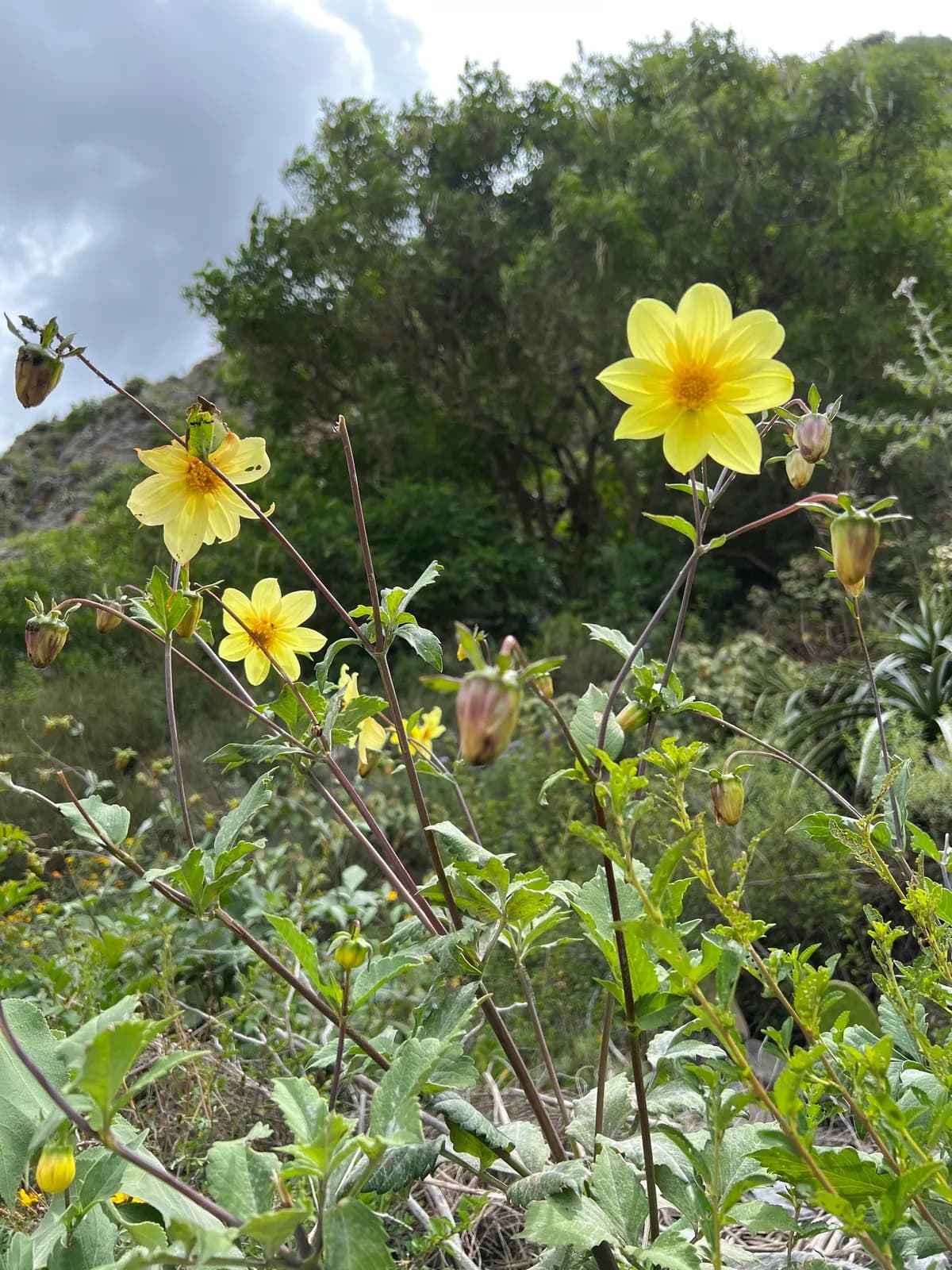
Dahlia is toxic to dogs and cats.
Listed as toxic by the ASPCA Animal Poison Control Center (opens in new tab) (last reviewed 2026-08-15). If your pet has been exposed, call the ASPCA Animal Poison Control Center at (888) 426-4435 and your veterinarian's emergency line.
Pollinator Patch flags toxic plants so you can choose a pet-safe native alternative for your yard.
Light
full sun
Water
medium
Size
18"–60" H × 18"–36" W
Bloom
Jul, Aug, Sep, Oct
Native alternatives to Dahlia
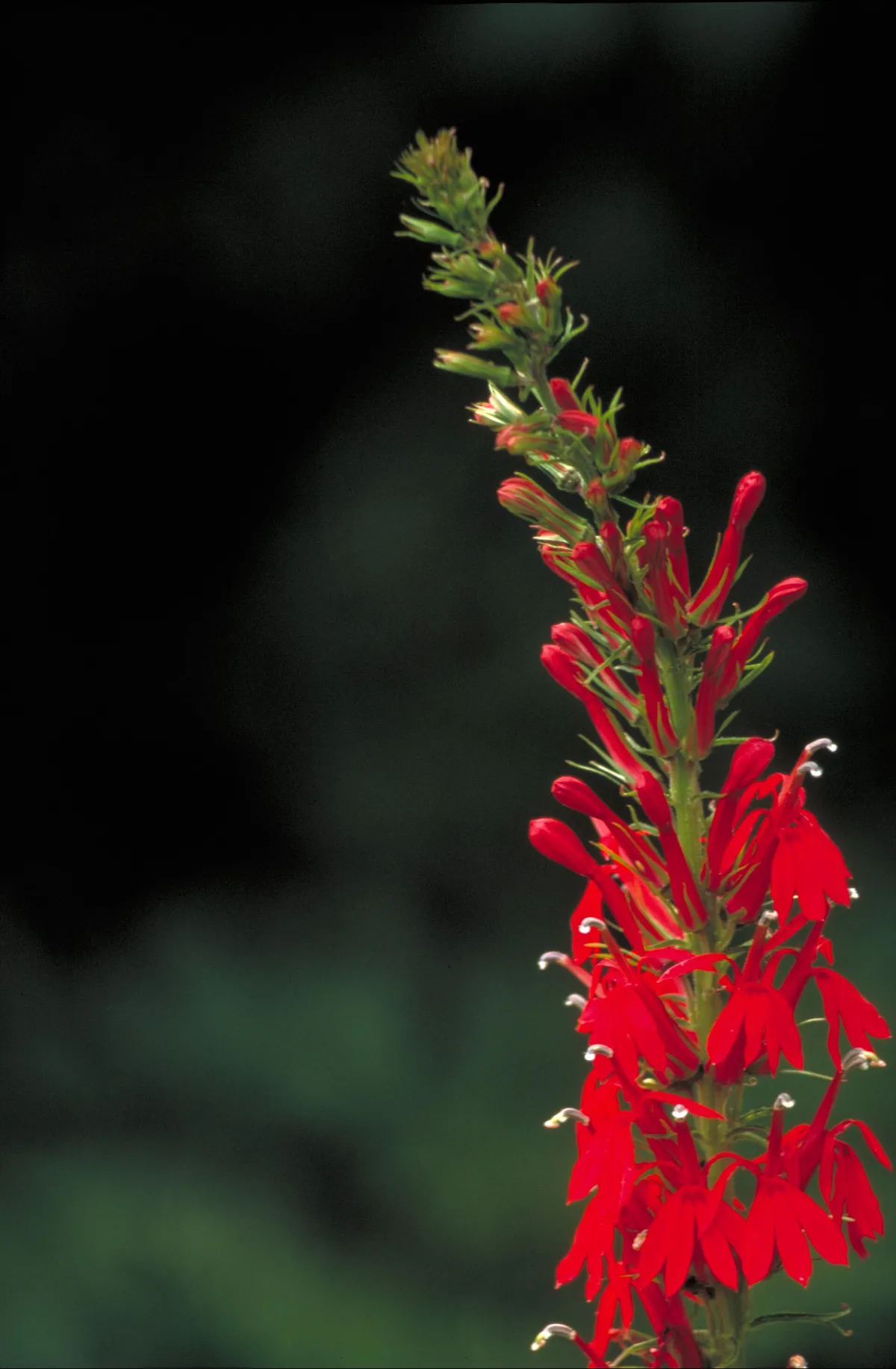
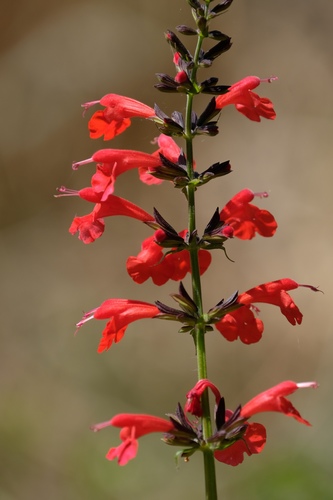
Dahlia is not native to the United States. These natives fill a similar role in a planting, matched on bloom season, bloom color and mature size.

Before you buy
Your city may pay you to plant this
Cities and water utilities offer rebates for replacing lawn with native and water-wise plants. We track 458 programs across 44 states, each with a link to the provider and the date we last checked it.
Find rebates in your areaA tuberous perennial grown for large, intricately formed flowers from midsummer until frost. Tubers are not cold hardy in most gardens and are commonly lifted and stored over winter. Taller forms need staking and steady water.
Growing Dahlia
Grow Dahlia in full sun and medium water. Mature plants reach 18 to 60 inches tall and spread 18 to 36 inches wide. Expect high maintenance to keep it looking intentional in a front yard.
How to care for Dahlia, by region
How to care for Dahlia where it is actually grown: year-round basics plus what to do each season, region by region, with the sources for each.
Care guidance last updated: August 2026
Willamette Valley (includes Portland, OR)
Year-round
Dahlia pinnata is a tuberous, tender perennial and the national flower of Mexico. It is not native to Oregon, but it is a popular garden plant in the Portland area if you treat the tubers like the frost sensitive bulbs they are.
- Give it full sun, at least six to eight hours of direct light a day, or the stems get leggy and flowering drops off.
- It wants rich, well drained soil with steady moisture through the growing season. Standing water rots the tubers, which matters in Portland's wet shoulder seasons.
- This is a heavy feeder. Plan on regular fertilizing from planting through late summer to keep the blooms coming.
- Watch for slugs and snails early in the season since they chew on young shoots at night, a common problem in the Willamette Valley's damp spring soil.
- Dahlia pinnata comes from Mexico, not the Pacific Northwest, so it will not feed the specialized native bees or host butterflies the way an Oregon native plant would. It is also listed by the ASPCA as toxic to dogs, cats, and horses, with mild gastrointestinal signs and mild dermatitis reported, so keep pets from chewing on the tubers or foliage.
Fall
Fall brings the first frost that ends the bloom season and signals when to dig and store dahlia tubers for winter.
- Dahlias keep blooming right up until frost blackens the foliage. Timing varies a lot across the Portland metro area depending on neighborhood and elevation, so watch your own yard rather than a single citywide date.
- Once frost kills the foliage, cut the stalks down to a short stub to tidy the bed and mark that it is time to dig.
- Dig the tubers, rinse off the soil, and let them air dry for about a day in a sheltered spot before packing them away. Damp tubers rot in storage.
- Divide the tuber clump into individual pieces, each with an eye, while you are digging. It is easier to see the eyes right after digging than after the tubers dry out.
- Cutting back the blackened stalks promptly after frost also keeps the bed looking intentional instead of collapsed and mushy.
Cut the frost blackened stalks back promptly rather than leaving collapsed foliage in the front bed over the following weeks.
Winter
Winter means keeping the dug dahlia tubers cool, dry, and frost free until it is time to plant them out again in spring.
- Store dug tubers in a cool, frost free spot such as a garage, layered in dry material like sawdust, vermiculite, or newspaper so they are not touching each other.
- Check on stored tubers occasionally through winter. Shriveled ones can take a light misting, while any that go soft or moldy should be tossed out so they do not spread rot to the rest of the batch.
- Dahlias generally do not make it through a real winter outdoors, which is why cooperative extension guidance across cooler and colder climates is to dig and store them rather than leave them in the ground.
- If you do choose to leave tubers in the ground under a thick layer of mulch, know it is the riskier option here and some losses are normal in a harder winter.
- Hold new tubers or divided pieces back from replanting until the frost danger has passed the following spring.
A neatly mulched, empty bed after tubers are dug reads as intentional and tidy rather than neglected over the winter months.
Spring
Spring in the Portland area is tuber planting season. Wait for the soil to warm and the frost risk to pass before you put dahlia tubers in the ground.
- Plant tubers outdoors in mid to late spring once the soil is consistently around 60 degrees, which in the Portland area generally lands between late April and the end of May.
- Lay each tuber on its side about 4 to 6 inches deep with the eye, the small bud on the old stem end, pointing up.
- Hold off watering right after planting. Wait until a sprout breaks the surface, since a tuber sitting in cold wet spring soil before it sprouts is prone to rot.
- Start slug and snail control around two weeks after planting or as soon as the first sprouts appear. They will chew new growth down to nothing overnight if you wait too long.
- Begin feeding once shoots are up and keep it going through the season, since dahlias are heavy feeders.
Summer
Summer is bloom season for dahlias around Portland. Regular water, staking, and deadheading keep the plants upright and flowering through the warm months.
- Water deeply about once a week during dry stretches rather than light daily sprinkles. Dahlias are shallow rooted and dry out fast once summer rain lets up.
- Mulch around the base to hold moisture and cut down on watering frequency.
- Stake taller varieties at planting time with a stake driven a foot or so into the ground, then tie the plant to it as it grows. Doing this early avoids stabbing a tuber later in the season.
- Feed monthly through the summer with a balanced fertilizer, then taper off as late summer approaches so the plant can start slowing down for fall.
- Pinch off spent blooms regularly to keep new flowers coming and keep the bed tidy. Also watch for aphids and keep tools clean, since sap sucking insects can spread dahlia mosaic virus, which has no cure once a plant is infected.
Regular pinching of spent blooms keeps the front bed looking tidy and full of color instead of cluttered with brown, faded flowers.
Sources: ASPCA Toxic and Non-Toxic Plants: Dahlia, University of Missouri Extension: Mexico's national flower brightens Missouri gardens, Oregon State University Extension: Dahlias in Oregon (FS 95), University of Georgia Cooperative Extension: Dahlias (C576)
In an HOA neighborhood
Dahlia is an HOA-friendly choice. Maintenance level: high. Tidiness: 3 out of 5.
Works well in: front yard, foundation bed, border.
Wildlife value
Flowers offer nectar that generalist visitors will use, but as a non-native it feeds no local caterpillars. Treat it as garden interest rather than habitat.
Common questions
- How much sun does Dahlia need?
- Dahlia grows best in full sun conditions.
- When does Dahlia bloom?
- Dahlia blooms in July, August, September, and October.
- Is Dahlia toxic to dogs?
- Yes. Dahlia is listed as toxic to dogs by the ASPCA Animal Poison Control Center (aspca.org). If your pet has been exposed, call the ASPCA Animal Poison Control Center at (888) 426-4435.
- Is Dahlia toxic to cats?
- Yes. Dahlia is listed as toxic to cats by the ASPCA Animal Poison Control Center (aspca.org). If your cat has been exposed, call the ASPCA Animal Poison Control Center at (888) 426-4435.
- Is Dahlia HOA-friendly?
- Dahlia is generally an HOA-friendly choice in the right placement, with high maintenance.
Pollinator and host plant associations compiled from GBIF, iNaturalist, and published ecological literature.
If something looks wrong
Common plant problems, and what to check first
These come up on almost any plant. Each guide lists the likely causes in the order they are worth ruling out, with one thing to check before you act on any of them, and links to the source it came from.
- It is dying right after planting
- Leaves turning yellow
- Wilting even though I watered it
- Brown crispy leaf tips
- Bugs on the plant
Pollinator Patch flags toxic plants like Dahlia and shows pet-safe natives for your ecoregion instead.