Dwarf pawpaw
Asimina parviflora
Last reviewed: September 2026
Toxicity unknown
Dwarf pawpaw (Asimina parviflora) is not listed by the ASPCA Animal Poison Control Center (opens in new tab) or the other sources we check, so we have no verdict for it either way. Absence from those lists is not a clearance. If your pet shows symptoms after eating any plant, call the ASPCA at (888) 426-4435.
Light
part shade
Water
medium
Size
36"–120" H × 36"–72" W
Bloom
Mar, Apr
Native to
AL, AR, FL, GA and 6 more states
Pollinators
flies, beetles
Before you buy
Your city may pay you to plant this
Cities and water utilities offer rebates for replacing lawn with native and water-wise plants. We track 452 programs across 44 states, each with a link to the provider and the date we last checked it.
Find rebates in your areaBrowse plants for this ecoregion
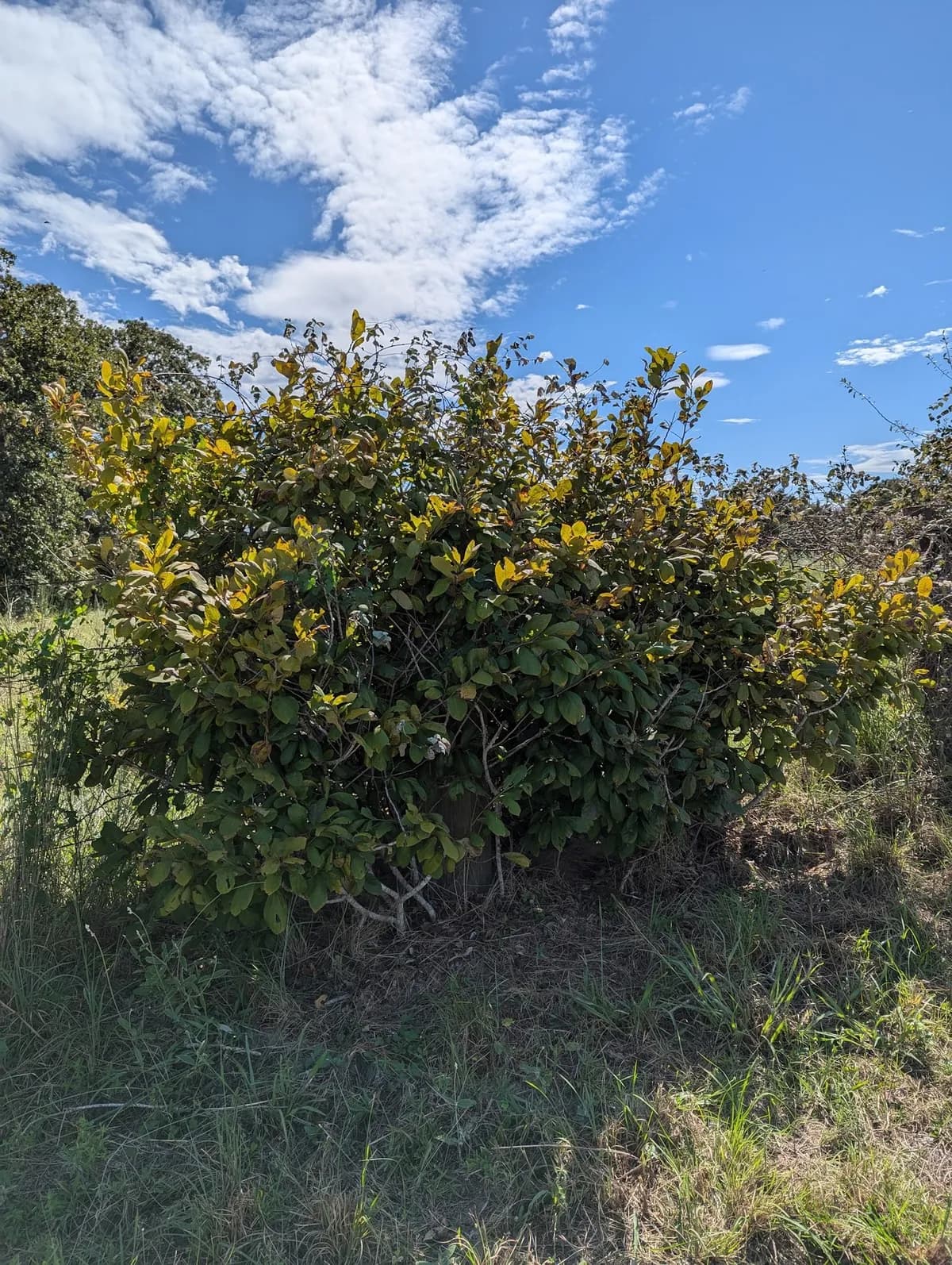
Multi-stemmed understory shrub with large drooping leaves and small maroon flowers that appear before the leaves in early spring. Found in sandy woodlands and forested hammocks.
How to care for Dwarf pawpaw, by region
How to care for Dwarf pawpaw where it is actually grown: year-round basics plus what to do each season, region by region, with the sources for each.
Care guidance last updated: September 2026
Piedmont (includes Atlanta, GA)
Year-round
Baseline care for dwarf pawpaw, a Georgia native understory shrub, in the Atlanta area.
- Dwarf pawpaw naturally grows in the shaded understory of southern woodlands, so give it partial shade, especially while it is young and getting established.
- It is native to Georgia, confirmed by both the Georgia Native Plant Society and the Lady Bird Johnson Wildflower Center's native plant database.
- Plant it in loose, well drained soil on the acidic side. It does not tolerate compacted clay, which is common around Atlanta, so loosen the planting hole and work in some compost.
- It grows a long taproot and does not like being moved once established, so choose its permanent spot before you plant.
- If you want fruit, plant a second dwarf pawpaw nearby. It needs cross pollination from another plant to set fruit.
Fall
Fall dormancy, leaf drop, and good timing for planting a new dwarf pawpaw in the Atlanta area.
- Leaves turn yellow and drop in fall as the plant goes dormant. That is normal seasonal behavior, not a sign of a problem.
- Fall, after leaf drop, is a good time to plant a new dwarf pawpaw. Cooler air lets roots establish before summer heat returns, and Atlanta's mild fall weather is easy on new plantings.
- Stop fertilizing by late summer so the plant is not pushing tender new growth right before the first fall frost arrives.
- Keep watering a newly planted or young pawpaw through fall dry spells. It is still building out its root system even though it looks dormant above ground.
Rake fallen leaves away from the front walk or visible bed edge after leaf drop so the planting still reads as tidy and intentional for an HOA-conscious yard.
Winter
Winter dormancy and cold protection for young dwarf pawpaw plants in the Atlanta area.
- Dwarf pawpaw is bare and dormant through winter, showing its open, multi stemmed shape. That is normal, not a sign of a problem.
- Atlanta winters are relatively mild for this shrub's hardiness range, but a hard freeze can still occur. Protect a young, first year planting with a layer of mulch over the root zone.
- Bare winter branches make this a good season to check the trunk and base for damage or animal activity, since the whole plant is easy to see.
- Do not prune it hard in winter. If shaping is needed, wait until right after the spring bloom instead.
Spring
Spring bloom, late-season frost caution, and butterfly activity for dwarf pawpaw in the Atlanta area.
- Flowers open from April into May, arriving right as the leaves start to unfurl. The small maroon, bell shaped flowers are pollinated by flies and beetles, not bees, so do not worry if you see little bee activity on them.
- Dwarf pawpaw is a caterpillar host plant for the zebra swallowtail butterfly, according to the Georgia Native Plant Society. Chewed leaves in spring are usually swallowtail caterpillars at work, not a pest problem to treat.
- The Atlanta area can still see frost into early spring, so hold off on fertilizing or hard pruning until you are confident the cold snaps are behind you for the season.
- If you planted in fall or winter, keep the soil evenly moist through spring while new roots are still forming. A newly planted pawpaw needs consistent moisture to get established.
Summer
Managing heat, humidity, and fruit set for dwarf pawpaw through an Atlanta summer.
- Atlanta summers are hot and humid with frequent afternoon thunderstorms. Established dwarf pawpaws handle this well, but check soil moisture during the dry stretches between storms.
- Give it afternoon shade if it gets more than a few hours of direct summer sun. It is naturally an understory plant and can scorch in full, unshaded summer sun.
- Mulch around the base to keep roots cool and hold moisture, but keep the mulch a few inches back from the main stems.
- Fruit ripens roughly from midsummer into early fall. If your plant has fruit, wildlife like raccoons and opossums may get to it before you do.
Sources: Lady Bird Johnson Wildflower Center: Asimina parviflora native plant database entry, Georgia Native Plant Society: Dwarf Pawpaw (Asimina parviflora), NC State Extension Gardener Plant Toolbox: Asimina parviflora
Want these tasks as reminders timed to your yard? Pollinator Patch turns this guidance into a season-by-season care plan for the plants you actually grow.
Wildlife value
Host plant for zebra swallowtail.
The exclusive larval host plant for the zebra swallowtail butterfly; produces edible fruit valued by wildlife.
Common questions
- How much sun does Dwarf pawpaw need?
- Dwarf pawpaw grows best in part shade conditions.
- When does Dwarf pawpaw bloom?
- Dwarf pawpaw blooms in March and April.
- Where is Dwarf pawpaw native?
- Dwarf pawpaw (Asimina parviflora) is native to AL, AR, FL, GA and 6 more states, per the World Checklist of Vascular Plants (Kew).
- What butterflies or moths does Dwarf pawpaw host?
- Dwarf pawpaw is a larval host plant for zebra swallowtail.
Native range data from the World Checklist of Vascular Plants (Kew). Pollinator and host plant associations compiled from GBIF, iNaturalist, and published ecological literature.
If something looks wrong
Common plant problems, and what to check first
These come up on almost any plant. Each guide lists the likely causes in the order they are worth ruling out, with one thing to check before you act on any of them, and links to the source it came from.
- It is dying right after planting
- Leaves turning yellow
- Wilting even though I watered it
- Brown crispy leaf tips
- Bugs on the plant
Ready to grow Dwarf pawpaw? Add it to your garden in Pollinator Patch to track it and get season-by-season care guidance.
Planning a bed around it? Start a free plan with this plant
Not sure where to start? Take the 2-minute yard quiz