garden delphinium
Delphinium cultorum
Last reviewed: September 2026
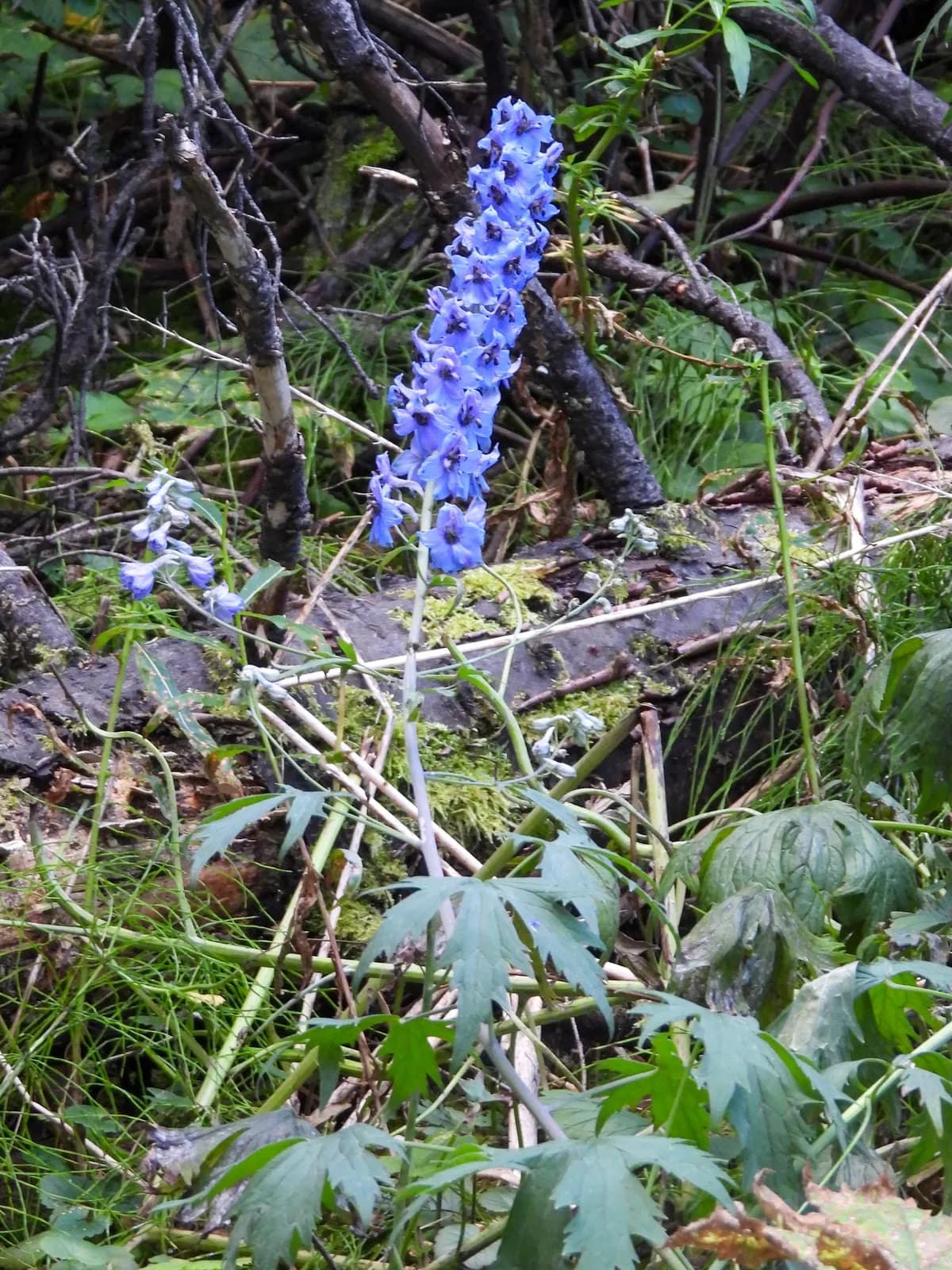
garden delphinium is toxic to dogs and cats.
Listed as toxic by the ASPCA Animal Poison Control Center (opens in new tab) (last reviewed 2026-09-22). If your pet has been exposed, call the ASPCA Animal Poison Control Center at (888) 426-4435 and your veterinarian's emergency line.
Pollinator Patch flags toxic plants so you can choose a pet-safe native alternative for your yard.
Light
full sun
Water
medium
Size
24"–72" H × 12"–24" W
Bloom
May, Jun, Jul
Pollinators
bees, hummingbirds
Native alternatives to garden delphinium
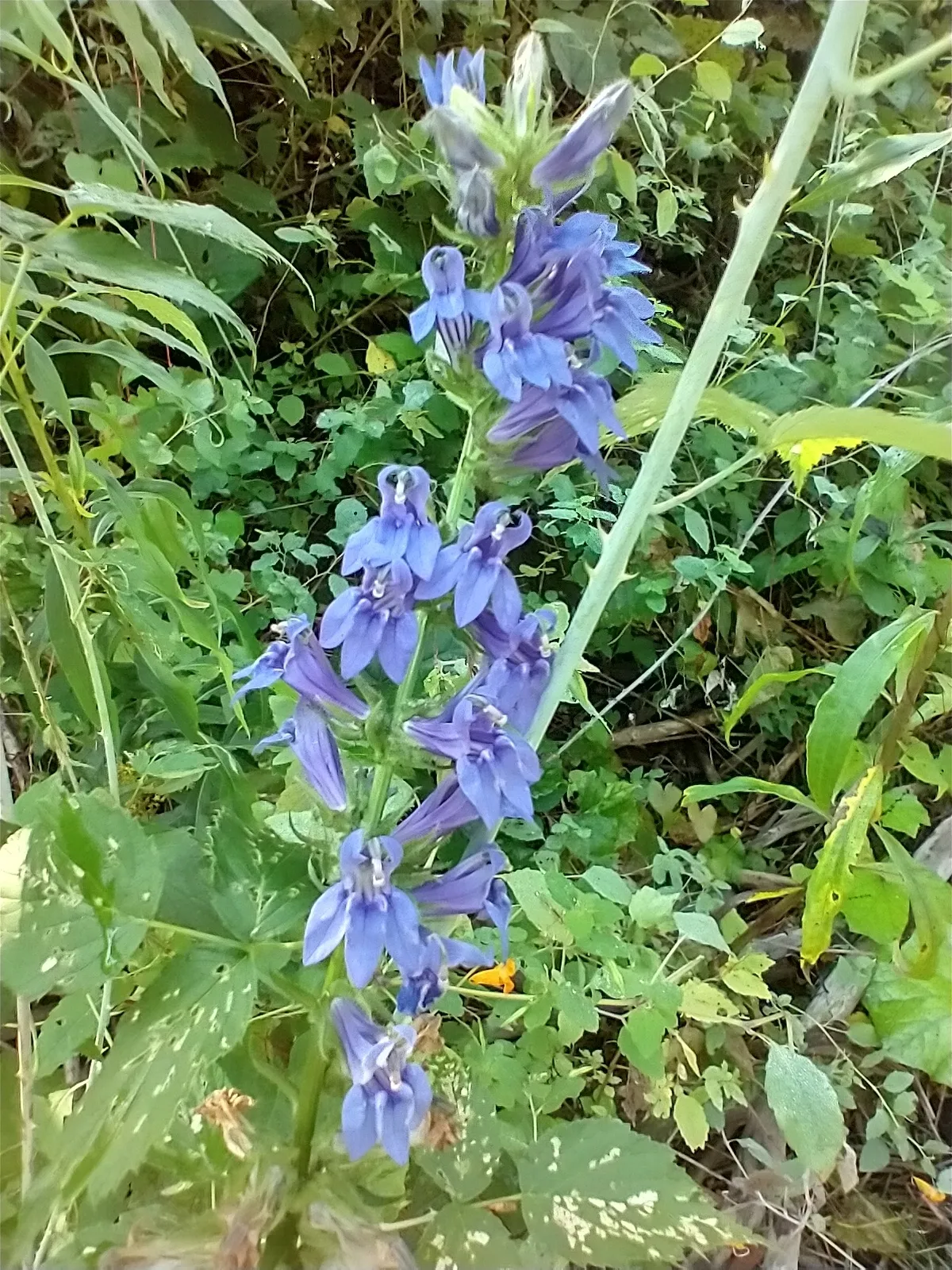
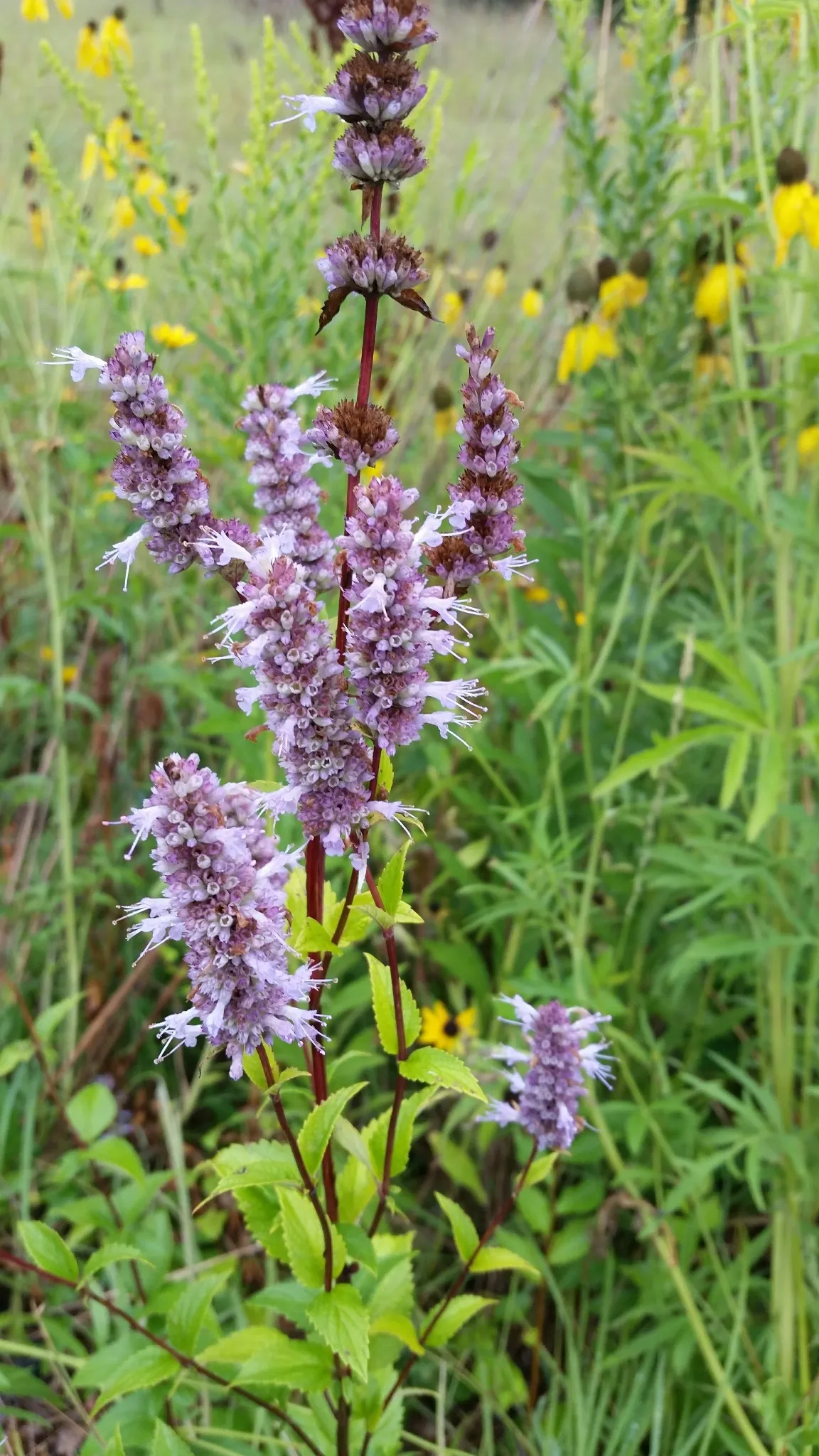
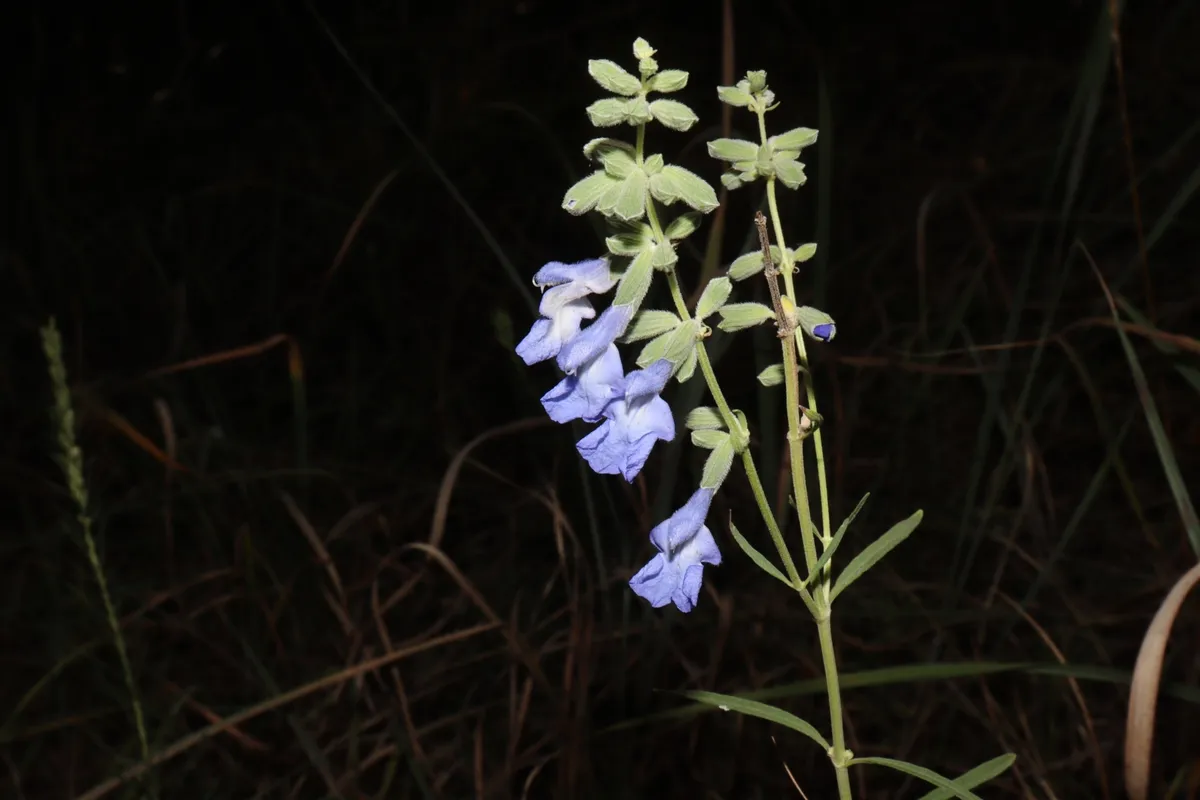
garden delphinium is not native to the United States. These natives fill a similar role in a planting, matched on bloom season, bloom color and mature size.
Before you buy
Your city may pay you to plant this
Cities and water utilities offer rebates for replacing lawn with native and water-wise plants. We track 458 programs across 44 states, each with a link to the provider and the date we last checked it.
Find rebates in your areaA tall garden hybrid grown for dense spikes of large, spurred flowers held above deeply lobed foliage. Prefers cool weather and usually needs staking once the flower spikes fill in.
How to care for garden delphinium, by region
How to care for garden delphinium where it is actually grown: year-round basics plus what to do each season, region by region, with the sources for each.
Care guidance last updated: September 2026
Western Corn Belt Plains (includes Des Moines, IA)
Year-round
Garden Delphinium is a tall, spiky-flowered perennial hybrid, not a wildflower, so there's no natural range to think about here. It's a garden plant you're hosting, and it earns its keep with full sun, steady moisture, and rich, well-drained soil.
- Give it full sun, at least six hours a day, with a little afternoon shade if your spot gets hot and muggy in midsummer.
- Keep the soil evenly moist through the growing season and water at the base rather than overhead, so the leaves stay dry and the crown doesn't sit wet.
- Plant in fertile, well-drained soil and work in compost at planting time. This is a heavy feeder and does better with regular fertilizing.
- Full-size hybrids reach about 4 to 6 feet tall and 18 to 24 inches wide. Space plants that far apart and set stakes early, before the hollow flower stalks get tall and top heavy.
- This is a short-lived perennial. Most plants only last two or three years in the garden before they fade, so don't be surprised if you end up replacing it every so often.
- Every part of this plant is toxic to dogs, cats, and horses, so plant it somewhere pets and grazing animals can't reach it.
Fall
Growth slows as nights cool. After the first hard frost, usually in early October around Des Moines, cut the plant back and clear away fallen foliage to head off disease going into winter.
- Keep watering until frost arrives, then taper off as the plant heads into dormancy.
- After a hard frost blackens the foliage, typically in early October in the Des Moines area, cut the stems back to the base.
- Clear away fallen leaves and stem debris rather than leaving it piled at the crown. Wet, matted foliage sitting through winter invites crown rot.
- Fall is also a reasonable time to divide an overcrowded clump if you want to keep the planting going another year or two.
A full fall cutback leaves a clean, tidy bed instead of collapsed dead stalks, which reads as HOA-conscious heading into winter.
Winter
The plant dies back to the ground with the first hard freeze and spends winter dormant as a crown below the soil. Des Moines sits in USDA zone 5b, comfortably inside this plant's cold-hardy range.
- This hybrid group is generally winter hardy from USDA zones 3 through 7, so Des Moines' zone 5b winters are well within its range.
- Leave a 2 to 3 inch layer of mulch, such as shredded leaves or bark, over the crown once the ground starts to freeze. That buffers the freeze-thaw swings that can heave a shallow crown out of the soil.
- No watering is needed once the plant is dormant and the ground is frozen.
- If the plant was cut back hard in fall, winter will just show mulched ground rather than a stand of dead stalks.
A cut-back, mulched bed keeps the winter garden looking HOA-conscious and tidy instead of leaving leftover dead growth standing.
Spring
New shoots push up from the crown as the soil warms. Around Des Moines, that's usually through April, and it's worth waiting until the last spring frost has passed before you set out new nursery starts.
- New growth appears once the ground warms, typically through April in the Des Moines area, with the last spring frost usually falling in mid to late April.
- Feed lightly with a balanced fertilizer as growth resumes. Delphinium is a heavy feeder and responds well to early-season feeding.
- Set stakes in the ground while plants are still short. The flower stalks are hollow and brittle, so getting support in place early avoids snapped stems once the spikes shoot up later.
- Check young shoots for slug damage, a common early-season nuisance in Iowa gardens.
Staking the plant early, while it's still low, keeps a front bed looking tidy and upright as it grows, an easy way to stay HOA-friendly through spring.
Summer
Delphinium hits its main bloom around June and July in the Des Moines area, sending up tall spikes of blue, purple, pink, or white. Once that first flush fades, deadheading can coax a smaller second round of flowers later in the season.
- Peak bloom generally runs from June into July for this region.
- Water regularly and deeply through summer heat, right at the base. Iowa's summer humidity combined with wet foliage is a good recipe for fungal problems like powdery mildew.
- Once the main flower spikes fade, cut the old stalk back to the small side shoots. That deadheading step is what encourages a second, smaller bloom later in summer or early fall.
- Check stakes and ties after storms. Wind and heavy rain on a flower-laden spike can still snap the hollow stems even with support in place.
Deadheading the spent flower spikes keeps the bed looking neat and HOA-friendly right through the hottest part of the season.
Sources: Iowa State University Extension, Growing Delphiniums, NC State Extension, Delphinium plant profile, ASPCA, Toxic and Non-Toxic Plants: Larkspur, Almanac.com, Frost Dates for Des Moines, IA (community tip), Missouri Botanical Garden, Plant Finder: Delphinium elatum
In an HOA neighborhood
garden delphinium is an HOA-friendly choice. Maintenance level: moderate. Tidiness: 3 out of 5.
Works well in: border planting, cutting garden.
- Toxic if ingested by pets, livestock, and people
- Struggles through hot, humid summers and is often short-lived outside cool-summer climates
Wildlife value
The deep, spurred flowers suit long-tongued bumblebees especially well, with occasional hummingbird visits during bloom.
Common questions
- How much sun does garden delphinium need?
- garden delphinium grows best in full sun conditions.
- When does garden delphinium bloom?
- garden delphinium blooms in May, June, and July.
- Is garden delphinium toxic to dogs?
- Yes. garden delphinium is listed as toxic to dogs by the ASPCA Animal Poison Control Center (aspca.org). If your pet has been exposed, call the ASPCA Animal Poison Control Center at (888) 426-4435.
- Is garden delphinium toxic to cats?
- Yes. garden delphinium is listed as toxic to cats by the ASPCA Animal Poison Control Center (aspca.org). If your cat has been exposed, call the ASPCA Animal Poison Control Center at (888) 426-4435.
- What pollinators does garden delphinium attract?
- garden delphinium draws bees and hummingbirds.
- Is garden delphinium HOA-friendly?
- garden delphinium is generally an HOA-friendly choice in the right placement, with moderate maintenance.
Pollinator and host plant associations compiled from GBIF, iNaturalist, and published ecological literature.
If something looks wrong
Common plant problems, and what to check first
These come up on almost any plant. Each guide lists the likely causes in the order they are worth ruling out, with one thing to check before you act on any of them, and links to the source it came from.
- It is dying right after planting
- Leaves turning yellow
- Wilting even though I watered it
- Brown crispy leaf tips
- Bugs on the plant
Pollinator Patch flags toxic plants like garden delphinium and shows pet-safe natives for your ecoregion instead.