Indian Shot
Canna indica
Last reviewed: October 2026
Indian Shot (Canna indica) is a perennial forb. It blooms in June, July, August, and September. The flowers draw hummingbirds and bees.
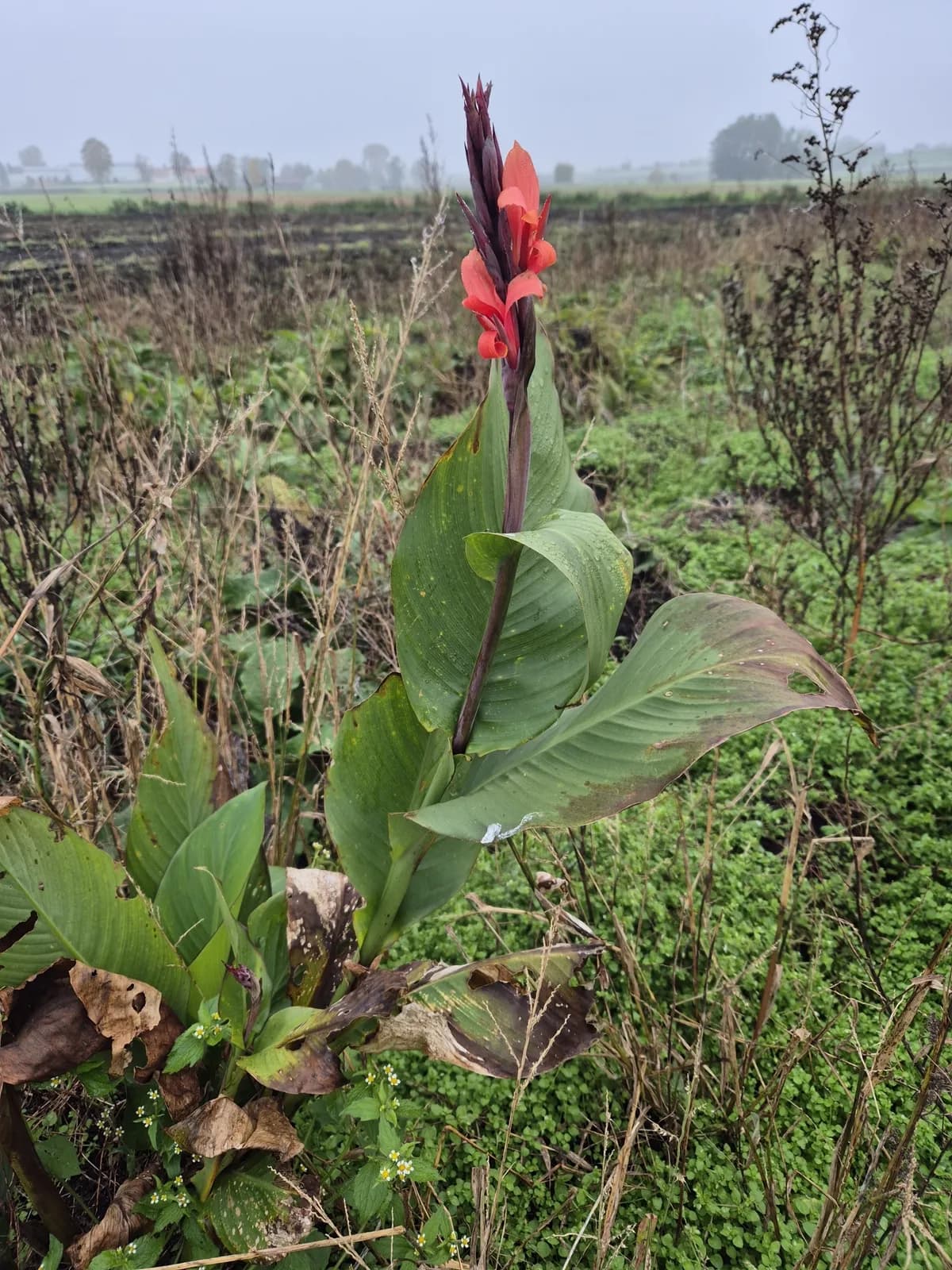
Indian Shot (Canna indica) is not on the ASPCA Animal Poison Control Center toxic plant list for dogs or cats (aspca.org (opens in new tab), last reviewed 2026-05-21). If your pet shows symptoms after eating any plant, call the ASPCA at (888) 426-4435.
Light
full sun
Water
high
Size
24"–72" H × 12"–36" W
Bloom
Jun, Jul, Aug, Sep
Pollinators
hummingbirds, bees
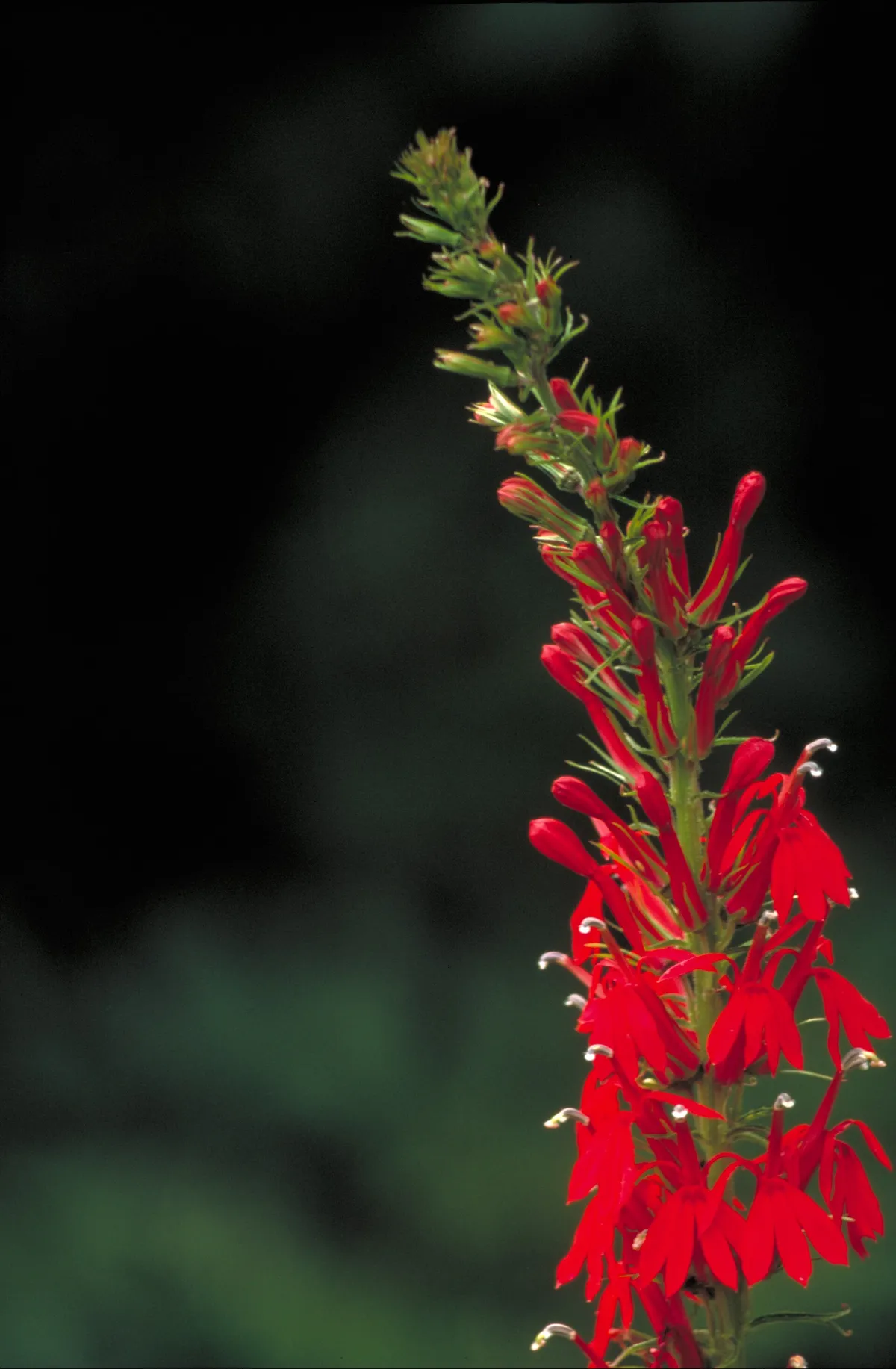
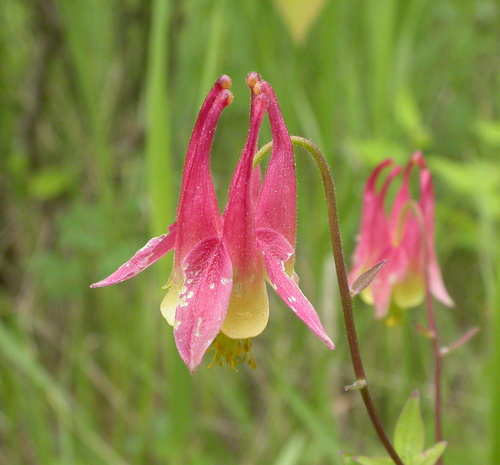
Native alternatives to Indian Shot
Indian Shot is not native to the United States. These natives fill a similar role in a planting, matched on bloom season, bloom color and mature size.

Before you buy
Your city may pay you to plant this
Cities and water utilities offer rebates for replacing lawn with native and water-wise plants. We track 459 programs across 44 states, each with a link to the provider and the date we last checked it.
Find rebates in your areaPicture natives in your own yard
Wondering what could grow where Indian Shot is now? Upload a photo of the spot and Patch Vision shows a rendering of it replanted with natives for your region.


Canna indica is a tall perennial with broad tropical-looking leaves and showy orange or red flowers that bloom from summer through early fall. This vigorous plant forms clumps and requires consistent moisture to thrive in full sun locations.
Growing Indian Shot
Grow Indian Shot in full sun and high water. Mature plants reach 24 to 72 inches tall and spread 12 to 36 inches wide. Expect moderate maintenance to keep it looking intentional in a front yard.
How to care for Indian Shot, by region
How to care for Indian Shot where it is actually grown: year-round basics plus what to do each season, region by region, with the sources for each.
Care guidance last updated: October 2026
Cross Timbers (includes Fort Worth, TX)
Year-round
Canna indica likes sun and moist, well-drained soil, and it dies back to the ground at frost.
- Full sun or partial shade, and it tolerates sand, clay and loam.
- NC State lists hardiness as USDA zones 8a through 11b, which includes Fort Worth zone 8a at the edge.
- Blooms August to October and spent flowers can be removed to keep new ones coming.
Fall
Remove spent blooms, then cut the plant to the ground after the first frost.
- Individual blooms last 1 to 2 days, so removing spent flowers keeps blooming going.
- After the first fall frost, cut the plant down to the ground.
A cut-back clump leaves bare ground, so mulch or interplant if it faces the street.
Winter
Fort Worth is at the cold edge of its range, so mulch or lift the rhizomes in hard winters.
- NC State says outside zones 8a to 11b the rhizomes are lifted for winter.
- To store, keep them in dry peat or vermiculite somewhere cool above 40 F and mist occasionally so they do not shrivel.
- Potted plants can overwinter in their pots.
Spring
Plant rhizomes in spring after the last frost.
- Set rhizomes 4 to 6 inches deep after frost danger has passed.
- Space them about 3 feet apart per NC State, or 18 to 24 inches for canna in general per Missouri Botanical Garden.
- Divide rhizome clumps in spring before replanting.
Summer
Keep the soil evenly moist but well drained through summer.
- Rhizomes may rot in poorly drained, wet soil, which matters in Fort Worth clay.
- Watch for leaf spots, rust, Japanese beetles and leaf rollers.
Sources: NC State Extension Plant Toolbox: Canna indica, Missouri Botanical Garden Plant Finder: Canna (group)
In an HOA neighborhood
Indian Shot takes more care to keep looking intentional in a front yard. Maintenance level: moderate. Consider it for backyard or mid-zone beds rather than the street edge.
Works well in: backyard only.
- Very tropical appearance may seem out of place
- Can spread aggressively and look overgrown
- Dies back dramatically in winter leaving bare spots
Wildlife value
The bright tubular flowers are particularly attractive to hummingbirds and also draw bees during the long blooming season from June through September.
Common questions
- When does Canna indica bloom?
- Canna indica typically flowers from June through September, producing spikes of red blooms through most of the summer.
- What pollinators visit Canna indica?
- Hummingbirds and bees are the most frequent visitors, drawn to the bright, tubular flowers held above the foliage.
- How much water does Canna indica need?
- This plant prefers consistently moist to wet soil and grows well at pond edges, in rain gardens, or in low spots that stay damp through summer.
- How much light does Canna indica need?
- Full sun brings out the best flowering and foliage color, though it will tolerate part sun with somewhat reduced bloom.
- Is Indian Shot toxic to dogs?
- Indian Shot is not on the ASPCA Animal Poison Control Center toxic plant list for dogs (aspca.org).
- Is Indian Shot toxic to cats?
- Indian Shot is not on the ASPCA Animal Poison Control Center toxic plant list for cats (aspca.org).
- Is Indian Shot HOA-friendly?
- Indian Shot takes more care to look intentional in a front yard. Consider it for backyard or mid-zone beds rather than the street edge.
These answers were drafted with an AI model from this plant's data. Verify care details with a local expert.
Pollinator and host plant associations compiled from GBIF, iNaturalist, and published ecological literature.
If something looks wrong
Common plant problems, and what to check first
These come up on almost any plant. Each guide lists the likely causes in the order they are worth ruling out, with one thing to check before you act on any of them, and links to the source it came from.
- It is dying right after planting
- Leaves turning yellow
- Wilting even though I watered it
- Brown crispy leaf tips
- Bugs on the plant
Ready to grow Indian Shot? Add it to your garden in Pollinator Patch to track it and get season-by-season care guidance.