Lemon Sagewort
Artemisia michauxiana
Last reviewed: September 2026
Toxicity unknown
Lemon Sagewort (Artemisia michauxiana) is not listed by the ASPCA Animal Poison Control Center (opens in new tab) or the other sources we check, so we have no verdict for it either way. Absence from those lists is not a clearance. If your pet shows symptoms after eating any plant, call the ASPCA at (888) 426-4435.
Light
full sun
Water
low
Size
8"–24" H × 8"–18" W
Bloom
Jul, Aug, Sep
Native to
CA, CO, ID, MT and 5 more states
Pollinators
bees, beetles
Before you buy
Your city may pay you to plant this
Cities and water utilities offer rebates for replacing lawn with native and water-wise plants. We track 459 programs across 44 states, each with a link to the provider and the date we last checked it.
Find rebates in your areaPicture natives in your own yard
Upload a photo of your yard and Patch Vision shows a rendering of it planted with natives for your region, like Lemon Sagewort.


Browse plants for this ecoregion
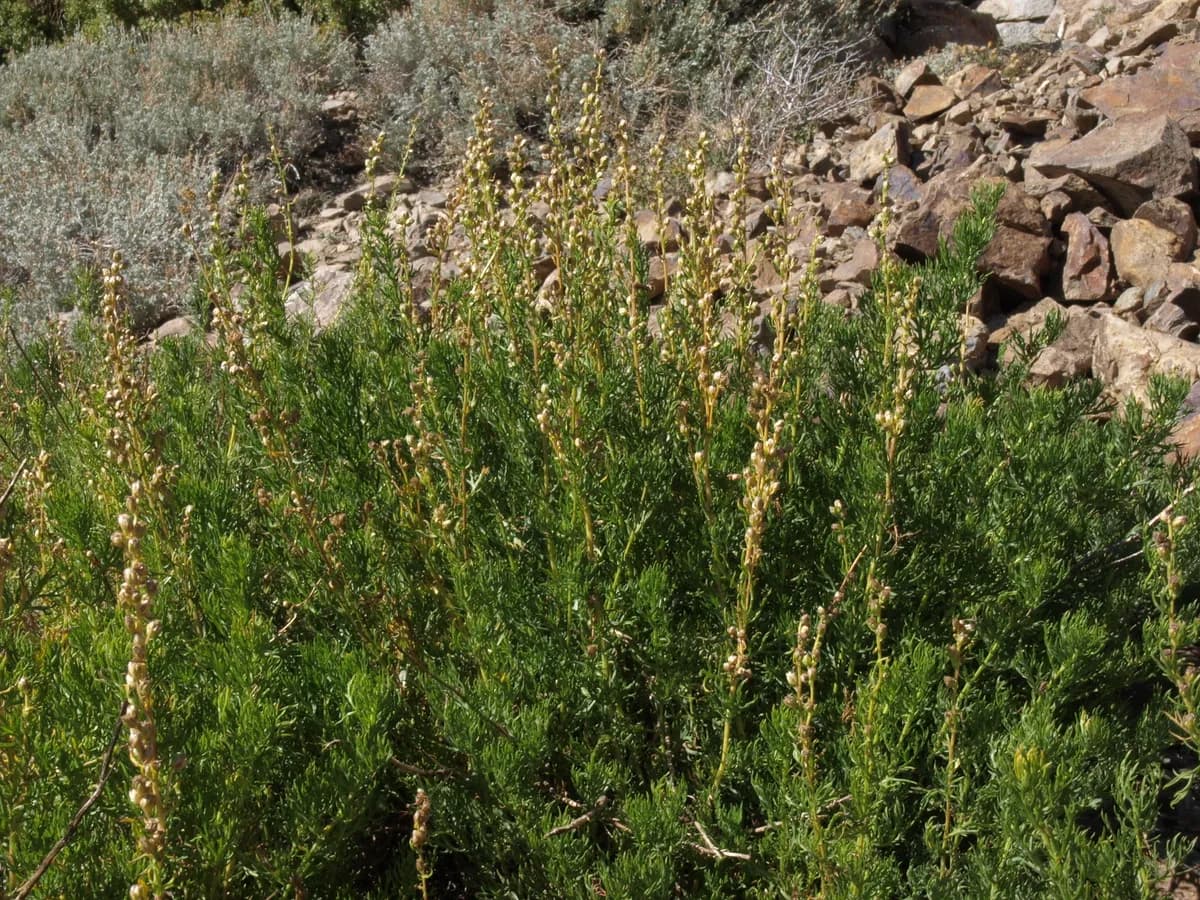
Lemon sagewort is a compact native perennial with aromatic, silvery-green foliage that forms neat clumps. It produces small yellow flowers from July through September and goes dormant in winter, losing its leaves completely.
How to care for Lemon Sagewort, by region
How to care for Lemon Sagewort where it is actually grown: year-round basics plus what to do each season, region by region, with the sources for each.
Care guidance last updated: September 2026
Piedmont (includes Atlanta, GA)
Year-round
Lemon sagewort comes from dry, rocky mountainsides out west. In Atlanta the main job is keeping its roots dry and giving it room to breathe.
- Plant it in full sun with soil that drains fast. In Atlanta's clay, work in coarse sand or grit, or plant it on a raised bed or slope so water doesn't pool around the roots.
- Water only when the top couple inches of soil are dry. Once established, this plant prefers things on the dry side and does not need regular watering.
- Give plants extra spacing so air moves freely through the foliage. Crowded, damp growth is what causes rot in a humid climate like Georgia's, not cold.
- This exact species hasn't been individually tested, but other Artemisia species like tarragon are on the ASPCA's toxic plant list for dogs, cats, and horses. Until it's confirmed otherwise, plant it somewhere pets won't chew on it.
Fall
Fall is when the yellow blooms finish and it's time to tidy the plant up before winter.
- This plant blooms yellow from around July into September. Once flowering wraps up in fall, cut back the spent flower stalks to keep the bed looking tended.
- Leave the lower foliage in place through fall rather than cutting the whole plant to the ground. Full cutback waits until late winter or early spring, right before new growth starts.
- Fall is a reasonable time to check drainage before winter rains arrive. If water tends to sit anywhere near the plant after a storm, it is worth fixing that now rather than waiting.
Cutting back the spent flower stalks in fall keeps a front-yard planting looking intentional and tended rather than left to go to seed.
Winter
Atlanta's winters are nowhere near cold enough to bother this plant. Wet soil, not frost, is the real risk.
- This species is hardy down to USDA zone 3, and Atlanta sits in zone 7b, so winter cold here is not a concern for an established plant.
- Wet winter soil is the actual risk. This plant does not tolerate wet soil or soggy winter conditions, so make sure the site drains well going into the wetter part of the year.
- Leave the dried stems standing through winter for structure, then cut them back to the ground in late winter before spring growth starts.
Dried stems left standing through winter read as an intentional dried-seedhead look rather than an unkept bed, especially if the clump is kept contained rather than left to sprawl.
Spring
Spring is cleanup and dividing season for this plant in Atlanta, once the last frost has passed in mid-March.
- After Atlanta's average last frost date (around March 21), cut back any winter-damaged stems down to the new growth coming up from the base. This keeps the plant from getting woody over the years.
- If a clump looks bare or overly woody in the middle, spring is the best time to dig it up and divide it, while the plant is small and the roots are easy to separate.
- Skip extra watering in spring. Atlanta's spring rain is usually enough on its own, and adding more increases the odds of root rot while the plant is still establishing.
Summer
Atlanta's hot, humid summers are the toughest stretch for a plant built for dry mountain air, so the goal is staying dry, not staying watered.
- This plant is used to dry, high-elevation air, so Georgia's summer humidity is its biggest stress, not the heat itself. Keep it in the sunniest, best-drained spot in the yard.
- Water only during an extended dry spell. Once established, this plant handles Atlanta's on-and-off summer thunderstorm pattern fine without extra watering, and too much water is a bigger risk than too little.
- If stems near the base turn soft or mushy after a wet stretch, that's root rot from too much moisture sitting around the crown, not a pest problem. Cut back watering and improve air flow around the plant.
Sources: Plants For A Future - Artemisia michauxiana growing conditions (community tip), NC State Extension Gardener Plant Toolbox - Artemisia (genus care, applies broadly across sagewort/wormwood species), ASPCA Toxic and Non-Toxic Plants - Tarragon (Artemisia dracunculus, a genus relative, not this exact species), Lady Bird Johnson Wildflower Center - Artemisia michauxiana (bloom period, native range), National Weather Service Peachtree City/Atlanta - Frost and Freeze Information
In an HOA neighborhood
Lemon Sagewort takes more care to keep looking intentional in a front yard. Maintenance level: low. Consider it for backyard or mid-zone beds rather than the street edge.
Works well in: backyard only.
- Goes completely dormant leaving bare stems in winter
- Can appear weedy or unkempt during dormant season
- Yellow flowers may look too wild for formal landscaping
Wildlife value
This plant attracts bees and beetles during its summer blooming period. The seeds also provide food for small birds and wildlife.
Common questions
- How much sun does Lemon Sagewort need?
- Lemon Sagewort grows best in full sun conditions.
- When does Lemon Sagewort bloom?
- Lemon Sagewort blooms in July, August, and September.
- Where is Lemon Sagewort native?
- Lemon Sagewort (Artemisia michauxiana) is native to CA, CO, ID, MT and 5 more states, per vouchered herbarium specimen records and regional native plant society lists.
- What pollinators does Lemon Sagewort attract?
- Lemon Sagewort draws bees and beetles.
- Is Lemon Sagewort HOA-friendly?
- Lemon Sagewort takes more care to look intentional in a front yard. Consider it for backyard or mid-zone beds rather than the street edge.
Native range data from vouchered herbarium specimen records and regional native plant society lists. Pollinator and host plant associations compiled from GBIF, iNaturalist, and published ecological literature.
If something looks wrong
Common plant problems, and what to check first
These come up on almost any plant. Each guide lists the likely causes in the order they are worth ruling out, with one thing to check before you act on any of them, and links to the source it came from.
- It is dying right after planting
- Leaves turning yellow
- Wilting even though I watered it
- Brown crispy leaf tips
- Bugs on the plant
Ready to grow Lemon Sagewort? Add it to your garden in Pollinator Patch to track it and get season-by-season care guidance.