Panicle Hydrangea
Hydrangea paniculata
Last reviewed: September 2026
Panicle Hydrangea (Hydrangea paniculata) is a perennial shrub. It blooms in July, August, and September.
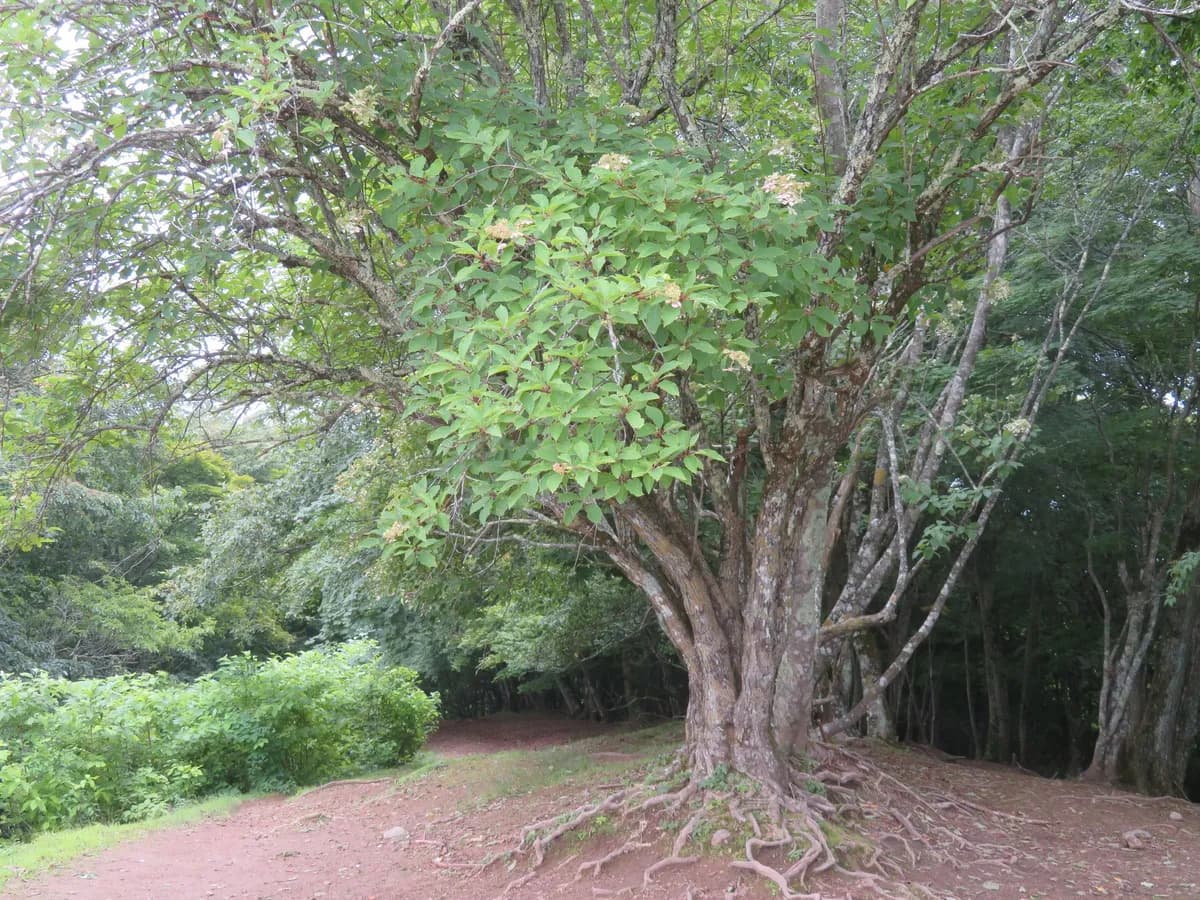
Panicle Hydrangea is toxic to dogs and cats.
Listed as toxic by the NC State Extension Gardener Plant Toolbox (opens in new tab) (last reviewed 2026-08-20). If your pet has been exposed, call the ASPCA Animal Poison Control Center at (888) 426-4435 and your veterinarian's emergency line.
Pollinator Patch flags toxic plants so you can choose a pet-safe native alternative for your yard.
Light
full sun
Water
medium
Size
60"–120" H × 60"–96" W
Bloom
Jul, Aug, Sep
Native alternatives to Panicle Hydrangea
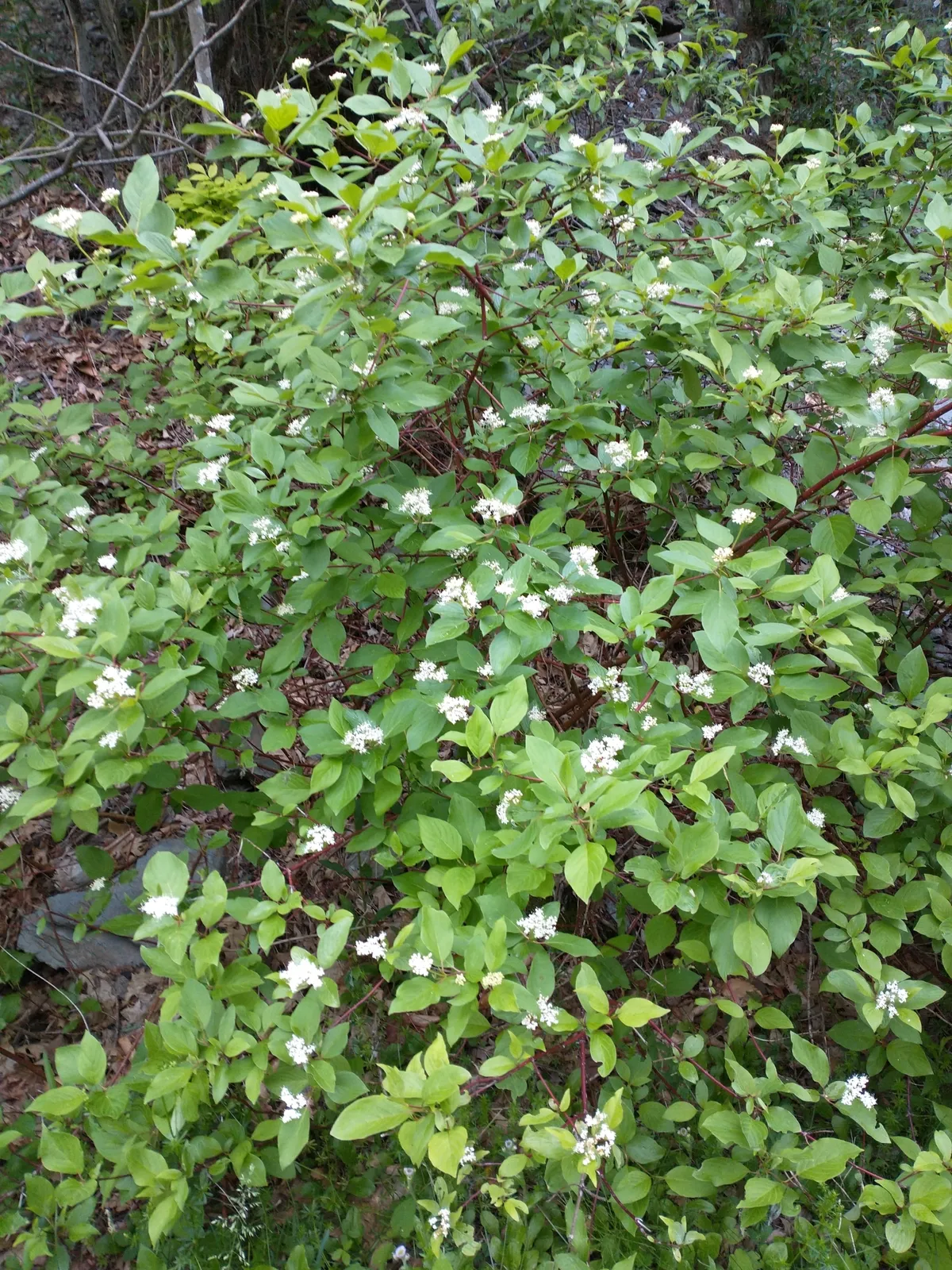
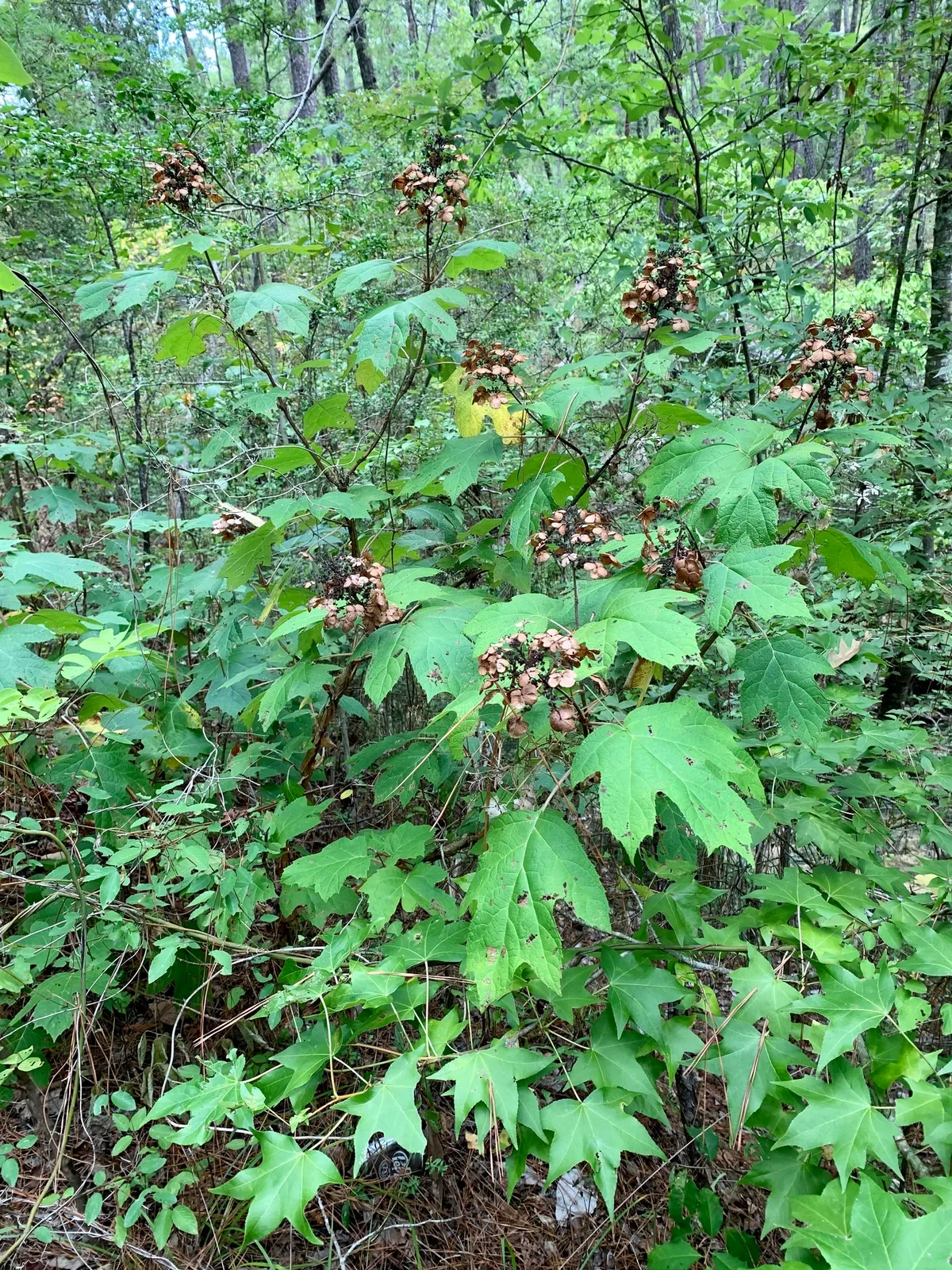
Panicle Hydrangea is not native to the United States. These natives fill a similar role in a planting, matched on bloom season, bloom color and mature size.
Before you buy
Your city may pay you to plant this
Cities and water utilities offer rebates for replacing lawn with native and water-wise plants. We track 458 programs across 44 states, each with a link to the provider and the date we last checked it.
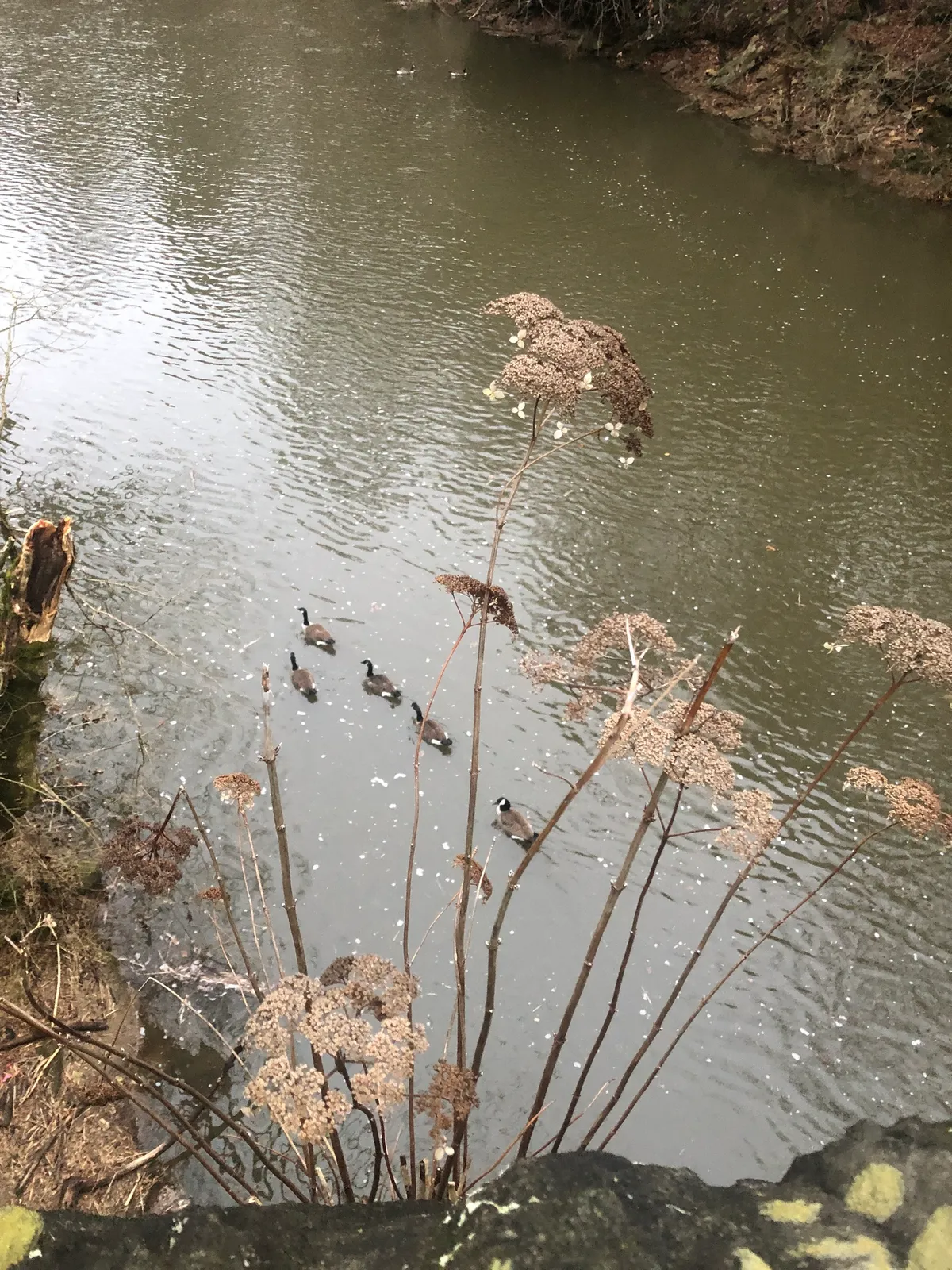
Find rebates in your areaAn upright deciduous shrub with cone shaped flower clusters that open white and age to pink or tan. It blooms on new wood, so it can be cut back hard in late winter without losing flowers. The most sun tolerant and cold hardy of the common hydrangeas.
Growing Panicle Hydrangea
Grow Panicle Hydrangea in full sun and medium water. Mature plants reach 60 to 120 inches tall and spread 60 to 96 inches wide. Expect low maintenance to keep it looking intentional in a front yard.
How to care for Panicle Hydrangea, by region
How to care for Panicle Hydrangea where it is actually grown: year-round basics plus what to do each season, region by region, with the sources for each.
Care guidance last updated: September 2026
Western Corn Belt Plains (includes Des Moines, IA)
Year-round
Panicle hydrangea is a tough, cold-hardy shrub that does well in the Des Moines area. It is not native to the region (it comes from Japan, China, and Korea) but it is a common, reliable landscape plant here because it handles Iowa winters and clay soil better than most other hydrangea types.
- Give it full sun to partial shade and moist, well-drained soil. Iowa's clay-heavy soil holds water, so mix in compost at planting time so roots do not sit soggy.
- It blooms on new wood (the stems that grow each spring), which is why it survives a hard Iowa winter and still flowers reliably the same year.
- It is hardy through Des Moines winters (roughly USDA zone 5), so no digging up or moving indoors for winter.
- Hydrangea contains a compound called cyanogenic glycoside and is listed as toxic to dogs, cats, and horses, usually causing vomiting or diarrhea if chewed. Keep an eye on pets that like to chew leaves or flower heads.
Fall
As Des Moines cools toward the first fall frost in early to mid October, the shrub's flowers fade to deeper pink or tan and the plant starts shutting down for winter on its own.
- Let the fading flower heads stay on the plant. They add fall and winter interest and the seed heads offer some cover for overwintering insects.
- Cut back on extra watering once nights turn cool, but do not let the root zone dry out completely before the ground freezes.
- Do not prune in fall. Pruning cuts now can encourage new growth that will not have time to harden off before winter cold.
- A fresh 2 to 3 inch layer of mulch in late fall helps protect the root zone through Iowa's freeze and thaw cycles.
Leaving the dried flower heads up through fall is an accepted look for this plant and reads as a deliberate seasonal choice rather than an untidy yard.
Winter
Panicle hydrangea is one of the most winter-hardy hydrangeas around, so a Des Moines winter on its own is not a major threat. Cold snaps can still kill back some stem tips, but because it blooms on new wood, the plant recovers and flowers again the next summer.
- This species tolerates temperatures well below what Des Moines typically sees in winter, so no wrapping or covering is needed for an established plant.
- If a stem tip looks dead or shriveled in late winter, wait until new growth starts to decide how far back to prune. It will show you where it is still alive.
- Heavy, wet snow can bend or snap branches. A light shake-off after a heavy snowfall can prevent breakage.
- The bare woody stems and dried flower heads still standing through winter are a normal look for this shrub, not a sign of a dead plant.
A dried, standing shrub through winter is a normal seasonal look for this plant, not neglect, so no action is needed for curb appeal until spring pruning.
Spring
Spring is pruning time for this shrub in Des Moines. Cut it back before new leaves fill in, and it will still bloom heavily later in the summer.
- Prune in March or early April, before new growth starts, since Des Moines' last frost usually falls around late April.
- Cut back last year's stems and remove a few of the oldest, thickest stems at the base to keep the shrub full instead of leggy.
- Because flowers form on new wood, pruning now does not reduce this year's blooms. It usually makes them bigger.
- Wait to fertilize until new leaves are fully out, and avoid heavy nitrogen, which pushes leafy growth over flowers.
A hard spring pruning back to a low, tidy framework keeps the shrub a manageable, uniform size at the front of the house, which reads as neat and HOA-friendly through the summer.
Summer
This is bloom season. The cone-shaped flower clusters usually do not open until July in Iowa, later than other hydrangea types, then slowly shift from creamy white to pink as summer goes on.
- Keep soil consistently moist through Des Moines' warm, sometimes humid summer stretches, especially for a shrub planted in the last year or two.
- Water at the base rather than overhead to help avoid leaf fungal spots in humid weather.
- A layer of mulch over the root zone helps the clay soil hold moisture between waterings and keeps weeds down.
- No need to deadhead for repeat bloom (it only flowers once per season on new wood), but you can snip spent blooms anytime for a tidier look.
The big, cone-shaped flower heads read as a well-kept, intentional planting from the street, and trimming off spent blooms keeps the front yard looking cared for.
Sources: Iowa State University Extension, Hydrangeas for Iowa, ASPCA, Toxic and Non-Toxic Plants: Hydrangea, Iowa State University Extension, Pruning Hydrangeas
In an HOA neighborhood
Panicle Hydrangea is an HOA-friendly choice. Maintenance level: low. Tidiness: 4 out of 5.
Works well in: front yard, foundation bed, border.
Wildlife value
Flowers offer nectar that generalist visitors will use, but as a non-native it feeds no local caterpillars. Treat it as garden interest rather than habitat.
Common questions
- How much sun does Panicle Hydrangea need?
- Panicle Hydrangea grows best in full sun conditions.
- When does Panicle Hydrangea bloom?
- Panicle Hydrangea blooms in July, August, and September.
- Is Panicle Hydrangea toxic to dogs?
- Yes. Panicle Hydrangea is listed as toxic to dogs by the NC State Extension Gardener Plant Toolbox (aspca.org). If your pet has been exposed, call the ASPCA Animal Poison Control Center at (888) 426-4435.
- Is Panicle Hydrangea toxic to cats?
- Yes. Panicle Hydrangea is listed as toxic to cats by the NC State Extension Gardener Plant Toolbox (aspca.org). If your cat has been exposed, call the ASPCA Animal Poison Control Center at (888) 426-4435.
- Is Panicle Hydrangea HOA-friendly?
- Panicle Hydrangea is generally an HOA-friendly choice in the right placement, with low maintenance.
Pollinator and host plant associations compiled from GBIF, iNaturalist, and published ecological literature.
If something looks wrong
Common plant problems, and what to check first
These come up on almost any plant. Each guide lists the likely causes in the order they are worth ruling out, with one thing to check before you act on any of them, and links to the source it came from.
- It is dying right after planting
- Leaves turning yellow
- Wilting even though I watered it
- Brown crispy leaf tips
- Bugs on the plant
Pollinator Patch flags toxic plants like Panicle Hydrangea and shows pet-safe natives for your ecoregion instead.