Peach
Prunus persica
Last reviewed: October 2026
Peach (Prunus persica) is a perennial tree. It blooms in March and April. The flowers draw bees.

Peach is toxic to dogs and cats.
Listed as toxic by the ASPCA Animal Poison Control Center (opens in new tab) (last reviewed 2026-08-15). If your pet has been exposed, call the ASPCA Animal Poison Control Center at (888) 426-4435 and your veterinarian's emergency line.
Pollinator Patch flags toxic plants so you can choose a pet-safe native alternative for your yard.
Light
full sun
Water
medium
Size
180"–360" H × 180"–360" W
Bloom
Mar, Apr
Pollinators
bees
Native alternatives to Peach
Peach is not native to the United States. These natives fill a similar role in a planting, matched on bloom season, bloom color and mature size.
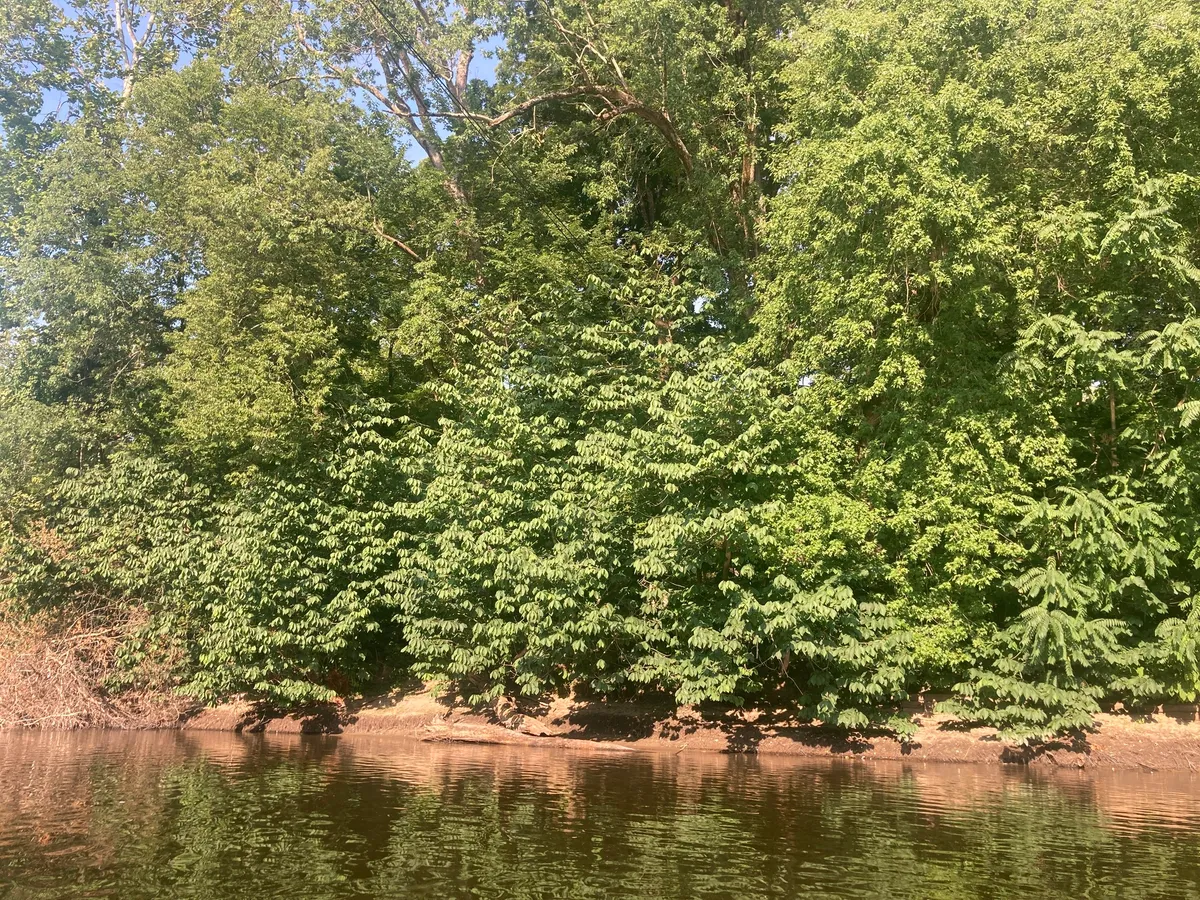
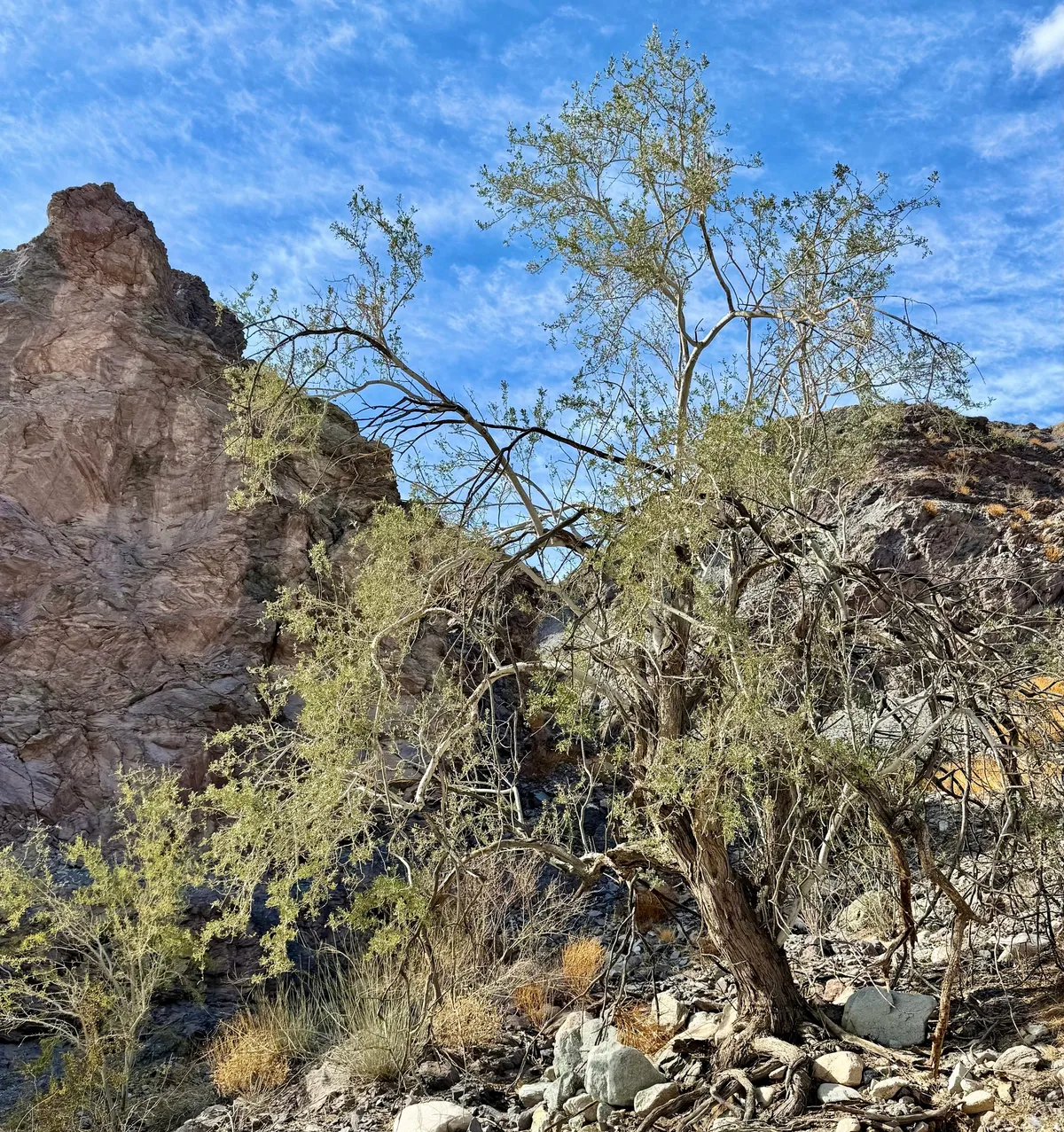
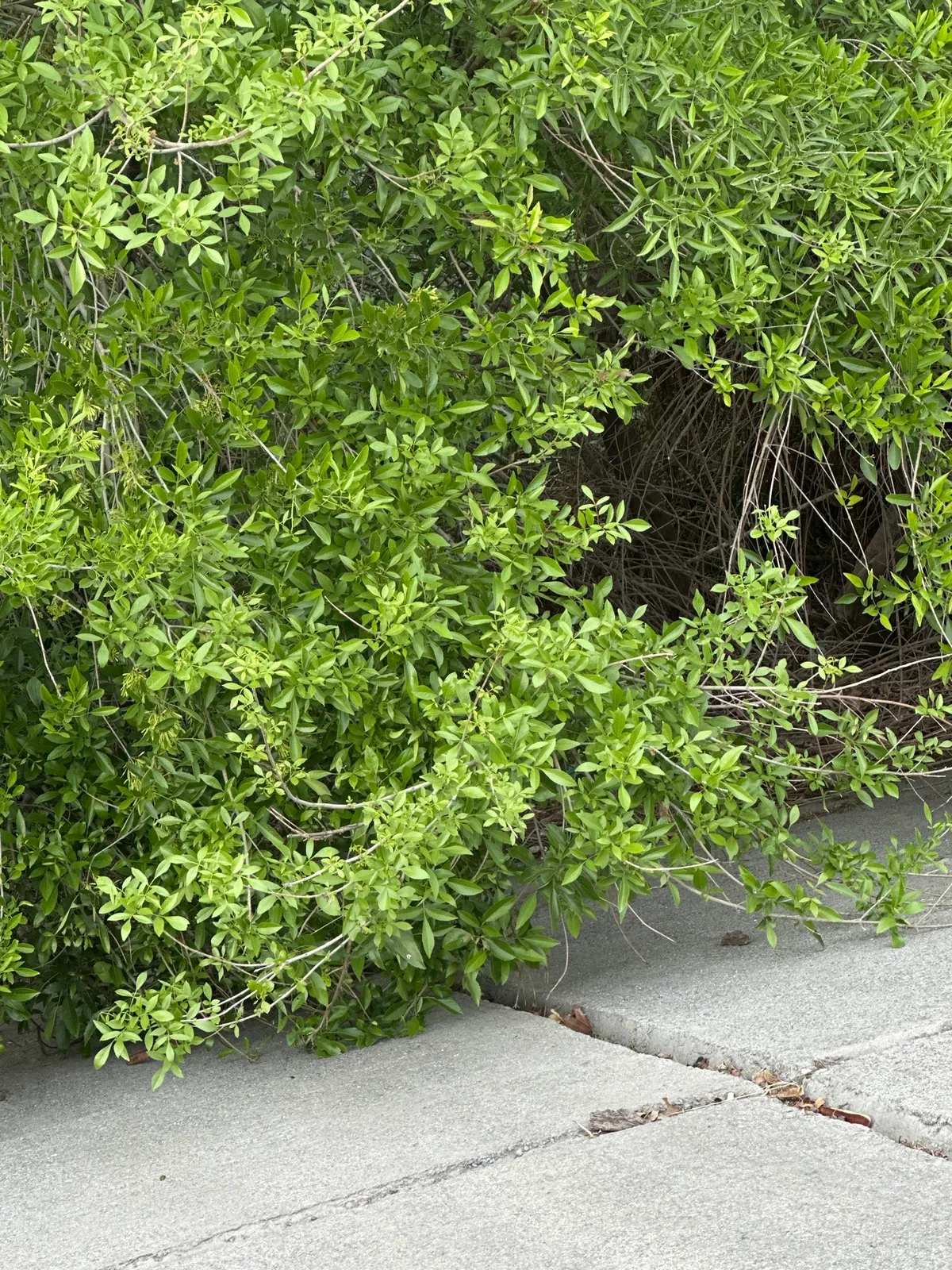
Before you buy
Your city may pay you to plant this
Cities and water utilities offer rebates for replacing lawn with native and water-wise plants. We track 459 programs across 44 states, each with a link to the provider and the date we last checked it.
Find rebates in your areaPicture natives in your own yard
Wondering what could grow where Peach is now? Upload a photo of the spot and Patch Vision shows a rendering of it replanted with natives for your region.


Peach trees produce beautiful pink flowers in early spring followed by edible fruit in summer. These deciduous trees reach 15-30 feet tall and wide with an open, spreading canopy that provides moderate shade.
Growing Peach
Grow Peach in full sun and medium water. Mature plants reach 180 to 360 inches tall and spread 180 to 360 inches wide. Expect high maintenance to keep it looking intentional in a front yard.
How to care for Peach, by region
How to care for Peach where it is actually grown: year-round basics plus what to do each season, region by region, with the sources for each.
Care guidance last updated: October 2026
Cross Timbers (includes Fort Worth, TX)
Year-round
Year-round care for peach around Fort Worth, TX: full sun, soil that never stays wet, and yearly pruning and thinning.
- Plant where water never stands. Peach roots fail in soggy soil, so on heavy ground a raised bed 12 to 18 inches high helps.
- Soil pH of 6 to 7 suits it best. On heavy, alkaline soil, a tree on Lovell or Halford rootstock takes up iron and zinc better than one on Nemaguard.
- Plant on a rise if you can. Cold air settles in low spots, and a late spring frost during bloom is the biggest risk to a Texas peach crop.
- Keep grass and weeds off the root zone, especially in the first two years, with mulch or a weed-free circle under the tree.
- Expect the first real crop in the third or fourth year.
Fall
Fall care for peach around Fort Worth, TX: keep young trees watered so new limbs harden before winter.
- Keep a young tree in leaf into fall with steady water and weed control, so its new main limbs harden off before winter.
- Water a first-year tree about 21 gallons a week in September and a second-year tree about 28, unless fall rain arrives.
- If the soil has not been tested in 3 to 5 years, test it now to check pH and nutrients.
Winter
Winter care for peach around Fort Worth, TX: plant while dormant, and prune about 40 percent of the tree.
- Plant new trees from December through early March while they are dormant, at the depth they grew in the nursery, and water them in.
- Cut a new tree back to a single trunk 24 to 36 inches tall. After the first season, keep three or four main limbs in an open, vase-like shape.
- Prune every winter, removing about 40 percent of the tree. Peaches fruit only on last year's growth, so keep plenty of red shoots 18 to 24 inches long.
- Clear suckers and shoots from the lowest 3 feet, and old gray wood between 3 and 7 feet. With just a few trees you can wait until the pink bud stage, just before bloom.
- Varieties are rated by winter chill, the hours at or below 45 F. Pick one within about 100 hours of your area's average: too little and it blooms into frost, too much and it may not set fruit. Your county Extension office knows the local figure.
Spring
Spring care for peach around Fort Worth, TX: thin the young fruit, feed young trees, and start regular watering.
- Thin within 4 to 6 weeks after bloom, leaving one peach every 6 to 8 inches along the branch. Fewer fruit grow larger and taste better.
- A first-year tree gets fertilizer only if it has grown 8 to 10 inches by May: then 1 cup of nitrogen fertilizer, spread at least 18 inches from the trunk.
- A second-year tree gets 1 cup at the start of March, April, May and June, and a third-year tree 2 cups each time. Stop if the tree stops growing.
- Keep fertilizer away from the trunk. It is a salt and can burn young roots.
- Water a first-year tree about 7 gallons a week in April and May, and a second-year tree about 14, adjusting for rain.
Summer
Summer care for peach around Fort Worth, TX: deep watering through the heat, and harvest when the fruit is firm-ripe.
- Young trees need the most water in July and August: about 28 gallons a week in the first year and 56 in the second.
- From the third year on, give the equivalent of 1 inch of water a week whenever it does not rain.
- Pick when the fruit is firm-ripe, with a red blush over a yellow background. Peaches picked then finish ripening well.
- Right after harvest, cut out the vigorous upright shoots shading the middle of the tree.
- Plum curculio, peach tree borers, brown rot and bacterial spot are common Texas peach problems. Your county Extension office can tell you what to watch for.
Sources: Texas A&M AgriLife Extension: Texas Fruit and Nut Production: Peaches (EHT-022)
Piedmont (includes Atlanta, GA)
Year-round
Peach trees need full sun, soil that drains well, and steady seasonal attention to fruit well in the Atlanta area. Georgia's heat and humidity mean disease and pest pressure show up most years, so plan on a routine rather than a one-and-done planting.
- Pick a spot with 8 to 10 hours of direct sun and soil that drains well. Standing water around the roots is the top cause of a struggling tree.
- Choose a variety bred for at least 500 to 800 hours of winter chill below 45 degrees. Atlanta's piedmont climate calls for a higher-chill variety than the low-chill types sold for south Georgia or Florida.
- Keep four main scaffold limbs in an open vase shape so light reaches the middle of the canopy. Remove any shoots that pop up below the graft point.
- Georgia's hot, humid summers bring disease and pest pressure most years. Plan on a spray routine or accept some fruit loss as part of growing this tree here.
- Wilted leaves, stems, and pits contain cyanogenic compounds that are toxic to dogs, cats, and horses. Keep prunings and fallen branches out of pets' reach.
A mature peach tree can spread 12 to 25 feet depending on rootstock, so place it where the canopy won't crowd a sidewalk, fence line, or a neighbor's yard.
Fall
Fall is cleanup season for peach trees. Clearing fallen fruit and leaves now cuts down on the disease that shows up again next spring.
- Rake up and remove any fruit or leaves left on the ground under the tree. This leftover material carries brown rot spores into next year's blooms.
- UGA's home fertilizing schedule for young trees runs through a July application and stops there, so an established tree doesn't need another feeding this fall.
- Look over the branches for sunken, discolored cankers and prune them out. These cankers overwinter and reinfect next spring's blooms.
- Save major structural pruning for full winter dormancy, but fall is a good time to pull down and destroy any mummified fruit still hanging in the branches.
A cleared, leaf-free bed under the tree reads as tended from the street. This is the cleanup pass that does the most for fall curb appeal on a fruit tree.
Winter
Winter is dormant pruning season, and the right time to plant a new peach tree in the Atlanta area.
- Prune while the tree is fully dormant and before buds swell in late winter, keeping the open vase shape with four main scaffold limbs.
- Plant a new tree while it's dormant, roughly December through February in Georgia. Skip low spots in the yard where cold air settles and can damage a young tree.
- Pull down and destroy any mummified fruit still hanging in the branches before bud break. Clearing it out now removes a big share of next spring's disease spores.
- Match the variety's chill hour need against what your area actually gets. Most peaches want 500 to 800 hours below 45 degrees, and a mismatch shows up as thin or uneven bloom next spring.
A cleanly pruned, open vase shape looks intentional through the bare winter months instead of overgrown. It's worth doing even if fruit isn't the main goal.
Spring
Late winter into spring is bloom and pruning season for peach trees in the Atlanta area, and a late frost after the blooms open is the main early-season risk.
- Finish dormant pruning before new growth starts, keeping the four-limb open vase shape.
- Watch for pink buds and open blooms from late February into March. A frost after the blooms open can wipe out the year's fruit. The chill hour system holds blooms back through the coldest part of winter, but it doesn't guard against a late cold snap.
- Once the petals drop, start a fungicide rotation on a 7 to 10 day schedule to manage brown rot. Hold off on insecticide during bloom so pollinators aren't harmed.
- Hand thin the fruit to one every 6 to 8 inches once they reach about three-quarters of an inch across. This cuts down on crowding that spreads brown rot between fruit and helps the ones you keep grow larger.
Bag or haul away prunings rather than leaving a brush pile at the curb. A tidy pruning pass keeps the front yard looking cared for headed into spring.
Summer
Summer is fruit development and peak disease pressure for peach trees here. Atlanta's heat and humidity push brown rot and dropped fruit into most growing seasons.
- Water deeply during dry stretches, especially while fruit is sizing up. Aim for even moisture rather than soggy soil, since poor drainage is the top cause of a struggling tree.
- Keep the brown rot spray rotation going on a 7 to 10 day schedule through harvest. Skip insecticide in the mix while bees are working the tree.
- Pick up any fruit that drops or shows tan to brown soft spots as soon as you see it. Leaving it on the ground lets the fungus carry over into next year.
- Plum curculio and brown rot are close to a given most years in Georgia's summer humidity, so some fruit loss is normal even with a spray plan.
Rotting fruit left on the ground draws yellow jackets and looks unkempt from the street. A daily pickup pass during peak ripening keeps the yard tidy.
Sources: ASPCA: Peach (Prunus persica) toxicity, UGA Extension: Home Garden Peaches (C1063), UGA CAES: Georgia's peach crop lacks sufficient chill hours, UGA Extension Bartow County: Brown Rot on Peaches, UGA Extension Barrow County: Georgia Peaches...or not
Texas Blackland Prairies (includes Dallas, TX)
Year-round
Year-round care for peach around Dallas, TX: full sun, soil that never stays wet, and yearly pruning and thinning.
- Plant where water never stands. Peach roots fail in soggy soil, so on heavy ground a raised bed 12 to 18 inches high helps.
- Soil pH of 6 to 7 suits it best. On heavy, alkaline soil, a tree on Lovell or Halford rootstock takes up iron and zinc better than one on Nemaguard.
- Plant on a rise if you can. Cold air settles in low spots, and a late spring frost during bloom is the biggest risk to a Texas peach crop.
- Keep grass and weeds off the root zone, especially in the first two years, with mulch or a weed-free circle under the tree.
- Expect the first real crop in the third or fourth year.
Fall
Fall care for peach around Dallas, TX: keep young trees watered so new limbs harden before winter.
- Keep a young tree in leaf into fall with steady water and weed control, so its new main limbs harden off before winter.
- Water a first-year tree about 21 gallons a week in September and a second-year tree about 28, unless fall rain arrives.
- If the soil has not been tested in 3 to 5 years, test it now to check pH and nutrients.
Winter
Winter care for peach around Dallas, TX: plant while dormant, and prune about 40 percent of the tree.
- Plant new trees from December through early March while they are dormant, at the depth they grew in the nursery, and water them in.
- Cut a new tree back to a single trunk 24 to 36 inches tall. After the first season, keep three or four main limbs in an open, vase-like shape.
- Prune every winter, removing about 40 percent of the tree. Peaches fruit only on last year's growth, so keep plenty of red shoots 18 to 24 inches long.
- Clear suckers and shoots from the lowest 3 feet, and old gray wood between 3 and 7 feet. With just a few trees you can wait until the pink bud stage, just before bloom.
- Varieties are rated by winter chill, the hours at or below 45 F. Pick one within about 100 hours of your area's average: too little and it blooms into frost, too much and it may not set fruit. Your county Extension office knows the local figure.
Spring
Spring care for peach around Dallas, TX: thin the young fruit, feed young trees, and start regular watering.
- Thin within 4 to 6 weeks after bloom, leaving one peach every 6 to 8 inches along the branch. Fewer fruit grow larger and taste better.
- A first-year tree gets fertilizer only if it has grown 8 to 10 inches by May: then 1 cup of nitrogen fertilizer, spread at least 18 inches from the trunk.
- A second-year tree gets 1 cup at the start of March, April, May and June, and a third-year tree 2 cups each time. Stop if the tree stops growing.
- Keep fertilizer away from the trunk. It is a salt and can burn young roots.
- Water a first-year tree about 7 gallons a week in April and May, and a second-year tree about 14, adjusting for rain.
Summer
Summer care for peach around Dallas, TX: deep watering through the heat, and harvest when the fruit is firm-ripe.
- Young trees need the most water in July and August: about 28 gallons a week in the first year and 56 in the second.
- From the third year on, give the equivalent of 1 inch of water a week whenever it does not rain.
- Pick when the fruit is firm-ripe, with a red blush over a yellow background. Peaches picked then finish ripening well.
- Right after harvest, cut out the vigorous upright shoots shading the middle of the tree.
- Plum curculio, peach tree borers, brown rot and bacterial spot are common Texas peach problems. Your county Extension office can tell you what to watch for.
Sources: Texas A&M AgriLife Extension: Texas Fruit and Nut Production: Peaches (EHT-022)
In an HOA neighborhood
Peach takes more care to keep looking intentional in a front yard. Maintenance level: high. Consider it for backyard or mid-zone beds rather than the street edge.
Works well in: front yard, mid zone.
- Requires regular pruning and maintenance
- Fruit drop can create mess if not harvested
Wildlife value
Spring blossoms attract bees and other pollinators. The fruit provides food for birds and small mammals when allowed to ripen.
Common questions
- When does Prunus persica bloom?
- Prunus persica blooms in March and April, producing pink flowers that attract bees and other pollinators.
- What pollinators visit Prunus persica?
- Bees are the primary pollinators of Prunus persica, visiting the spring flowers for nectar and pollen.
- Where is Prunus persica native?
- Prunus persica is documented as native to Virginia, though it is widely cultivated throughout many regions.
- Is Peach toxic to dogs?
- Yes. Peach is listed as toxic to dogs by the ASPCA Animal Poison Control Center (aspca.org). If your pet has been exposed, call the ASPCA Animal Poison Control Center at (888) 426-4435.
- Is Peach toxic to cats?
- Yes. Peach is listed as toxic to cats by the ASPCA Animal Poison Control Center (aspca.org). If your cat has been exposed, call the ASPCA Animal Poison Control Center at (888) 426-4435.
- Is Peach HOA-friendly?
- Peach takes more care to look intentional in a front yard. Consider it for backyard or mid-zone beds rather than the street edge.
These answers were drafted with an AI model from this plant's data. Verify care details with a local expert.
Pollinator and host plant associations compiled from GBIF, iNaturalist, and published ecological literature.
If something looks wrong
Common plant problems, and what to check first
These come up on almost any plant. Each guide lists the likely causes in the order they are worth ruling out, with one thing to check before you act on any of them, and links to the source it came from.
- It is dying right after planting
- Leaves turning yellow
- Wilting even though I watered it
- Brown crispy leaf tips
- Bugs on the plant
Pollinator Patch flags toxic plants like Peach and shows pet-safe natives for your ecoregion instead.