Rabbiteye blueberry
Vaccinium ashei
Last reviewed: October 2026
Toxicity unknown
Rabbiteye blueberry (Vaccinium ashei) is not listed by the ASPCA Animal Poison Control Center (opens in new tab) or the other sources we check, so we have no verdict for it either way. Absence from those lists is not a clearance. If your pet shows symptoms after eating any plant, call the ASPCA at (888) 426-4435.
Light
full sun
Water
medium
Size
48"–180" H × 48"–120" W
Bloom
Mar, Apr
Pollinators
bees
Native alternatives to Rabbiteye blueberry
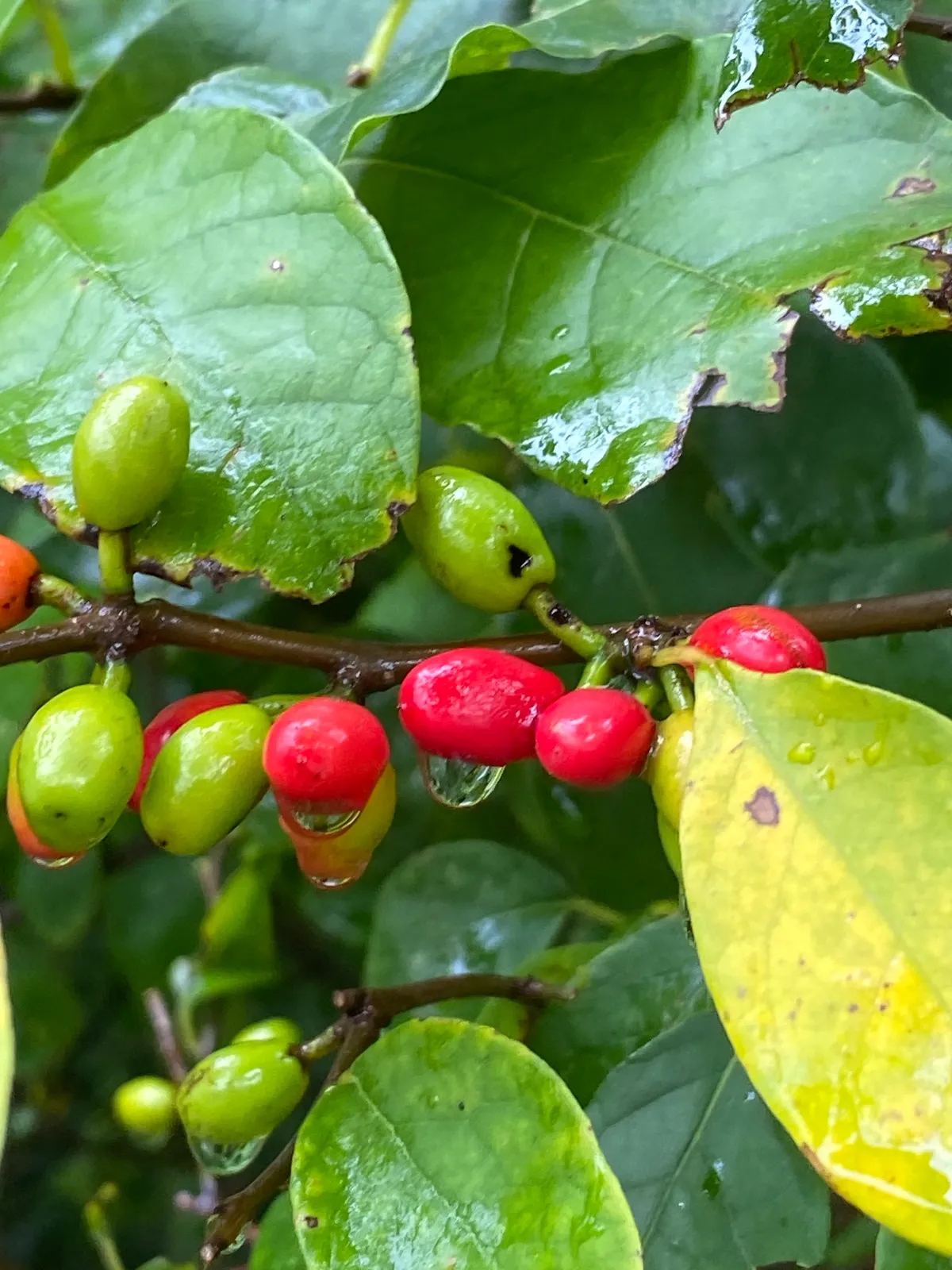
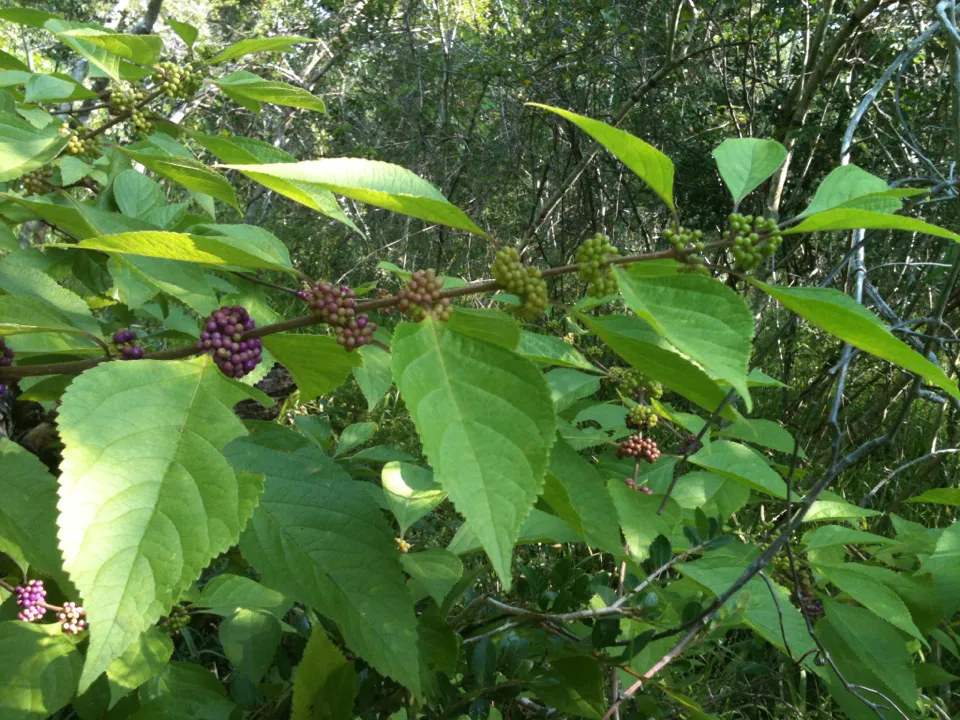
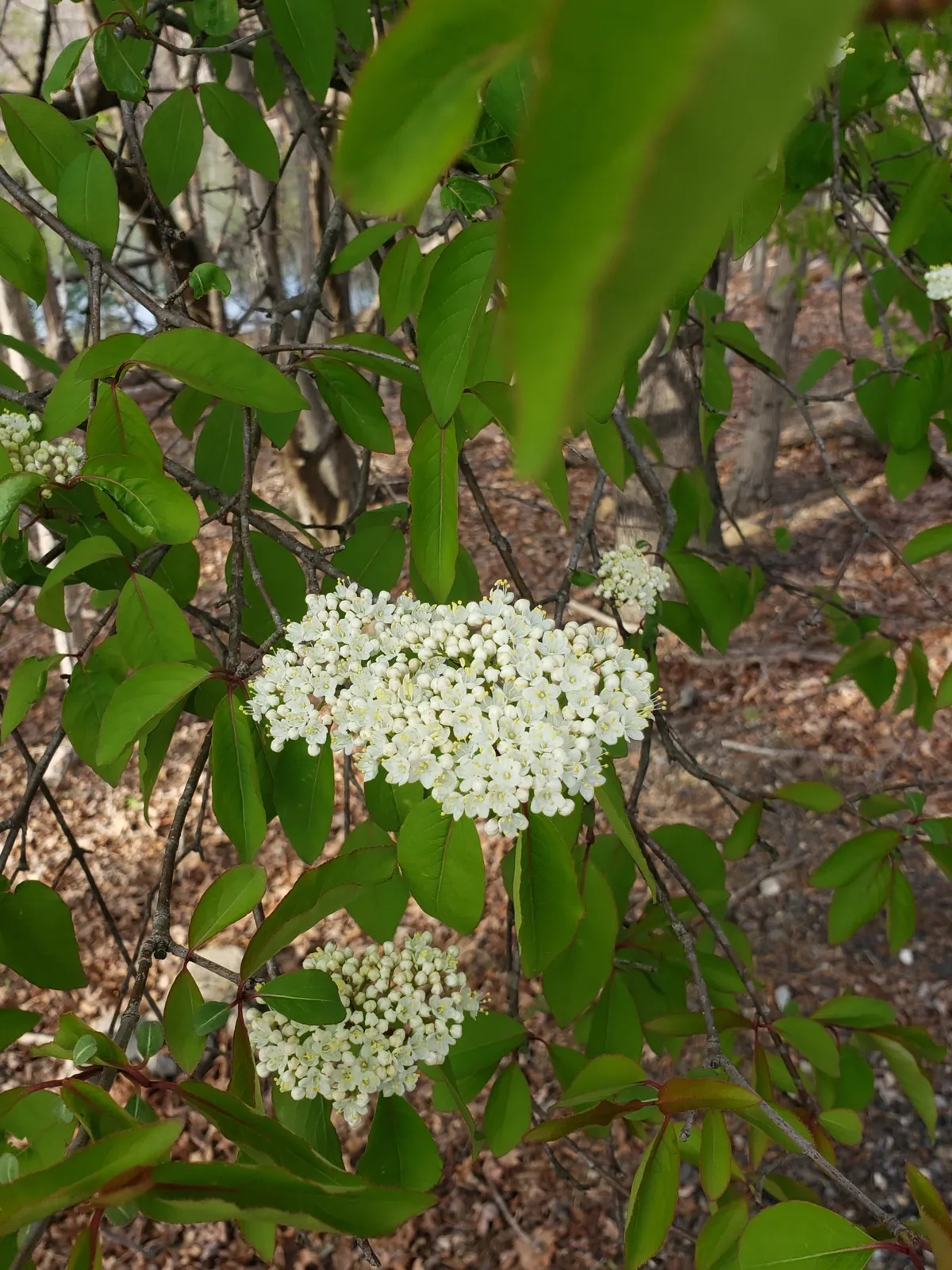
Rabbiteye blueberry is not native to the United States. These natives fill a similar role in a planting, matched on bloom season, bloom color and mature size.
Before you buy
Your city may pay you to plant this
Cities and water utilities offer rebates for replacing lawn with native and water-wise plants. We track 459 programs across 44 states, each with a link to the provider and the date we last checked it.
Find rebates in your areaPicture natives in your own yard
Wondering what could grow where Rabbiteye blueberry is now? Upload a photo of the spot and Patch Vision shows a rendering of it replanted with natives for your region.


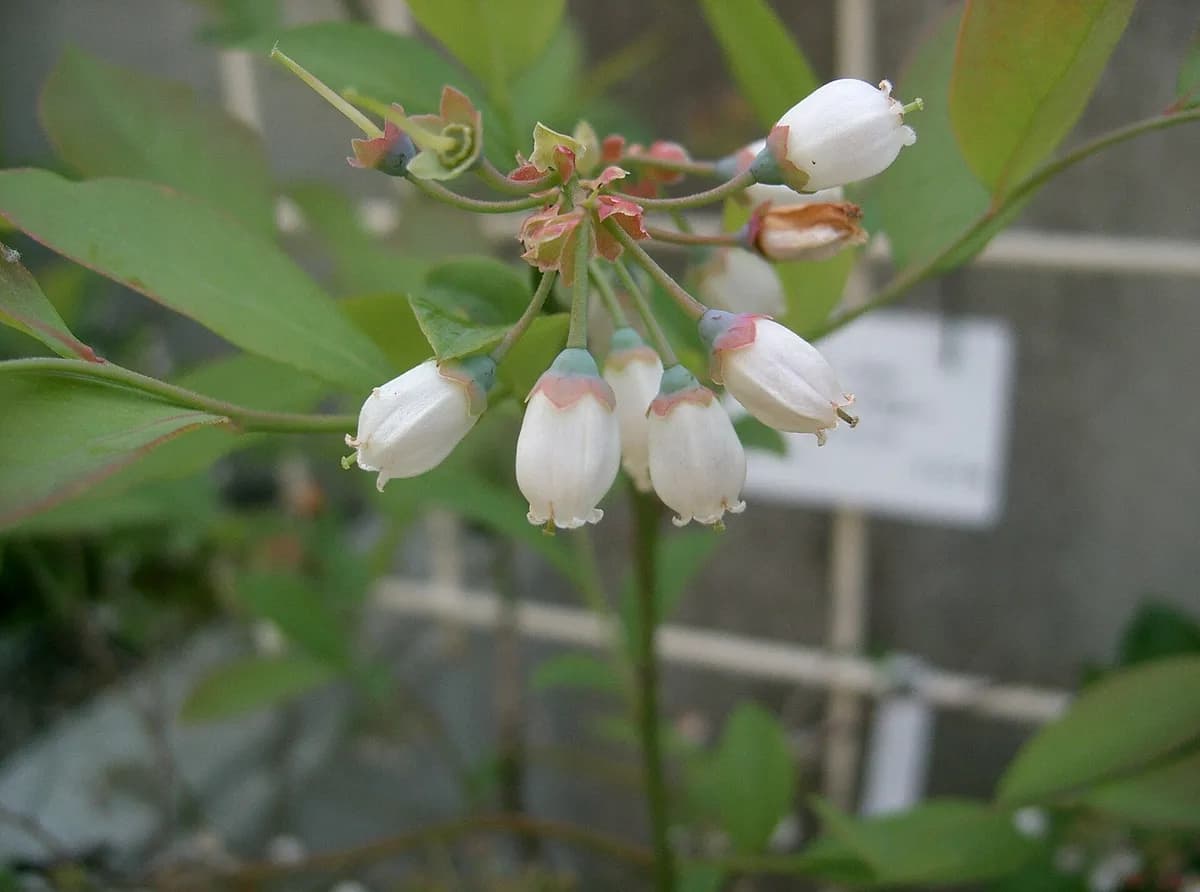
A deciduous fruiting shrub with white bell-shaped flowers in spring and blue berries in summer.
How to care for Rabbiteye blueberry, by region
How to care for Rabbiteye blueberry where it is actually grown: year-round basics plus what to do each season, region by region, with the sources for each.
Care guidance last updated: October 2026
Cross Timbers (includes Fort Worth, TX)
Year-round
Year-round care for rabbiteye blueberry around Fort Worth, TX: acidic soil, low-salt water, deep mulch, and a second variety for pollination.
- Rabbiteye will not thrive unless the soil pH is between 4.0 and 5.5. Have the soil tested before you plant.
- If your soil tests higher than that, grow it in a container or raised bed filled with peat moss and pine bark. Trying to lower the pH of the ground itself often fails.
- The water matters too. Water carrying calcium bicarbonate or sodium harms the plant, and there is no cost-effective way to take the calcium out.
- Plant two varieties that bloom at the same time. Most rabbiteyes need a pollenizer nearby for a full crop, though Tifblue and Brightwell are partly self-fertile.
- Give it room. After 7 to 8 years a bush can reach 15 feet tall and 10 feet wide, so space plants at least 6 feet apart.
Fall
Fall care for rabbiteye blueberry around Fort Worth, TX: renew the mulch and check the soil.
- Keep mulch 4 to 6 inches deep, reaching 2 feet or more out from the base of the bush. Pine straw, pine bark, peat moss, leaves and grass clippings all work.
- Do not use barnyard manure as mulch. It carries too much salt.
- Have the soil tested every third or fourth year to track the pH and catch missing nutrients.
- Pull any weeds that come up through the mulch by hand.
Winter
Winter care for rabbiteye blueberry around Fort Worth, TX: prune while the bush is dormant and set out new plants.
- Prune while the bush is dormant. Take off low limbs that would let fruit touch the soil.
- Thin out overly vigorous upright shoots several feet up, to keep the center open and the fruit within reach.
- Once a bush has thick gray older branches, cut about 20 percent of them at ground level each year. The new shoots that follow keep the plant younger and smaller.
- Before planting, work a quarter to half a bushel of shredded pine bark or peat moss into each planting spot.
- Set new plants at the depth they grew in the nursery and water them soon after. Cut bare-root plants back by half while the roots establish.
Spring
Spring care for rabbiteye blueberry around Fort Worth, TX: a light feeding at budbreak, the first watering, and an eye on late frost.
- From the second year on, the yearly dose of ammonium sulfate (21-0-0) is 1 ounce per year of plant age, up to 8 ounces. Split it into two or three light feedings, starting in late winter or at budbreak.
- Spread fertilizer evenly around the plant, not in a pile. Skip products with nitrate nitrogen, which can slow growth, and look for urea or ammonium on the label.
- Keep the first spring waterings light. Once the plant is in full growth, a 1-year-old plant needs about half a gallon a day.
- Choose varieties whose chill-hour need is within 150 hours of your area's average. Low-chill varieties bloom first and are the most likely to lose flowers to a late frost.
- Avoid planting in a low spot, where frost settles. Row cover can protect the flowers from frost.
Summer
Summer care for rabbiteye blueberry around Fort Worth, TX: steady water while fruit ripens, picking over several weeks, and netting for birds.
- Plants carrying fruit suffer most from dry soil. A second-year plant needs about a gallon a day, and each year after that add a gallon, up to 5 gallons a day.
- Berries in a cluster ripen at different times and do not ripen further once picked. Pick each one as it ripens over 4 to 6 weeks, somewhere between May and July depending on variety.
- Pick ripe fruit promptly and refrigerate it soon after to help prevent ripe rot.
- Birds take a lot of the crop in many areas. Netting over the bushes protects the fruit.
- Early summer, once harvest is done, is the second good time to fertilize. A first-year plant that is growing well can get half an ounce to 1 ounce of 21-0-0 in its first summer.
Sources: Texas A&M AgriLife Extension: Texas Fruit and Nut Production: Blueberries (E-603)
Texas Blackland Prairies (includes Dallas, TX)
Year-round
Year-round care for rabbiteye blueberry around Dallas, TX: acidic soil, low-salt water, deep mulch, and a second variety for pollination.
- Rabbiteye will not thrive unless the soil pH is between 4.0 and 5.5. Have the soil tested before you plant.
- If your soil tests higher than that, grow it in a container or raised bed filled with peat moss and pine bark. Trying to lower the pH of the ground itself often fails.
- The water matters too. Water carrying calcium bicarbonate or sodium harms the plant, and there is no cost-effective way to take the calcium out.
- Plant two varieties that bloom at the same time. Most rabbiteyes need a pollenizer nearby for a full crop, though Tifblue and Brightwell are partly self-fertile.
- Give it room. After 7 to 8 years a bush can reach 15 feet tall and 10 feet wide, so space plants at least 6 feet apart.
Fall
Fall care for rabbiteye blueberry around Dallas, TX: renew the mulch and check the soil.
- Keep mulch 4 to 6 inches deep, reaching 2 feet or more out from the base of the bush. Pine straw, pine bark, peat moss, leaves and grass clippings all work.
- Do not use barnyard manure as mulch. It carries too much salt.
- Have the soil tested every third or fourth year to track the pH and catch missing nutrients.
- Pull any weeds that come up through the mulch by hand.
Winter
Winter care for rabbiteye blueberry around Dallas, TX: prune while the bush is dormant and set out new plants.
- Prune while the bush is dormant. Take off low limbs that would let fruit touch the soil.
- Thin out overly vigorous upright shoots several feet up, to keep the center open and the fruit within reach.
- Once a bush has thick gray older branches, cut about 20 percent of them at ground level each year. The new shoots that follow keep the plant younger and smaller.
- Before planting, work a quarter to half a bushel of shredded pine bark or peat moss into each planting spot.
- Set new plants at the depth they grew in the nursery and water them soon after. Cut bare-root plants back by half while the roots establish.
Spring
Spring care for rabbiteye blueberry around Dallas, TX: a light feeding at budbreak, the first watering, and an eye on late frost.
- From the second year on, the yearly dose of ammonium sulfate (21-0-0) is 1 ounce per year of plant age, up to 8 ounces. Split it into two or three light feedings, starting in late winter or at budbreak.
- Spread fertilizer evenly around the plant, not in a pile. Skip products with nitrate nitrogen, which can slow growth, and look for urea or ammonium on the label.
- Keep the first spring waterings light. Once the plant is in full growth, a 1-year-old plant needs about half a gallon a day.
- Choose varieties whose chill-hour need is within 150 hours of your area's average. Low-chill varieties bloom first and are the most likely to lose flowers to a late frost.
- Avoid planting in a low spot, where frost settles. Row cover can protect the flowers from frost.
Summer
Summer care for rabbiteye blueberry around Dallas, TX: steady water while fruit ripens, picking over several weeks, and netting for birds.
- Plants carrying fruit suffer most from dry soil. A second-year plant needs about a gallon a day, and each year after that add a gallon, up to 5 gallons a day.
- Berries in a cluster ripen at different times and do not ripen further once picked. Pick each one as it ripens over 4 to 6 weeks, somewhere between May and July depending on variety.
- Pick ripe fruit promptly and refrigerate it soon after to help prevent ripe rot.
- Birds take a lot of the crop in many areas. Netting over the bushes protects the fruit.
- Early summer, once harvest is done, is the second good time to fertilize. A first-year plant that is growing well can get half an ounce to 1 ounce of 21-0-0 in its first summer.
Sources: Texas A&M AgriLife Extension: Texas Fruit and Nut Production: Blueberries (E-603)
In an HOA neighborhood
Rabbiteye blueberry takes more care to keep looking intentional in a front yard. Maintenance level: moderate. Consider it for backyard or mid-zone beds rather than the street edge.
- Needs acidic soil amendment
Wildlife value
Spring flowers feed bees. Ripe berries left on the plant feed birds.
Common questions
- How much sun does Rabbiteye blueberry need?
- Rabbiteye blueberry grows best in full sun conditions.
- When does Rabbiteye blueberry bloom?
- Rabbiteye blueberry blooms in March and April.
- What pollinators does Rabbiteye blueberry attract?
- Rabbiteye blueberry draws bees.
- Is Rabbiteye blueberry HOA-friendly?
- Rabbiteye blueberry takes more care to look intentional in a front yard. Consider it for backyard or mid-zone beds rather than the street edge.
Pollinator and host plant associations compiled from GBIF, iNaturalist, and published ecological literature.
If something looks wrong
Common plant problems, and what to check first
These come up on almost any plant. Each guide lists the likely causes in the order they are worth ruling out, with one thing to check before you act on any of them, and links to the source it came from.
- It is dying right after planting
- Leaves turning yellow
- Wilting even though I watered it
- Brown crispy leaf tips
- Bugs on the plant
Ready to grow Rabbiteye blueberry? Add it to your garden in Pollinator Patch to track it and get season-by-season care guidance.