Satsuma mandarin
Citrus unshiu
Last reviewed: October 2026
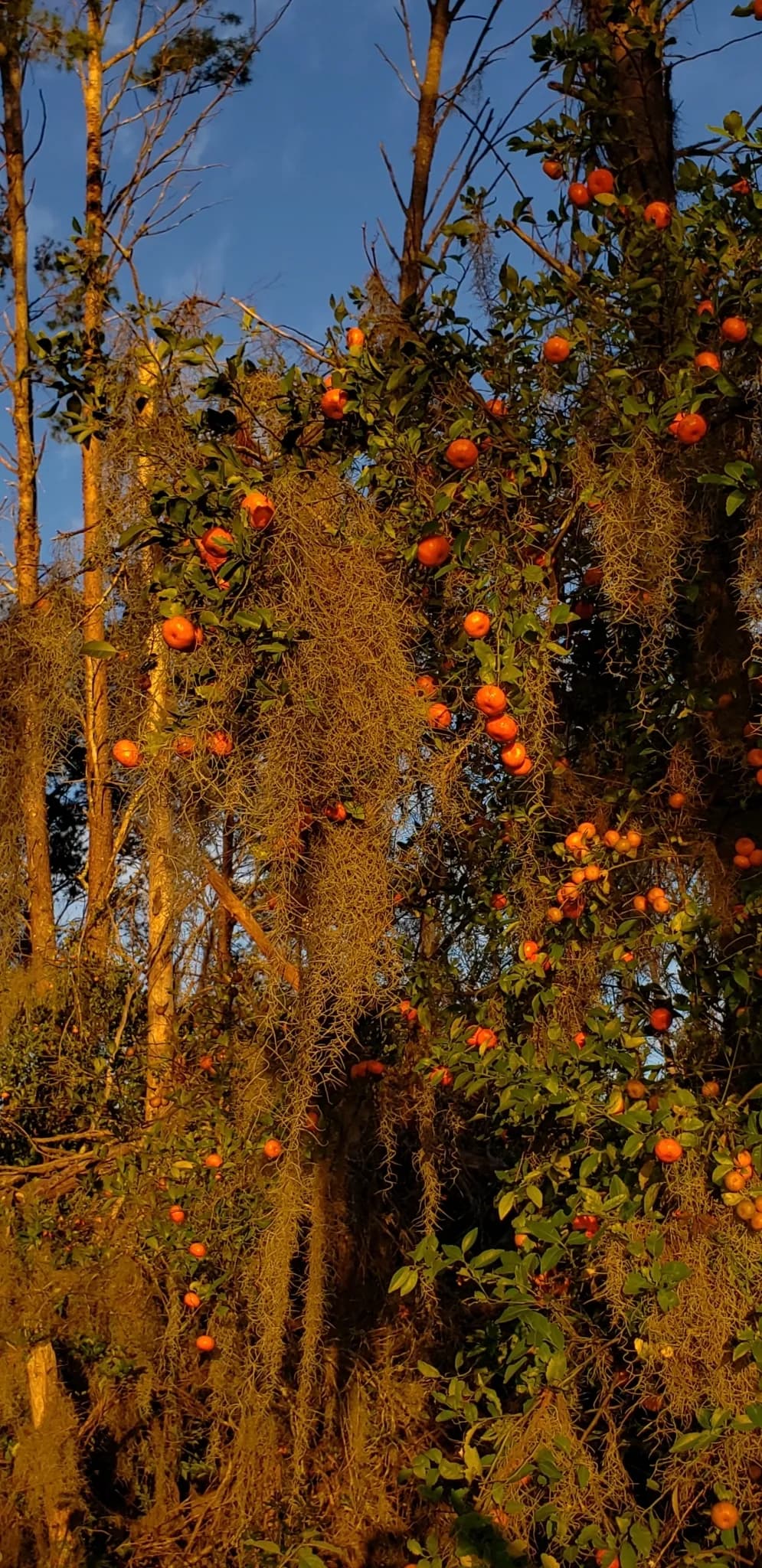
Toxicity unknown
Satsuma mandarin (Citrus unshiu) is not listed by the ASPCA Animal Poison Control Center (opens in new tab) or the other sources we check, so we have no verdict for it either way. Absence from those lists is not a clearance. If your pet shows symptoms after eating any plant, call the ASPCA at (888) 426-4435.
Light
full sun
Water
medium
Size
72"–144" H × 72"–120" W
Bloom
Mar, Apr
Pollinators
bees
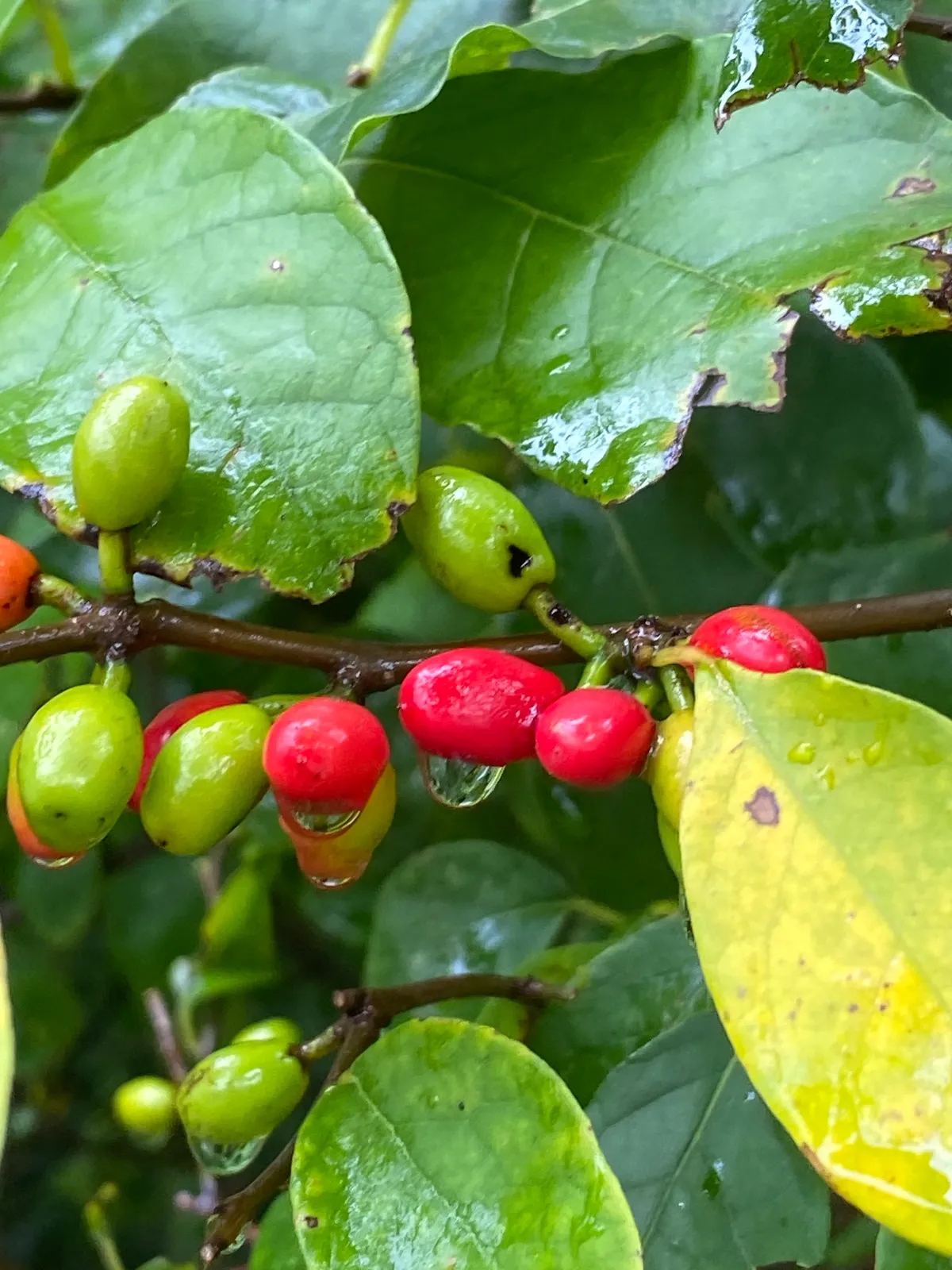
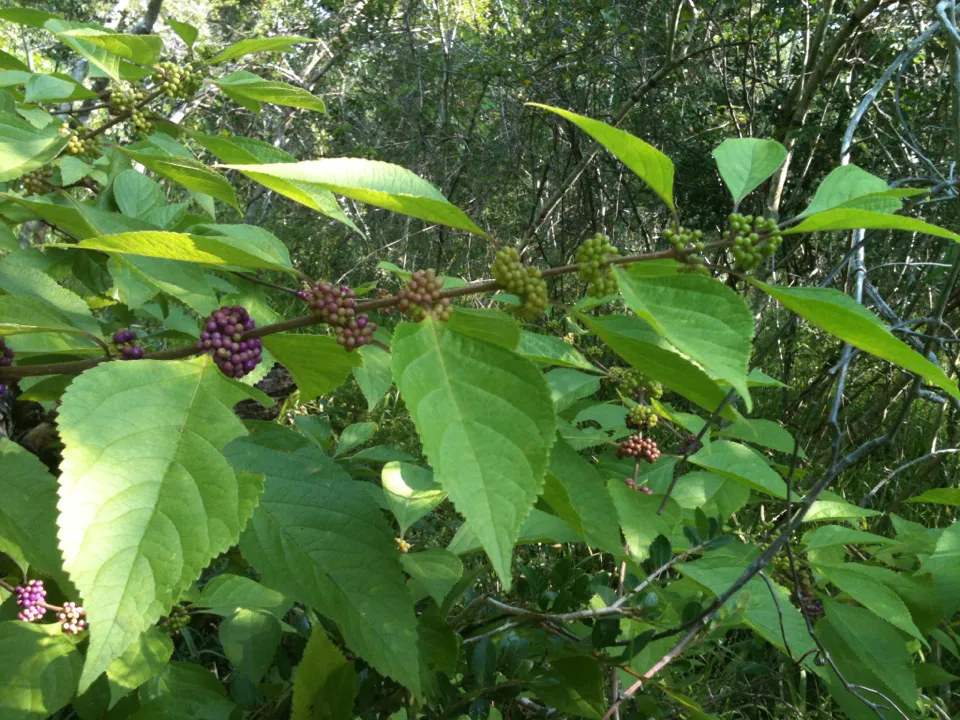
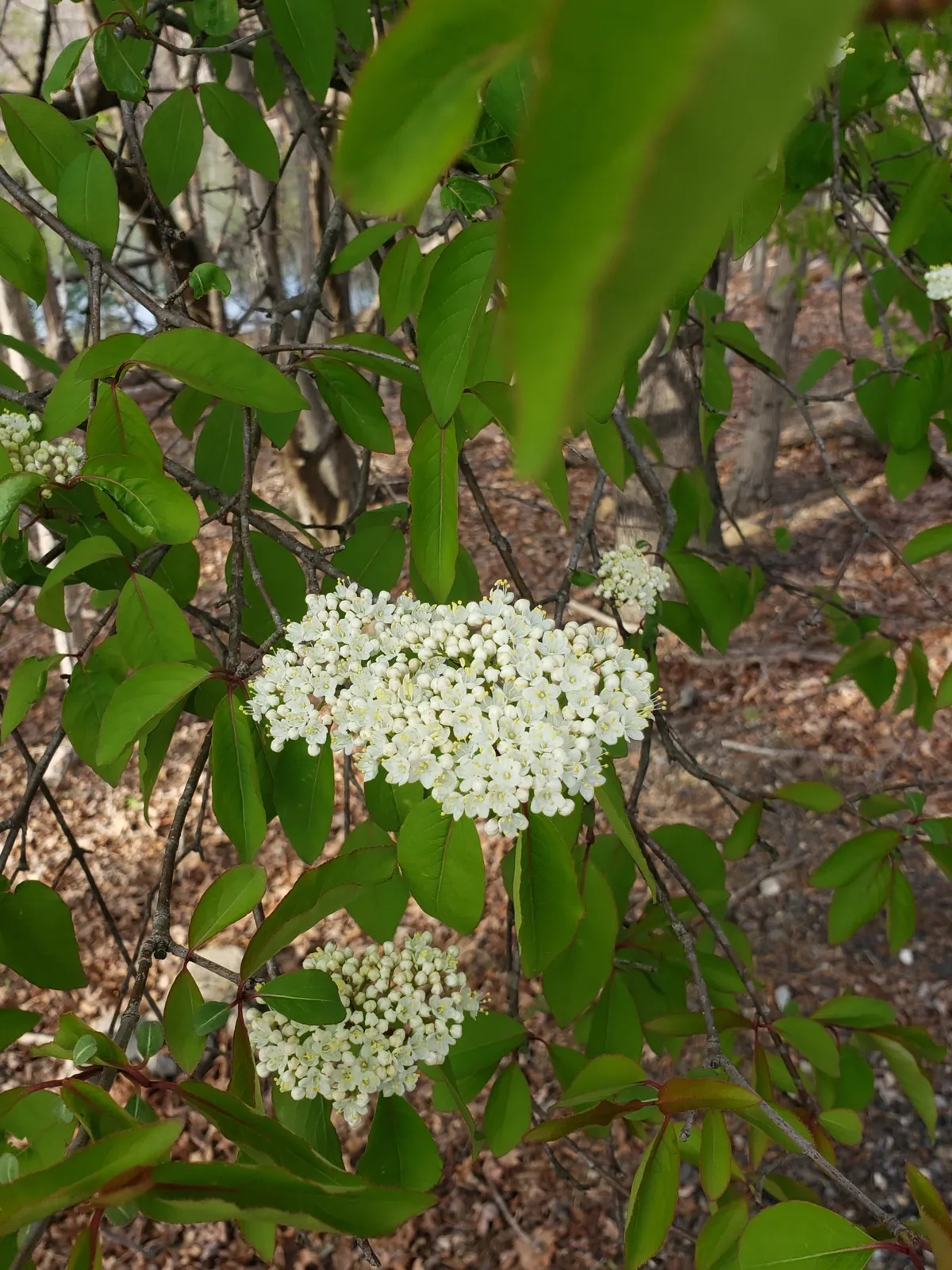
Native alternatives to Satsuma mandarin
Satsuma mandarin is not native to the United States. These natives fill a similar role in a planting, matched on bloom season, bloom color and mature size.
Before you buy
Your city may pay you to plant this
Cities and water utilities offer rebates for replacing lawn with native and water-wise plants. We track 459 programs across 44 states, each with a link to the provider and the date we last checked it.
Find rebates in your areaPicture natives in your own yard
Wondering what could grow where Satsuma mandarin is now? Upload a photo of the spot and Patch Vision shows a rendering of it replanted with natives for your region.


A compact evergreen citrus with fragrant white flowers, grown in a pot where winters freeze, for its easy-peeling seedless mandarins.
How to care for Satsuma mandarin, by region
How to care for Satsuma mandarin where it is actually grown: year-round basics plus what to do each season, region by region, with the sources for each.
Care guidance last updated: October 2026
Cross Timbers (includes Fort Worth, TX)
Year-round
Year-round care for Satsuma mandarin around Fort Worth, TX: grow it in a large pot, give it some shade outdoors, and bring it in before hard freezes.
- Grow it in a pot so it can be moved indoors. Satsuma is among the hardiest sweet citrus, taking about 20 F when hardened, but it may be seriously damaged at 24 F in early December.
- Pick a pot big enough for growth but small enough to move indoors in a freeze. Pot size is the main limit on how large the tree gets.
- Use a pot with adequate drainage holes at the bottom. One mix the page gives is equal parts sand, peat moss and composted bark.
- Citrus grows best in full sun, but container trees are best placed where they get some partial shade.
- Container citrus needs some form of cold protection to get through most freezes, and moving it indoors is often the simplest way.
Fall
Fall care for Satsuma mandarin around Fort Worth, TX: plan the move indoors, since satsuma is hardiest only after it has cooled down.
- Cold hardiness builds as the tree is exposed to cooling weather. Satsuma may take 18 F in early February when fully dormant, yet may be seriously damaged at 24 F in early December.
- If the tree will spend the whole winter indoors, lower its light gradually for 2 to 4 weeks before bringing it in. That step is not needed for a few days indoors during freezes.
- Plan to protect citrus when temperatures are forecast to drop below 27 F for an extended time.
- Fruit can freeze at 26 to 28 F when that cold lasts several hours, and satsuma fruit freezes more easily than most common citrus.
Winter
Winter care for Satsuma mandarin around Fort Worth, TX: cut back watering, give it good light indoors, and prune a leggy tree in February.
- Cool weather slows growth, so water less often in winter. Keep using the top-inch test.
- Avoid very low light for long stretches indoors. The tree turns leggy and unattractive.
- A leggy container tree can be cut back by about one-third in February to encourage branching, which is the best time because flowering and fruiting are least affected.
- When the pot goes back outdoors, reverse the process and raise the light level gradually.
Spring
Spring care for Satsuma mandarin around Fort Worth, TX: water by the top-inch test, feed with a label-rate fertilizer, and flush salts from the pot.
- Water when the top inch of the mix has dried out. Pour slowly until water runs out the bottom of the pot.
- Feed with a water-soluble fertilizer, following the label directions.
- Every so often, flush built-up salts by running water slowly into the pot for several minutes.
- Curled new leaves can mean aphids on new growth, and browned, cupped leaf edges in spring can be wind burn. Your county Extension office can help you sort out which one you have.
Summer
Summer care for Satsuma mandarin around Fort Worth, TX: keep watering moderate, give it partial shade, and watch the leaves for water or salt trouble.
- Water when the top inch of the mix has dried out, and soak slowly until the excess drains. Overwatering is the most common cause of poor performance in container citrus.
- Citrus grows best in full sun, but a container tree does better with some partial shade.
- Yellowing leaves, leaf drop and twig dieback usually point to root damage from too much water or poor drainage. Yellowing with burned leaf edges and leaf drop can mean salt burn, so flush the pot with slow running water now and then.
- Silvery, scratchy leaves are the mark of spider mites. Your county Extension office can tell you what to do about them.
Sources: Texas A&M AgriLife Extension: Citrus (Fruit & Nut Resources), Texas A&M AgriLife Extension: Citrus and Freezing Temperatures (Galveston County), Texas A&M AgriLife Extension: Common citrus problems (Table 2)
Texas Blackland Prairies (includes Dallas, TX)
Year-round
Year-round care for Satsuma mandarin around Dallas, TX: grow it in a large pot, give it some shade outdoors, and bring it in before hard freezes.
- Grow it in a pot so it can be moved indoors. Satsuma is among the hardiest sweet citrus, taking about 20 F when hardened, but it may be seriously damaged at 24 F in early December.
- Pick a pot big enough for growth but small enough to move indoors in a freeze. Pot size is the main limit on how large the tree gets.
- Use a pot with adequate drainage holes at the bottom. One mix the page gives is equal parts sand, peat moss and composted bark.
- Citrus grows best in full sun, but container trees are best placed where they get some partial shade.
- Container citrus needs some form of cold protection to get through most freezes, and moving it indoors is often the simplest way.
Fall
Fall care for Satsuma mandarin around Dallas, TX: plan the move indoors, since satsuma is hardiest only after it has cooled down.
- Cold hardiness builds as the tree is exposed to cooling weather. Satsuma may take 18 F in early February when fully dormant, yet may be seriously damaged at 24 F in early December.
- If the tree will spend the whole winter indoors, lower its light gradually for 2 to 4 weeks before bringing it in. That step is not needed for a few days indoors during freezes.
- Plan to protect citrus when temperatures are forecast to drop below 27 F for an extended time.
- Fruit can freeze at 26 to 28 F when that cold lasts several hours, and satsuma fruit freezes more easily than most common citrus.
Winter
Winter care for Satsuma mandarin around Dallas, TX: cut back watering, give it good light indoors, and prune a leggy tree in February.
- Cool weather slows growth, so water less often in winter. Keep using the top-inch test.
- Avoid very low light for long stretches indoors. The tree turns leggy and unattractive.
- A leggy container tree can be cut back by about one-third in February to encourage branching, which is the best time because flowering and fruiting are least affected.
- When the pot goes back outdoors, reverse the process and raise the light level gradually.
Spring
Spring care for Satsuma mandarin around Dallas, TX: water by the top-inch test, feed with a label-rate fertilizer, and flush salts from the pot.
- Water when the top inch of the mix has dried out. Pour slowly until water runs out the bottom of the pot.
- Feed with a water-soluble fertilizer, following the label directions.
- Every so often, flush built-up salts by running water slowly into the pot for several minutes.
- Curled new leaves can mean aphids on new growth, and browned, cupped leaf edges in spring can be wind burn. Your county Extension office can help you sort out which one you have.
Summer
Summer care for Satsuma mandarin around Dallas, TX: keep watering moderate, give it partial shade, and watch the leaves for water or salt trouble.
- Water when the top inch of the mix has dried out, and soak slowly until the excess drains. Overwatering is the most common cause of poor performance in container citrus.
- Citrus grows best in full sun, but a container tree does better with some partial shade.
- Yellowing leaves, leaf drop and twig dieback usually point to root damage from too much water or poor drainage. Yellowing with burned leaf edges and leaf drop can mean salt burn, so flush the pot with slow running water now and then.
- Silvery, scratchy leaves are the mark of spider mites. Your county Extension office can tell you what to do about them.
Sources: Texas A&M AgriLife Extension: Citrus (Fruit & Nut Resources), Texas A&M AgriLife Extension: Citrus and Freezing Temperatures (Galveston County), Texas A&M AgriLife Extension: Common citrus problems (Table 2)
In an HOA neighborhood
Satsuma mandarin takes more care to keep looking intentional in a front yard. Maintenance level: moderate. Consider it for backyard or mid-zone beds rather than the street edge.
- Dropped fruit
Wildlife value
Spring blossom feeds bees. Fruit left on the plant feeds birds.
Common questions
- How much sun does Satsuma mandarin need?
- Satsuma mandarin grows best in full sun conditions.
- When does Satsuma mandarin bloom?
- Satsuma mandarin blooms in March and April.
- What pollinators does Satsuma mandarin attract?
- Satsuma mandarin draws bees.
- Is Satsuma mandarin HOA-friendly?
- Satsuma mandarin takes more care to look intentional in a front yard. Consider it for backyard or mid-zone beds rather than the street edge.
Pollinator and host plant associations compiled from GBIF, iNaturalist, and published ecological literature.
If something looks wrong
Common plant problems, and what to check first
These come up on almost any plant. Each guide lists the likely causes in the order they are worth ruling out, with one thing to check before you act on any of them, and links to the source it came from.
- It is dying right after planting
- Leaves turning yellow
- Wilting even though I watered it
- Brown crispy leaf tips
- Bugs on the plant
Ready to grow Satsuma mandarin? Add it to your garden in Pollinator Patch to track it and get season-by-season care guidance.