sweet pea shrub
Polygala × dalmaisiana
Last reviewed: October 2026
Toxicity unknown
sweet pea shrub (Polygala × dalmaisiana) is not listed by the ASPCA Animal Poison Control Center (opens in new tab) or the other sources we check, so we have no verdict for it either way. Absence from those lists is not a clearance. If your pet shows symptoms after eating any plant, call the ASPCA at (888) 426-4435.
Light
full sun
Water
low
Size
48"–96" H × 48"–96" W
Bloom
Jan, Feb, Mar, Apr, May, Jun, Jul, Aug, Sep, Oct, Nov, Dec
Pollinators
bees, butterflies
Native alternatives to sweet pea shrub
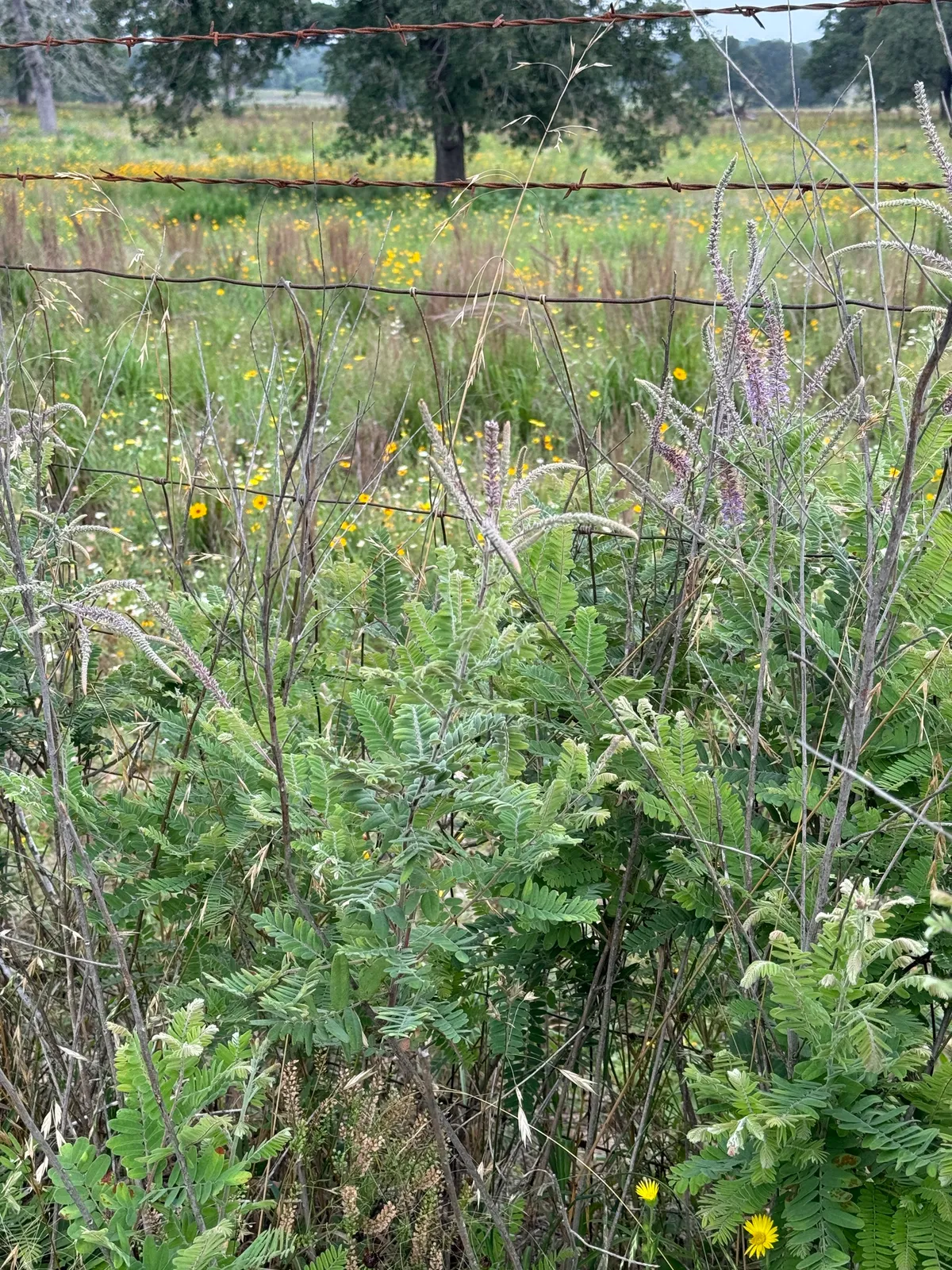
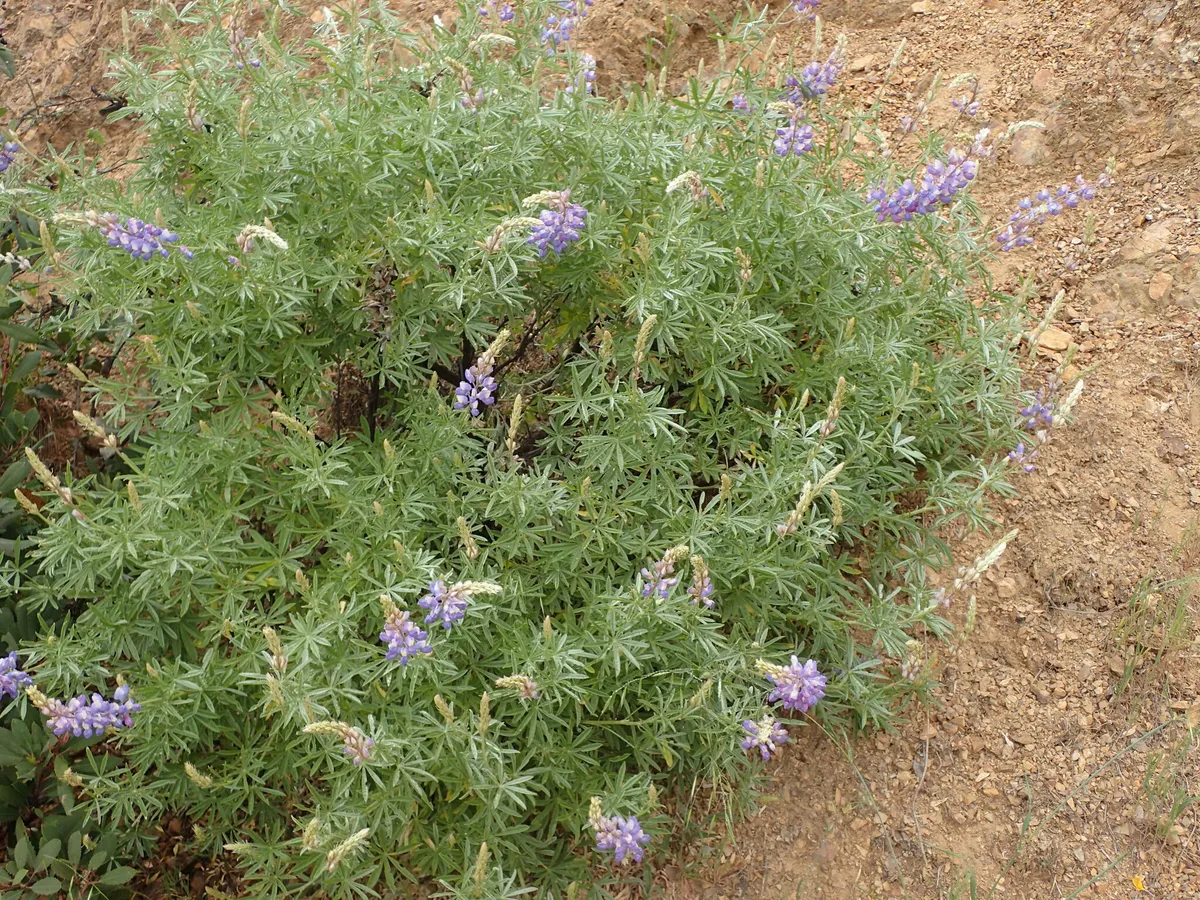
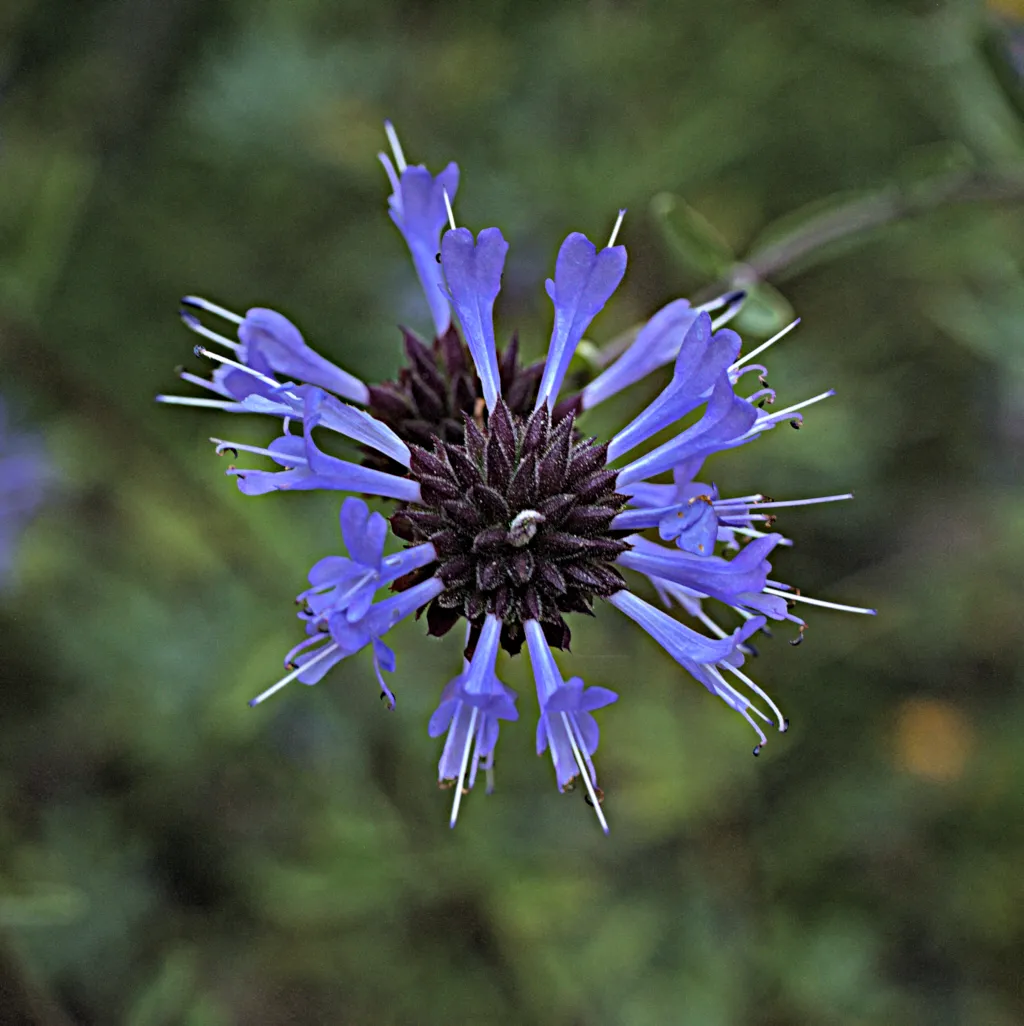
sweet pea shrub is not native to the United States. These natives fill a similar role in a planting, matched on bloom season, bloom color and mature size.
Before you buy
Your city may pay you to plant this
Cities and water utilities offer rebates for replacing lawn with native and water-wise plants. We track 458 programs across 44 states, each with a link to the provider and the date we last checked it.
Find rebates in your areaPicture natives in your own yard
Wondering what could grow where sweet pea shrub is now? Upload a photo of the spot and Patch Vision shows a rendering of it replanted with natives for your region.


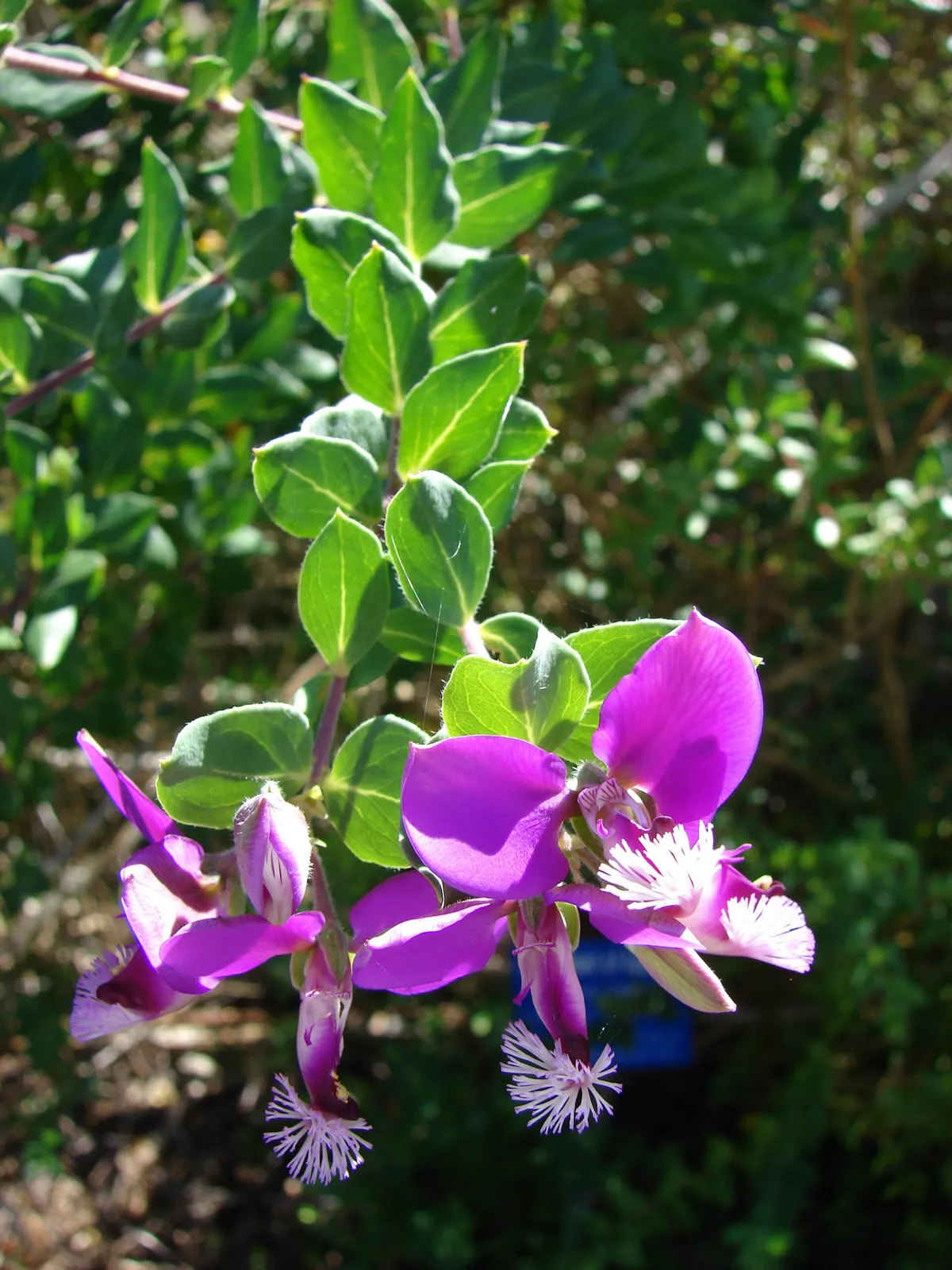
A fast-growing evergreen shrub with oval gray-green leaves and nearly year-round magenta-purple, pea-like flowers. Prefers full sun and well-drained soil, and tolerates dry conditions once established. A garden hybrid, not a native plant.
How to care for sweet pea shrub, by region
How to care for sweet pea shrub where it is actually grown: year-round basics plus what to do each season, region by region, with the sources for each.
Care guidance last updated: October 2026
Central California Foothills and Coastal Mountains (includes San Francisco, CA)
Year-round
Sweet pea shrub is a fast growing evergreen shrub with purple-pink, sweet pea shaped flowers that bloom on and off most of the year in the mild Bay Area. It wants sun and sharp drainage, and it is not long lived.
- Plant in full sun for the most flowers. A little afternoon shade helps in hotter inland spots.
- Use well drained soil and avoid low spots that stay wet.
- Water regularly while it settles in, then ease off to every week or two in dry weather once established.
- Expect it to live only a handful of years, so plan to replace it rather than fight a tired plant.
- It is hardy to roughly 18 degrees F, which suits most Bay Area gardens.
Light shearing keeps the shrub dense and neat along a front walk.
Fall
Fall keeps the blooms going and is a good time to plant before winter rain.
- Plant now so roots settle in with the winter rains.
- Cut back watering as the rain returns.
- Check that nearby plants are not crowding the shrub, since air flow keeps it healthy.
Winter
Winter is the time to shear and reshape.
- In late winter, shear the shrub lightly to keep it dense. It can look a bit twiggy for a few weeks, then rebounds quickly.
- Rarely needs water during the rainy season.
- A rare hard frost below about 18 degrees F can damage it, which is uncommon near San Francisco.
Shearing in late winter keeps a visible front-yard shrub looking tended before the spring bloom.
Spring
Spring is peak growth and heavy bloom around San Francisco.
- Flowers keep coming through spring, so just keep soil from drying out completely in the first year.
- Plant new shrubs now while the weather is mild.
- Skip heavy feeding, since it grows fast on average soil.
Summer
Summer is easy in the cool San Francisco summer, and the shrub keeps blooming.
- Water every week or two once established, more often for young plants.
- Foggy coastal spots often bloom the most, so do not worry about fog.
- Trim off any stray long shoots to keep the shape tidy.
Sources: Royal Horticultural Society: Polygala x dalmaisiana, Flora Grubb Gardens: Polygala x dalmaisiana
In an HOA neighborhood
sweet pea shrub takes more care to keep looking intentional in a front yard. Maintenance level: moderate. Consider it for backyard or mid-zone beds rather than the street edge.
Works well in: foundation planting, mixed border.
- Can become leggy without pruning
Wildlife value
Flowers attract bees and some butterflies. It is a non-native hybrid and does not support native host-plant relationships.
Common questions
- How much sun does sweet pea shrub need?
- sweet pea shrub grows best in full sun conditions.
- When does sweet pea shrub bloom?
- sweet pea shrub blooms in January, February, March, April, May, June, July, August, September, October, November, and December.
- What pollinators does sweet pea shrub attract?
- sweet pea shrub draws bees and butterflies.
- Is sweet pea shrub HOA-friendly?
- sweet pea shrub takes more care to look intentional in a front yard. Consider it for backyard or mid-zone beds rather than the street edge.
Pollinator and host plant associations compiled from GBIF, iNaturalist, and published ecological literature.
If something looks wrong
Common plant problems, and what to check first
These come up on almost any plant. Each guide lists the likely causes in the order they are worth ruling out, with one thing to check before you act on any of them, and links to the source it came from.
- It is dying right after planting
- Leaves turning yellow
- Wilting even though I watered it
- Brown crispy leaf tips
- Bugs on the plant
Ready to grow sweet pea shrub? Add it to your garden in Pollinator Patch to track it and get season-by-season care guidance.