Wild Geranium
Geranium molle
Last reviewed: August 2026
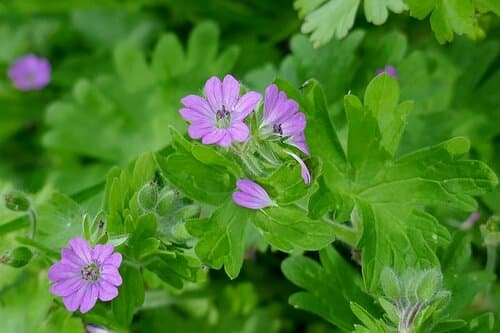
Toxicity unknown
Wild Geranium (Geranium molle) is not listed by the ASPCA Animal Poison Control Center (opens in new tab) or the other sources we check, so we have no verdict for it either way. Absence from those lists is not a clearance. If your pet shows symptoms after eating any plant, call the ASPCA at (888) 426-4435.
Light
part sun
Water
medium
Size
4"–12" H × 6"–12" W
Bloom
May, Jun, Jul
Pollinators
bees, beetles
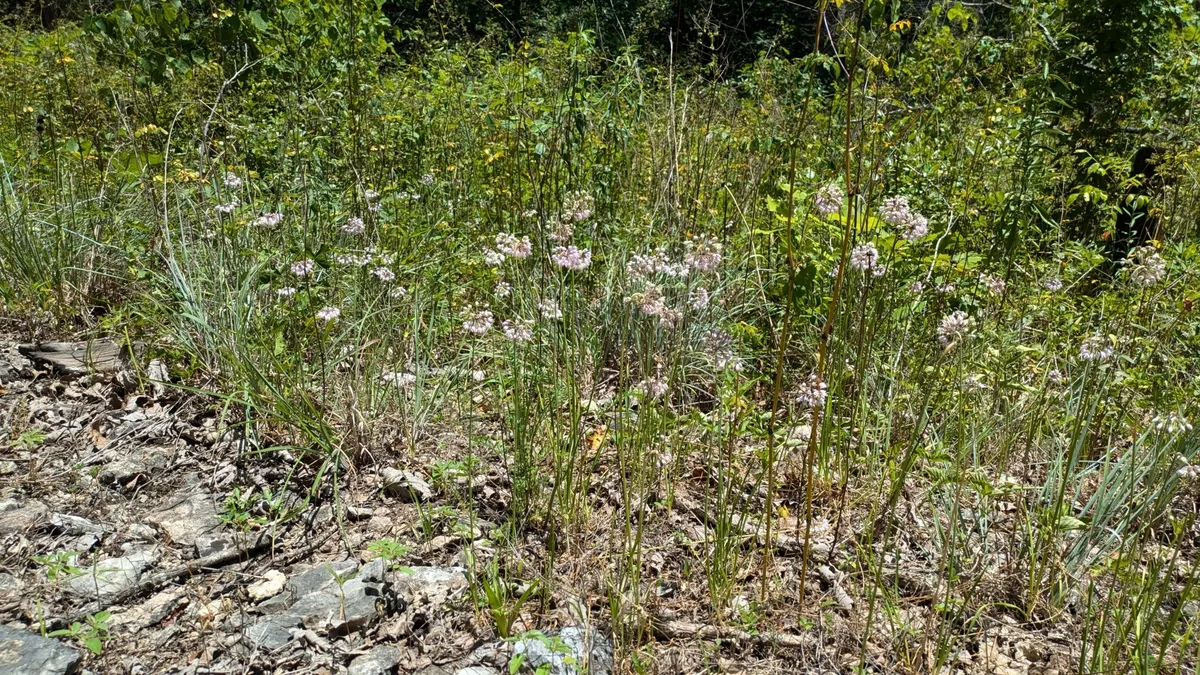
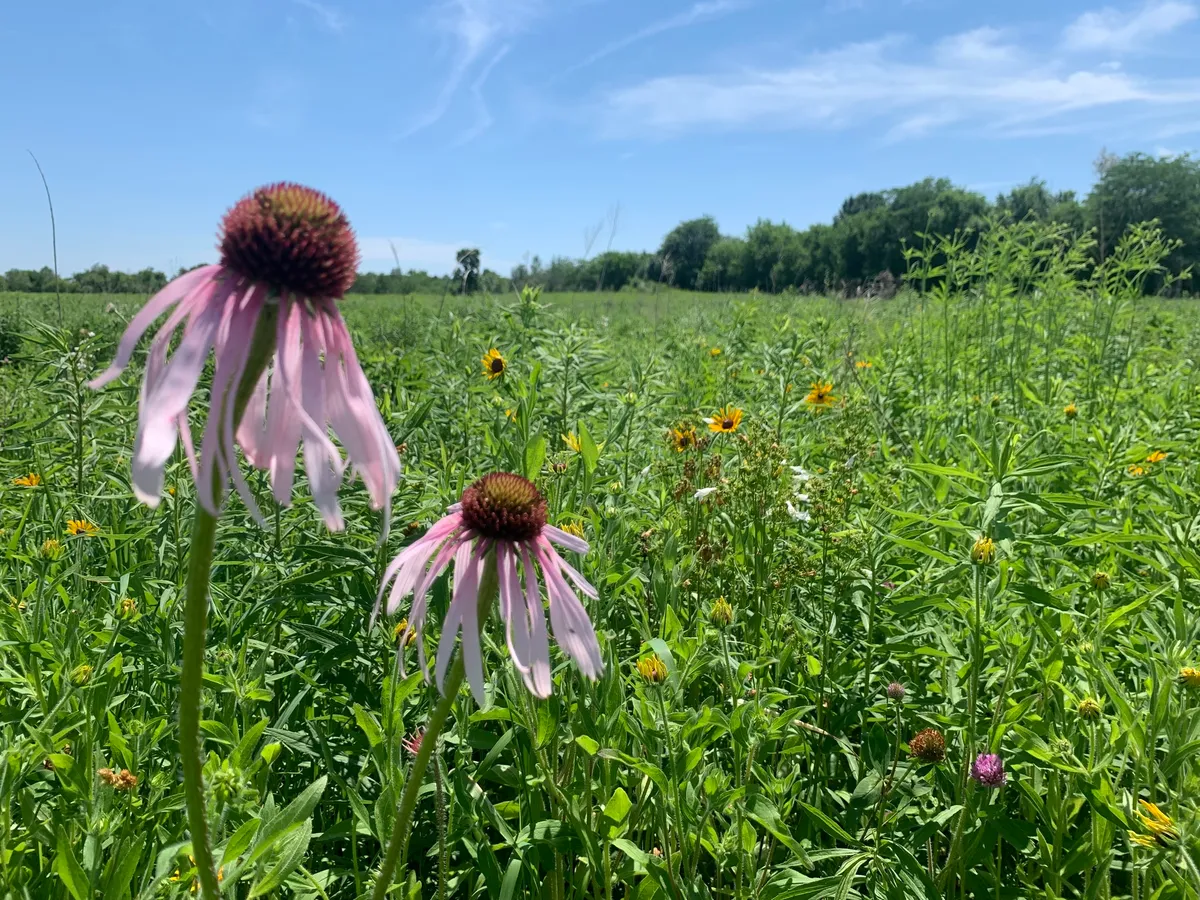
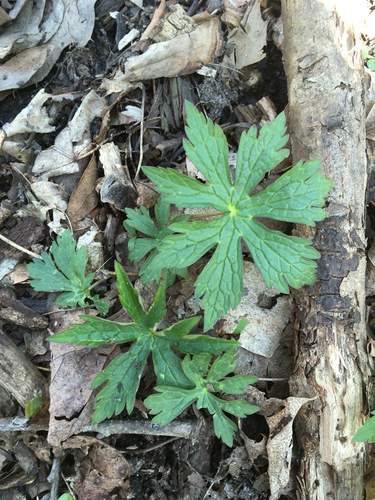
Native alternatives to Wild Geranium
Wild Geranium is not native to the United States. These natives fill a similar role in a planting, matched on bloom season, bloom color and mature size.
Before you buy
Your city may pay you to plant this
Cities and water utilities offer rebates for replacing lawn with native and water-wise plants. We track 452 programs across 44 states, each with a link to the provider and the date we last checked it.
Find rebates in your areaWild geranium is a low-growing annual with small pink flowers that bloom through late spring and summer. This compact plant forms neat mounds with delicate foliage and requires minimal care once established.
How to care for Wild Geranium, by region
How to care for Wild Geranium where it is actually grown: year-round basics plus what to do each season, region by region, with the sources for each.
Care guidance last updated: September 2026
Piedmont (includes Atlanta, GA)
Year-round
Dove's-foot cranesbill is a small, fuzzy weed that shows up on its own in lawns, garden beds, and gravel around Atlanta. It is not something people plant on purpose, so care mostly means deciding how much of it you want to let grow versus pull.
- Expect a low, spreading plant only a few inches to about a foot tall, with soft hairy leaves and tiny pink-purple flowers.
- It seeds itself heavily. One plant left to flower can drop over 100 seeds that pop out of the pods and land nearby.
- It grows in average, even poor, dry to medium soil and does not need feeding or amending to survive.
- If you want it gone, hand-pulling is easy since the roots are shallow and fibrous. Pull before seed pods form to cut down on next year's crop.
- If you are keeping it as informal ground cover in a bed, just keep it from crowding out plants you actually want there.
Fall
Fall is when a new generation typically germinates in the Atlanta area, sprouting from seed dropped earlier in the year and settling in as small rosettes before winter.
- Look for new seedlings appearing in lawns, beds, and disturbed soil once fall rains start, roughly September into November here.
- Pull young seedlings now if you do not want a repeat next spring. They come out easily while small.
- A light layer of mulch, about 2 to 3 inches, over bare soil in beds helps crowd out new seedlings without any other work.
- No fertilizing needed. Leave it be if you are fine with it filling in as informal winter ground cover.
Winter
Atlanta winters (USDA zone 8a to 8b, average last frost around March 21 and first frost around November 13) are mild enough that this plant usually rides out the season as a small green rosette rather than dying back completely.
- Expect low, ground-hugging rosettes of hairy leaves sitting through winter, ready to bolt and flower once spring warms up.
- No winter protection is needed. It handles average frost in this zone without help.
- If it is growing somewhere you do not want it, this is an easy season to hand-pull it while it is small and before it flowers.
- In a front-yard bed, a tidy edge and a fresh mulch layer keep a rosette-covered patch from reading as neglected over winter.
Fresh mulch and a clean bed edge keep a winter rosette patch looking like a deliberate ground cover choice instead of an unkempt weed patch.
Spring
Spring is when this plant is most visible in Atlanta yards, since it is finishing its life cycle right as everything else wakes up. Plants that overwintered as small rosettes bolt, flower, and start dropping seed through this season.
- Watch for the small pink-purple flowers opening from around March into May in the Atlanta area.
- Pull unwanted plants as soon as you see flower buds, before the seed pods form and eject seed nearby.
- No fertilizer or extra water is needed. It is already thriving on rainfall and average soil.
- If it is coming up thick in a lawn, mowing at a normal height before it sets seed will knock back that year's spread without needing herbicide.
A quick pull or mow before the flowers go to seed keeps front lawns and beds looking tidy and intentional rather than weedy.
Summer
By Atlanta's hot, humid summer, most dove's-foot cranesbill from the spring flush has already finished flowering and died back, since it is a short-lived annual or biennial rather than a plant that lasts all year.
- Expect the older plants to brown and disappear on their own by early to mid summer heat.
- Clear out dead plant material from beds so it does not look messy, and to remove any seed pods still clinging on.
- No watering or feeding is needed. This plant does not carry a summer growing phase the way many garden perennials do.
- Keep an eye out for a second, smaller flush after summer thunderstorms loosen the soil, and pull those seedlings early if you do not want more next spring.
Sources: USDA PLANTS Database, Geranium molle profile (symbol GEMO), Go Botany (Native Plant Trust), Geranium molle, Atlanta, GA frost dates and USDA hardiness zone, RHS, Dove's-foot cranesbill weed profile
Want these tasks as reminders timed to your yard? Pollinator Patch turns this guidance into a season-by-season care plan for the plants you actually grow.
In an HOA neighborhood
Wild Geranium takes more care to keep looking intentional in a front yard. Maintenance level: moderate. Consider it for backyard or mid-zone beds rather than the street edge.
Works well in: backyard only.
- Annual lifecycle creates gaps when plants die back
- Common name includes 'wild' which may concern HOAs
- Can self-seed and appear weedy
Wildlife value
The flowers attract bees and beetles during the growing season. Its compact size makes it useful as a pollinator plant in smaller garden spaces.
Common questions
- How much sun does Wild Geranium need?
- Wild Geranium grows best in part sun conditions.
- When does Wild Geranium bloom?
- Wild Geranium blooms in May, June, and July.
- What pollinators does Wild Geranium attract?
- Wild Geranium draws bees and beetles.
- Is Wild Geranium HOA-friendly?
- Wild Geranium takes more care to look intentional in a front yard. Consider it for backyard or mid-zone beds rather than the street edge.
Pollinator and host plant associations compiled from GBIF, iNaturalist, and published ecological literature.
If something looks wrong
Common plant problems, and what to check first
These come up on almost any plant. Each guide lists the likely causes in the order they are worth ruling out, with one thing to check before you act on any of them, and links to the source it came from.
- It is dying right after planting
- Leaves turning yellow
- Wilting even though I watered it
- Brown crispy leaf tips
- Bugs on the plant
Ready to grow Wild Geranium? Add it to your garden in Pollinator Patch to track it and get season-by-season care guidance.
Planning a bed around it? Start a free plan with this plant
Not sure where to start? Take the 2-minute yard quiz