Cowberry
Vaccinium vitis-idaea
Last reviewed: November 2026
Cowberry (Vaccinium vitis-idaea) is a perennial shrub native to CT, MA, ME, MI and 4 more states. It blooms in May, June, and July. The flowers draw bumble bees.
Watering reminders and freeze alerts for Cowberry, free in the app.


Toxicity unknown
Cowberry (Vaccinium vitis-idaea) is not listed by the ASPCA Animal Poison Control Center (opens in new tab) or the other sources we check, so we have no verdict for it either way. Absence from those lists is not a clearance. If your pet shows symptoms after eating any plant, call the ASPCA at (888) 426-4435.
Light
full sun
Water
medium
Size
4"–10" H × 12"–24" W
Bloom
May, Jun, Jul
Native to
CT, MA, ME, MI and 4 more states
Pollinators
bumble bees
Before you buy
Your city may pay you to plant this
Cities and water utilities offer rebates for replacing lawn with native and water-wise plants. We track 461 programs across 44 states, each with a link to the provider and the date we last checked it.
Find rebates in your areaPicture natives in your own yard
Upload a photo of your yard and Patch Vision shows a rendering of it planted with natives for your region, like Cowberry.
Browse plants for this ecoregion
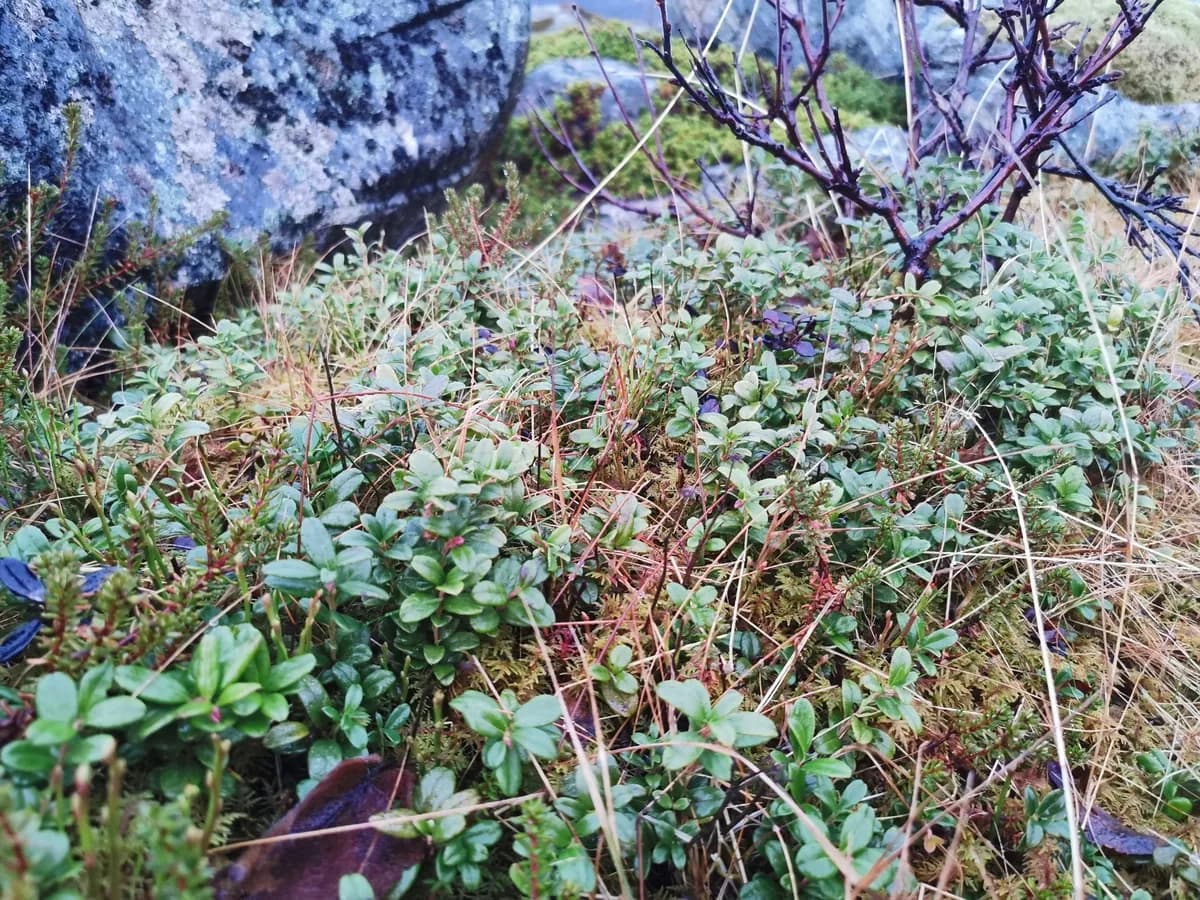
Lingonberry is a low, mat-forming evergreen shrub with small glossy leaves and nodding clusters of pink-white bell-shaped flowers. It spreads slowly by underground rhizomes across boreal forest floors and open bog edges.
Growing Cowberry
Grow Cowberry in full sun and medium water. Mature plants reach 4 to 10 inches tall and spread 12 to 24 inches wide.
How to care for Cowberry, by region
How to care for Cowberry where it is actually grown: year-round basics plus what to do each season, region by region, with the sources for each.
Care guidance last updated: October 2026
Northeastern Highlands (includes Montpelier, VT)
Year-round
Lingonberry wants acidic, well-drained soil, steady moisture, and mulch. Its cold tolerance suits Vermont winters, and the main job is keeping the soil acidic.
- Aim for soil pH near 5.0. Garden soil is often higher, so test it first.
- Full sun gives the most fruit. Part shade is fine.
- Roots are shallow, so keep soil evenly moist. About 1 inch of water a week in dry spells.
- Keep a 2 to 3 inch mulch of peat, sawdust, or bark. Mulched plants gave about four times the fruit.
- Hardy to about 30 below zero with snow cover, which covers a Montpelier winter.
Fall
Fall is harvest time, and the October crop is the bigger one.
- UMass describes a small July crop and a larger October crop of better quality.
- MOFGA notes that colder northern places may only get one crop.
- Pick berries when fully colored. Unripe berries taste bitter.
- Keep the soil moist going into winter.
Winter
Snow cover is the best winter protection. Drying wind is the real risk.
- Hardy to about 30 below zero with snow cover.
- In winters with little snow, protect plants from drying winds.
- Potted plants should be overwintered in a mulched trench or banked with hay bales so roots do not heave or freeze.
- Nothing to prune or feed now.
Spring
Spring is for planting, mulching, and any pruning.
- Plant in spring once the soil can be worked. Space plants 12 inches apart.
- Add a fresh layer of mulch at least 2 inches deep each spring. Avoid treated mulches.
- Crowded plants can be cut to 2 to 3 inches above the mulch very early in spring.
- Go light on feeding. A small amount of 5-10-10 around each plant at bloom and again about a month later is the UMass suggestion.
- Skip wet spots. Phytophthora root rot shows up in poorly drained soil.
Summer
Summer is about water and mulch because the roots are shallow.
- Water during dry periods. Plants should not dry out.
- Keep mulch topped up to hold moisture and keep soil acidic.
- Too much nitrogen causes late growth that gets hurt by cold, so hold back on feeding.
- Plants fruit lightly the first couple of years. Harvest starts within 2 to 3 years.
Sources: UMass Extension: Lingonberry, MOFGA: Grow Your Own Lingonberries (community tip)
Wildlife value
Bumble bees pollinate the small bell flowers, and the tart red berries that follow are eaten by birds and small mammals into winter.
Common questions
- How much sun does Cowberry need?
- Cowberry grows best in full sun conditions.
- When does Cowberry bloom?
- Cowberry blooms in May, June, and July.
- Where is Cowberry native?
- Cowberry (Vaccinium vitis-idaea) is native to CT, MA, ME, MI and 4 more states, per the World Checklist of Vascular Plants (Kew).
- What pollinators does Cowberry attract?
- Cowberry draws bumble bees.
Native range data from the World Checklist of Vascular Plants (Kew). Pollinator and host plant associations compiled from GBIF, iNaturalist, and published ecological literature.
If something looks wrong
Common plant problems, and what to check first
These come up on almost any plant. Each guide lists the likely causes in the order they are worth ruling out, with one thing to check before you act on any of them, and links to the source it came from.
- It is dying right after planting
- Leaves turning yellow
- Wilting even though I watered it
- Brown crispy leaf tips
- Bugs on the plant
Ready to grow Cowberry? Add it to your garden in the Pollinator Patch App to track it and get season-by-season care guidance.