Virginia Wild Rye
Elymus virginicus
Last reviewed: July 2026
Virginia Wild Rye (Elymus virginicus) is a native bunch grass found across most US states that blooms from May through July. This adaptable grass thrives in various light and moisture conditions while providing resources for native bees.
The USDA PLANTS Database (opens in new tab) does not flag Virginia Wild Rye as toxic to livestock.
Light
part sun
Water
medium
Size
24"–48" H × 12"–24" W
Bloom
May, Jun, Jul
Native to
AL, AR, AZ, CO and 38 more states
Pollinators
bees
Deer
Resistant (per Prairie Moon Nursery)
Browse plants for this ecoregion
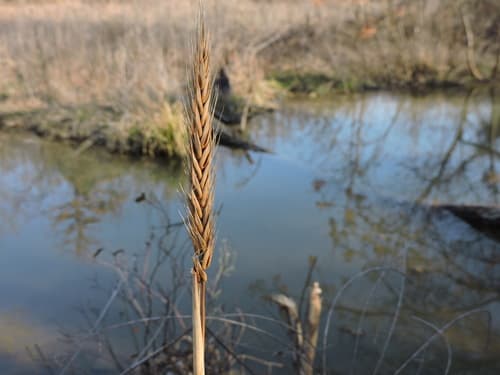
Virginia wild rye is a clumping native grass that forms neat, upright bunches reaching 2-4 feet tall. It produces attractive seed heads in late spring and summer, then goes dormant in winter. This cool-season grass works well as an ornamental alternative to non-native grasses.
Growing Virginia Wild Rye
Grow Virginia Wild Rye in part sun and medium water. Mature plants reach 24 to 48 inches tall and spread 12 to 24 inches wide. Expect low maintenance to keep it looking intentional in a front yard.
In an HOA neighborhood
Virginia Wild Rye is an HOA-friendly choice. Maintenance level: low. Tidiness: 3 out of 5.
Works well in: mid zone, foundation.
- May look sparse or weedy when dormant in winter
- Seed heads could be perceived as untidy by some HOAs
Wildlife value
The seeds provide food for birds and small mammals, while bees visit the flowers. This native grass also serves as host plant for several butterfly species.
Common questions
- When does Virginia Wild Rye bloom?
- Virginia Wild Rye blooms from May through July, producing seed heads that are important for wildlife.
- What pollinators visit Virginia Wild Rye?
- Native bees are the primary pollinators of Virginia Wild Rye, visiting the grass during its flowering period.
- Where is Virginia Wild Rye native?
- Virginia Wild Rye is native to most US states, from Maine to Florida in the east and extending west to Washington, Arizona, and New Mexico.
- What growing conditions does Virginia Wild Rye prefer?
- This adaptable grass tolerates full sun to partial shade and various moisture levels from wet to dry soils, making it useful for diverse landscaping situations.
- Is Virginia Wild Rye toxic to livestock?
- The USDA PLANTS Database does not flag Virginia Wild Rye as toxic to livestock.
- Is Virginia Wild Rye HOA-friendly?
- Virginia Wild Rye is generally an HOA-friendly choice in the right placement, with low maintenance.
Native range data from the USDA PLANTS Database and regional native plant society lists. Pollinator and host plant associations compiled from GBIF, iNaturalist, and published ecological literature.
Ready to grow Virginia Wild Rye? Add it to your garden in Pollinator Patch to track it and get season-by-season care guidance.
Not sure where to start? Take the 2-minute yard quiz