Howard McMinn Manzanita
Arctostaphylos 'Howard McMinn'
Last reviewed: August 2026

Howard McMinn Manzanita (Arctostaphylos 'Howard McMinn') is not flagged as toxic to dogs or cats by Plants For A Future (PFAF) (opens in new tab) (last reviewed 2026-05-21). This verdict does not come from the ASPCA. If your pet shows symptoms after eating any plant, call the ASPCA at (888) 426-4435.
Light
full sun
Water
low
Size
60"–120" H × 60"–120" W
Bloom
Jan, Feb, Mar
Pollinators
bees, hummingbirds
Native alternatives to Howard McMinn Manzanita
Howard McMinn Manzanita is not native to the United States. These natives fill a similar role in a planting, matched on bloom season, bloom color and mature size.
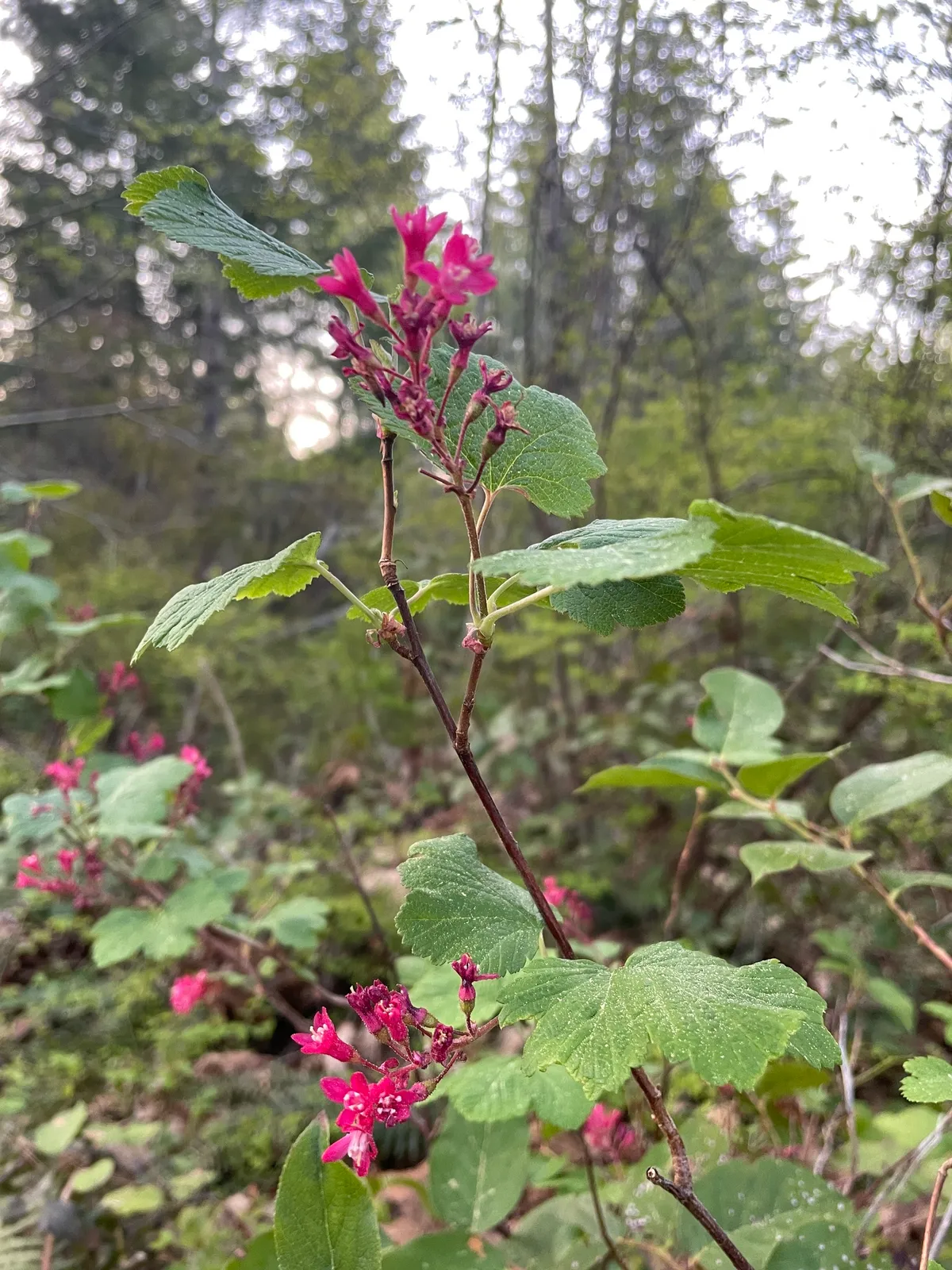
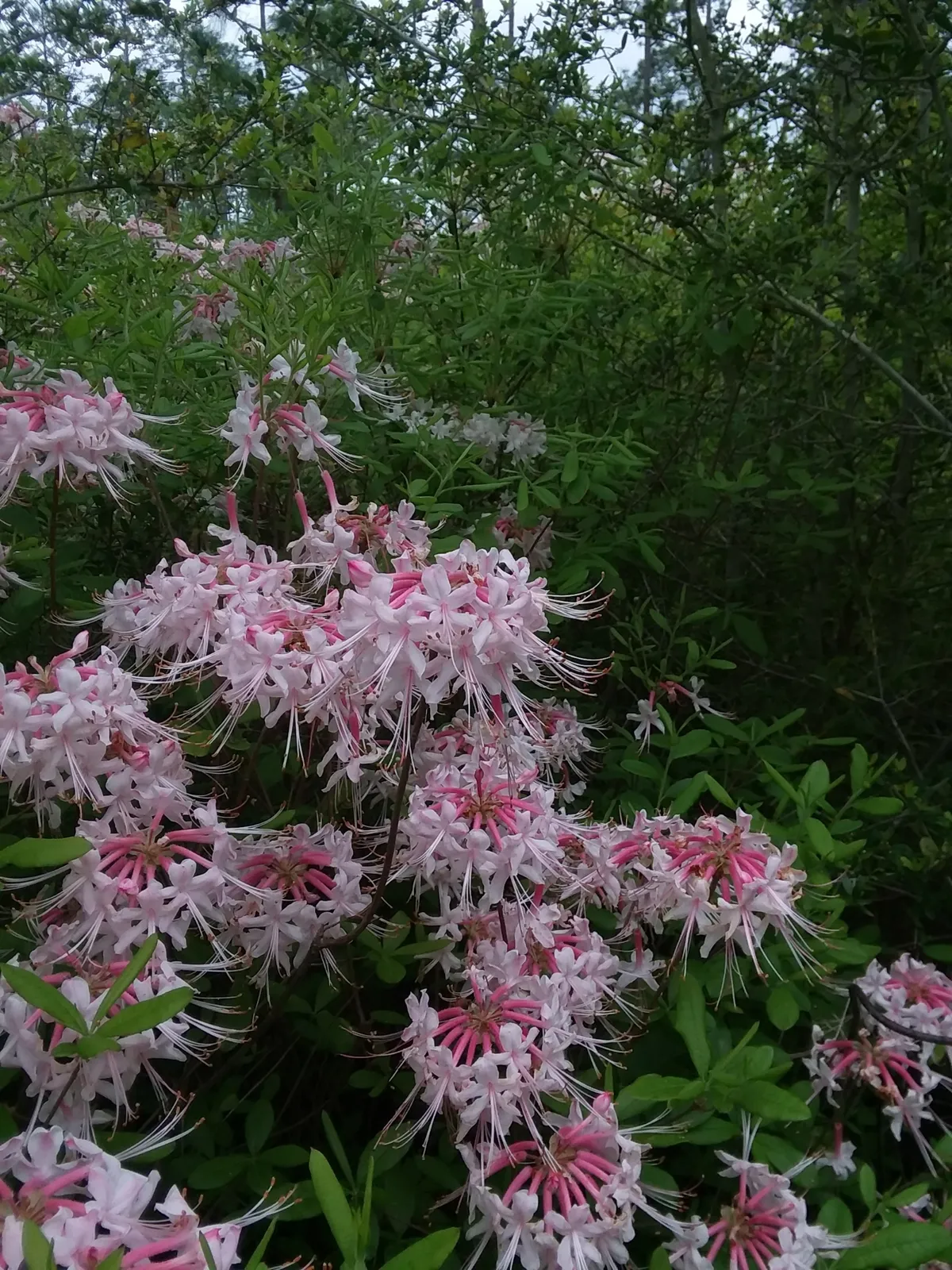
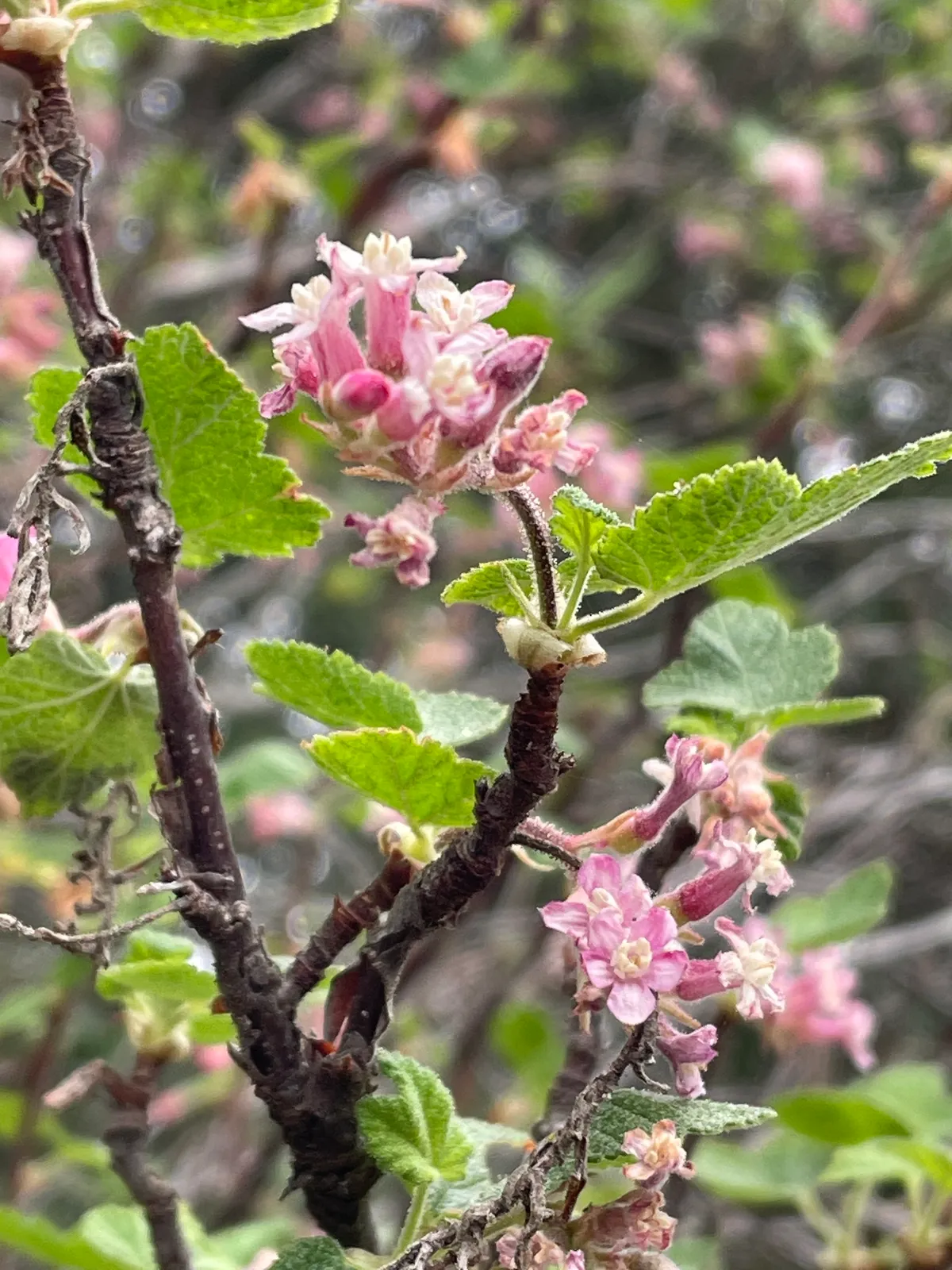
Before you buy
Your city may pay you to plant this
Cities and water utilities offer rebates for replacing lawn with native and water-wise plants. We track 459 programs across 44 states, each with a link to the provider and the date we last checked it.
Find rebates in your areaPicture natives in your own yard
Wondering what could grow where Howard McMinn Manzanita is now? Upload a photo of the spot and Patch Vision shows a rendering of it replanted with natives for your region.


Howard McMinn Manzanita is an attractive evergreen shrub with glossy, dark green leaves and smooth, red-brown bark. It produces clusters of small, pink-white flowers in winter through early spring, followed by small red berries. This native shrub is drought tolerant once established and makes an excellent ornamental foundation plant.
How to care for Howard McMinn Manzanita, by region
How to care for Howard McMinn Manzanita where it is actually grown: year-round basics plus what to do each season, region by region, with the sources for each.
Care guidance last updated: August 2026
Southern California/Northern Baja Coast (includes Los Angeles, CA)
Year-round
Howard McMinn manzanita is a popular garden selection of a California native manzanita species, not a wild plant itself, and it is one of the easiest manzanitas to grow in Los Angeles yards. It wants full sun, sharp drainage, and almost no water once it settles in.
- Plant it in full sun near the coast, or full sun to part shade in hotter inland parts of Los Angeles.
- Give it well drained soil and skip regular watering once it is established, usually one to two years after planting. Wet soil in summer is the main way this plant fails early.
- It grows slowly into a dense mound about 4 to 6 feet tall and 6 feet wide, so most yards never need to stake or crowd it.
- Winter into spring flowers bring in hummingbirds, moths, and butterflies, and the plant does not appear on the ASPCA's toxic plant lists for cats or dogs.
Fall
Fall is prime pruning season for Howard McMinn manzanita in Los Angeles, once the worst heat has passed and before winter rain starts the next bloom cycle.
- Prune now to remove dead or dying wood or to clean up the plant's shape. Fall is the recommended window rather than the middle of the growing season.
- Keep pruning light. This plant mostly needs shaping to reveal its reddish, twisting branch structure, not a hard cutback.
- Sterilize shears with rubbing alcohol between cuts to avoid spreading the fungal branch dieback manzanitas are known for.
- Hold off on regular watering until fall rains actually arrive. Adding irrigation on top of the first storms is how root problems start in heavy or clay soil.
A light fall shaping is the easiest way to keep a front-yard manzanita looking intentional instead of overgrown heading into its showier winter bloom.
Winter
Winter is when Howard McMinn manzanita puts on its main show in Los Angeles, flowering earlier and longer than most other manzanitas while the rest of the garden is quiet.
- Expect flowers from winter into spring. Established plants do not need supplemental water on top of normal winter rain.
- Check drainage before the rainy season peaks. This plant dislikes wet roots, so a spot that puddles after a storm is the wrong spot for it.
- Hummingbirds, moths, and butterflies use the winter flowers when little else in the yard is blooming.
- Los Angeles winters rarely get cold enough to bother this plant. It tolerates temperatures down to about 15 to 20 degrees Fahrenheit, well below what most LA neighborhoods see.
Winter bloom is this plant's best curb appeal moment, so keeping the bed weeded and mulched now lets the flowers stand out from the street.
Spring
Spring is the tail end of bloom season for Howard McMinn manzanita in Los Angeles, and it is also when the last rainy season moisture is still in the ground. The main job this season is to back off watering, not add more.
- Let the last of winter rain be the water source. Established plants do not need extra irrigation once spring rain tapers off.
- Flowers can hang on later and longer than on many other manzanitas, so hummingbird visits often continue into spring.
- If you shape the plant, wipe pruning shears with rubbing alcohol between cuts. Manzanitas are prone to branch dieback from fungus spread by dirty tools.
- Watch young, newly planted manzanitas closely. They are still building roots and can need occasional deep watering if spring turns dry early.
Summer
Summer in Los Angeles is hot and dry, which is exactly what an established Howard McMinn manzanita wants. The single biggest care mistake here is watering it like a regular garden shrub.
- Stop or sharply cut back irrigation on established plants. Extra summer water is the top reason this manzanita turns into a short lived shrub instead of a long lived one.
- Keep the root zone on the dry side. If a plant sits near a lawn or bed that gets summer watering, give it several feet of separation so its roots stay drier than its neighbors.
- Clear out dead or dying branches and fallen leaf litter under the plant. Manzanita burns less readily than resin heavy shrubs like juniper, but dry debris still adds fuel close to the house during fire season.
- If your irrigation runs on an automatic timer, put this manzanita on its own zone or shut that zone off in summer so it is not watered on the same schedule as thirstier plants nearby.
Clearing out dead wood keeps the planting looking tended from the street, which is an easy win for front yard curb appeal in the driest months.
Sources: Howard McMinn Manzanita, Calscape (California Native Plant Society), Arctostaphylos densiflora 'Howard McMinn', Las Pilitas Nursery, Toxic and Non-Toxic Plant List, Cats, ASPCA, Toxic and Non-Toxic Plant List, Dogs, ASPCA, Arctostaphylos densiflora 'Howard McMinn', Theodore Payne Foundation Native Plant Database, Tips for Enhancing the Fire-Resistance of Your Home Landscape, UC ANR Cooperative Extension
Willamette Valley (includes Portland, OR)
Year-round
Howard McMinn manzanita is a tough, drought tolerant evergreen shrub that does well in a Portland yard once you solve for drainage, even though it did not originate anywhere near Oregon.
- This shrub is a cultivar of Arctostaphylos densiflora, a manzanita that grows wild in exactly one spot in Sonoma County, California. It is not native to Oregon, so think of it as a well suited introduced plant here rather than a native planting.
- Left alone it grows into a rounded evergreen mound, usually 5 to 10 feet tall and 8 to 12 feet wide, with dark reddish bark that peels away to a smooth surface as it ages.
- Cold is not the issue in Portland. It is rated hardy well past our zone 8b winters. The real hazard here is our wet clay soil, since manzanita roots and crown rot quickly if they ever sit in standing water.
- Give it full sun to a little afternoon shade, skip fertilizer and soil amendments at planting, and plan for sharp drainage from day one, ideally a slight mound or slope rather than a low spot in the yard.
Fall
Fall is for finishing any shaping cuts before flower buds set and for double checking drainage before the wet season builds back up.
- Finish any shaping cuts by October, before next winter's flower buds set. Stick to the same light thinning approach as summer, since heavy cuts into old wood invite fungal trouble and odd regrowth.
- Portland's rain typically returns by October or November. Once the wet season is back, double check that the planting spot actually drains, since a low spot or heavy clay pocket is where root and crown rot show up first.
- Flower buds are forming now for the late winter bloom, so this is not the year to cut it back hard even if it looks leggy. That kind of pruning waits until next August.
- No fall cutback needed the way you would for perennials. This is an evergreen shrub, so the bed keeps its shape and color through fall without any seasonal teardown.
Because there is no fall cutback to do, pulling mulch and fallen leaves back a few inches from the trunk is the one tidiness task worth doing, and it also keeps moisture off the crown.
Winter
Winter is bloom time for this manzanita in Portland, and the wet weeks matter more than the cold ones for keeping it alive.
- This manzanita is rated hardy well into zone 7, so a typical Portland winter in zone 8b is not a cold problem for an established plant.
- The real winter risk here is wet roots, not frost. Our rainy season peaks from December through February, so lingering water at the roots or crown during the soggiest weeks is what actually threatens this plant, not the temperature.
- This is usually when flowering starts, small white and pink flowers opening while almost nothing else in a Portland garden is in bloom, which keeps early bumblebees and any active Anna's hummingbirds fed through the mild wet season.
- Hold off on any pruning. Flower buds are already set for this bloom, so cutting now just removes flowers instead of shaping the plant.
Because it holds its leaves and structural reddish bark all winter, this shrub keeps a tended, put together look in a front bed through the gray months without any extra work.
Spring
Spring is bloom season for this manzanita in Portland, and the main job is to leave it alone rather than add extra care on top of the rain.
- Bloom carries on from late winter into spring here, small white and pink urn shaped flowers that keep feeding early bumblebees and Anna's hummingbirds while most of the yard is still waking up.
- Portland's rain is still frequent through spring, with the average last frost landing around mid April. An established plant does not need any extra water added on top of that rain, since wet roots are the main way this shrub struggles.
- Skip fertilizer and skip working compost or bark mulch into the soil around it this spring. Manzanita actually does better in plain, unamended ground, and rich soil works against the sharp drainage it wants.
- If small berries start forming as the flowers fade, leave them alone. They are a normal part of the plant and birds will pick through them later in the year.
Summer
Portland's dry summer is exactly what this manzanita wants, so the main summer task is to hold back on watering and, late in the season, do any light shaping.
- Once this manzanita has had one to two years to establish, a typical Portland summer needs zero supplemental water. Our dry June through August pattern is close to what the plant evolved for.
- Adding sprinkler or drip water through summer is the single most common way people lose this plant. Warm, damp soil at the crown breeds the fungal problems that actually kill manzanita, not the heat.
- If it shares an irrigation zone with lawn or thirstier plants, move it to a dry zone on its own, or switch to occasional hand watering only during a real dry stretch.
- Late summer, starting in August, opens the window for any shaping. Use light thinning cuts to remove a crowded or awkward branch. Never shear it into a ball or cut back hard into old wood, that kind of cut invites disease and messy regrowth instead of a cleaner shape.
A light thinning cut here and there in late summer keeps the natural rounded shape neat for a front bed, without giving it the clipped, over groomed look that can read as high maintenance.
Sources: Lady Bird Johnson Wildflower Center, Arctostaphylos densiflora, Calscape (CNPS), Vine Hill Manzanita native range, Monrovia, Howard McMinn Manzanita grow guide, UC Marin Master Gardeners, manzanita drainage and culture, Almanac.com, Portland OR frost dates (community tip), Dragonfly Farm and Nursery, manzanitas for Pacific Northwest gardens
In an HOA neighborhood
Howard McMinn Manzanita is an HOA-friendly choice. Maintenance level: low. Tidiness: 4 out of 5.
Works well in: front yard, foundation, street edge, mid zone.
- May require occasional pruning to maintain tidy shape
Wildlife value
This manzanita cultivar provides important nectar for bees and hummingbirds during winter months when few other plants are blooming. The berries that follow attract birds and other wildlife.
Common questions
- How much sun does Howard McMinn Manzanita need?
- Howard McMinn Manzanita grows best in full sun conditions.
- When does Howard McMinn Manzanita bloom?
- Howard McMinn Manzanita blooms in January, February, and March.
- Is Howard McMinn Manzanita toxic to dogs?
- Howard McMinn Manzanita is not flagged as toxic to dogs by Plants For A Future (PFAF). This verdict does not come from the ASPCA.
- Is Howard McMinn Manzanita toxic to cats?
- Howard McMinn Manzanita is not flagged as toxic to cats by Plants For A Future (PFAF). This verdict does not come from the ASPCA.
- What pollinators does Howard McMinn Manzanita attract?
- Howard McMinn Manzanita draws bees and hummingbirds.
- Is Howard McMinn Manzanita HOA-friendly?
- Howard McMinn Manzanita is generally an HOA-friendly choice in the right placement, with low maintenance.
Pollinator and host plant associations compiled from GBIF, iNaturalist, and published ecological literature.
If something looks wrong
Common plant problems, and what to check first
These come up on almost any plant. Each guide lists the likely causes in the order they are worth ruling out, with one thing to check before you act on any of them, and links to the source it came from.
- It is dying right after planting
- Leaves turning yellow
- Wilting even though I watered it
- Brown crispy leaf tips
- Bugs on the plant
Ready to grow Howard McMinn Manzanita? Add it to your garden in Pollinator Patch to track it and get season-by-season care guidance.