Indian plum
Oemleria cerasiformis
Last reviewed: September 2026
Toxicity unknown
Indian plum (Oemleria cerasiformis) is not listed by the ASPCA Animal Poison Control Center (opens in new tab) or the other sources we check, so we have no verdict for it either way. Absence from those lists is not a clearance. If your pet shows symptoms after eating any plant, call the ASPCA at (888) 426-4435.
Light
part shade
Water
medium
Size
60"–180" H × 48"–96" W
Bloom
Feb, Mar, Apr
Native to
CA, OR, WA
Pollinators
bees
Before you buy
Your city may pay you to plant this
Cities and water utilities offer rebates for replacing lawn with native and water-wise plants. We track 452 programs across 44 states, each with a link to the provider and the date we last checked it.
Find rebates in your areaBrowse plants for this ecoregion
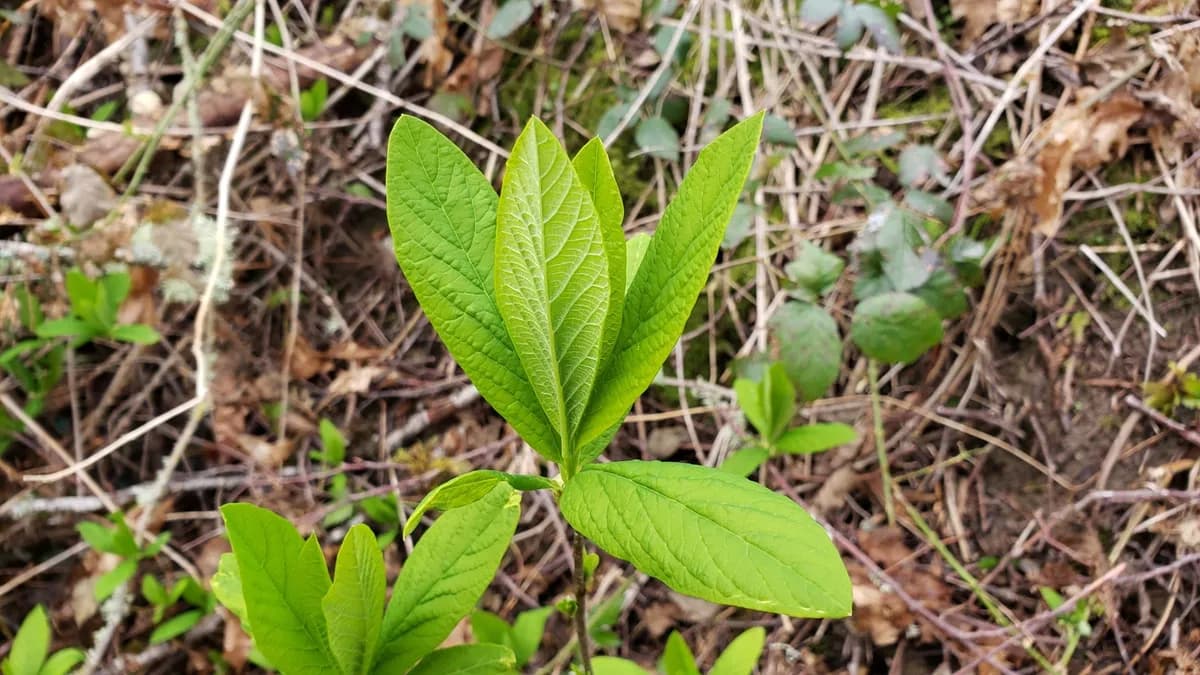
One of the earliest shrubs to leaf out and flower each year, with drooping clusters of small white flowers appearing before most other plants have broken dormancy. It forms an upright, suckering thicket at woodland edges.
How to care for Indian plum, by region
How to care for Indian plum where it is actually grown: year-round basics plus what to do each season, region by region, with the sources for each.
Care guidance last updated: September 2026
Piedmont (includes Atlanta, GA)
Year-round
Baseline care for growing Indian plum in the Atlanta area, where it sits well outside its natural Pacific coast range.
- Indian plum is native to the Pacific coast and coast ranges, from British Columbia down through Oregon and into California. It is not native to Georgia, so in Atlanta it is best treated as an interesting out-of-region specimen shrub rather than one that will thrive without extra attention.
- Give it part shade, especially shade from hot afternoon sun, and soil that drains well. It tolerates a range of soils in its home range but does not do well with standing water at the roots.
- Water it regularly through its first two growing seasons while roots establish. After that it becomes more drought tolerant, though Atlanta's humid summers are a different kind of stress than the dry summers it is used to on the coast.
- It is dioecious, meaning each individual plant is either male or female. If you want it to set its small blue black berries, you need one of each growing near each other.
Fall
Fall is the best window to shape the shrub and get its roots ready for winter.
- As days cool and growth slows, this is a reasonable time to shape the shrub and remove any growth that looks dead or scorched from summer.
- Atlanta's average first freeze lands around November 13. A layer of mulch added before then helps insulate roots that are more used to the milder winters of the Pacific coast.
- Fallen leaves can be left under the shrub as a light mulch layer, or raked up along the front edge of the bed if a tidier look matters for a front-facing yard.
A quick fall shaping and a raked front edge keeps a somewhat informal shrub reading as intentional from the street, an easy piece of HOA-friendly upkeep.
Winter
Winter is usually mild enough here, but temperature swings can confuse this shrub's very early bloom timing.
- Zone 7b winters fall within this shrub's hardiness range, so ordinary Atlanta cold is not usually a problem for the plant itself.
- Atlanta winters swing between mild stretches and sudden cold snaps. Because this shrub tends to break bud very early, a warm spell in January or February can trigger early growth that a following freeze then damages.
- No pruning needed through the coldest months. Wait until you see new growth in late winter to judge what, if anything, was affected by cold.
- As a bare deciduous shrub, its winter look is mostly branch structure. Thinning it to a few main stems earlier in the year gives it a cleaner silhouette instead of a tangled look through winter.
Trained to a few clean stems, this shrub reads as an intentional winter accent rather than bare clutter, which matters most on a front-facing bed.
Spring
Spring in Atlanta is bloom time for this shrub, and also its riskiest stretch of the year.
- Indian plum is known for blooming very early, often the first native shrub to flower where it naturally grows. In Atlanta's milder zone 7b climate, expect it to leaf out and bloom earlier than most of your other shrubs, sometimes in late winter.
- Atlanta's average last freeze lands around March 23. Because this shrub often blooms before that date, a late cold snap can damage open flowers in some years. There is not much of a fix for this beyond accepting a lighter berry set those years.
- Skip spring fertilizer. It is not a heavy feeder, and pushing extra growth right before Atlanta's summer heat arrives works against it.
- If berries matter to you, check that a male plant is blooming nearby a female one. Male flowers on this species tend to open before the female flowers do.
Summer
Summer heat and humidity are the hardest stretch of the year for this shrub outside its home range.
- This is a Pacific coast plant built for cooler, drier summers, not Atlanta's heat and humidity. Some leaf scorch or a generally tired look in peak summer is common here rather than a sign you are doing something wrong.
- Keep it in part shade, particularly shade from afternoon sun, and make sure the ground drains well after Atlanta's typical summer thunderstorms. Wet roots on top of heat stress is the combination most likely to hurt it.
- A couple inches of mulch over the root zone helps keep soil temperatures down and evens out moisture between storms. Keep the mulch pulled back from the base of the stems.
- Hold off on pruning stressed growth until temperatures ease in fall. Cutting hard during peak heat adds stress at the worst possible time.
Sources: Calscape, Oemleria cerasiformis (Osoberry) native range and growing conditions, Missouri Botanical Garden Plant Finder, Oemleria cerasiformis, USDA NRCS Plant Fact Sheet, Indian Plum (Oemleria cerasiformis), National Weather Service Atlanta/Peachtree City, frost and freeze dates, Oregon State University Landscape Plants, Oemleria cerasiformis
Want these tasks as reminders timed to your yard? Pollinator Patch turns this guidance into a season-by-season care plan for the plants you actually grow.
Wildlife value
Its very early bloom timing makes it a critical first nectar source for native bees emerging from winter, and birds eat the plum-like fruit.
Common questions
- How much sun does Indian plum need?
- Indian plum grows best in part shade conditions.
- When does Indian plum bloom?
- Indian plum blooms in February, March, and April.
- Where is Indian plum native?
- Indian plum (Oemleria cerasiformis) is native to CA, OR, WA, per vouchered herbarium specimen records and regional native plant society lists.
- What pollinators does Indian plum attract?
- Indian plum draws bees.
Native range data from vouchered herbarium specimen records and regional native plant society lists. Pollinator and host plant associations compiled from GBIF, iNaturalist, and published ecological literature.
If something looks wrong
Common plant problems, and what to check first
These come up on almost any plant. Each guide lists the likely causes in the order they are worth ruling out, with one thing to check before you act on any of them, and links to the source it came from.
- It is dying right after planting
- Leaves turning yellow
- Wilting even though I watered it
- Brown crispy leaf tips
- Bugs on the plant
Ready to grow Indian plum? Add it to your garden in Pollinator Patch to track it and get season-by-season care guidance.
Planning a bed around it? Start a free plan with this plant
Not sure where to start? Take the 2-minute yard quiz