Manyray aster
Symphyotrichum anomalum
Last reviewed: October 2026
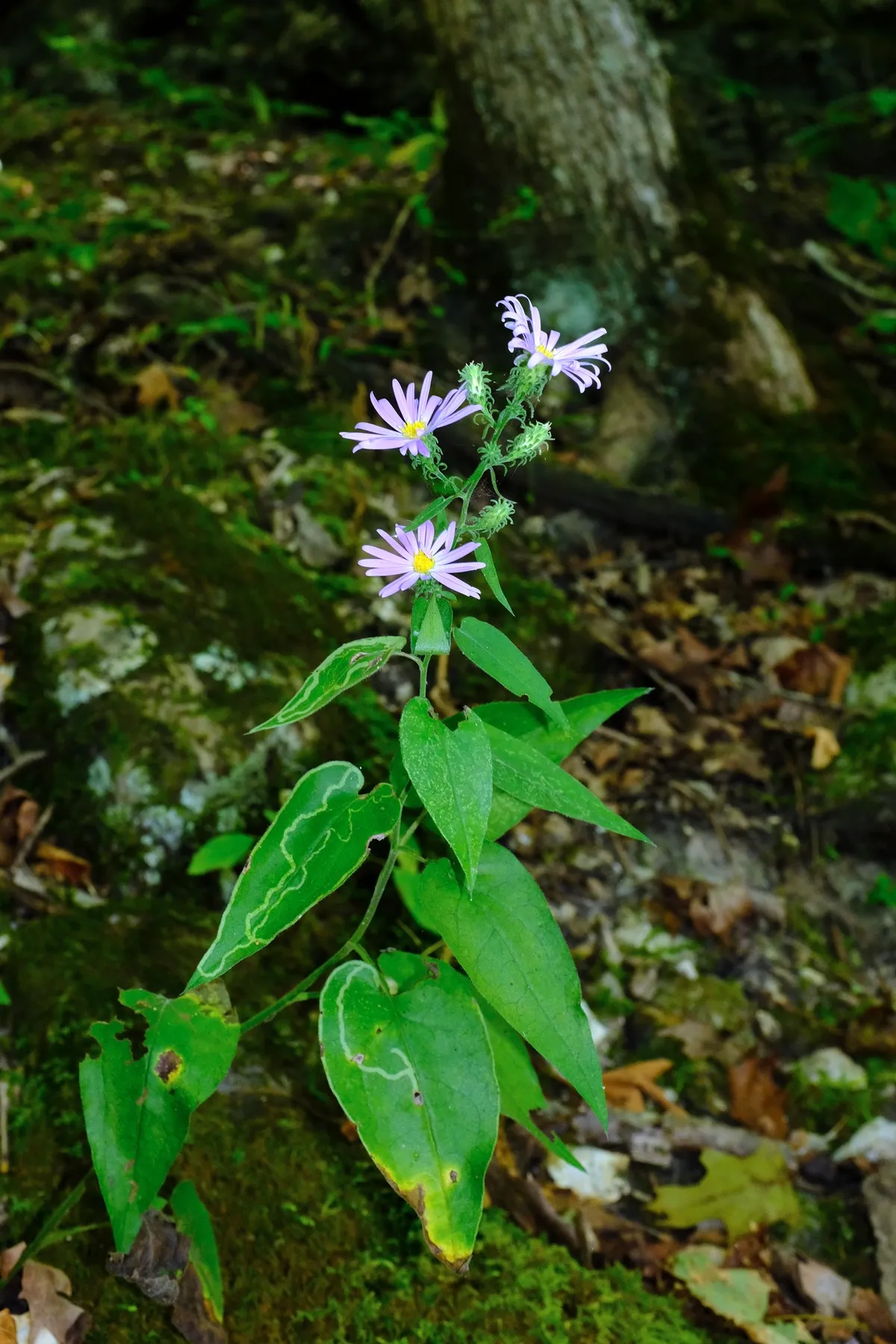
Toxicity unknown
Manyray aster (Symphyotrichum anomalum) is not listed by the ASPCA Animal Poison Control Center (opens in new tab) or the other sources we check, so we have no verdict for it either way. Absence from those lists is not a clearance. If your pet shows symptoms after eating any plant, call the ASPCA at (888) 426-4435.
Light
full sun
Water
low
Size
12"–36" H × 12"–24" W
Bloom
Sep, Oct, Nov
Pollinators
native bees, butterflies
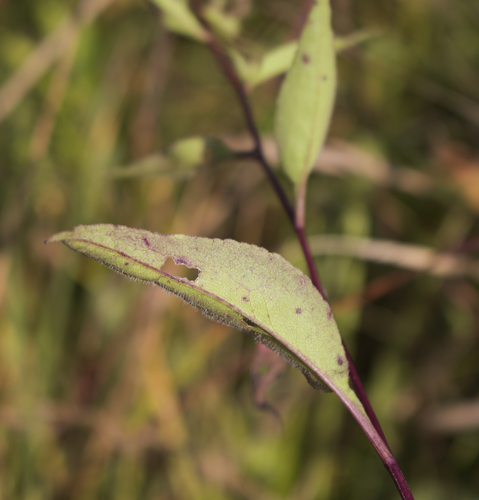
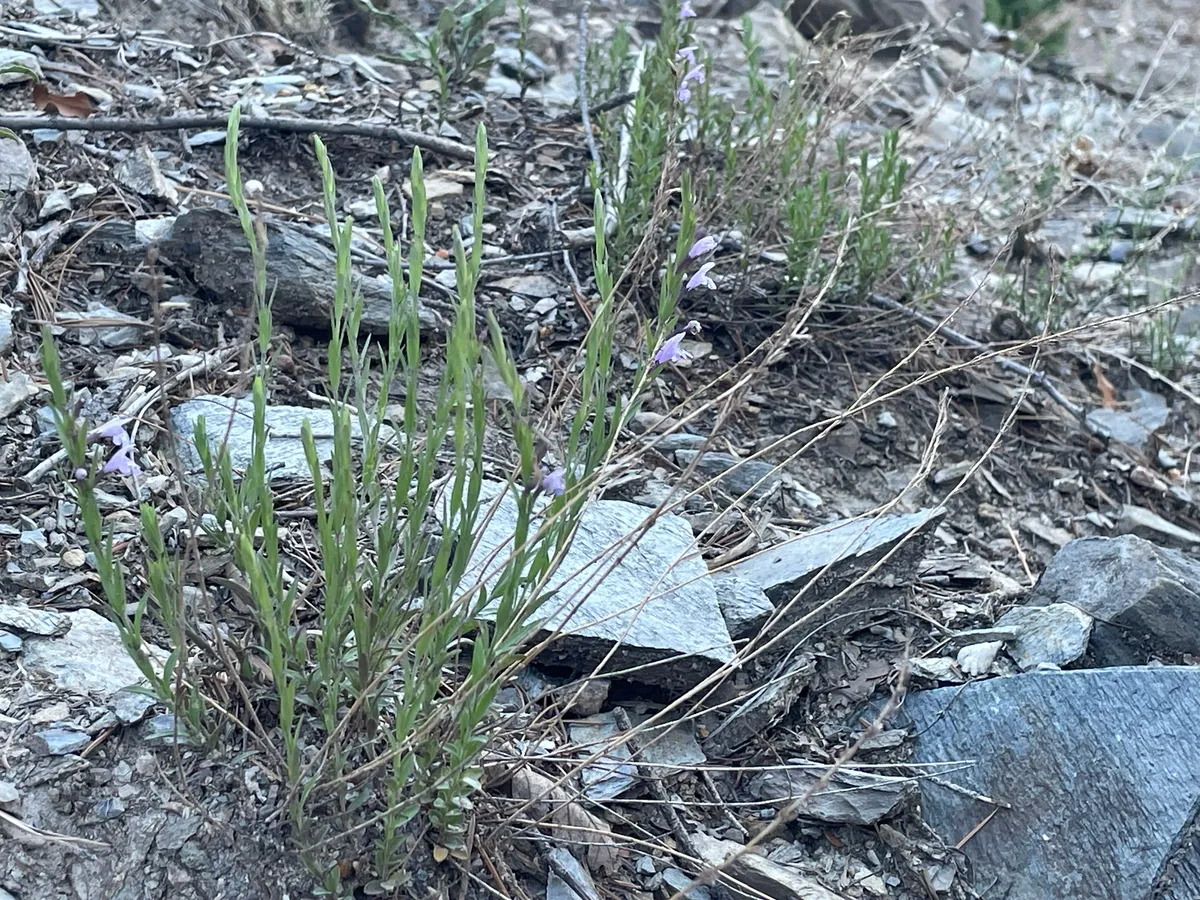
Native alternatives to Manyray aster
Manyray aster is not native to the United States. These natives fill a similar role in a planting, matched on bloom season, bloom color and mature size.

Before you buy
Your city may pay you to plant this
Cities and water utilities offer rebates for replacing lawn with native and water-wise plants. We track 458 programs across 44 states, each with a link to the provider and the date we last checked it.
Find rebates in your areaPicture natives in your own yard
Wondering what could grow where Manyray aster is now? Upload a photo of the spot and Patch Vision shows a rendering of it replanted with natives for your region.


A bushy perennial aster with narrow leaves and an abundance of small, many-rayed lavender-blue flowers that open in fall when few other natives are still blooming. Forms a rounded clump and tolerates dry, rocky soils.
How to care for Manyray aster, by region
How to care for Manyray aster where it is actually grown: year-round basics plus what to do each season, region by region, with the sources for each.
Care guidance last updated: September 2026
Ouachita Mountains (includes Hot Springs, AR)
Year-round
Manyray aster is a bushy, fine-textured perennial that tolerates the dry, rocky soils common in the area, producing an abundance of small lavender-blue flowers in fall.
- Plant in full sun to light shade in well-drained soil, including thin, rocky ground where many perennials struggle.
- Established plants are drought-tolerant and need little supplemental watering.
- Pinch or cut back stems by about a third in early summer to encourage a bushier, more compact plant with more flowers.
- Divide congested clumps every few years in spring to maintain vigor.
Pinched back in early summer, it grows as a compact, rounded mound rather than a floppy wildflower, which reads as tended rather than unmanaged.
Fall
Fall is the main event for manyray aster, with abundant small lavender-blue flowers opening as the days cool.
- Leave blooms in place for foraging bees and butterflies through the season.
- No deadheading is needed; let flowers fade naturally into seed for winter interest.
- This is a good time to note where you might want to divide or expand the planting next spring.
Winter
The plant dies back to the ground in winter and returns reliably from the roots each spring.
- Leave dried stems standing through winter for visual structure and wildlife cover, or cut back for a tidier look.
- No winter protection is needed in this area.
- This is a suitable dormant-season window to relocate or divide the clump if needed.
Spring
Spring is the time to divide clumps and cut back any remaining winter growth before new shoots take over.
- Remove old stems from last season to make room for new growth.
- Divide and replant crowded clumps if you want to expand coverage.
- Water regularly until new divisions are established.
Summer
Pinching now sets up a fuller fall bloom; otherwise this aster needs little summer care.
- Pinch or cut stems back by about a third in early to midsummer to keep growth compact and encourage more flowers.
- Water only during extended dry spells; established plants handle summer heat well.
- Watch for the first buds forming as days shorten toward fall.
Sources: University of Arkansas Division of Agriculture Cooperative Extension Service
In an HOA neighborhood
Manyray aster is an HOA-friendly choice. Maintenance level: low. Tidiness: 4 out of 5.
Works well in: border planting, mixed perennial bed, naturalized area.
Wildlife value
Late fall blooms provide an important nectar source for native bees and butterflies building reserves before winter.
Common questions
- How much sun does Manyray aster need?
- Manyray aster grows best in full sun conditions.
- When does Manyray aster bloom?
- Manyray aster blooms in September, October, and November.
- What pollinators does Manyray aster attract?
- Manyray aster draws native bees and butterflies.
- Is Manyray aster HOA-friendly?
- Manyray aster is generally an HOA-friendly choice in the right placement, with low maintenance.
Pollinator and host plant associations compiled from GBIF, iNaturalist, and published ecological literature.
If something looks wrong
Common plant problems, and what to check first
These come up on almost any plant. Each guide lists the likely causes in the order they are worth ruling out, with one thing to check before you act on any of them, and links to the source it came from.
- It is dying right after planting
- Leaves turning yellow
- Wilting even though I watered it
- Brown crispy leaf tips
- Bugs on the plant
Ready to grow Manyray aster? Add it to your garden in Pollinator Patch to track it and get season-by-season care guidance.