Texas red oak
Quercus texana
Last reviewed: August 2026
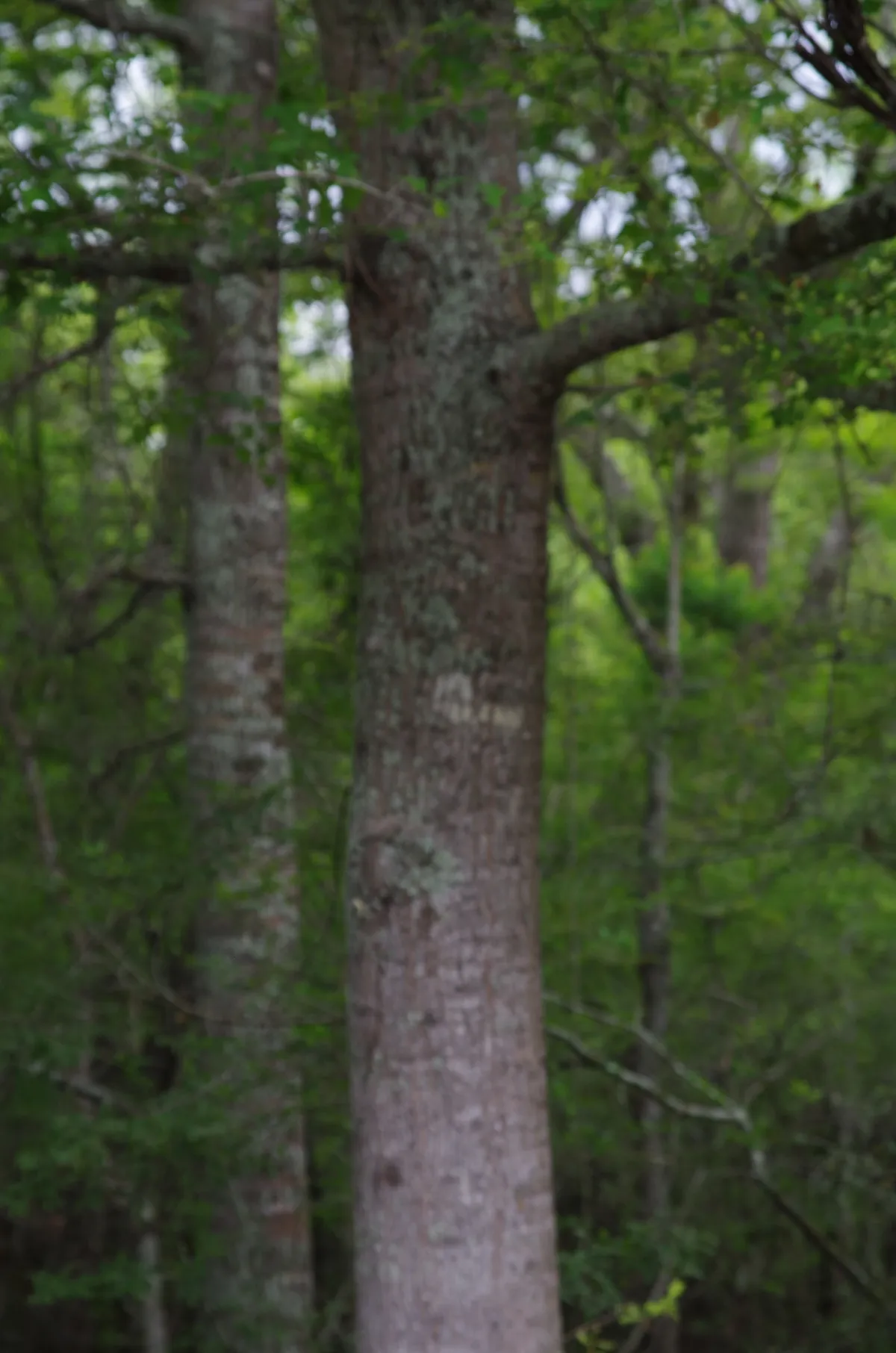
Quercus texana is a deciduous shade tree that grows well in bottomland and lowland sites across the South and lower Midwest, with red to orange fall foliage.
Toxicity unknown
Texas red oak (Quercus texana) is not listed by the ASPCA Animal Poison Control Center (opens in new tab) or the other sources we check, so we have no verdict for it either way. Absence from those lists is not a clearance. If your pet shows symptoms after eating any plant, call the ASPCA at (888) 426-4435.
Light
full sun
Water
medium
Size
480"–720" H × 420"–540" W
Bloom
N/A
Native to
AL, AR, IL, KY and 6 more states
Before you buy
Your city may pay you to plant this
Cities and water utilities offer rebates for replacing lawn with native and water-wise plants. We track 449 programs across 44 states, each with a link to the provider and the date we last checked it.
Find rebates in your areaBrowse plants for this ecoregion
A large deciduous shade tree with a broad, rounded canopy and glossy, deeply lobed leaves that turn red in fall. Tolerates wet, poorly drained soils better than many oaks and grows at a moderate to fast rate.
Growing Texas red oak
Grow Texas red oak in full sun and medium water. Mature plants reach 480 to 720 inches tall and spread 420 to 540 inches wide. Expect moderate maintenance to keep it looking intentional in a front yard.
In an HOA neighborhood
Texas red oak is an HOA-friendly choice. Maintenance level: moderate. Tidiness: 3 out of 5.
Works well in: front yard, street edge.
- mature size requires clearance from structures, foundations, and overhead power lines
- drops leaves and acorns requiring seasonal cleanup
Wildlife value
Host plant for banded hairstreak, Juvenal's duskywing, imperial moth.
A keystone tree that hosts the larvae of numerous moth and butterfly species and produces acorns that feed wildlife.
Common questions
- When does Texas red oak bloom?
- Like other oaks, Quercus texana produces small, inconspicuous catkins in early spring, typically March to April, before the leaves fully expand.
- Does Texas red oak need pollinators?
- No. This tree is wind pollinated, so it does not rely on insects or animals to move pollen between flowers.
- What kind of soil moisture does Texas red oak prefer?
- It grows best in moist, well drained bottomland soils but can tolerate periodic flooding as well as drier upland sites once established.
- What does Texas red oak look like in fall?
- Its lobed, glossy green leaves typically turn shades of red to orange before dropping in autumn.
- Is Texas red oak HOA-friendly?
- Texas red oak is generally an HOA-friendly choice in the right placement, with moderate maintenance.
These answers were drafted with an AI model from this plant's data. Verify care details with a local expert.
Native range data from vouchered herbarium specimen records and regional native plant society lists. Pollinator and host plant associations compiled from GBIF, iNaturalist, and published ecological literature.
Ready to grow Texas red oak? Add it to your garden in Pollinator Patch to track it and get season-by-season care guidance.
Not sure where to start? Take the 2-minute yard quiz